Liposomal antimicrobials in the fight against bacterial and fungal pathogens: Clinical successes and development challenges
Hussein T. Kenaan, Ross M. Duncan, Wafa T. Al-Jamal, David S. Jones, Gavin P. Andrews, Brendan Gilmore, Vanessa Yardley, Nicola Farrington, Katharine E. Stott, David Lawrence, Joseph N. Jarvis, Thomas S. Harrison, Stephen Robinson, Isabela Ribeiro, William Hope, Yiwei Tian

TL;DR
Liposomal antimicrobials show promise in reducing toxicity and improving treatment of bacterial and fungal infections, but require scalable manufacturing for global access.
Contribution
The paper advocates for simplified liposomal formulation design and scalable manufacturing to address antimicrobial resistance and improve accessibility.
Findings
Liposomal formulations like AmBisome® and Arikayce® reduce toxicity and enhance drug efficacy.
Adjustments in liposomal composition can improve therapeutic outcomes for antimicrobial treatments.
Scalable and cost-effective manufacturing is critical for the widespread adoption of liposomal antimicrobials.
Abstract
Bacterial, fungal, and protozoan infections pose a rapidly escalating threat to global health, exacerbated by the rise in antimicrobial resistance. Current therapies against microbial pathogens are limited by high systemic toxicity and poor drug solubility. Liposomal formulations (spherical vesicles composed of lipid bilayers) have demonstrated remarkable clinical potential in addressing these concerns, as evidenced by the marketed products AmBisome® and Arikayce®. These products, which deliver amphotericin B via parenteral injection and amikacin via inhalation, exemplify how liposomes effectively mitigate drug-associated toxicity, enhance therapeutic efficacy, and overcome the biological barriers inherent to infection sites, including complex microbial biofilms, mucosal interfaces, or the blood–brain barrier. Complementary insights from anticancer research indicate that strategic…
Genes, proteins, chemicals, diseases, species, mutations and cell lines named across the full text — each resolved to its canonical identifier and authoritative record.
Click any figure to enlarge with its caption.
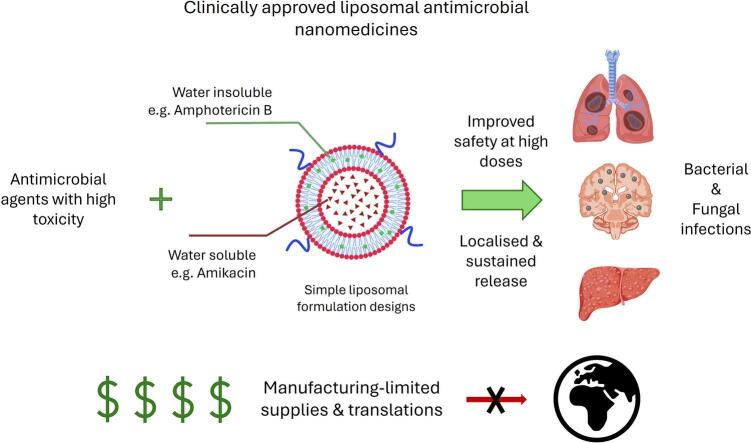 Figure 1
 Figure 2
 Figure 3
 Figure 4
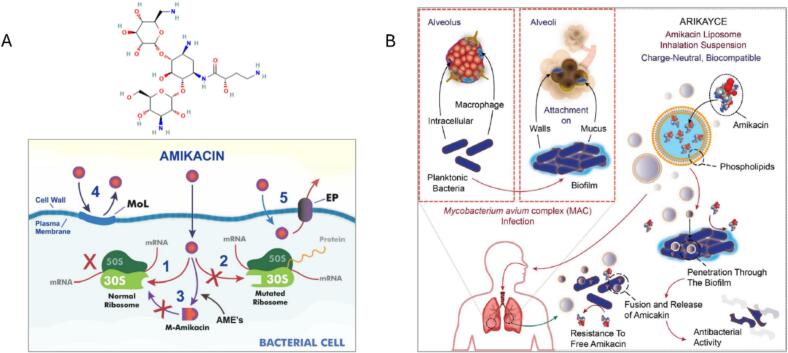 Figure 5
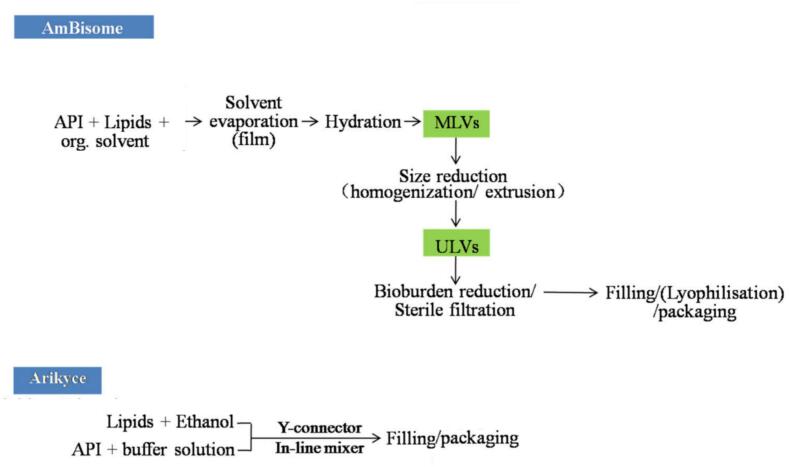 Figure 6
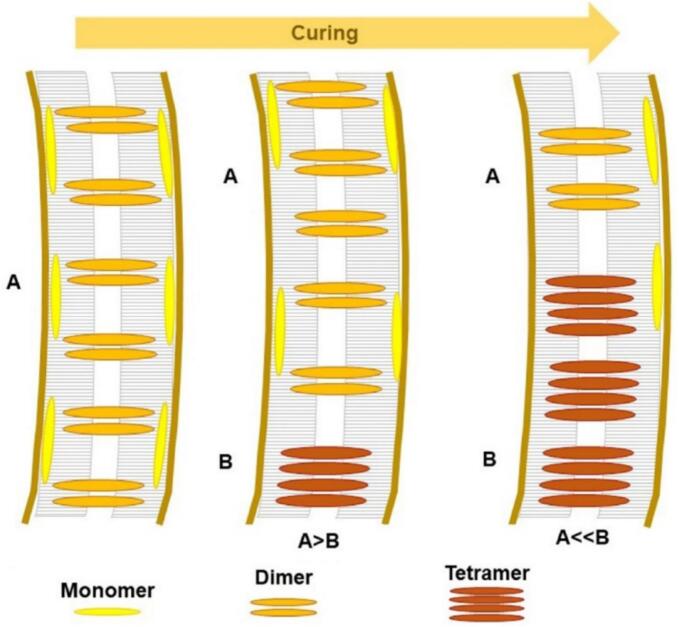 Figure 7
Peer Reviews
No public reviews on file for this paper yet. If you reviewed it on a platform where reviews are public (OpenReview, ICLR, NeurIPS, ICML), you can paste yours below so the community can read it here.
Videos
No videos yet. Explain this paper in a talk, walkthrough, or lecture? Add one.
Taxonomy
TopicsNanoplatforms for cancer theranostics · Nanoparticle-Based Drug Delivery · Inhalation and Respiratory Drug Delivery