Investigating the neuroprotective effect of heparin in improving mitochondrial function in rats with cardiac arrest cardiopulmonary resuscitation based on transcriptome sequencing
Biyun Tian, Xin Liu, Fa Wang, Yang Gu, Xiaohong Zhou, Ningkang Li, Qingshan Ye, Yan Li

TL;DR
Heparin improves brain function after cardiac arrest in rats by enhancing mitochondrial health and reducing inflammation.
Contribution
This study reveals heparin's neuroprotective effects via mitochondrial gene regulation post-cardiac arrest.
Findings
Heparin improved neurological outcomes and survival in rats after cardiac arrest.
Transcriptome analysis identified three key genes (Epsa1, Idh2, Hif3a) regulated by heparin treatment.
Heparin reduced oxidative stress and preserved mitochondrial structure in brain tissue.
Abstract
Cardiac arrest (CA) and subsequent cardiopulmonary resuscitation (CPR) often lead to severe brain injury, primarily driven by mitochondrial dysfunction and ischemia–reperfusion injury. While heparin is a known anticoagulant, its potential neuroprotective role through mitochondrial regulation post cardiac arrest and cardiopulmonary resuscitation (CA-CPR) remains poorly understood. This study aimed to explore the brain-protective mechanisms of heparin, focusing on its effects on mitochondrial function using transcriptome sequencing in a rat model of asphyxial CA-CPR. Male Sprague–Dawley rats were randomized into three groups: Sham, CPR (Model), and CPR + Heparin (CPR + HP, 0.5 mg/kg IV upon CPR initiation). Neurological function was assessed using modified Neurological Severity Scores (mNSS) over 7 days. Hippocampal tissues were collected for transcriptome sequencing, qPCR validation,…
Genes, proteins, chemicals, diseases, species, mutations and cell lines named across the full text — each resolved to its canonical identifier and authoritative record.
Click any figure to enlarge with its caption.
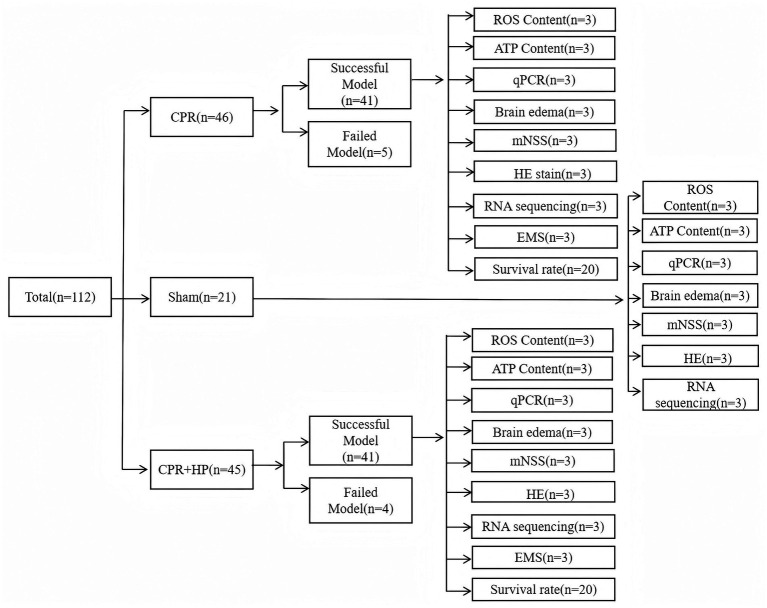 Figure 1
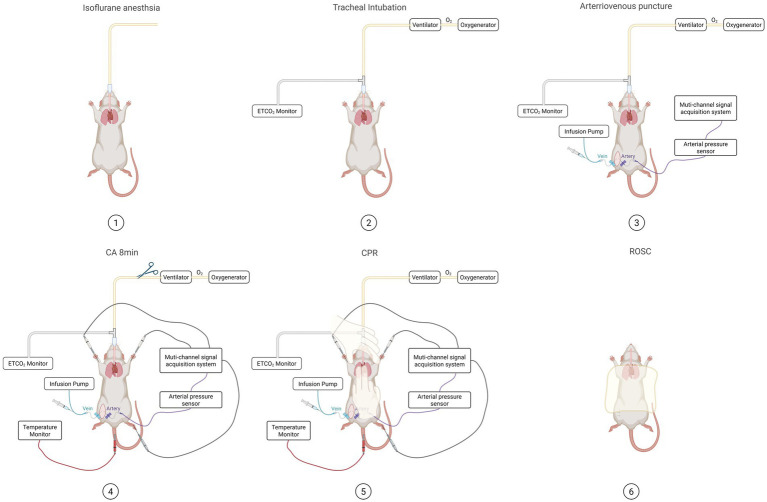 Figure 2
 Figure 3
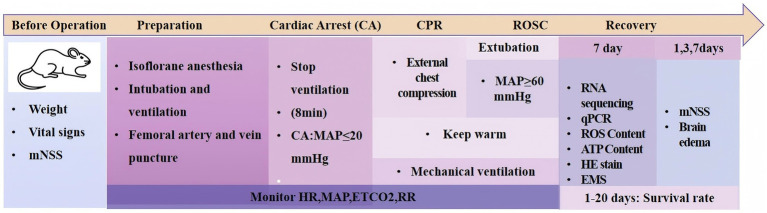 Figure 4
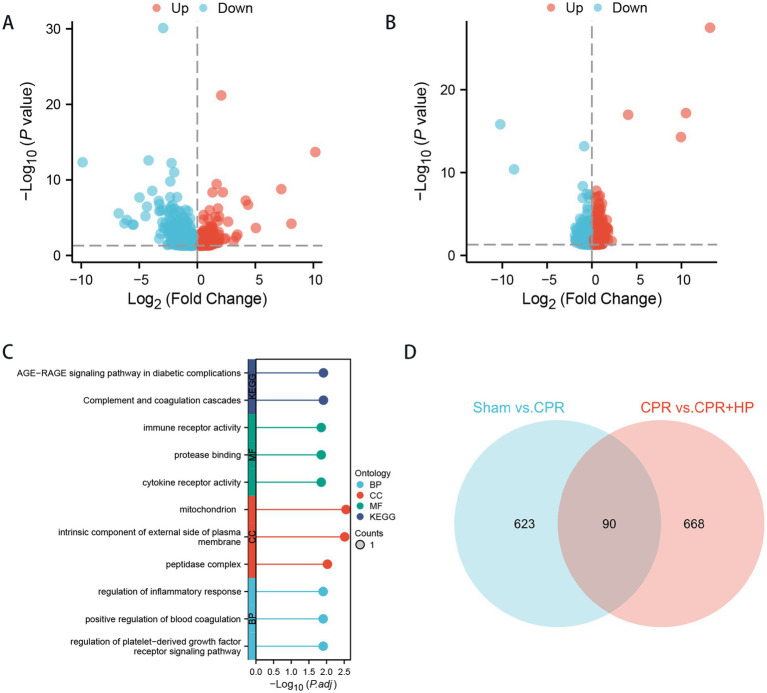 Figure 5
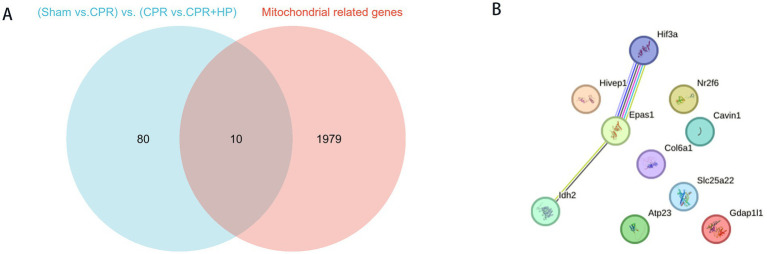 Figure 6
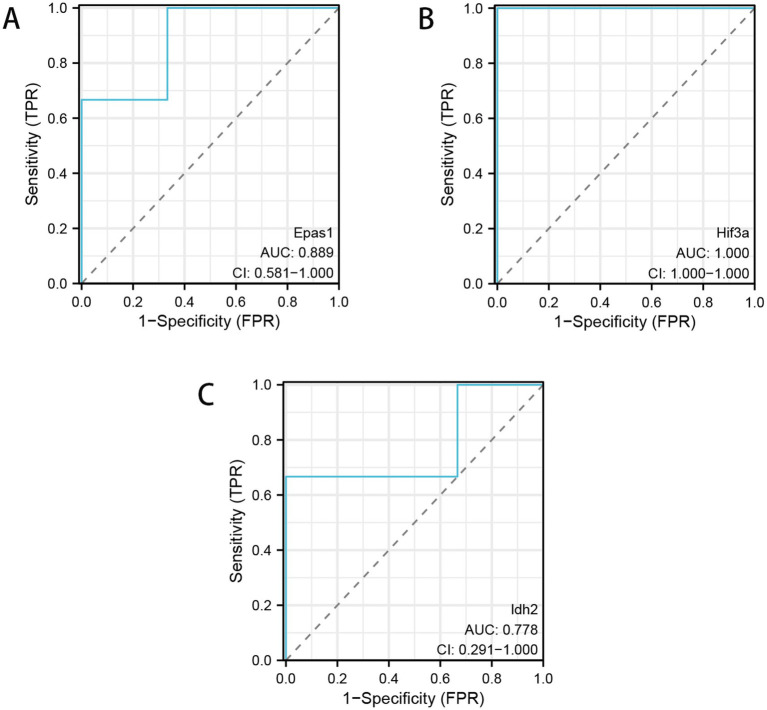 Figure 7
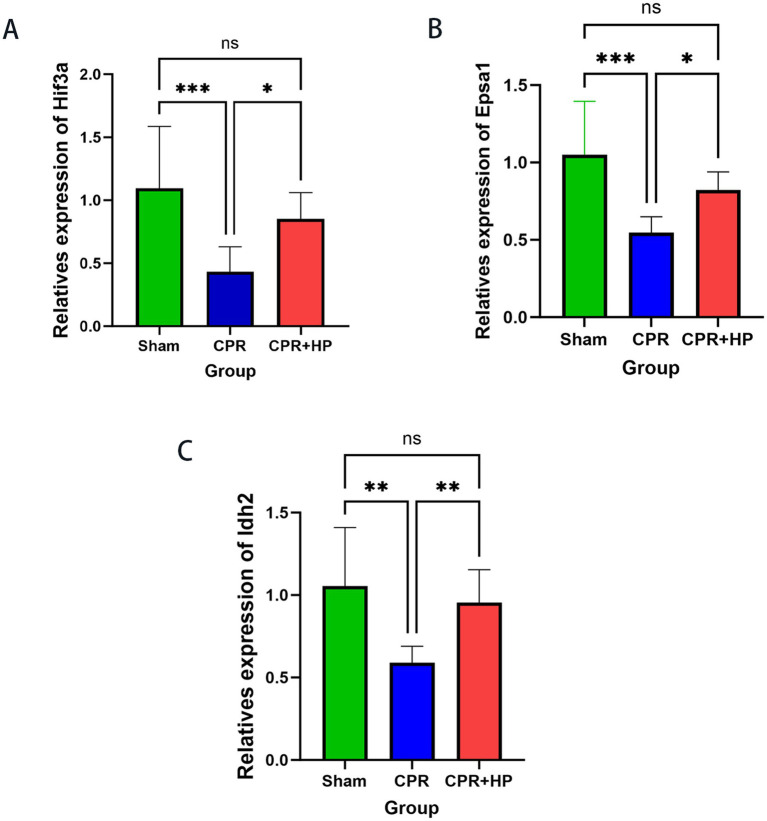 Figure 8
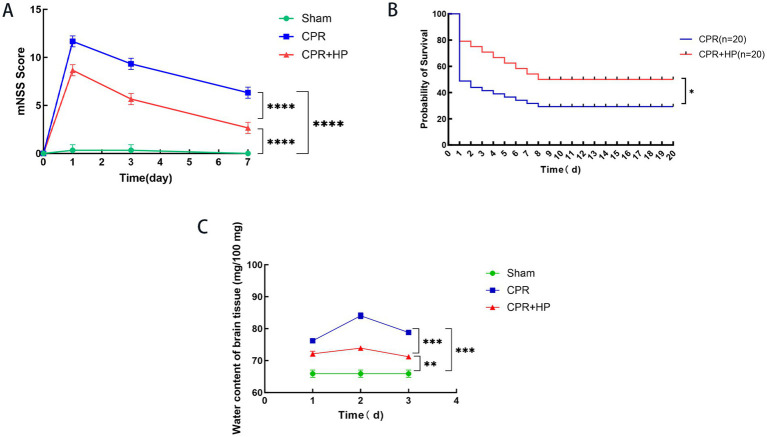 Figure 9
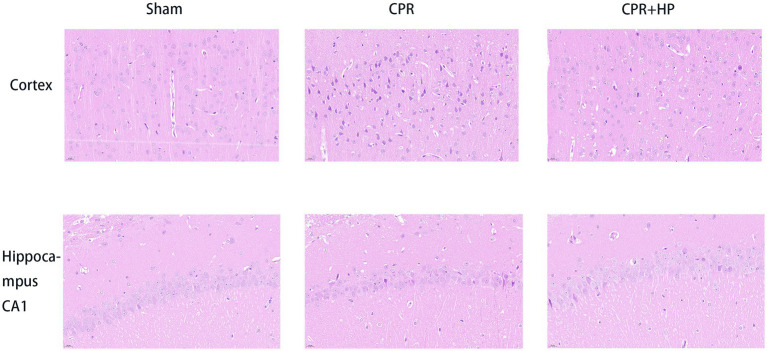 Figure 10
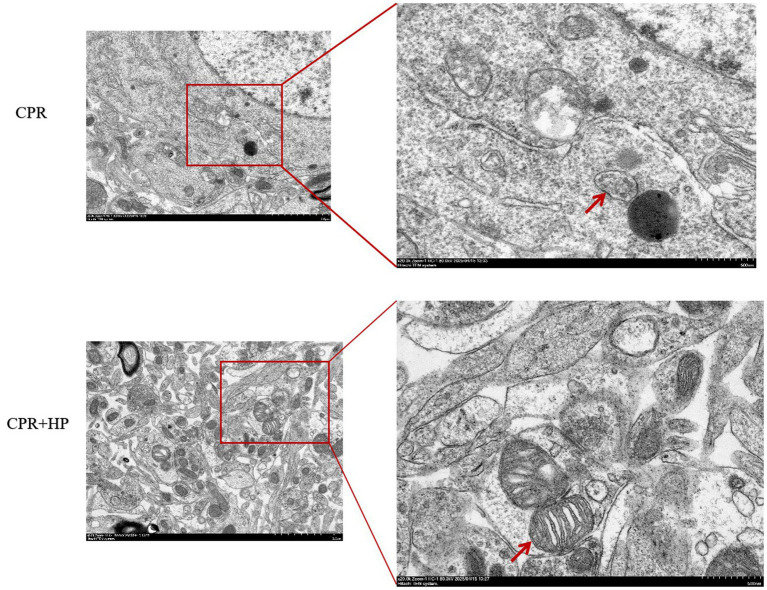 Figure 11
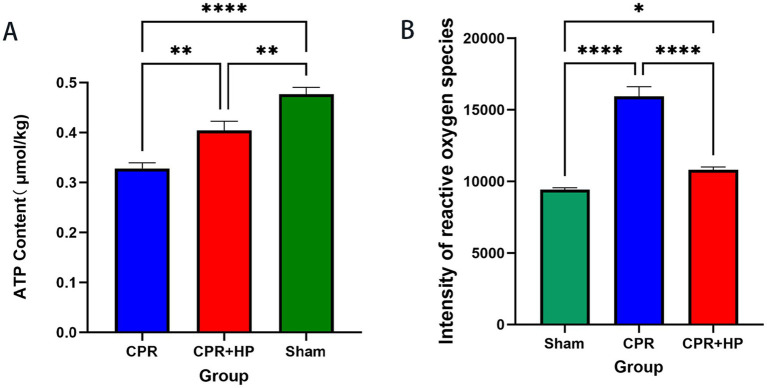 Figure 12
Peer Reviews
No public reviews on file for this paper yet. If you reviewed it on a platform where reviews are public (OpenReview, ICLR, NeurIPS, ICML), you can paste yours below so the community can read it here.
Videos
No videos yet. Explain this paper in a talk, walkthrough, or lecture? Add one.
Taxonomy
TopicsCardiac Arrest and Resuscitation · Traumatic Brain Injury and Neurovascular Disturbances · Cardiac Ischemia and Reperfusion