Glycyrrhiza glabra-Based Nasal Spray as a Novel Treatment for Chronic Rhinosinusitis with Nasal Polyps: Efficacy in Symptom Reduction and Epithelial-Mesenchymal Transition Modulation
Geng-He Chang, Pey-Jium Chang, Yu-Ching Cheng, Ching-Yuan Wu, Yao-Hsu Yang, Yu-Shih Lin, Cheng-Ming Hsu, Ming-Shao Tsai, Yao-Te Tsai, Pei-Rung Yang

TL;DR
A new nasal spray made from Glycyrrhiza glabra may help treat chronic rhinosinusitis with nasal polyps by reducing symptoms and reversing a key cellular process linked to the condition.
Contribution
A novel G. glabra-based nasal spray is proposed as a safe and effective treatment for CRSwNP through epithelial-mesenchymal transition modulation.
Findings
Significant improvement in symptom scores and visible reduction in nasal polyp size were observed.
Histopathological analysis showed reduced mesenchymal markers and increased epithelial markers, indicating EMT reversal.
No adverse effects were reported during treatment with the G. glabra nasal spray.
Abstract
Background: Chronic rhinosinusitis with nasal polyps (CRSwNP) is a chronic inflammatory condition that significantly impacts patients' quality of life, characterized by high recurrence rates and limited treatment efficacy. Standard therapies, including corticosteroid nasal sprays, saline irrigation, and endoscopic sinus surgery, often fail to provide sustained relief, highlighting the need for alternative therapeutic strategies. Glycyrrhiza glabra (G. glabra), a traditional herbal remedy with documented anti-inflammatory and immunomodulatory effects, has shown potential in modulating inflammation in various respiratory and inflammatory conditions. This study evaluates the efficacy and mechanism of a novel G. glabra-based nasal spray for CRSwNP treatment, focusing on its anti-inflammatory and epithelial-mesenchymal transition (EMT)-reversing effects. Methods: A total of 30 CRSwNP…
Genes, proteins, chemicals, diseases, species, mutations and cell lines named across the full text — each resolved to its canonical identifier and authoritative record.
Click any figure to enlarge with its caption.
 Figure 1
 Figure 2
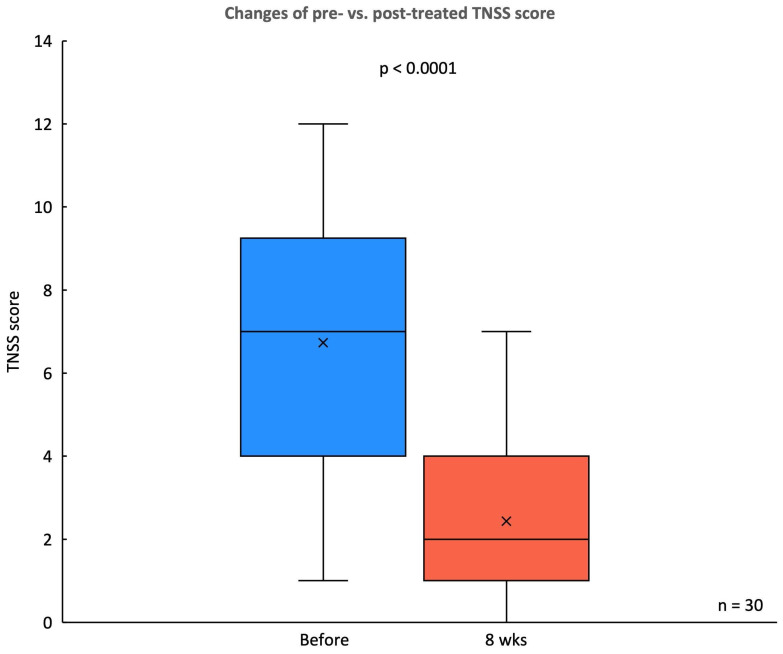 Figure 3
 Figure 4
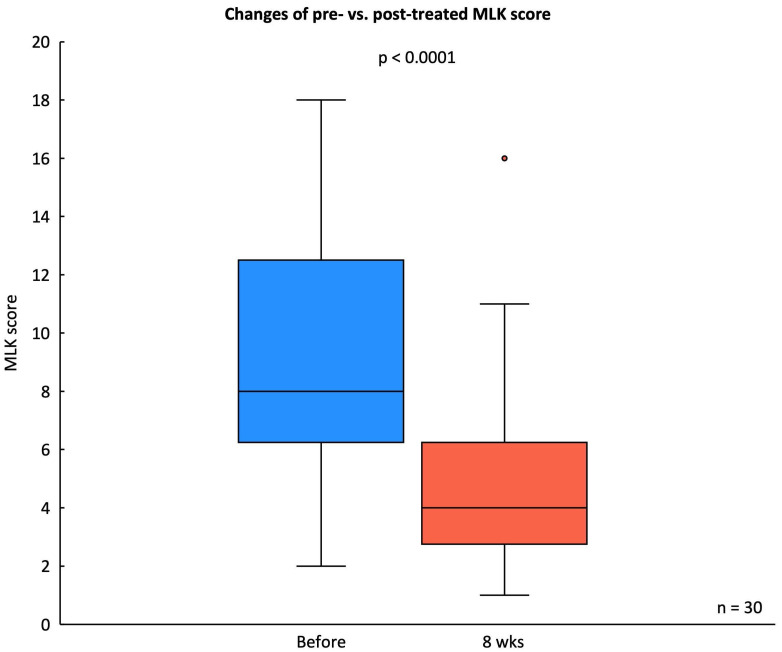 Figure 5
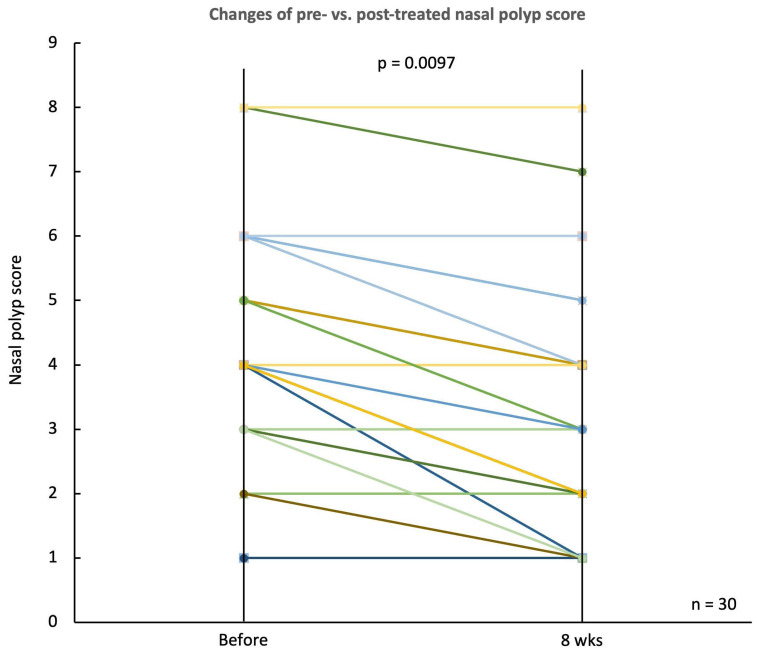 Figure 6
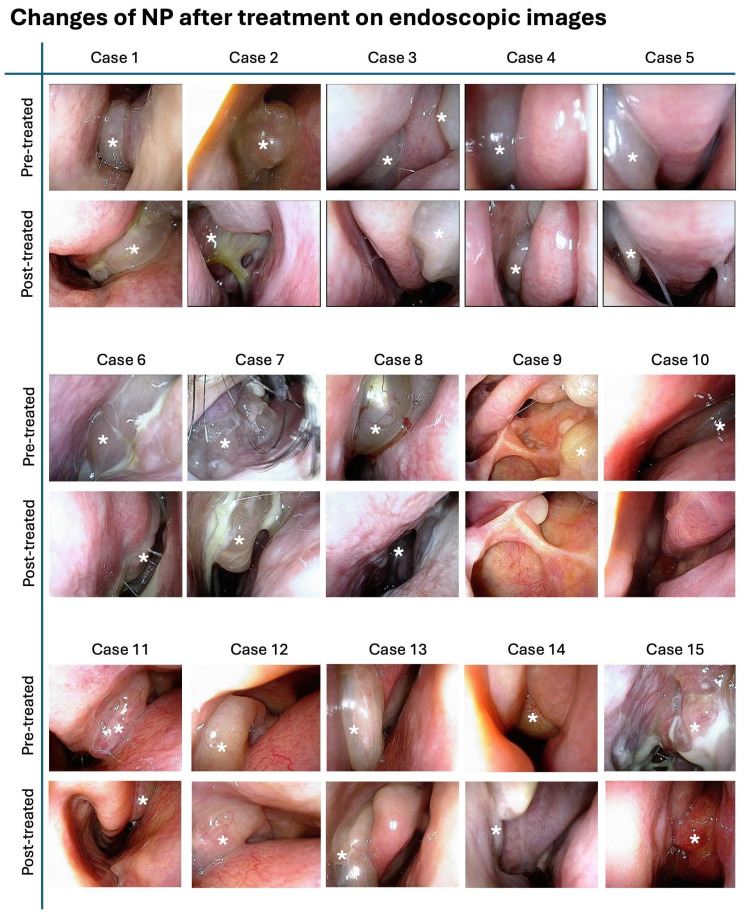 Figure 7
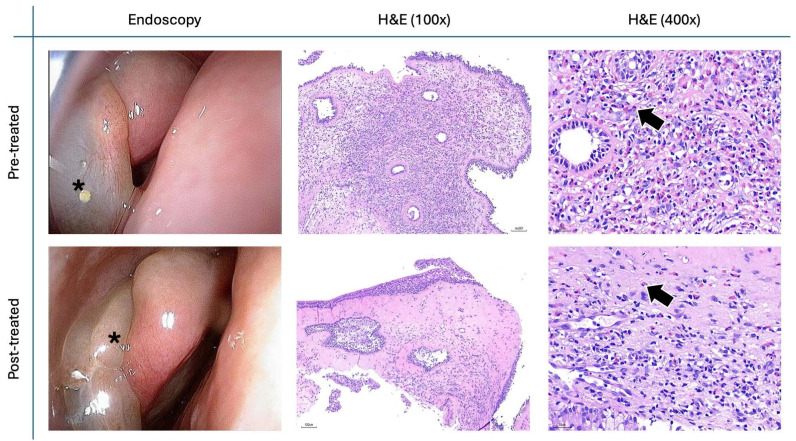 Figure 8
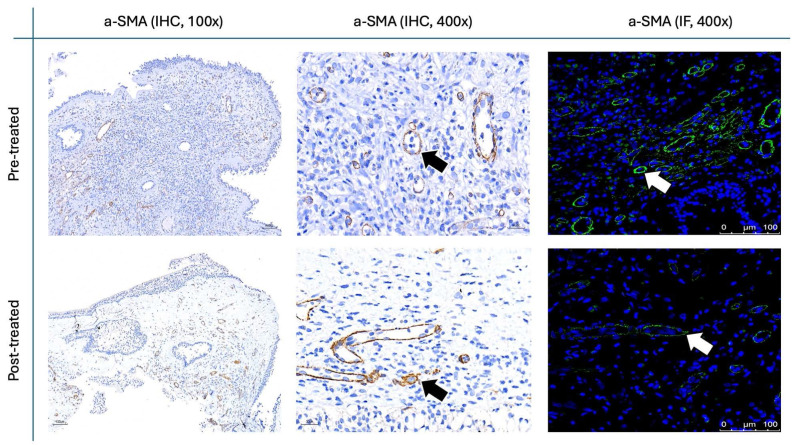 Figure 9
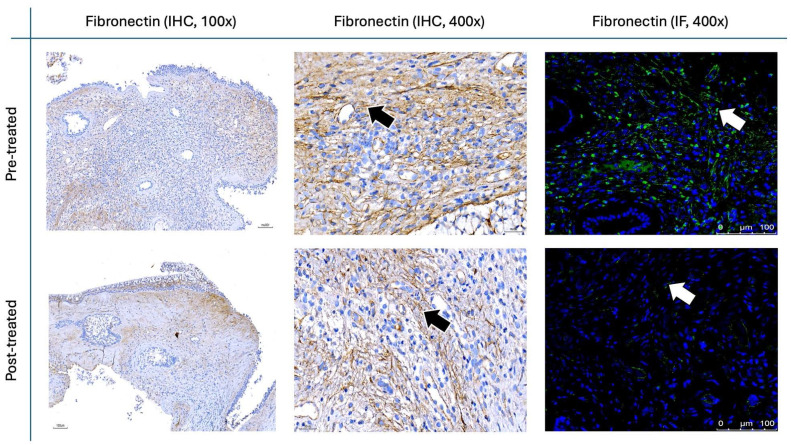 Figure 10
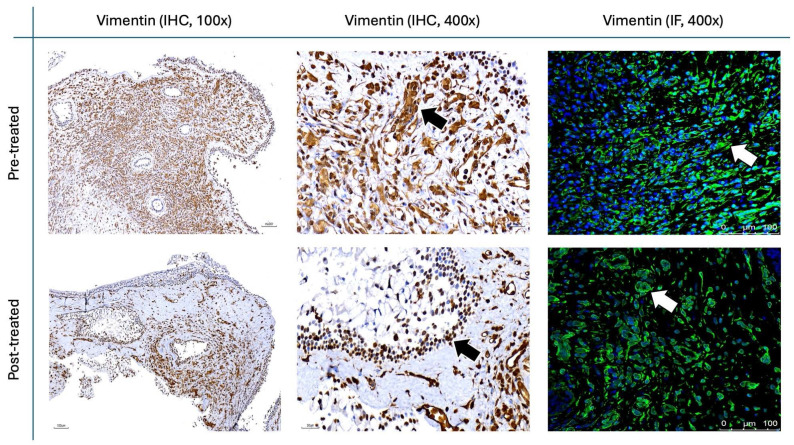 Figure 11
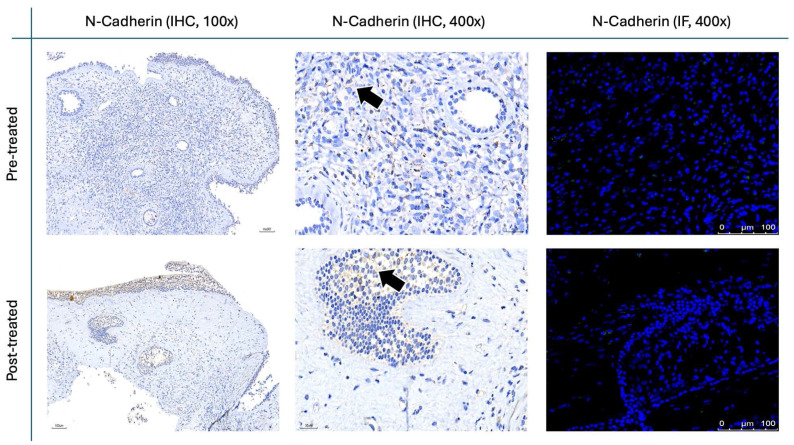 Figure 12
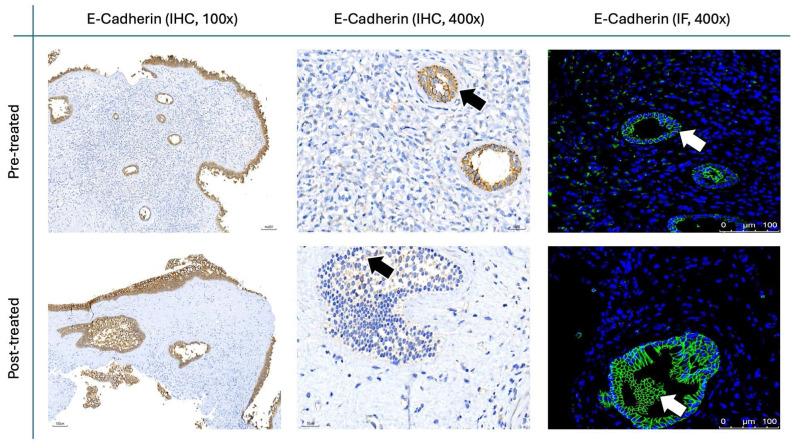 Figure 13
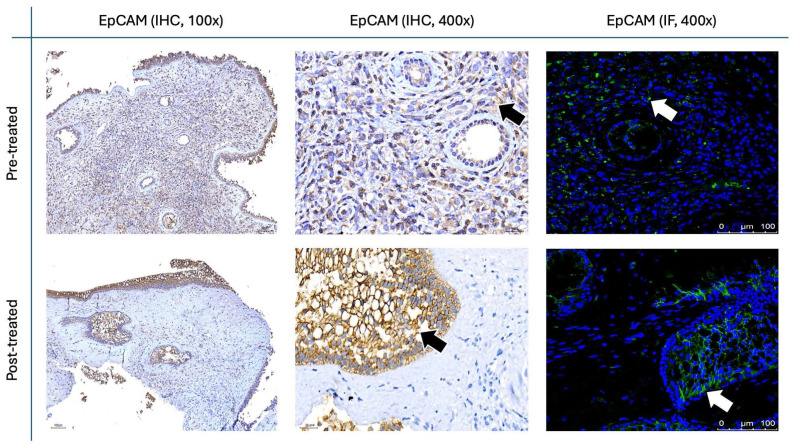 Figure 14
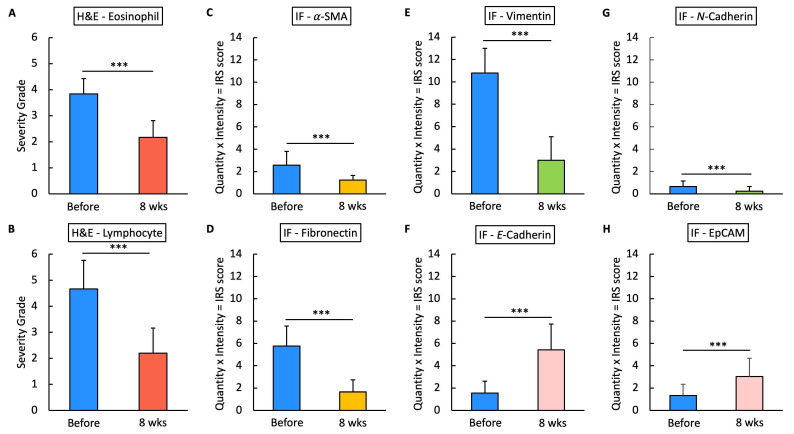 Figure 15
Peer Reviews
No public reviews on file for this paper yet. If you reviewed it on a platform where reviews are public (OpenReview, ICLR, NeurIPS, ICML), you can paste yours below so the community can read it here.
Videos
No videos yet. Explain this paper in a talk, walkthrough, or lecture? Add one.
Taxonomy
TopicsSinusitis and nasal conditions · Pharmacological Effects of Natural Compounds · Plant-based Medicinal Research