Stereoselective 15α-hydroxylation of androsta-1,4-diene-3,17-dione by Gibberella sp. for efficient production of 15α-OH-ADD and 15α-OH-AD
Ran He, Ming Song, Ruicheng Fu, Yueying Jin, Shi Li, Fuju Wang, Guogang Zhang, Yongbo Song, Weizhuo Xu

TL;DR
Researchers used Gibberella sp. to efficiently produce important steroid drug intermediates through selective hydroxylation.
Contribution
Gibberella sp. was optimized for high-yield stereoselective hydroxylation of ADD into pharmaceutical intermediates.
Findings
Gibberella sp. selectively produced 15α-OH-ADD and 15α-OH-AD from ADD with high efficiency.
Optimized conditions increased the transformation rate of ADD to 15α-OH-ADD from 30.35% to 61.74%.
Methanol as a cosolvent improved biotransformation efficiency in Gibberella sp.
Abstract
Androsta-1,4-diene-3,17-dione (ADD) and its hydroxylated derivatives are important steroidal drug intermediates, playing a crucial role in the pharmaceutical industry. This study evaluated the whole-cell biotransformation of ADD by Gibberella sp. CICC 2498 and Absidia sp. CICC 41050. While Absidia sp. showed low efficiency, Gibberella sp. selectively produced two major metabolites, identified as 15α-OH-ADD and 15α-OH-AD via HPLC, MS, and NMR. Through orthogonal design and single-factor experiments, the transformation rate of ADD to 15α-OH-ADD was enhanced from 30.35% to 61.74% under optimal conditions: 1 g L−1 ADD, 12% inoculum, 70 mL medium volume, 120 h incubation, and 1% (v/v) methanol as cosolvent. These results highlight Gibberella sp. as a promising biocatalyst for regio- and stereoselective steroid hydroxylation, providing an efficient microbial strategy for high-value steroidal…
Genes, proteins, chemicals, diseases, species, mutations and cell lines named across the full text — each resolved to its canonical identifier and authoritative record.
Click any figure to enlarge with its caption.
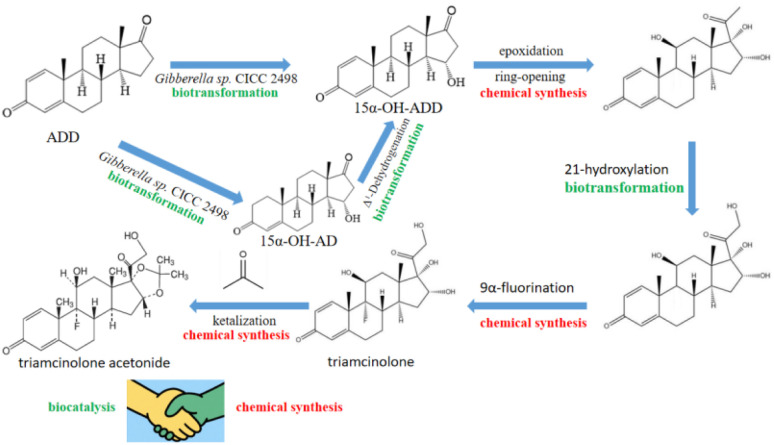 Figure 1
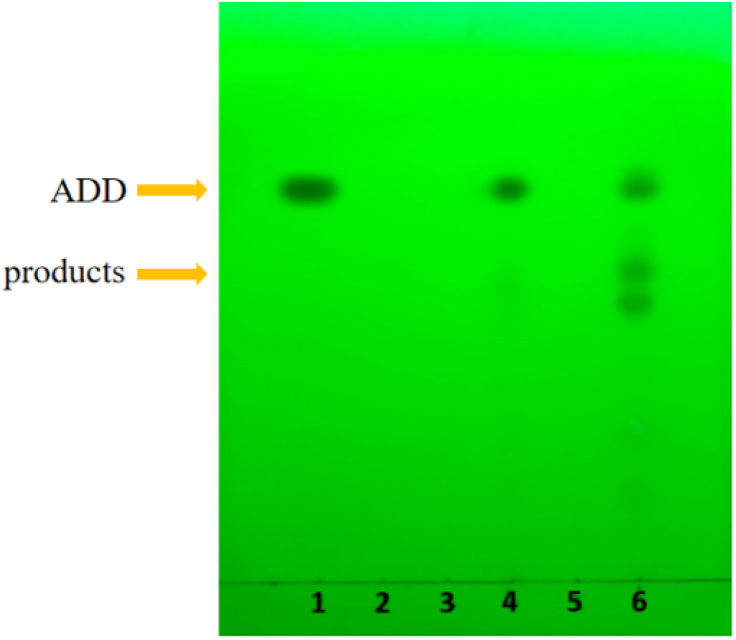 Figure 2
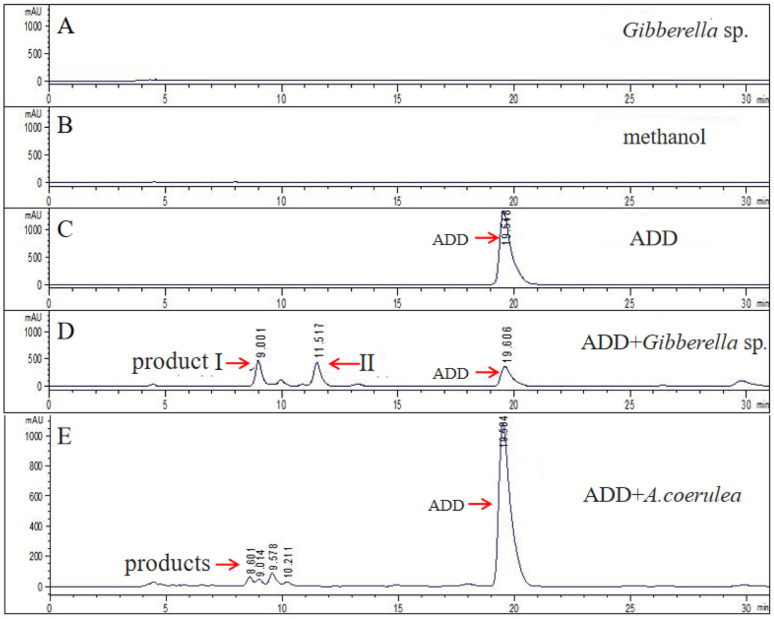 Figure 3
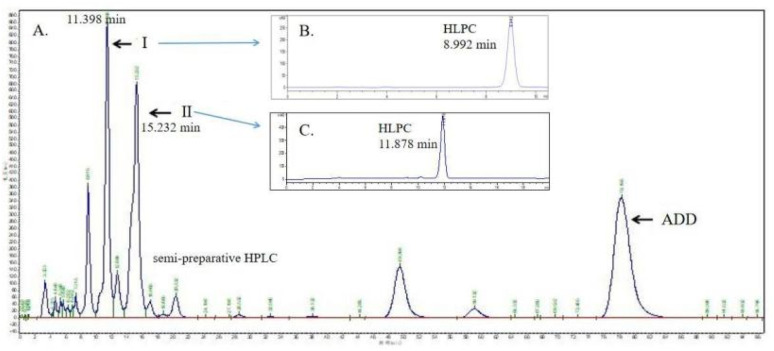 Figure 4
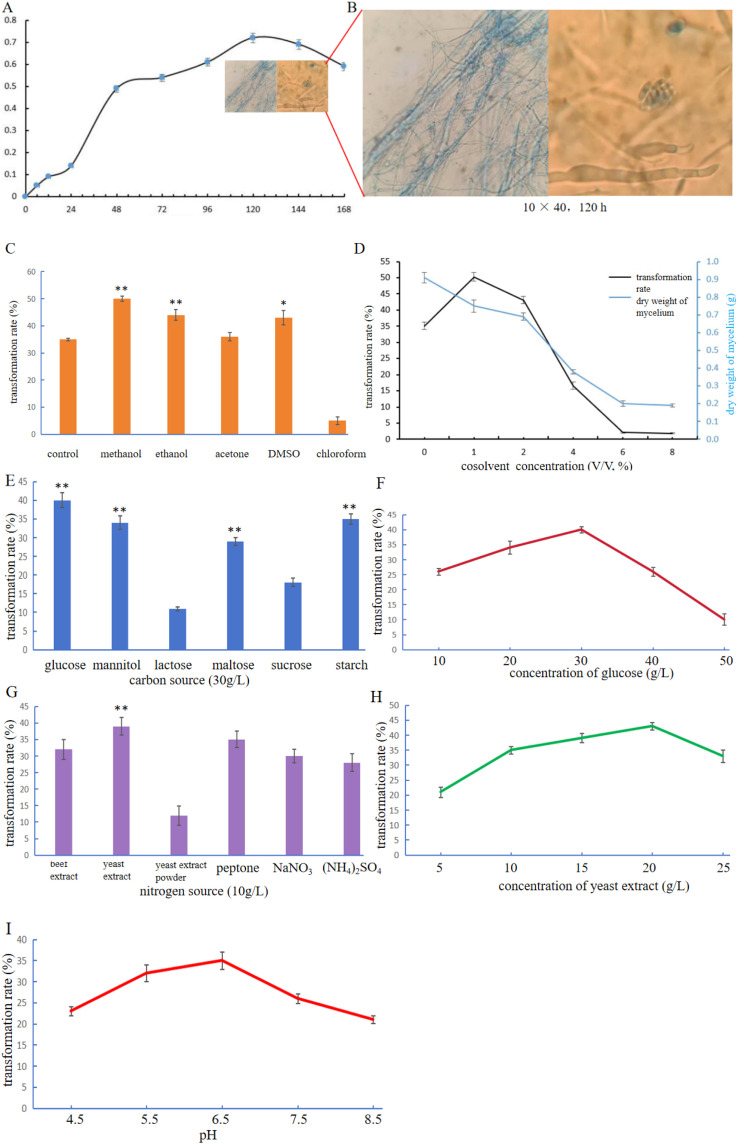 Figure 5
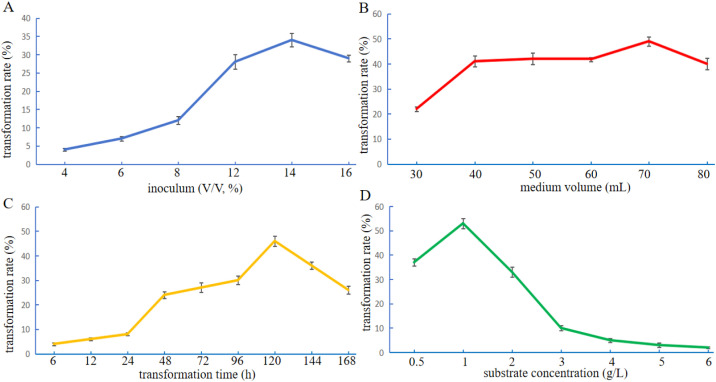 Figure 6
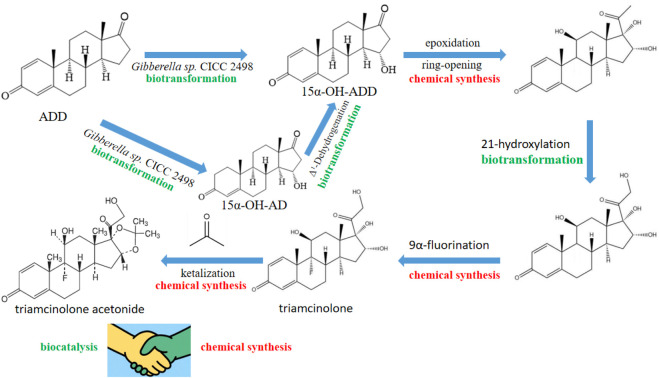 Figure 7
Peer Reviews
No public reviews on file for this paper yet. If you reviewed it on a platform where reviews are public (OpenReview, ICLR, NeurIPS, ICML), you can paste yours below so the community can read it here.
Videos
No videos yet. Explain this paper in a talk, walkthrough, or lecture? Add one.
Taxonomy
TopicsSteroid Chemistry and Biochemistry · Estrogen and related hormone effects · Enzyme Catalysis and Immobilization