Molecularly Imprinted Polymer-Based Electrogenerated Chemiluminescence Sensor for Sensitive and Selective Fentanyl Detection
Arati Biswakarma, Wujian Miao

TL;DR
A new sensor using molecularly imprinted polymers detects fentanyl with high sensitivity and selectivity.
Contribution
A novel MIP-based ECL sensor for ultrasensitive fentanyl detection with optimized fabrication and specificity.
Findings
The sensor achieved a detection limit of ∼1 μM (3.4 ng in 10 μL).
It showed three linear response regions spanning 1.0–70.0 μM fentanyl.
The sensor demonstrated high reproducibility and specificity against similar compounds.
Abstract
The escalating prevalence of fentanyl, a highly potent synthetic opioid responsible for rising overdose fatalities and public health crises, underscores the critical need for sensitive and selective detection methodologies. Herein, we report a molecularly imprinted polymer (MIP)-based electrogenerated chemiluminescence (ECL) sensor for ultrasensitive and selective quantification of fentanyl. The sensor was fabricated by electropolymerizing 4-aminobenzoic acid (4-ABA) on a glassy carbon electrode (GCE) in the presence of fentanyl as the template, followed by template elution to yield recognition nanocavities within the MIP film. ECL signal transduction was achieved through the anodic coreactant pathway, wherein fentanyl (as the coreactant) bound within the MIP cavities reacted with solution-phase [Ru(bpy)3]2+ (as the ECL emitter) in phosphate buffer (pH 7.5) during anodic scans from 0…
Genes, proteins, chemicals, diseases, species, mutations and cell lines named across the full text — each resolved to its canonical identifier and authoritative record.
Click any figure to enlarge with its caption.
 Figure 1
 Figure 2
 Figure 3
 Figure 4
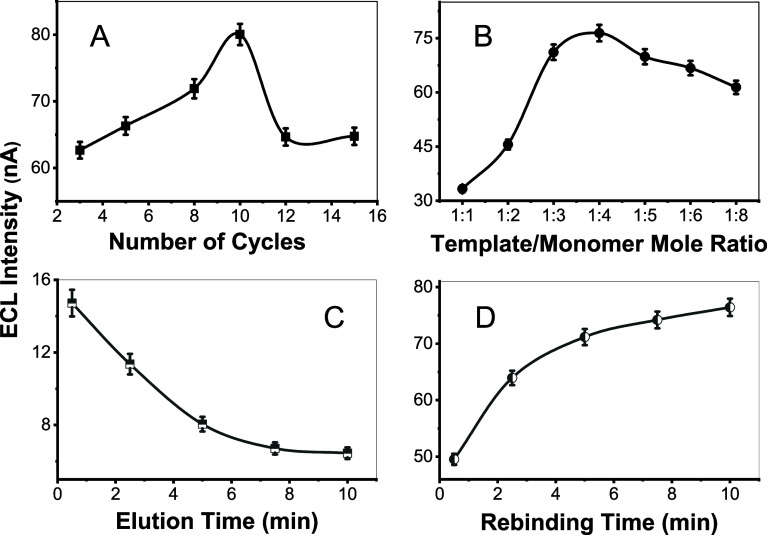 Figure 5
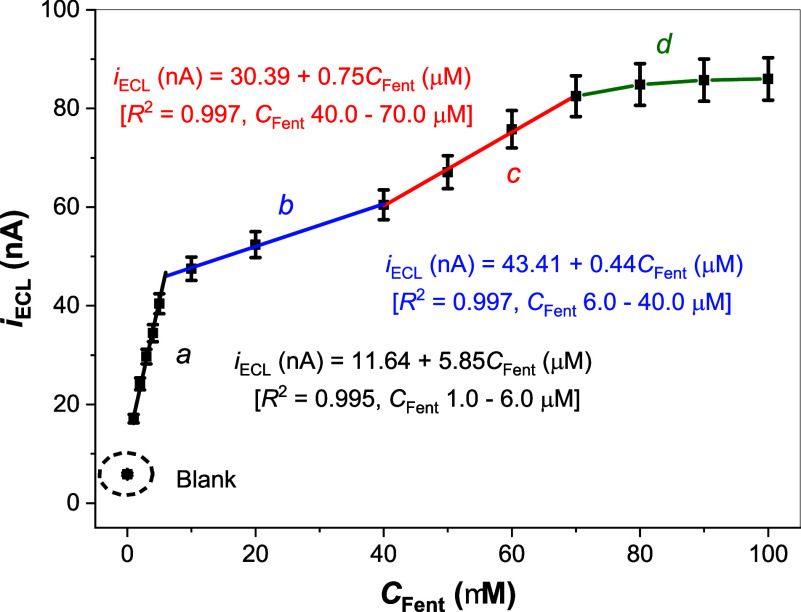 Figure 6
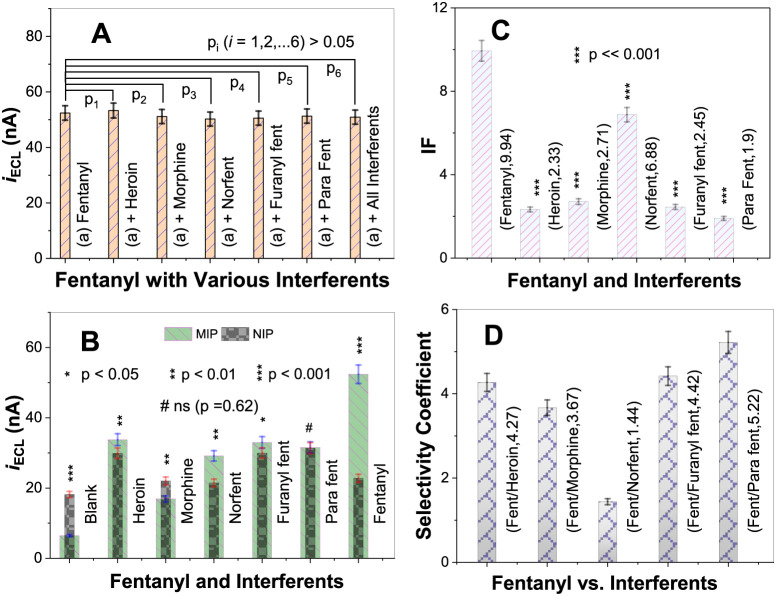 Figure 7
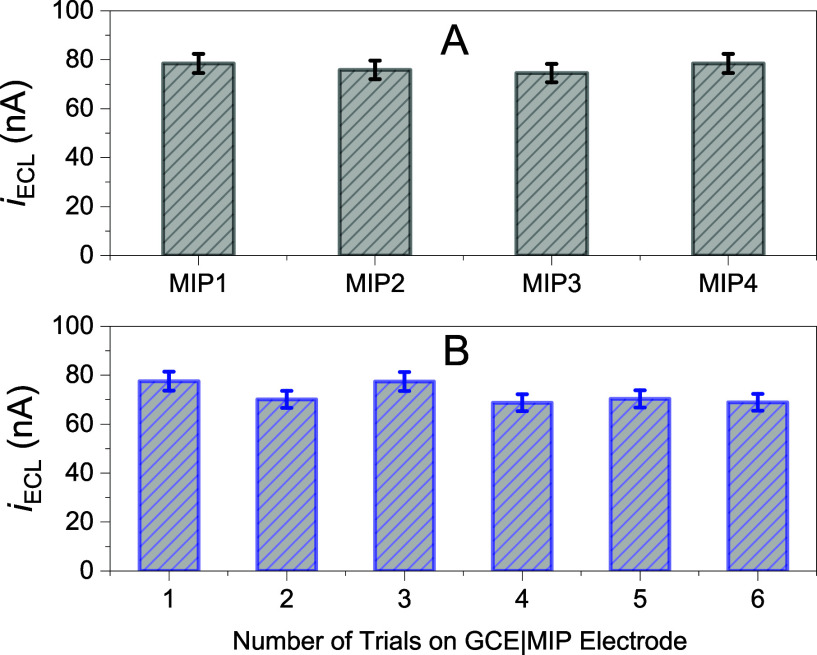 Figure 8
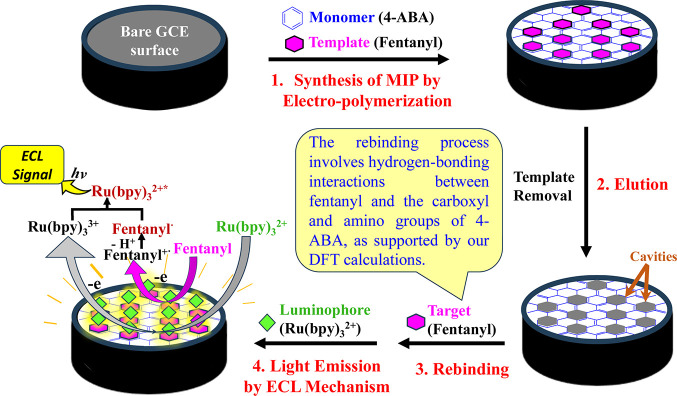 Figure 9
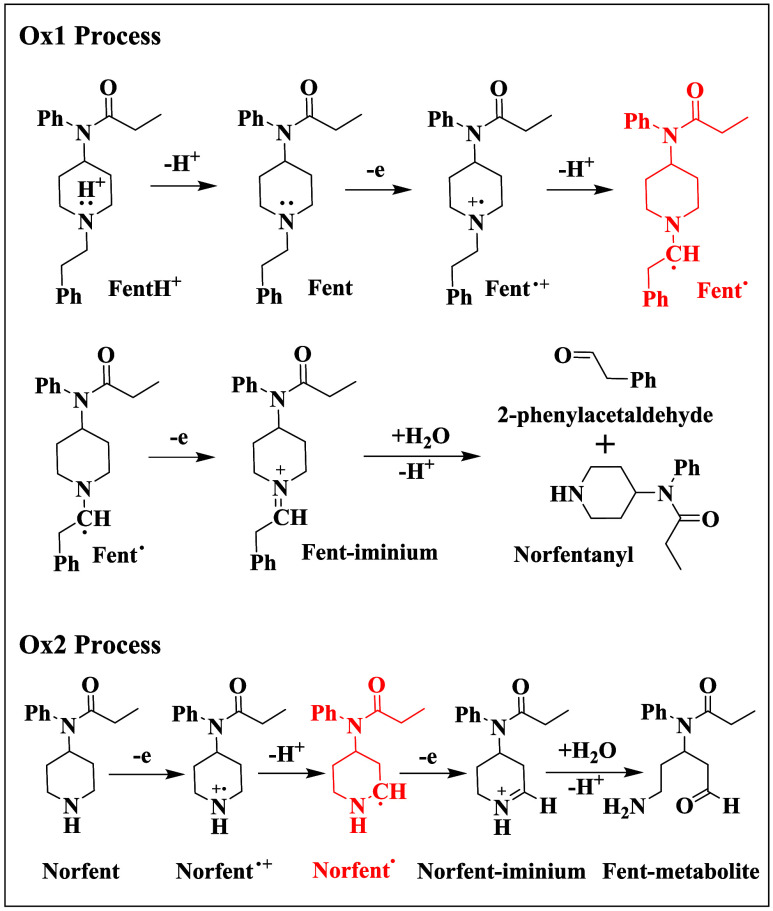 Figure 10
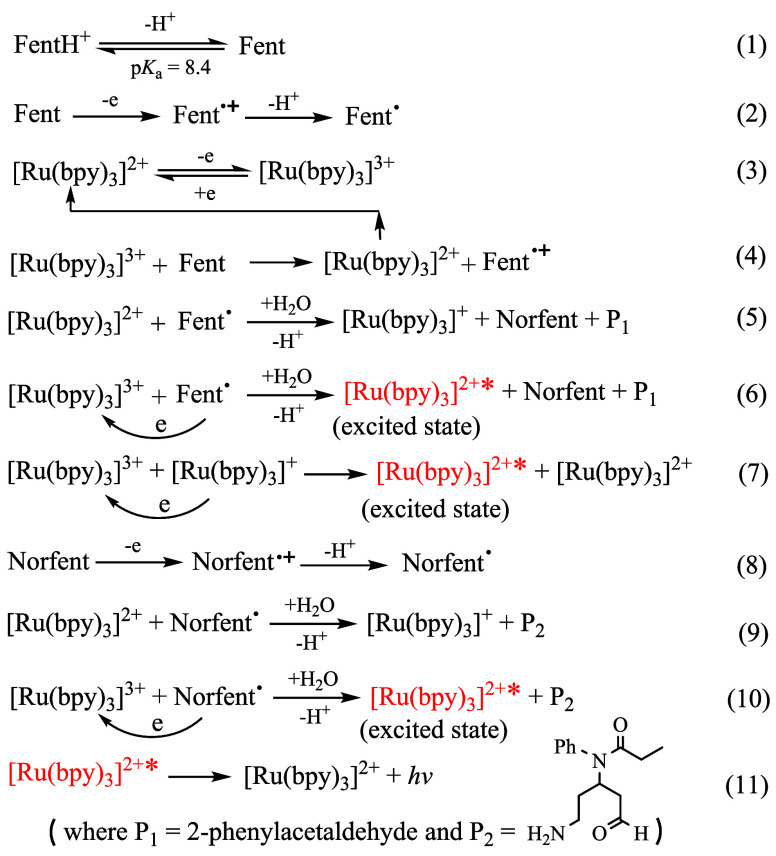 Figure 11
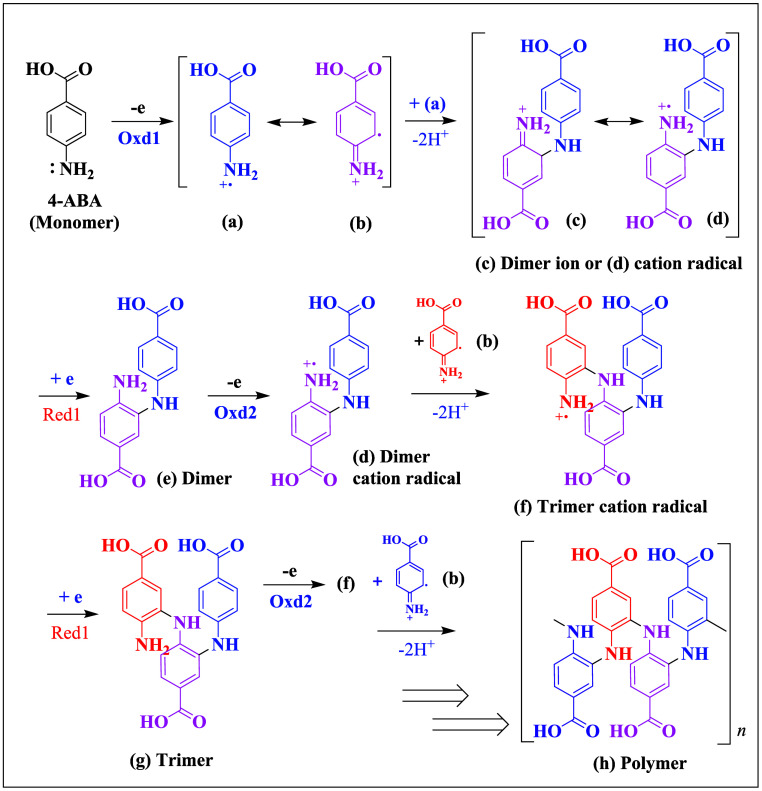 Figure 12
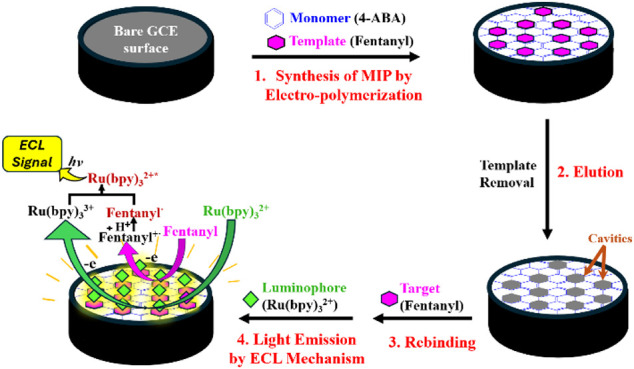 Figure 13
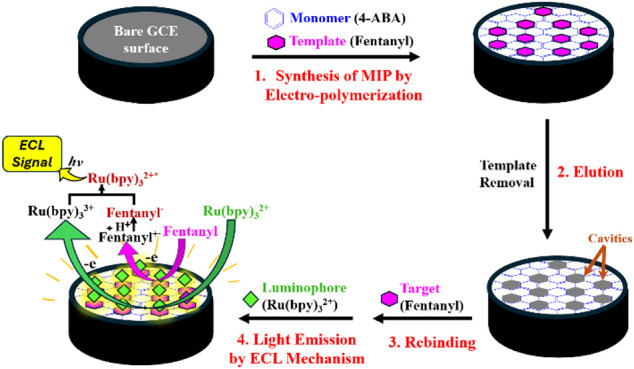 Figure 14
 Figure 15
 Figure 16
 Figure 17
 Figure 18
Peer Reviews
No public reviews on file for this paper yet. If you reviewed it on a platform where reviews are public (OpenReview, ICLR, NeurIPS, ICML), you can paste yours below so the community can read it here.
Videos
No videos yet. Explain this paper in a talk, walkthrough, or lecture? Add one.
Taxonomy
TopicsForensic Toxicology and Drug Analysis · Analytical chemistry methods development · Electrochemical sensors and biosensors