Acoustofluidic Plasmapheresis System Designed for Ultralow Blood Volume Applications
Amal Nath, Sara Marie Larsson, Andreas Lenshof, Wei Qiu, Thierry Baasch, Linda Nilsson, Thomas Thymann, Stanislava Pankratova, Magnus Gram, David Ley, Thomas Laurell

TL;DR
A new acoustofluidic system enables efficient plasma separation from very small blood volumes, ideal for neonatal care.
Contribution
An integrated acoustofluidic plasmapheresis system for ultralow blood volumes with high purity and throughput.
Findings
The system achieves 27.5 μL/min plasma generation with ∼100% cell removal.
It operates effectively with hematocrit levels up to 50%, typical in neonates.
The system outperforms previous methods in purity, throughput, and minimal sample volume.
Abstract
We present an integrated acoustofluidic plasmapheresis system designed for ultralow blood volume applications, such as neonatal care, enabling in-line sampling and plasma separation from whole blood. The system combines a two-stage acoustophoresis chip with microperistaltic pumps and PDMS-based flow pulsation dampeners to ensure continuous, stable operation. The input whole blood is acoustically separated into a cell-free plasma fraction and a returnable cell fraction, enabling closed-loop operation for neonates who have a circulating blood volume as low as 50 mL. The system achieves a plasma generation rate of 27.5 μL/min with ∼100% cell removal, outperforming previous microfluidic plasma separation approaches in terms of purity, throughput, and minimal sample volume. Plasma quality was validated by quantifying hemolysis and residual cellular content, while system robustness was…
Genes, proteins, chemicals, diseases, species, mutations and cell lines named across the full text — each resolved to its canonical identifier and authoritative record.
Click any figure to enlarge with its caption.
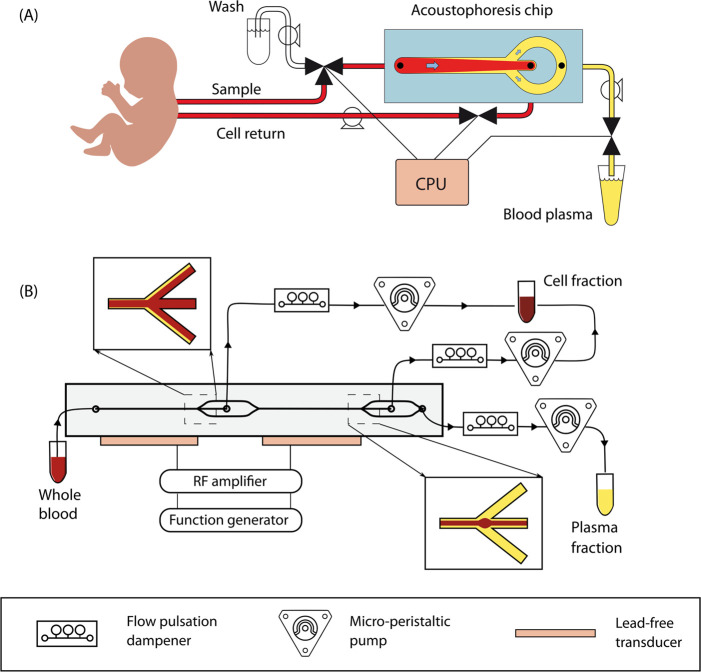 Figure 1
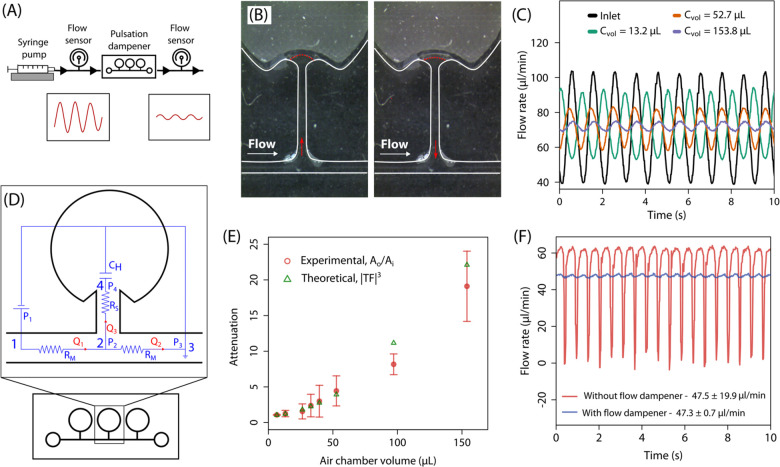 Figure 2
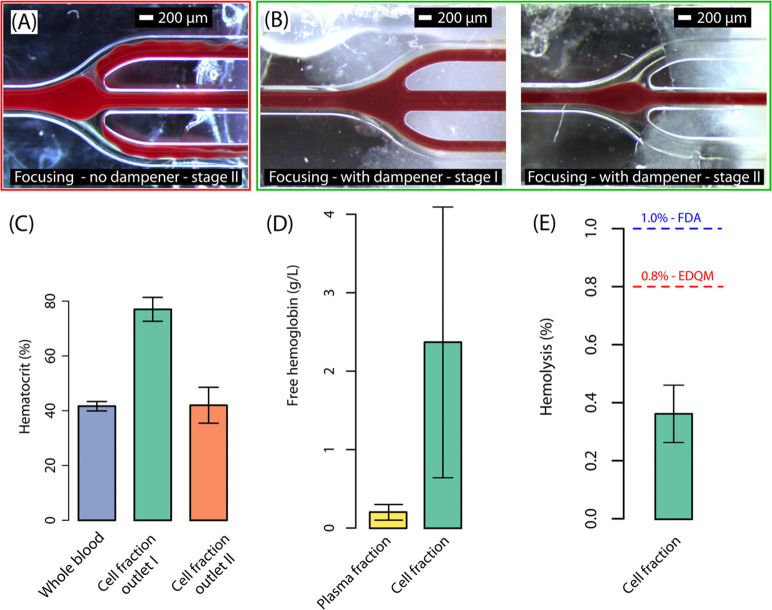 Figure 3
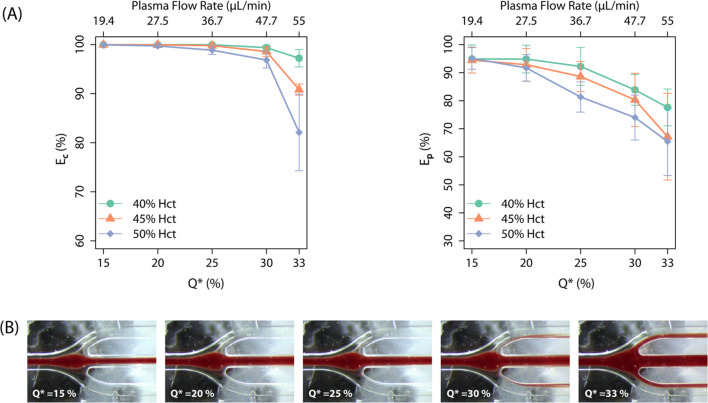 Figure 4
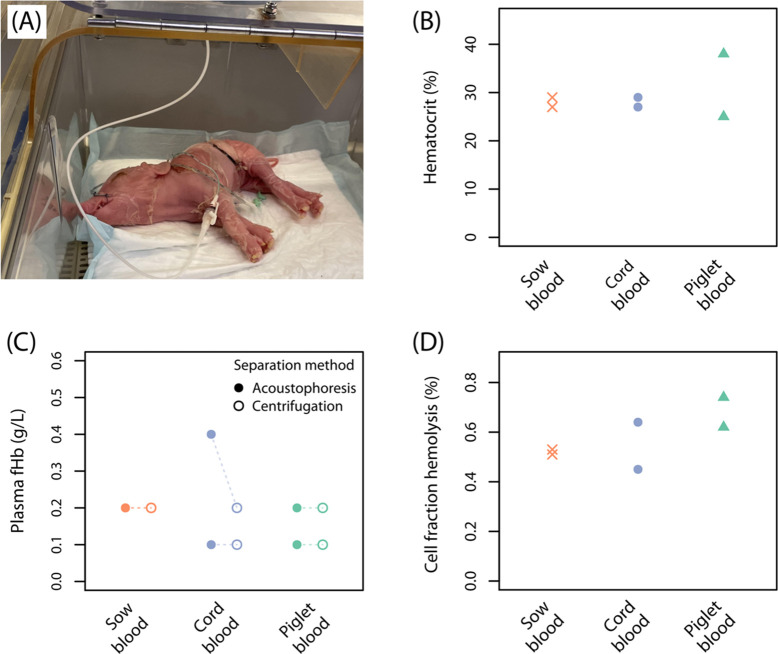 Figure 5
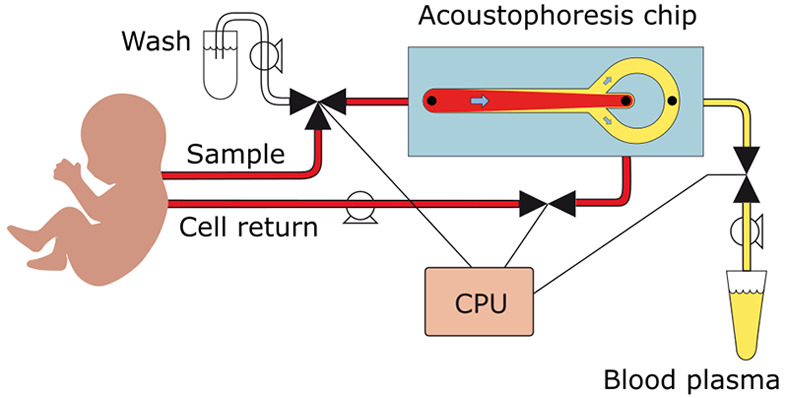 Figure 6
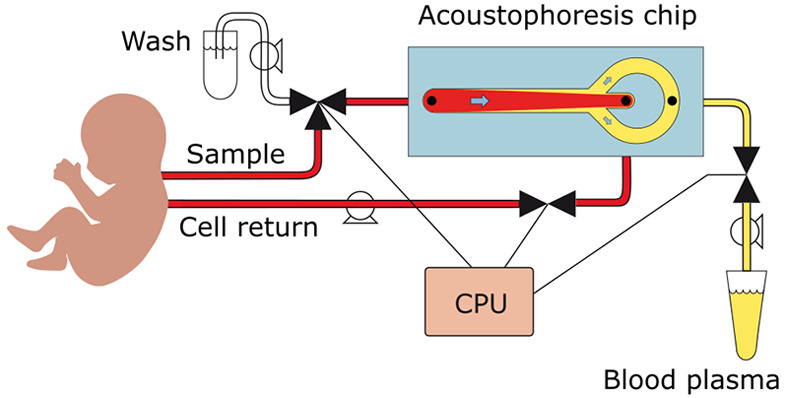 Figure 7
 Figure 8
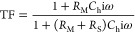 Figure 9
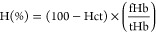 Figure 10
 Figure 11
Peer Reviews
No public reviews on file for this paper yet. If you reviewed it on a platform where reviews are public (OpenReview, ICLR, NeurIPS, ICML), you can paste yours below so the community can read it here.
Videos
No videos yet. Explain this paper in a talk, walkthrough, or lecture? Add one.
Taxonomy
TopicsMicrofluidic and Bio-sensing Technologies · Microfluidic and Capillary Electrophoresis Applications · Micro and Nano Robotics