Self-Adhesive Mask and Homemade Carbon Ink: Turning Unusable Screen-Printed Electrodes into a New Voltammetric Sensor
Gabriel Chitolina-Rodrigues, Adriano Rogerio Silva Lima, Duane Bortot, Caio Raphael Vanoni, Cristiane Luisa Jost, Habdias de Araujo Silva-Neto

TL;DR
This paper introduces a sustainable method to reuse disposable carbon electrodes, extending their life and enabling accurate chemical detection.
Contribution
A novel stencil-printing approach to recover and reuse unusable screen-printed carbon electrodes.
Findings
Recovered electrodes (Re-SPCEs) showed similar morphology and catalytic ability to new SPCEs.
Dopamine and tryptophan were successfully detected with low limits of detection in real samples.
The method effectively extends the life cycle of disposable SPCEs.
Abstract
Screen-printed carbon electrodes (SPCEs) are widely employed in sensing due to their low cost, especially the model DRP-110. However, their disposable nature limits their long-term applications. In this work, we present a sustainable methodology for recovering the electrode model DRP-110-U75. Unusable SPCEs were made usable again after employing a stencil-printing approach. After recuperating the electrodes (Re-SPCE), characterization experiments upon the Re-SPCEs have indicated similar morphological aspects and catalytic ability when compared to as-purchased SPCEs. As a proof of concept, voltammetric analysis of dopamine (DOP) in artificial urine and tryptophan (TRP) in supplement capsules was successfully employed, exhibiting limits of detection of 2.15 and 0.2 μmol L–1 for DOP and TRP, respectively. These results confirm that the proposed method can extend the life cycle of SPCEs.
Genes, proteins, chemicals, diseases, species, mutations and cell lines named across the full text — each resolved to its canonical identifier and authoritative record.
Click any figure to enlarge with its caption.
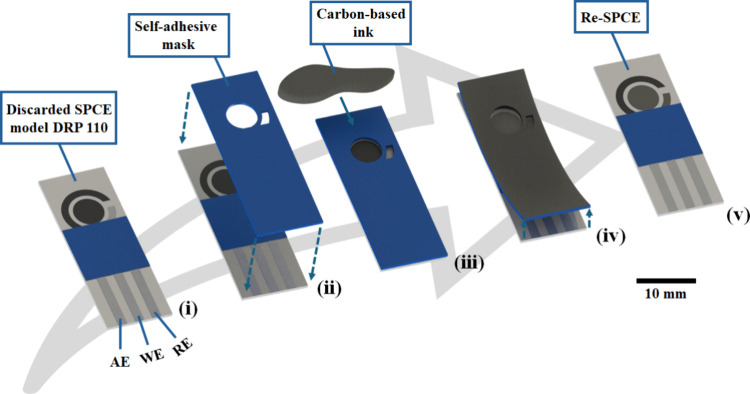 Figure 1
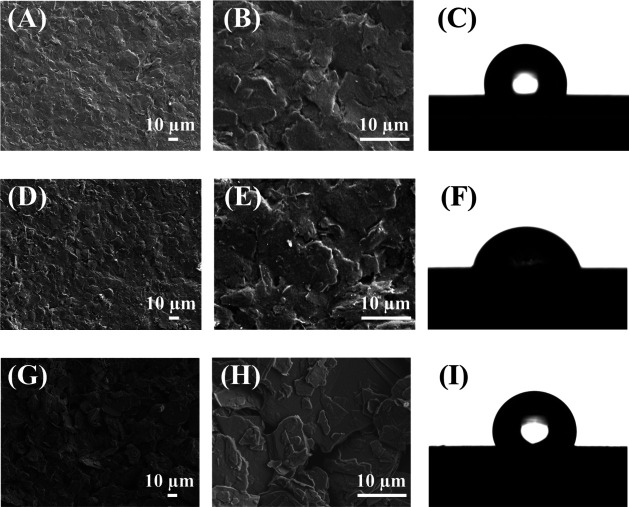 Figure 2
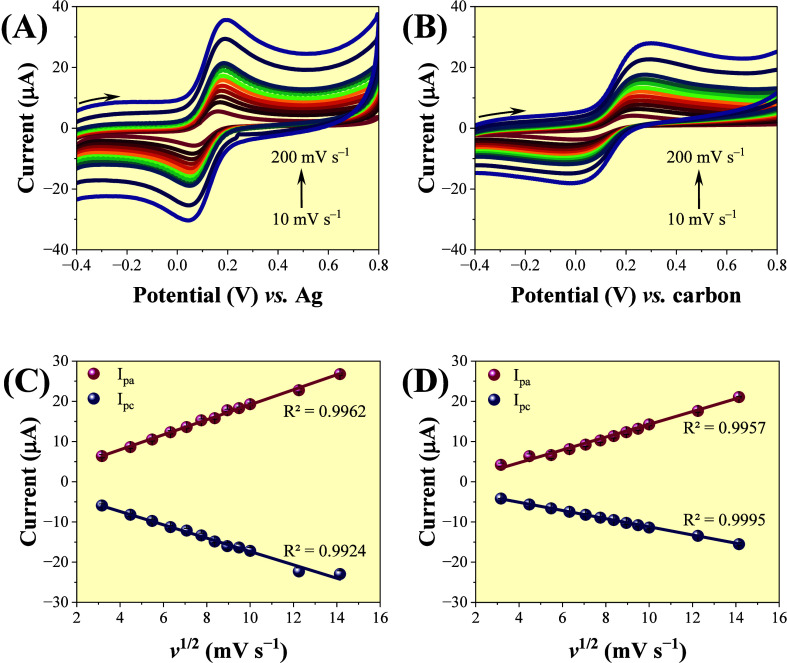 Figure 3
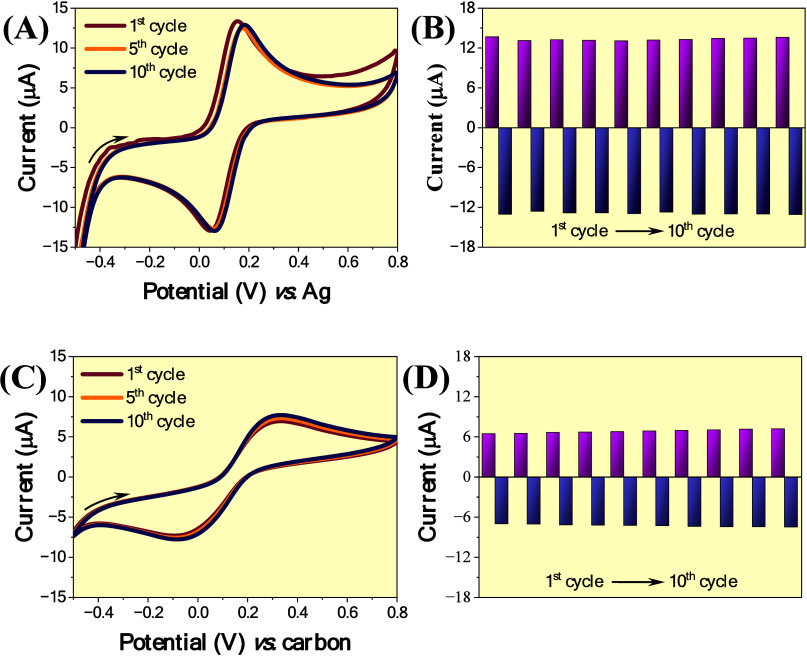 Figure 4
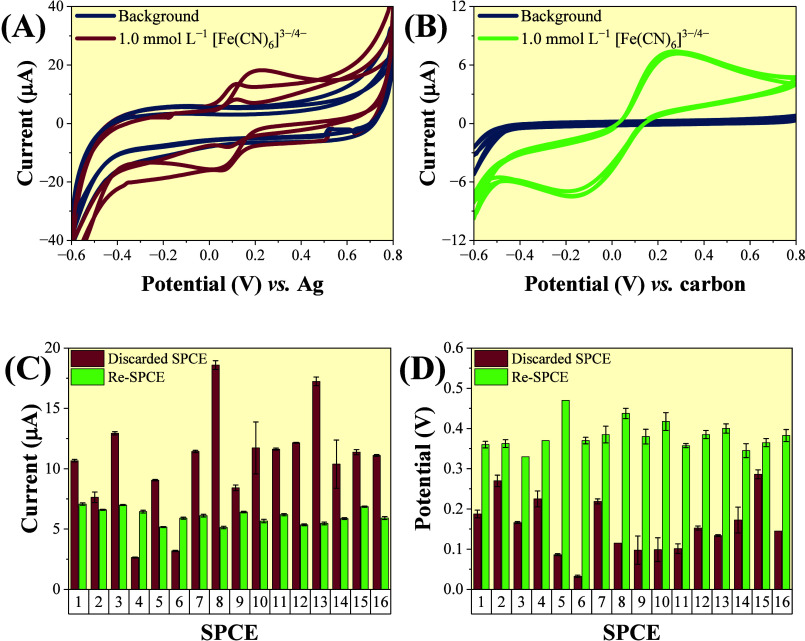 Figure 5
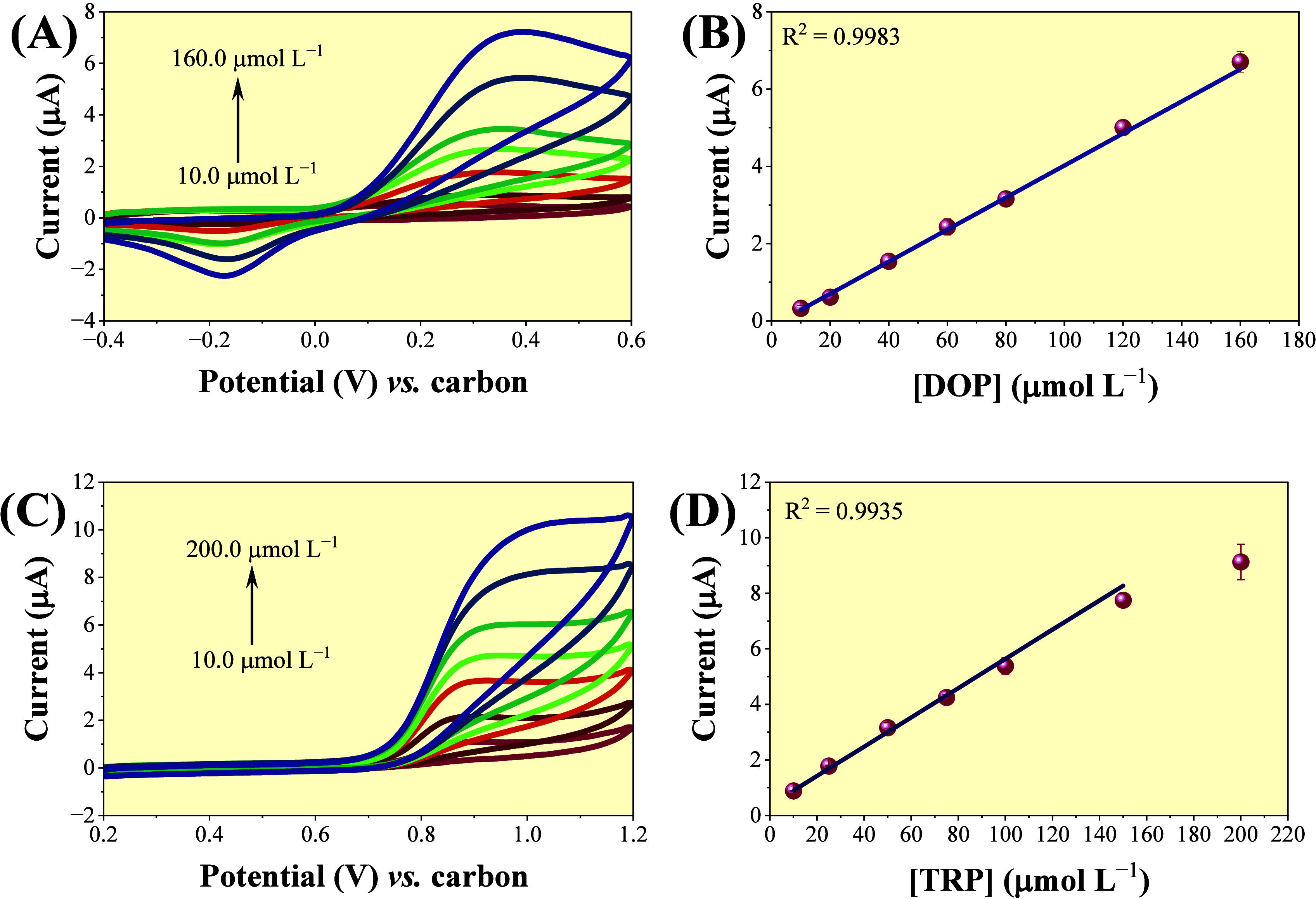 Figure 6
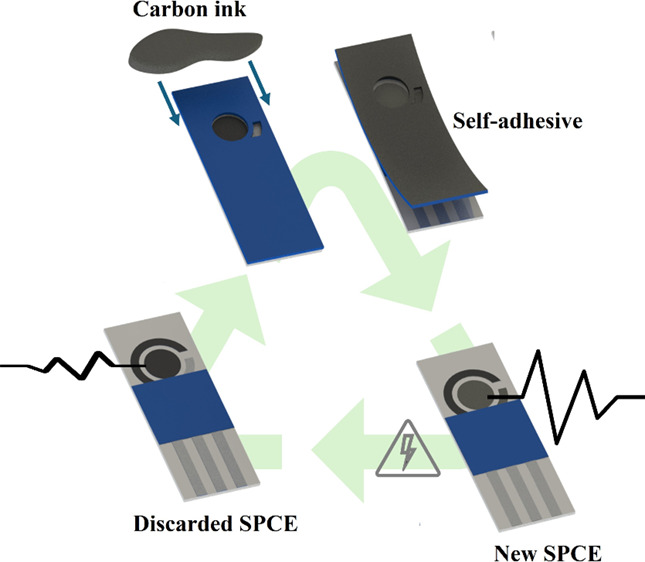 Figure 7
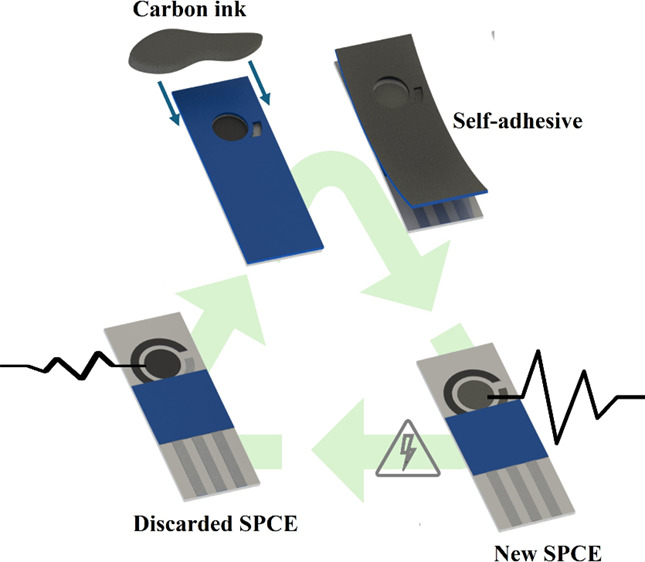 Figure 8
 Figure 9
Peer Reviews
No public reviews on file for this paper yet. If you reviewed it on a platform where reviews are public (OpenReview, ICLR, NeurIPS, ICML), you can paste yours below so the community can read it here.
Videos
No videos yet. Explain this paper in a talk, walkthrough, or lecture? Add one.
Taxonomy
TopicsElectrochemical sensors and biosensors · Biosensors and Analytical Detection · Electrochemical Analysis and Applications