Efficient 2G Ethanol Production via Optimized Dilute Acid Pretreatment, High-Solids Enzymatic Hydrolysis, and High-Temperature Fermentation
Isabela S. Ferreira, Miguel A. D. Flores-Alarcón, Inês C. Roberto

TL;DR
This paper presents an efficient process for producing second-generation ethanol using optimized pretreatment, high-solids hydrolysis, and high-temperature fermentation.
Contribution
The study introduces an optimized dilute acid pretreatment and high-solids enzymatic hydrolysis process for rice straw, leading to high ethanol yields.
Findings
Optimized dilute acid pretreatment produced a cellulose-rich solid with 58.2% w/w cellulose.
High-solids enzymatic hydrolysis achieved a 78.6% cellulose conversion yield and 129 g/L fermentable sugars.
Fermentation with Kluyveromyces marxianus at 43°C achieved a high ethanol titer of 37 g/L.
Abstract
The growing demand for 2G ethanol emphasizes the need to improve its economic sustainability through different approaches, including optimized pretreatments, high-solids enzymatic hydrolysis, and high-temperature fermentation. This study evaluated the dilute acid pretreatment of deacetylated rice straw using the response surface methodology. Under optimal conditions (85 mg of H2SO4/g biomass, for 10 min at a constant temperature of 150 °C), the process was scaled up to an 80 L reactor, obtaining a cellulose-rich (58.2% w/w) pretreated solid. Then, high-solids enzymatic hydrolysis at 24% w/v solids loading was performed in a vertical ball mill (VBM) reactor in fed-batch mode, resulting in a hydrolysate of 129 g/L of fermentable sugars, which corresponded to a cellulose conversion yield (CCY) of 78.6%. Finally, the effect of nutritional supplementation of the obtained slurry and…
Genes, proteins, chemicals, diseases, species, mutations and cell lines named across the full text — each resolved to its canonical identifier and authoritative record.
Click any figure to enlarge with its caption.
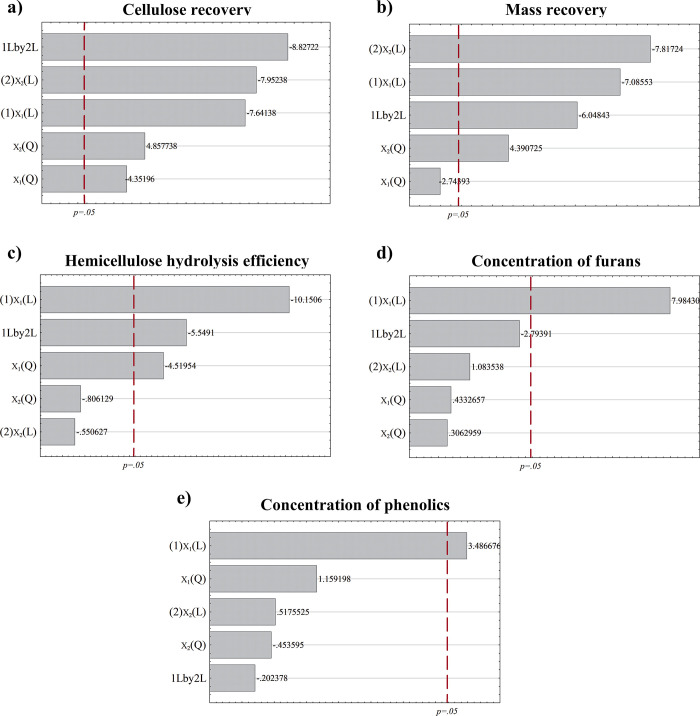 Figure 1
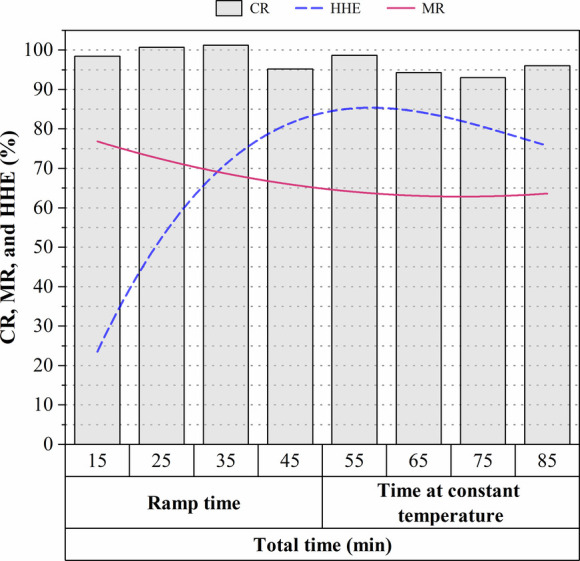 Figure 2
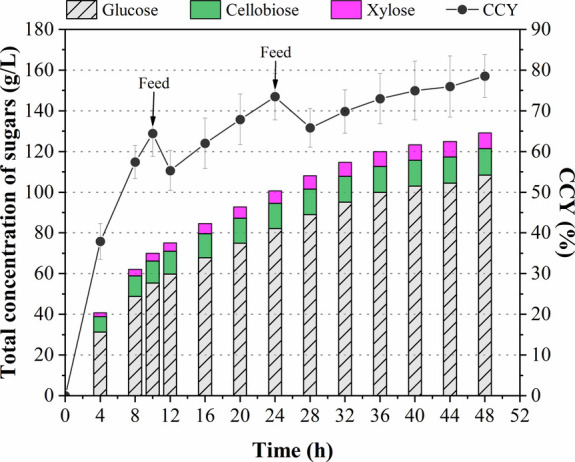 Figure 3
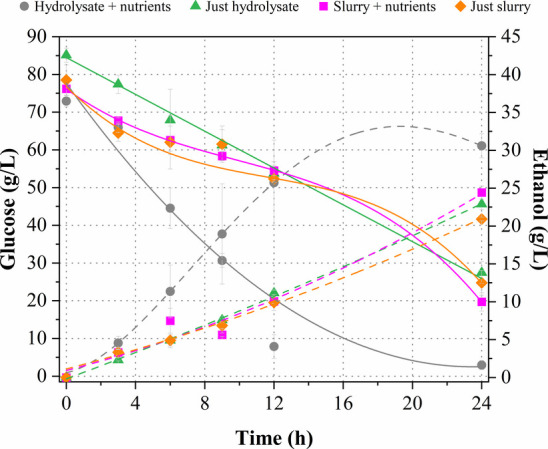 Figure 4
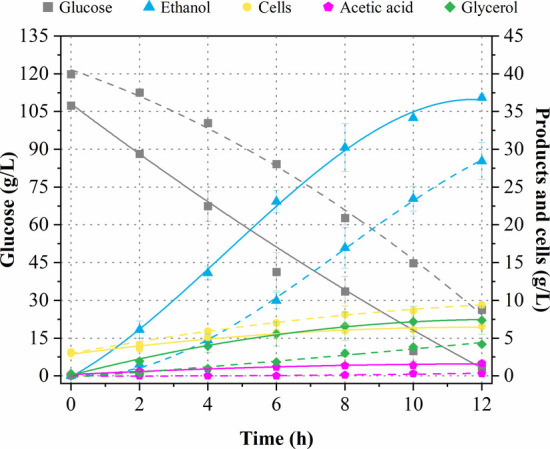 Figure 5
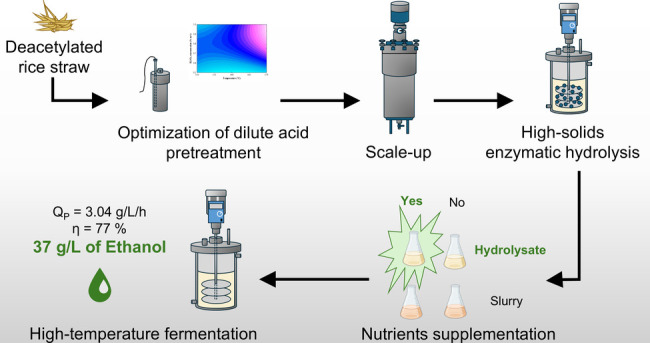 Figure 6
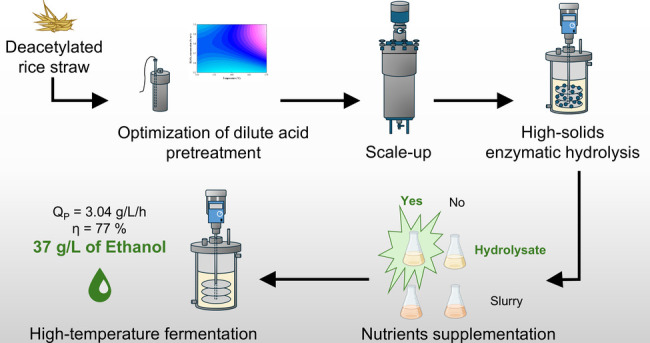 Figure 7
 Figure 8
 Figure 9
 Figure 10
 Figure 11
 Figure 12
 Figure 13
 Figure 14
 Figure 15
 Figure 16
 Figure 17
 Figure 18
 Figure 19
 Figure 20
 Figure 21
 Figure 22
 Figure 23
 Figure 24
 Figure 25
Peer Reviews
No public reviews on file for this paper yet. If you reviewed it on a platform where reviews are public (OpenReview, ICLR, NeurIPS, ICML), you can paste yours below so the community can read it here.
Videos
No videos yet. Explain this paper in a talk, walkthrough, or lecture? Add one.
Taxonomy
TopicsBiofuel production and bioconversion · Microbial Metabolic Engineering and Bioproduction · Microbial metabolism and enzyme function