Alumanyl silanides as multifunctional reagents for olefin cycloaddition, CO hydrosilylation, and reductive CO coupling
Moritz Ludwig, Johannes Voigtland, Petra Vasko, Sebastian Stigler, Shigeyoshi Inoue

TL;DR
This paper explores the reactivity of a rare alumanyl silanide in various chemical reactions, including cycloadditions and CO hydrosilylation.
Contribution
The study reveals new reactivity patterns of alumanyl silanides in CO hydrosilylation and reductive CO coupling.
Findings
Alumanyl silanide undergoes [2+2]-cycloaddition with olefins and aldehydes.
The compound captures two CO2 molecules and one CO molecule in distinct bonding modes.
A cyclic carbene intermediate is identified as key in CO hydrosilylation.
Abstract
Alumanyl silanides represent a rare class of main group complexes, characterized by an anionic Al–Si bond, stabilized through an intimate ion pair. Computations revealed pronounced multiple-bond character in these alumanyl silanides, which is further enhanced upon counter ion sequestration. Despite these electronic features, such bonding motifs remain largely unexplored in experimental chemistry. In this work, we investigate the reactivity of a sodium alumanyl silanide, stabilized by bulky silyl groups and an N-heterocyclic imine (NHI), towards alkenes, alkynes, aldehydes, CO2, and CO. The addition of ethylene, styrene, or mesitylaldehyde to said alumanyl silanide affords the corresponding [2+2]-cycloaddition products, characterized by polarized Al–Si–C–C and Al–Si–C–O heterocycles, respectively. Furthermore, the investigated alumanyl silanide captures two equivalents of CO2. One…
Genes, proteins, chemicals, diseases, species, mutations and cell lines named across the full text — each resolved to its canonical identifier and authoritative record.
Click any figure to enlarge with its caption.
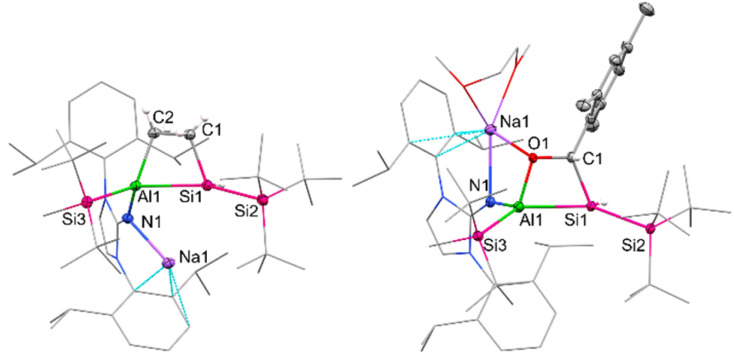 Figure 1
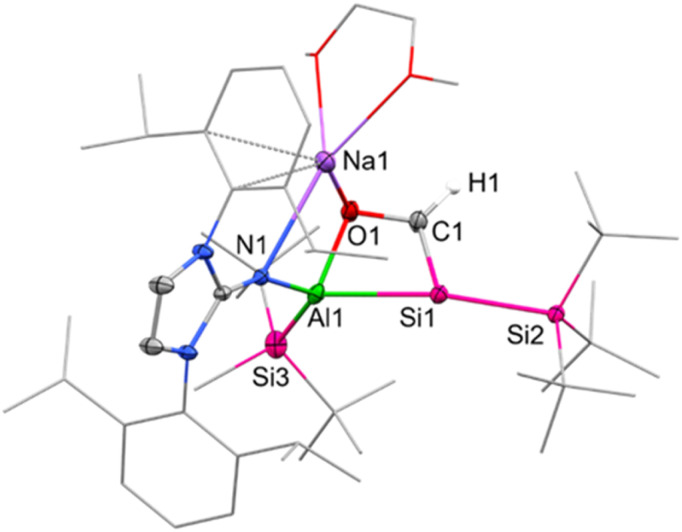 Figure 2
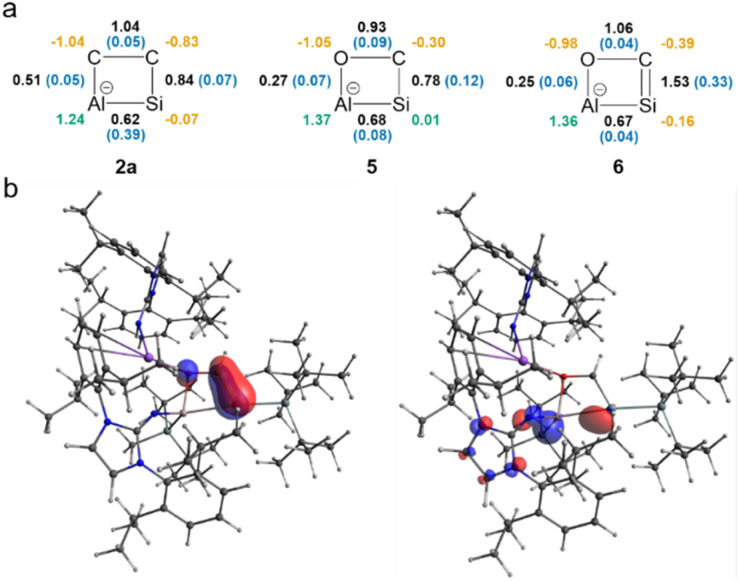 Figure 3
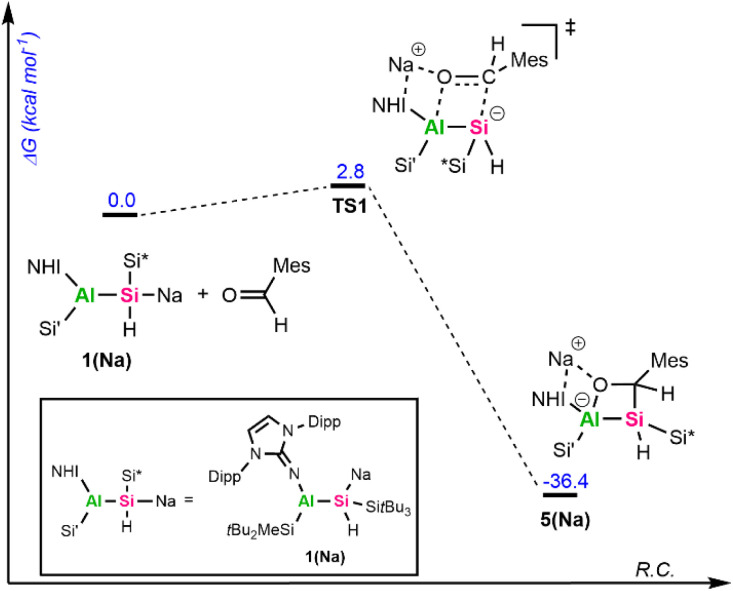 Figure 4
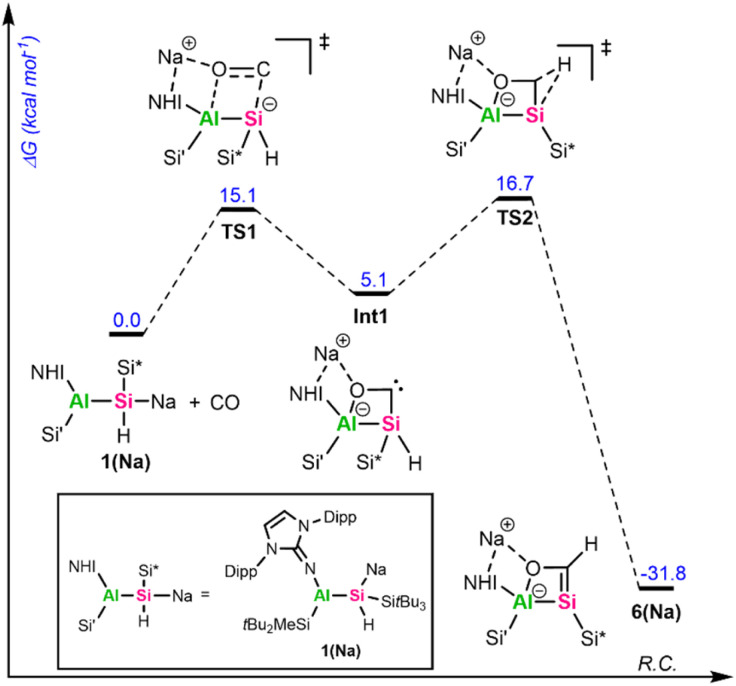 Figure 5
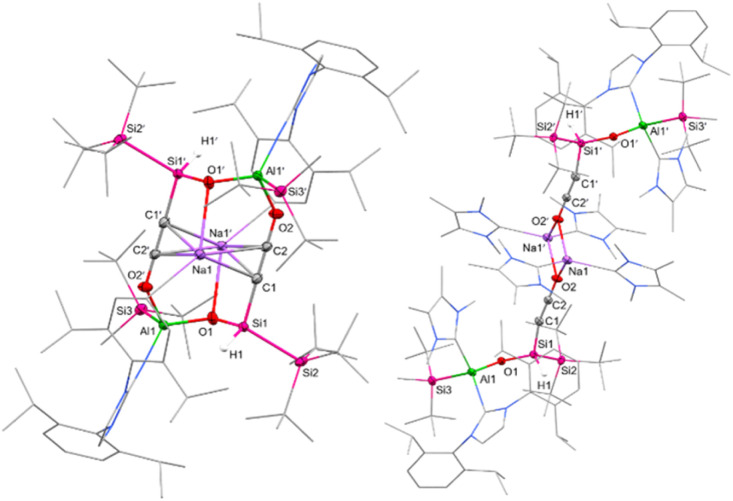 Figure 6
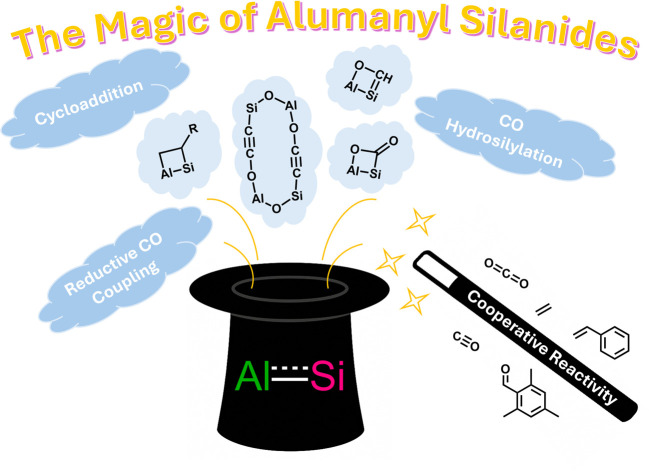 Figure 7
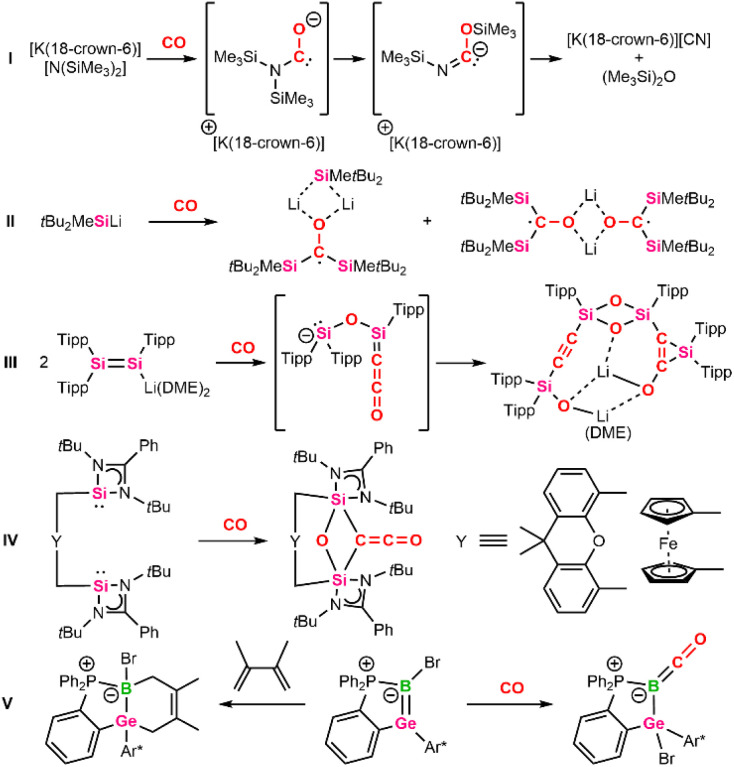 Figure 8
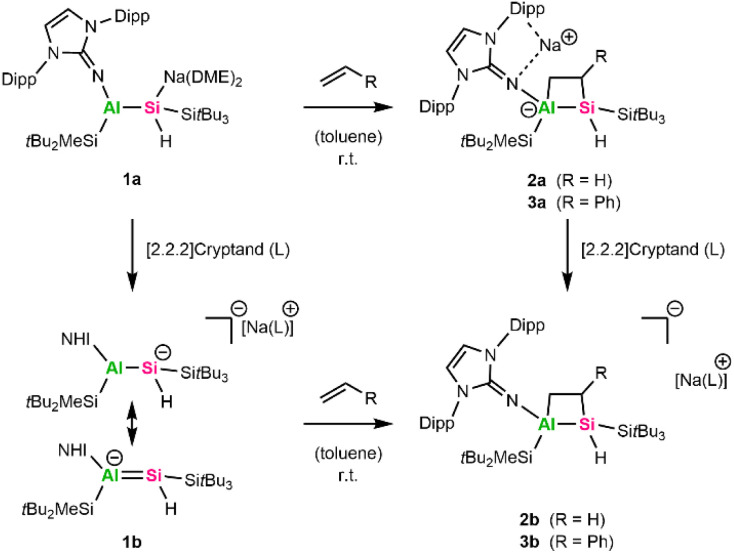 Figure 9
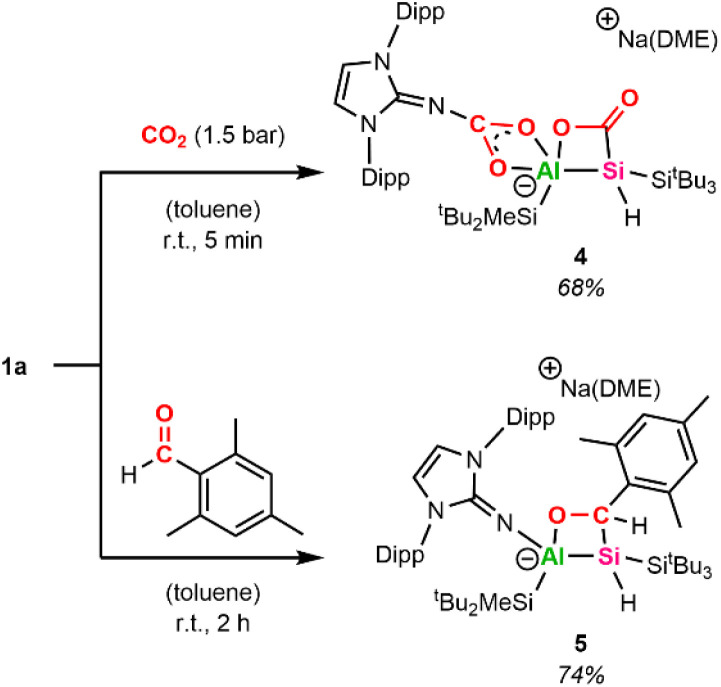 Figure 10
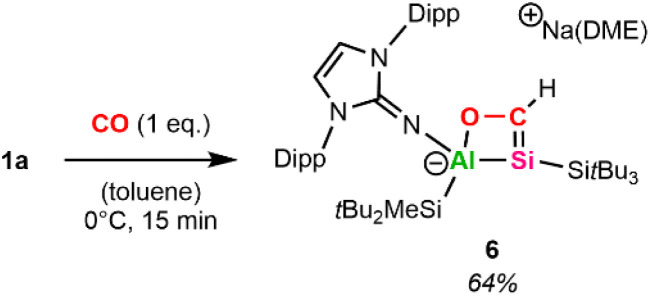 Figure 11
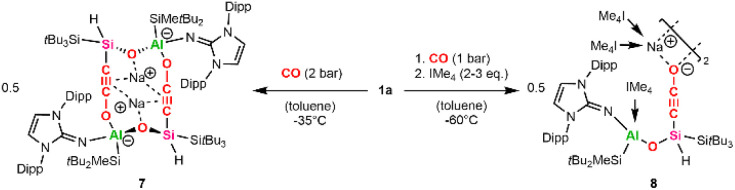 Figure 12
Peer Reviews
No public reviews on file for this paper yet. If you reviewed it on a platform where reviews are public (OpenReview, ICLR, NeurIPS, ICML), you can paste yours below so the community can read it here.
Videos
No videos yet. Explain this paper in a talk, walkthrough, or lecture? Add one.
Taxonomy
TopicsOrganoboron and organosilicon chemistry · Synthesis and characterization of novel inorganic/organometallic compounds · Organometallic Complex Synthesis and Catalysis