Fulminant Early-Onset Neonatal Sepsis Due to Streptococcus gallolyticus (Group D): A Report of a Fatal Case
Ilham Elouardighi, Lamya El Laziji, Soukaina Batali, Amina Barkat

TL;DR
A rare and fatal case of early-onset neonatal sepsis caused by Streptococcus gallolyticus (Group D) is reported in a preterm infant.
Contribution
This paper reports a rare and fatal case of neonatal sepsis due to Streptococcus gallolyticus, highlighting its clinical significance.
Findings
Streptococcus gallolyticus (Group D) can cause early-onset neonatal sepsis with a high fatality rate.
The infection is typically acquired during childbirth from maternal colonization.
Symptoms present within the first 48 hours, similar to other neonatal sepsis causes.
Abstract
Streptococcus enterococci group D is a rare cause of neonatal sepsis, and it is associated with significant morbidity and a very high fatality rate. The infection is usually acquired intra-partum, from the colonization of the maternal genital tract. Most affected neonates have an early-onset presentation of symptoms, usually within the first 48 hours after birth, which is similar to other causes of neonatal sepsis such as Streptococcus agalactiae or Escherichia coli. We describe an early preterm infant with a fatal, early-onset sepsis caused by Streptococcus D.
Genes, proteins, chemicals, diseases, species, mutations and cell lines named across the full text — each resolved to its canonical identifier and authoritative record.
Click any figure to enlarge with its caption.
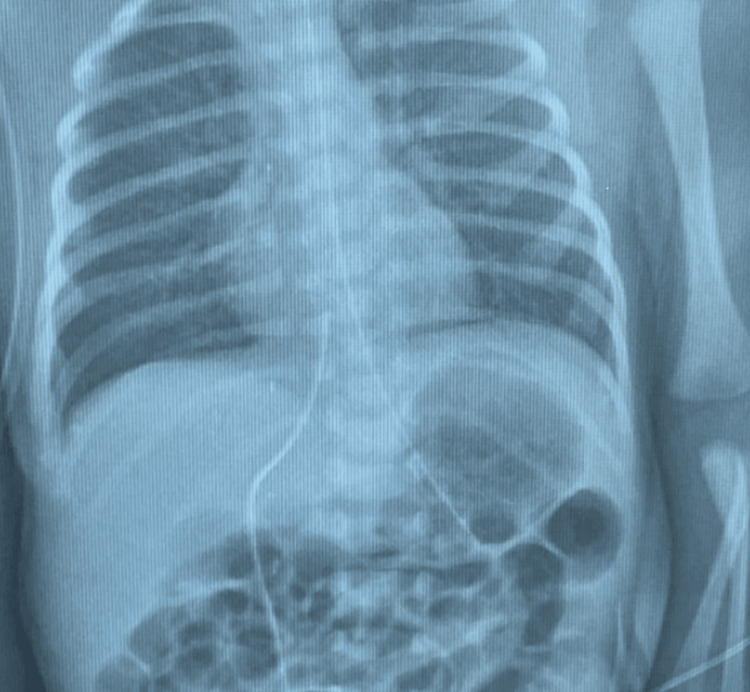 Figure 1
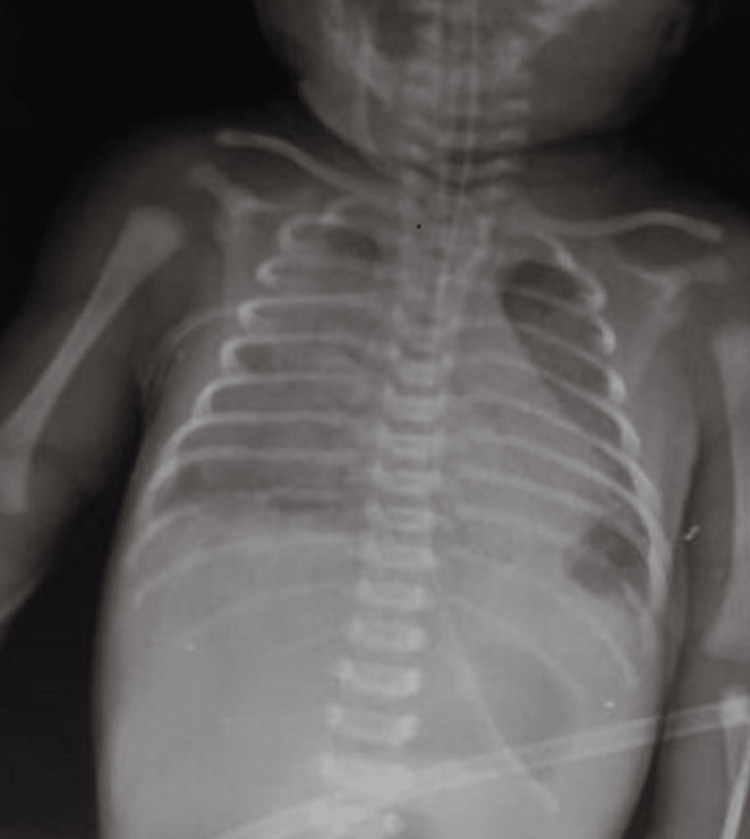 Figure 2
Peer Reviews
No public reviews on file for this paper yet. If you reviewed it on a platform where reviews are public (OpenReview, ICLR, NeurIPS, ICML), you can paste yours below so the community can read it here.
Videos
No videos yet. Explain this paper in a talk, walkthrough, or lecture? Add one.
Taxonomy
TopicsNeonatal and Maternal Infections · Streptococcal Infections and Treatments · Preterm Birth and Chorioamnionitis