Estimands and their implications for evidence synthesis for oncology: A simulation study of treatment switching in meta-analysis
Rebecca Kathleen Metcalfe, Antonio Remiro-Azócar, Quang Vuong, Anders Gorst-Rasmussen, Oliver Keene, Shomoita Alam, Jay J. H. Park

TL;DR
This study explores how mixing different statistical approaches in cancer drug trials can lead to misleading results when analyzing patient survival data.
Contribution
The paper introduces a simulation-based evaluation of estimand alignment in meta-analyses involving treatment switching in oncology trials.
Findings
Pooling estimates targeting different estimands leads to pooled estimators that do not target any estimand of interest.
Mixing treatment policy and hypothetical estimand estimates can generate misleading results even under random effects models.
Adopting the estimands framework in meta-analysis improves alignment with clinical research questions.
Abstract
The ICH E9(R1) addendum provides guidelines on accounting for intercurrent events in clinical trials using the estimands framework. However, there has been limited attention to the estimands framework for meta-analysis. Using treatment switching, a well-known intercurrent event that occurs frequently in oncology, we conducted a simulation study to explore the bias introduced by pooling together estimates targeting different estimands in a meta-analysis of randomized clinical trials (RCTs) that allowed treatment switching. We simulated overall survival data of a collection of RCTs that allowed patients in the control group to switch to the intervention treatment after disease progression under fixed effects and random effects models. For each RCT, we calculated effect estimates for a treatment policy estimand that ignored treatment switching, and a hypothetical estimand that accounted…
Genes, proteins, chemicals, diseases, species, mutations and cell lines named across the full text — each resolved to its canonical identifier and authoritative record.
Click any figure to enlarge with its caption.
 Figure 1
 Figure 2
 Figure 3
 Figure 4
 Figure 5
 Figure 6
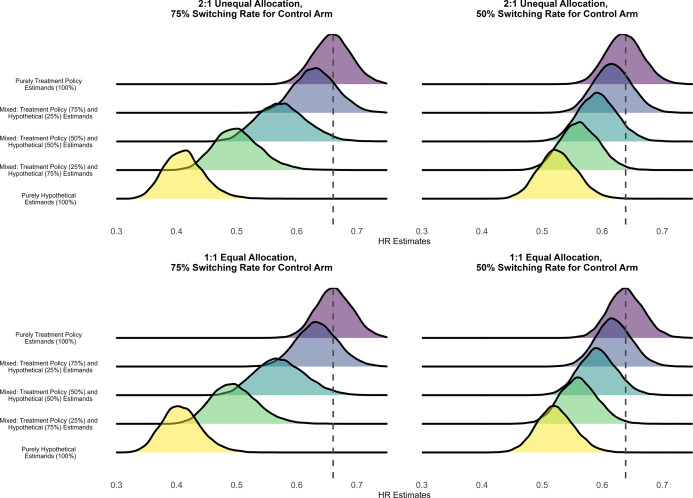 Figure 1
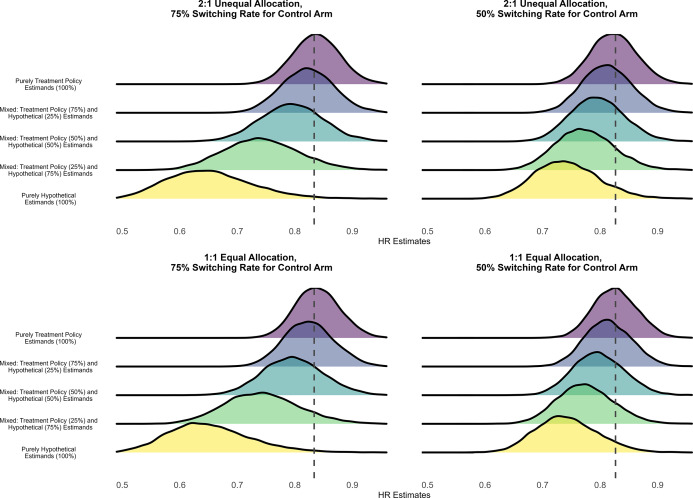 Figure 2
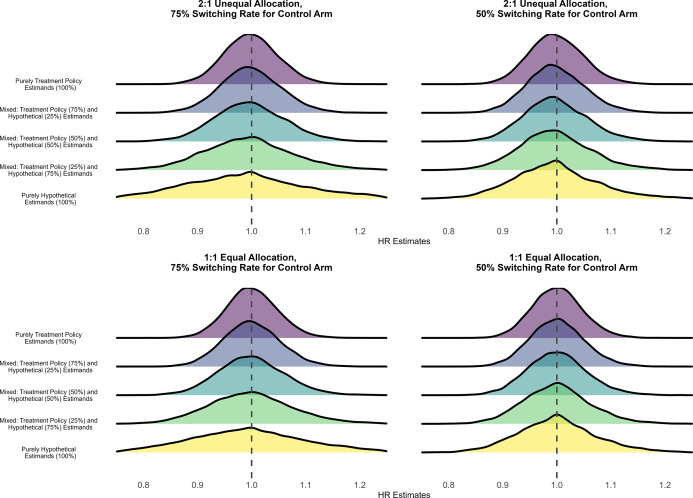 Figure 3
 Figure 10
 Figure 11
 Figure 12
 Figure 13
 Figure 14
 Figure 15
 Figure 16
 Figure 17
 Figure 18
 Figure 19
 Figure 20
 Figure 21
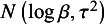 Figure 22
 Figure 23
 Figure 24
 Figure 25
 Figure 26
 Figure 27
 Figure 28
 Figure 29
 Figure 30
 Figure 31
 Figure 32
 Figure 33
 Figure 34
 Figure 35
 Figure 36
 Figure 37
 Figure 38
 Figure 39
 Figure 40
 Figure 41
 Figure 42
 Figure 43
 Figure 44
 Figure 45
 Figure 46
 Figure 47
 Figure 48
 Figure 49
 Figure 50
Peer Reviews
No public reviews on file for this paper yet. If you reviewed it on a platform where reviews are public (OpenReview, ICLR, NeurIPS, ICML), you can paste yours below so the community can read it here.
Videos
No videos yet. Explain this paper in a talk, walkthrough, or lecture? Add one.
Taxonomy
TopicsMeta-analysis and systematic reviews · Statistical Methods in Clinical Trials · Radiomics and Machine Learning in Medical Imaging