Control of Cytocompatible Metallic and Polymeric Wrinkle Morphologies Using Programming via Printing (PvP)
Johnson N. Agyapong, Teng Zhang, James H. Henderson

TL;DR
This paper introduces a 3D printing method to create controllable wrinkle patterns on shape-memory materials, which are compatible with cells for biological studies.
Contribution
A novel, accessible 3D printing-based strategy (PvP) for generating cytocompatible wrinkle morphologies on shape-memory substrates.
Findings
PvP enables uniaxial or biaxial contraction in shape-memory substrates, controlling wrinkle formation.
AFM imaging revealed that orthogonal layers induce transitions from aligned to complex 2D wrinkle patterns.
C3H10T1/2 cells showed high viability on all wrinkle morphologies, indicating cytocompatibility.
Abstract
Mechanical instability-driven wrinkling of a thin rigid film on a compliant substrate, such as a shape-memory polymer (SMP), offers spatiotemporal control of surface topography and morphology. Current strategies for creating wrinkles on SMPs often rely on mechanical actuation achieved via costly or complicated uniaxial or multiaxial loading rigs. There is a need for an accessible and easily democratizable strategy that can produce both simple aligned wrinkles and complex two-dimensional (2D) postbuckling patterns. Using a hobbyist three-dimensional (3D) printer, here we employed a recently developed single-step SMP fabrication approach, programming via printing (PvP), to prepare preprogrammed shape-memory substrates capable of uniaxial or biaxial contraction of varying magnitudes, with the strain controlled by the nozzle temperature and number of orthogonal layers within the substrate.…
Genes, proteins, chemicals, diseases, species, mutations and cell lines named across the full text — each resolved to its canonical identifier and authoritative record.
Click any figure to enlarge with its caption.
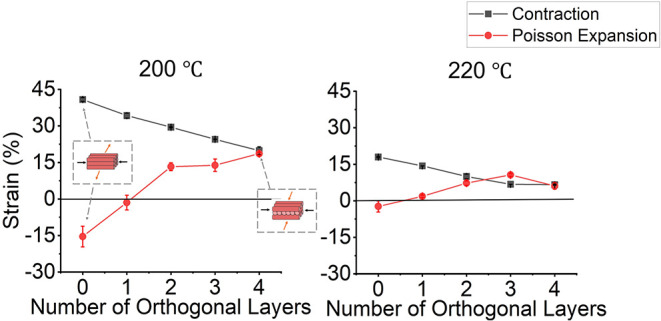 Figure 1
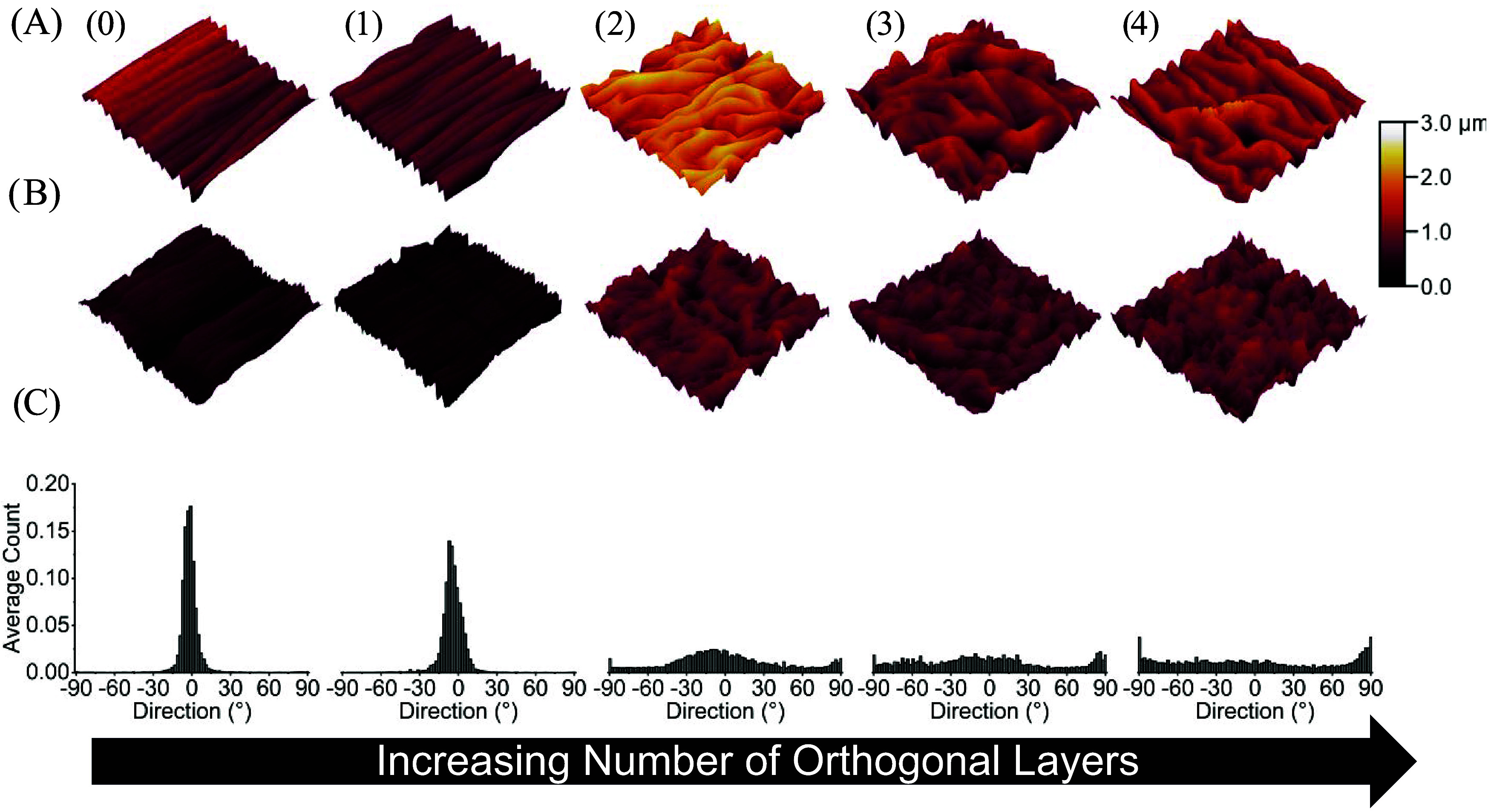 Figure 2
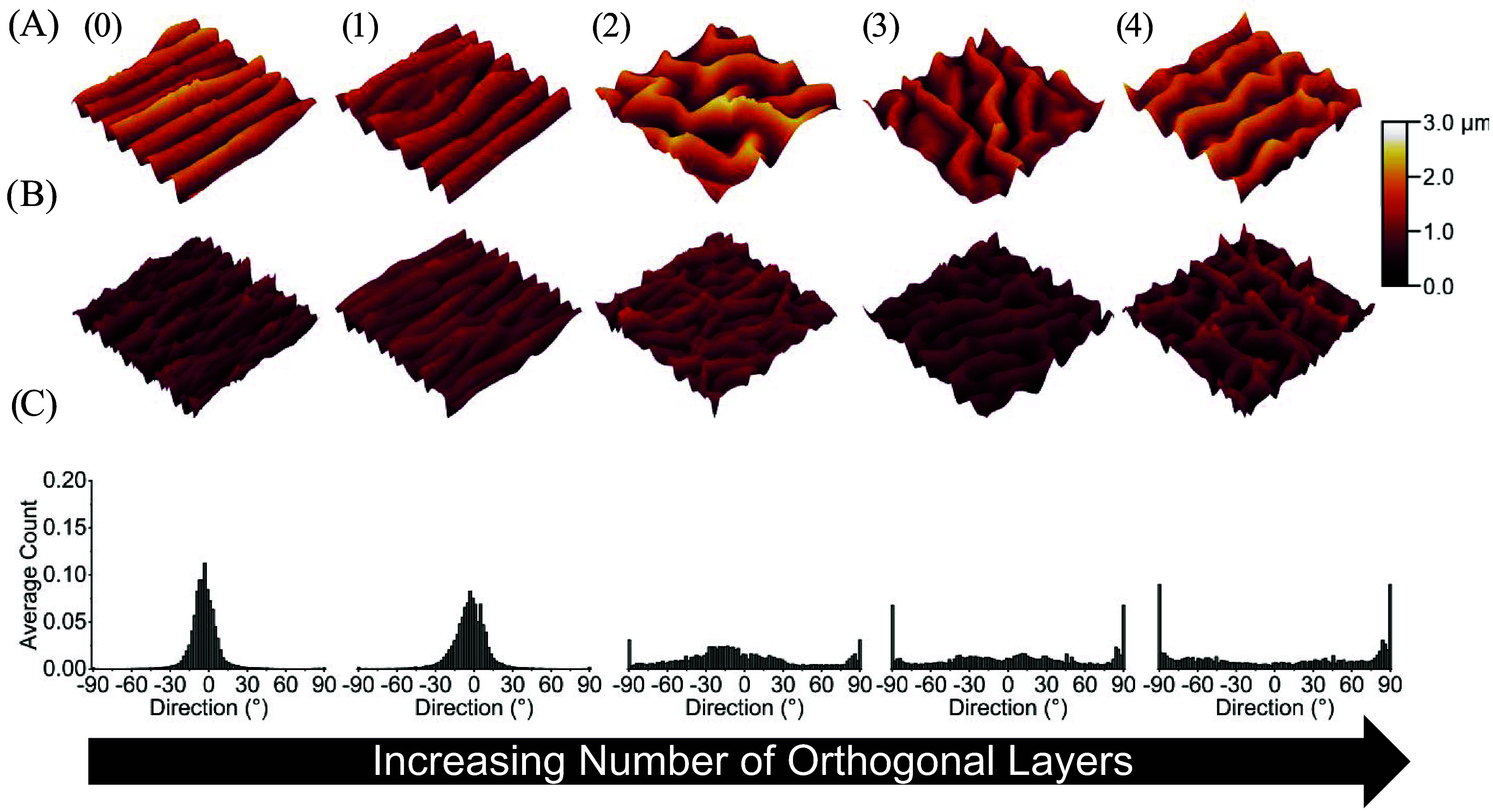 Figure 3
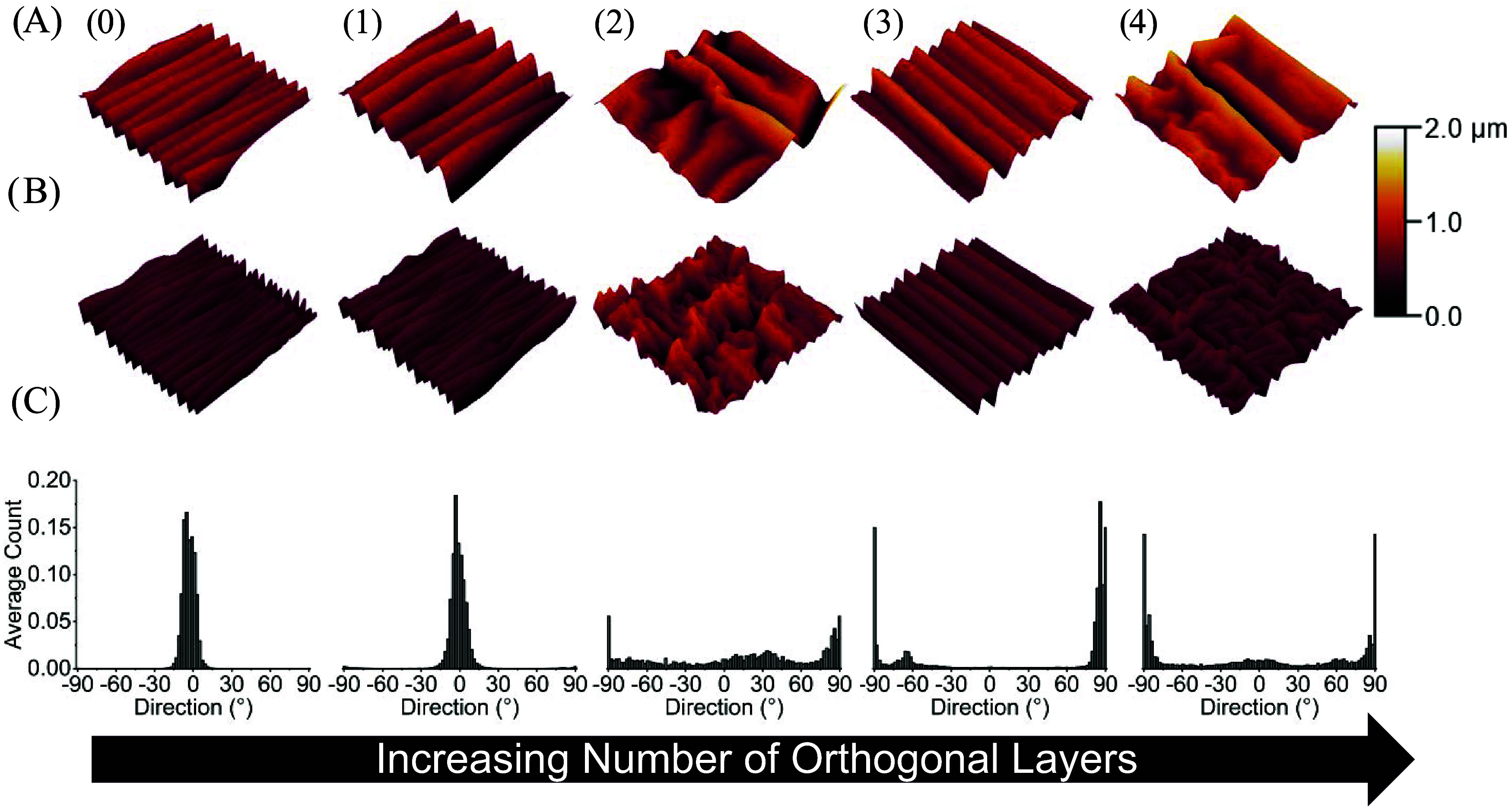 Figure 4
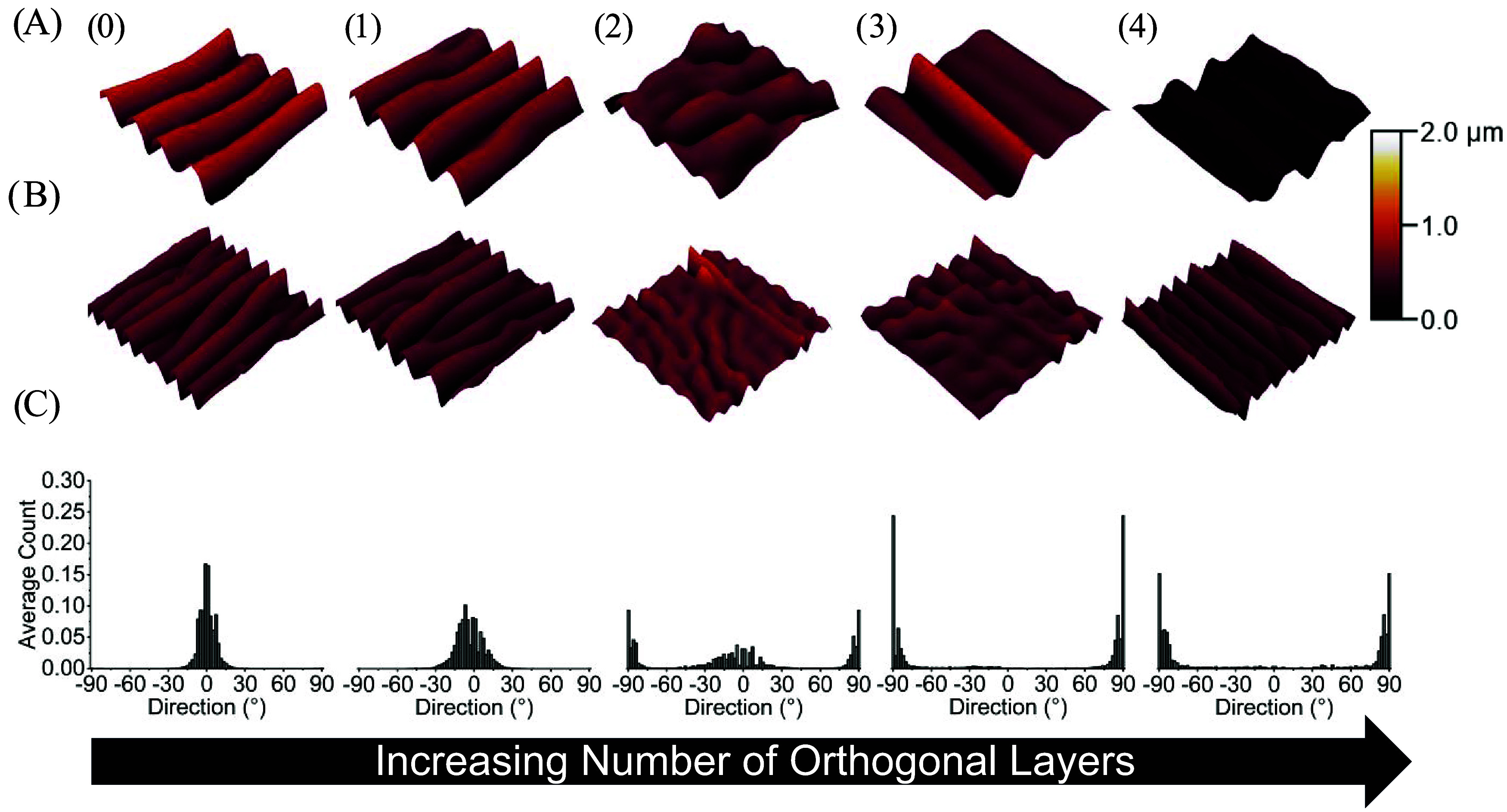 Figure 5
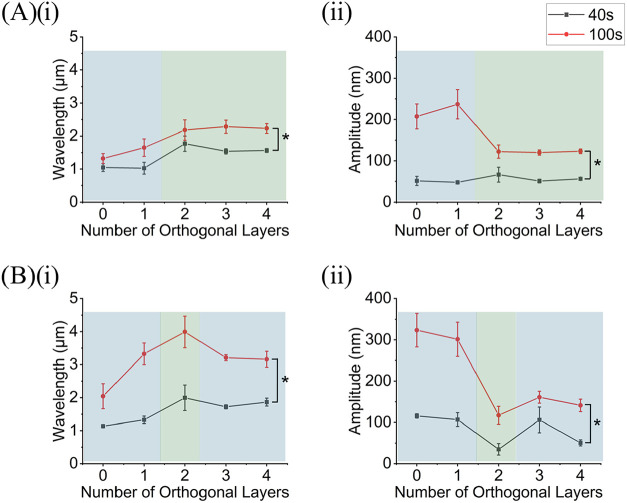 Figure 6
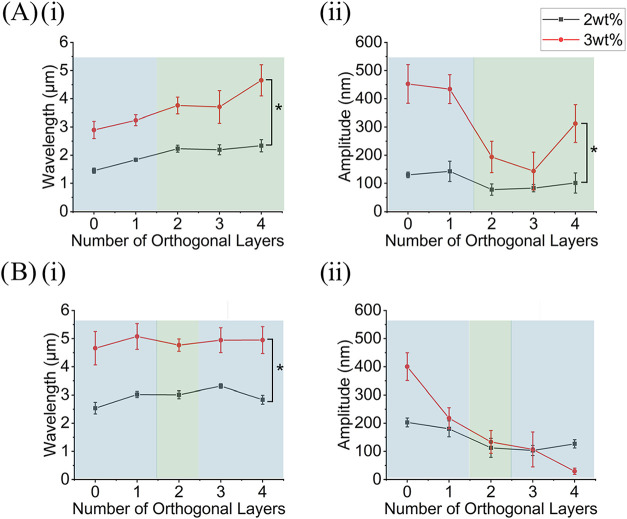 Figure 7
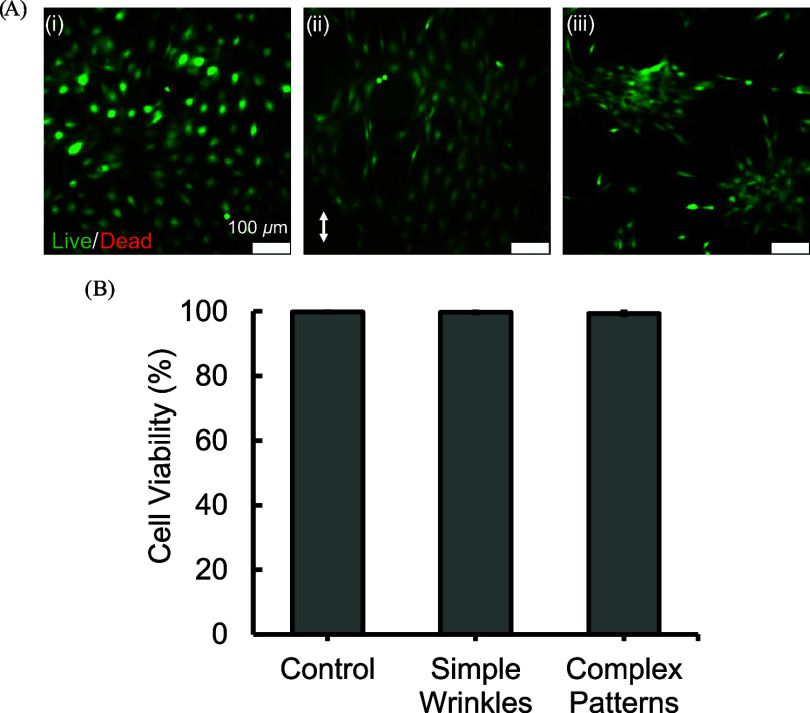 Figure 8
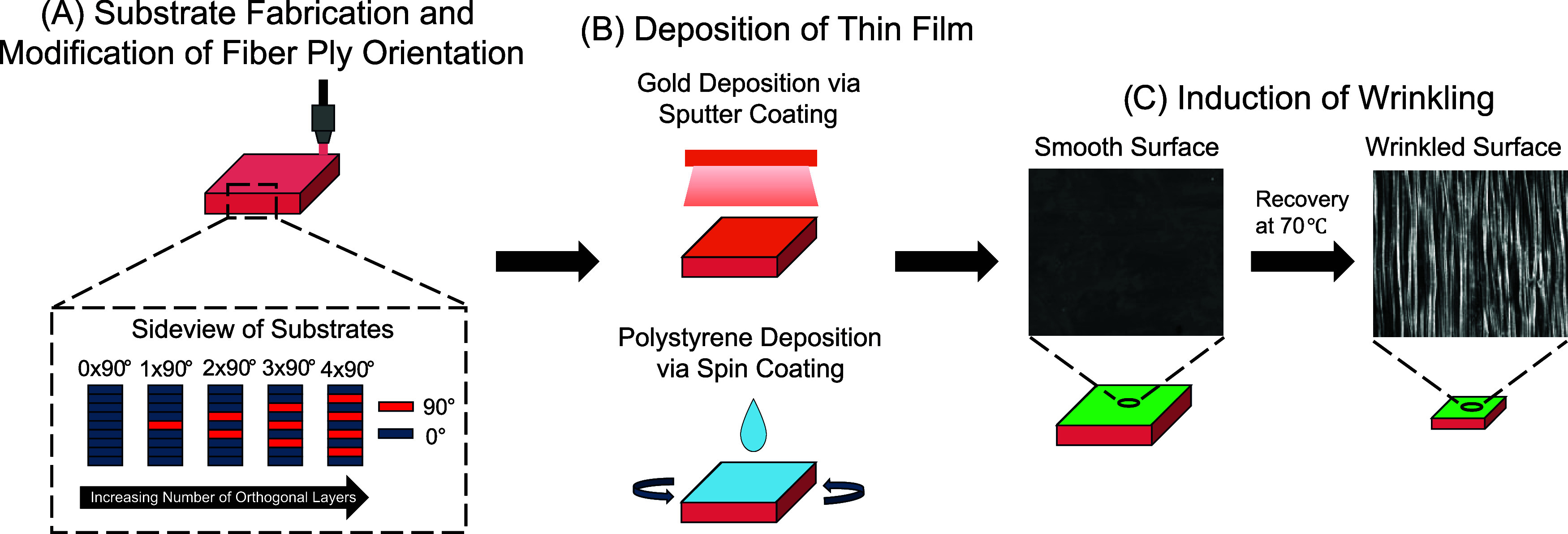 Figure 9
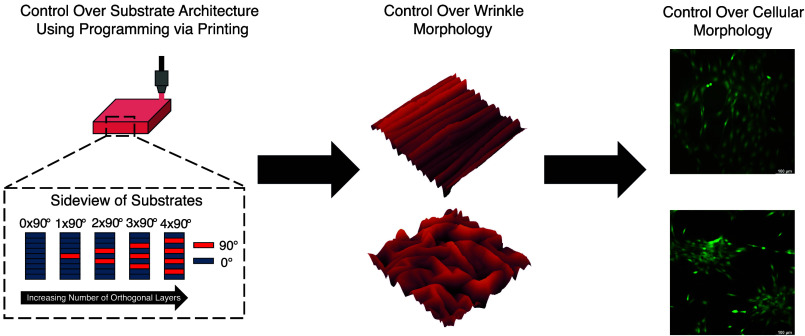 Figure 10
 Figure 11
 Figure 12
 Figure 13
Peer Reviews
No public reviews on file for this paper yet. If you reviewed it on a platform where reviews are public (OpenReview, ICLR, NeurIPS, ICML), you can paste yours below so the community can read it here.
Videos
No videos yet. Explain this paper in a talk, walkthrough, or lecture? Add one.
Taxonomy
TopicsAdvanced Materials and Mechanics · Structural Analysis and Optimization · Dielectric materials and actuators