Study on the Binding of Five Plant-Derived Secondary Metabolites to G‑Quadruplexes
Lucie Vrtalová, Michaela Dobrovolná, Daniel Platero-Rochart, Aleksandra L. Ptaszek, Václav Brázda, Pedro A. Sánchez-Murcia

TL;DR
This study explores how five plant compounds interact with G-quadruplex DNA structures, which could lead to new cancer therapies.
Contribution
The study identifies brucine and ellagic acid as strong G-quadruplex binders using experimental and computational methods.
Findings
Brucine showed the strongest interaction with both G4 sequences tested.
Ellagic acid had binding efficacy comparable to brucine at the c-Myc G4.
Molecular dynamics simulations revealed ligand binding modes and G4 stability.
Abstract
Chemical targeting of noncanonical secondary structures of DNA and RNA has emerged as a promising approach for therapeutic development. The most promising targets seem to be four-stranded structures in the G-rich regions of the genome, known as G-quadruplexes (G4s), which are associated with important regulatory regions including promoters. In this study, we tested and modeled the binding of five plant-derived secondary metabolites, known for their antiproliferative activity in vitro, to two G4s found in the human genome: the first at the c-Myc proto-oncogene and the second at the human telomere repeat region. Among the tested compounds, brucine exhibited the strongest interaction with both G4 sequences, while ellagic acid demonstrated binding efficacy comparable to that of brucine in the c-Myc sequence. Through molecular dynamics simulations and the Markov state model, we explored the…
Genes, proteins, chemicals, diseases, species, mutations and cell lines named across the full text — each resolved to its canonical identifier and authoritative record.
Click any figure to enlarge with its caption.
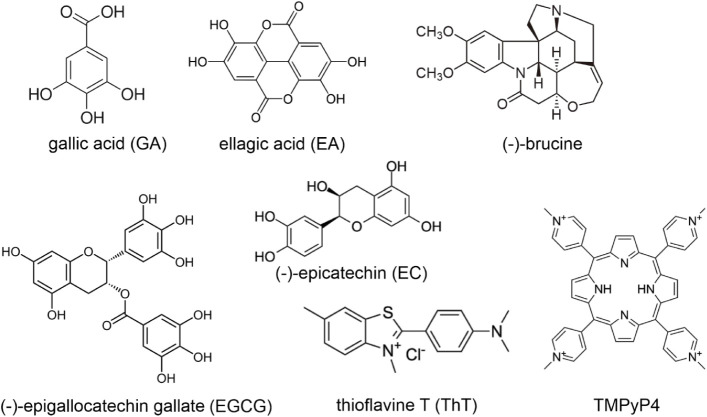 Figure 1
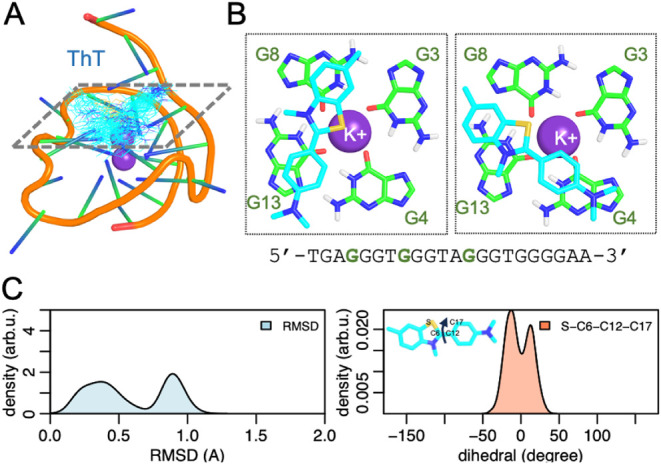 Figure 2
 Figure 3
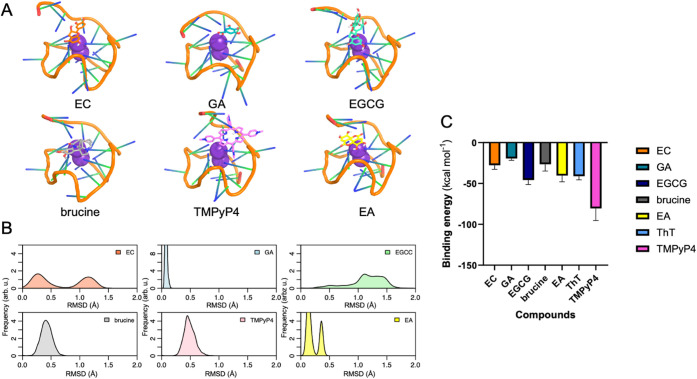 Figure 4
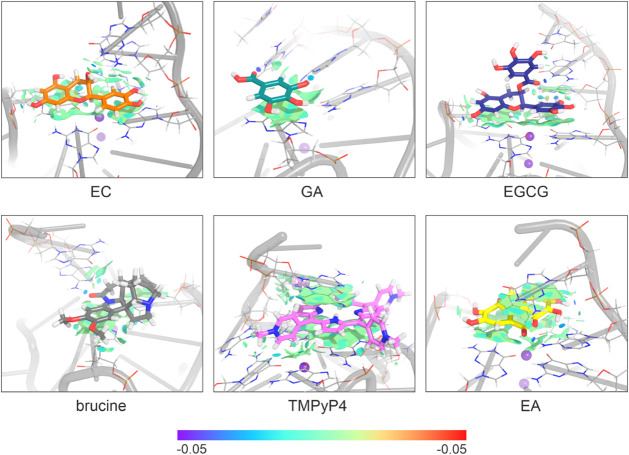 Figure 5
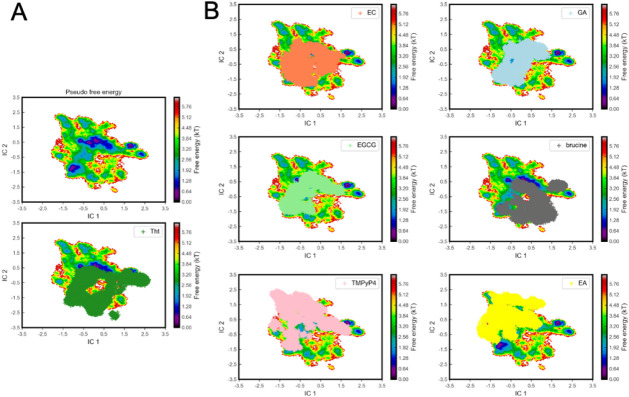 Figure 6
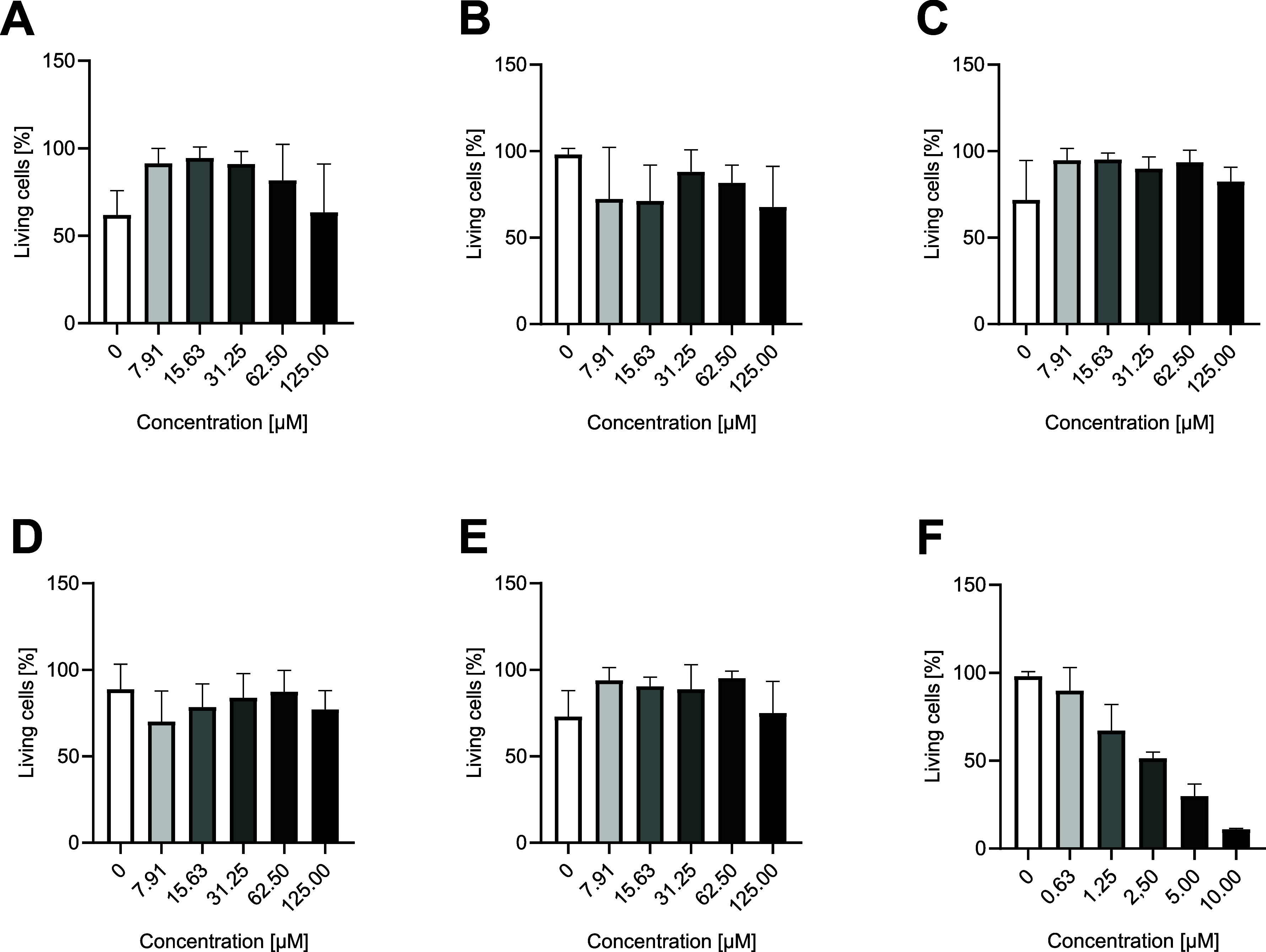 Figure 7
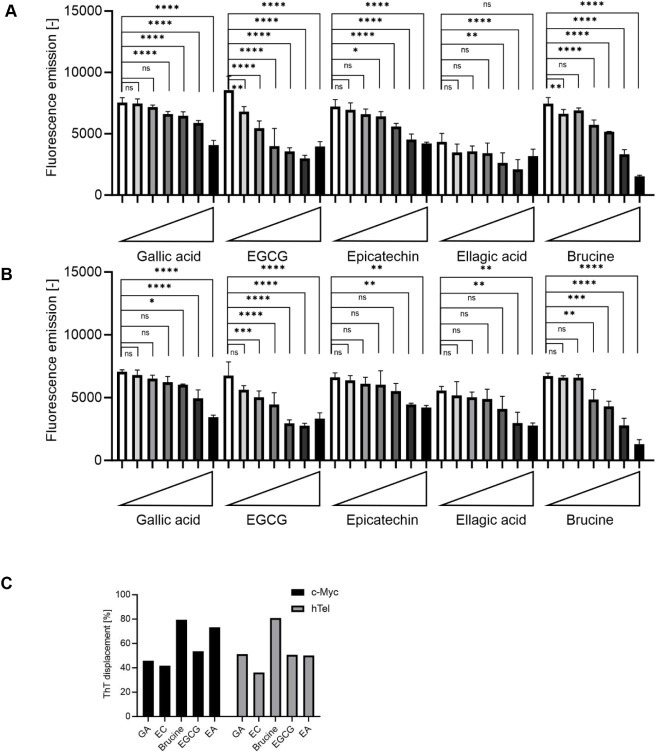 Figure 8
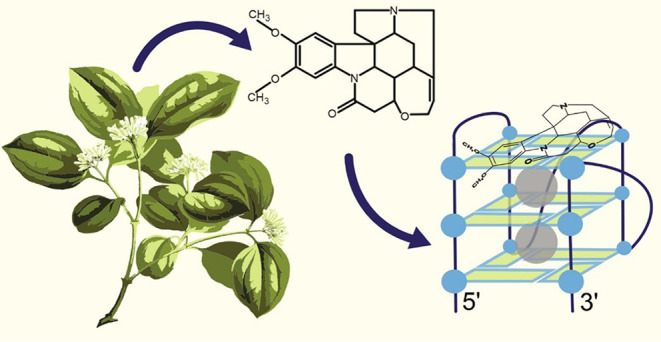 Figure 9
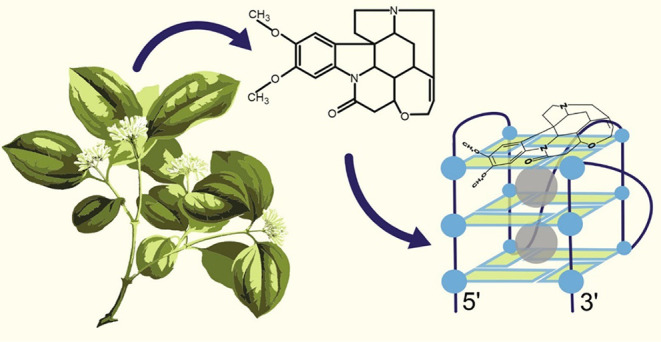 Figure 10
Peer Reviews
No public reviews on file for this paper yet. If you reviewed it on a platform where reviews are public (OpenReview, ICLR, NeurIPS, ICML), you can paste yours below so the community can read it here.
Videos
No videos yet. Explain this paper in a talk, walkthrough, or lecture? Add one.
Taxonomy
TopicsDNA and Nucleic Acid Chemistry · Cancer therapeutics and mechanisms · Metal complexes synthesis and properties