Genomic plasticity and mobilome architecture of Vibrio europaeus reveal key mechanisms of evolutionary adaptation
Sergio Rodriguez, Diego Rey-Varela, Clara Martinez, Paulino Martinez, Marie-Agnès Travers, Juan L. Barja, Javier Dubert

TL;DR
This study explores the genetic flexibility of Vibrio europaeus, a harmful shellfish pathogen, revealing how it adapts and evolves through its accessory genome.
Contribution
The first comprehensive analysis of the V. europaeus pangenome, highlighting the role of chromosomic regions of genomic plasticity and plasmids in evolutionary adaptation.
Findings
Unclassified chromosomic regions of genomic plasticity drive evolutionary dynamics and host fitness in V. europaeus.
Novel pVE1-like plasmids are the largest and most common mobile genetic elements in this species, encoding virulence and anti-phage defense systems.
Insertion hotspots in chromosomic elements enable rapid acquisition of anti-phage defense systems, enhancing bacterial adaptability.
Abstract
Vibrio europaeus has emerged as a significant pathogen in shellfish aquaculture, causing mass mortality outbreaks in key bivalve species and leading to severe economic losses for the industry. Studies on the structure and characteristics of the accessory genome in aquaculture pathogens remain scarce, despite its crucial role in evolutionary and ecological adaptation. The accessory genome provides indeed genetic variability that enables rapid responses to environmental challenges, host adaptation and selective pressures such as antibiotics or phage predation. Here, we present the first comprehensive comparative genomic analysis of the V. europaeus pangenome to investigate the structural organization and functional content of its accessory genome. The soft mobilome of V. europaeus comprises 73% of accessory genes and 44% of the total pangenome, including non-chromosomic (plasmids) and…
Genes, proteins, chemicals, diseases, species, mutations and cell lines named across the full text — each resolved to its canonical identifier and authoritative record.
Click any figure to enlarge with its caption.
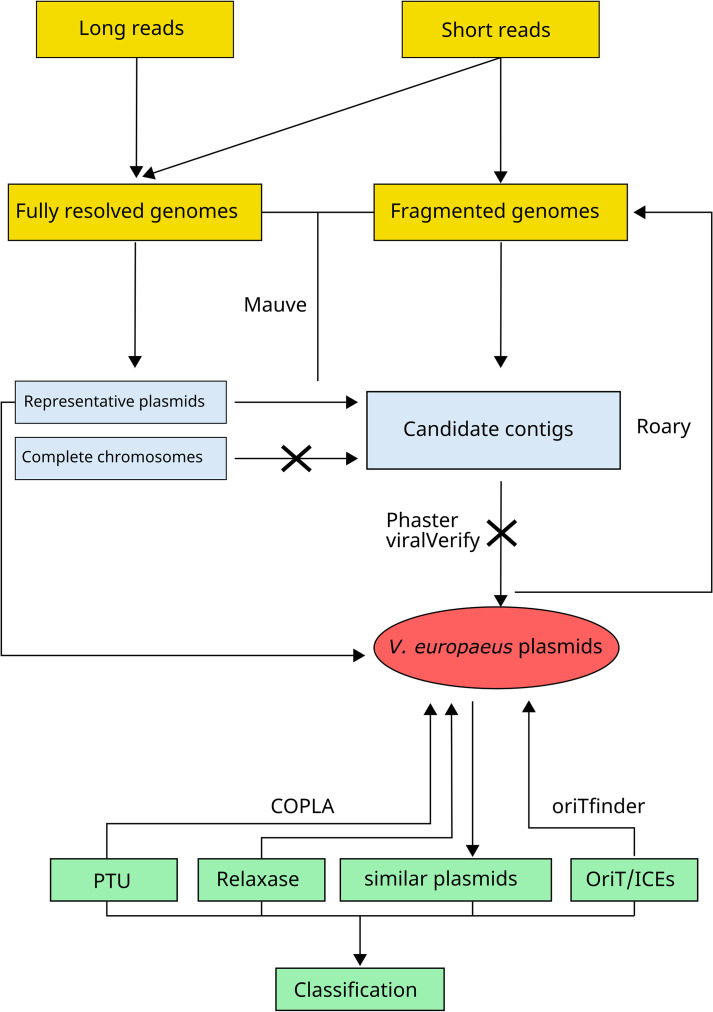 Figure 1
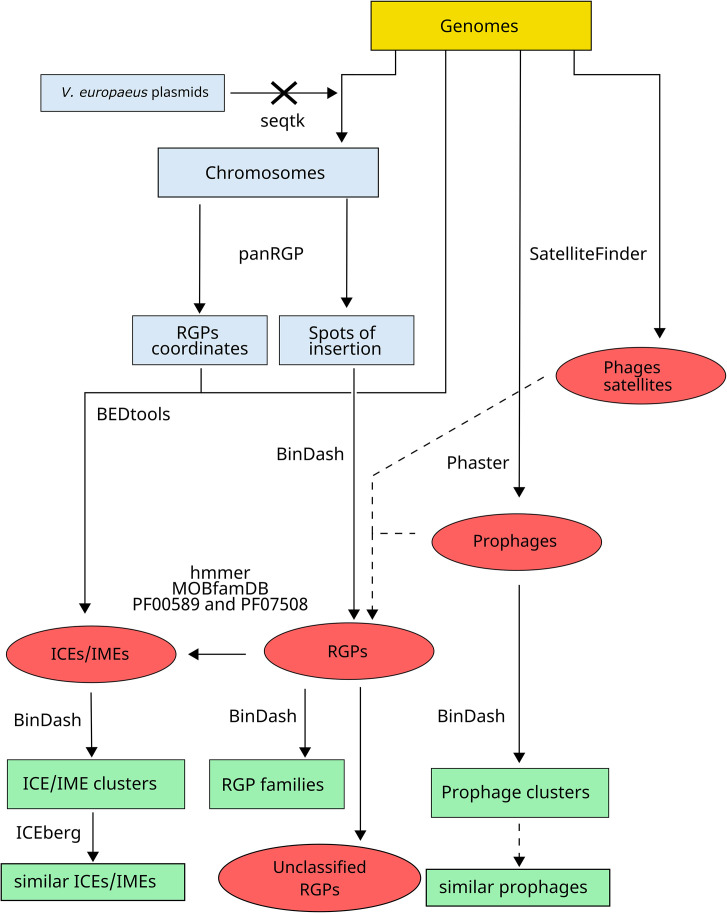 Figure 2
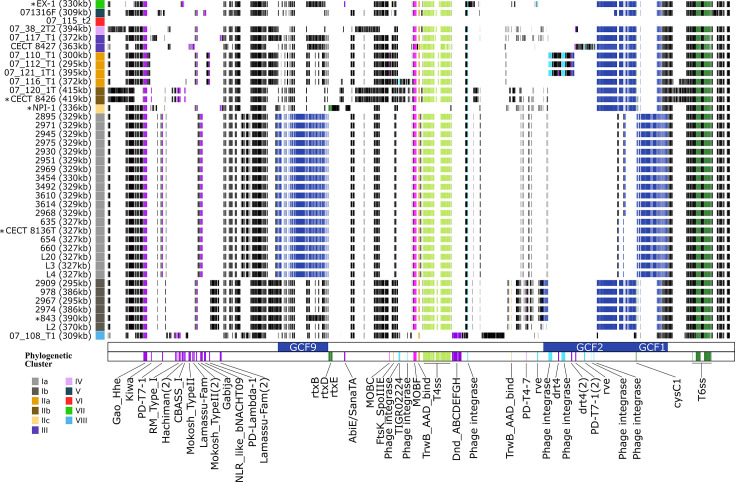 Figure 3
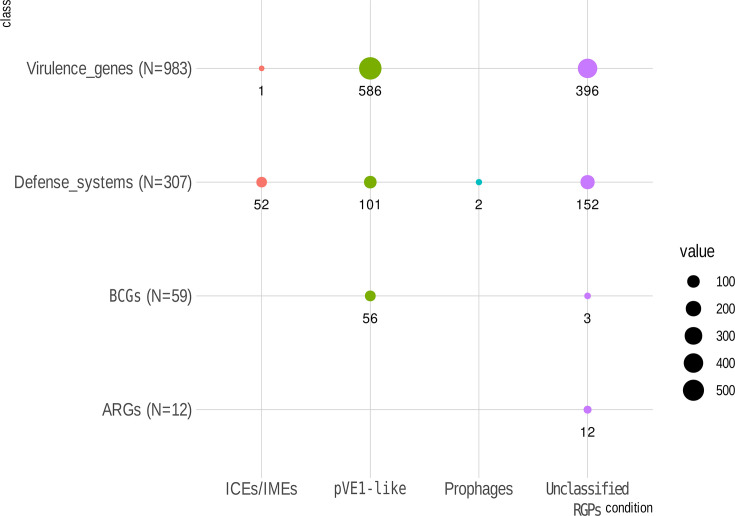 Figure 4
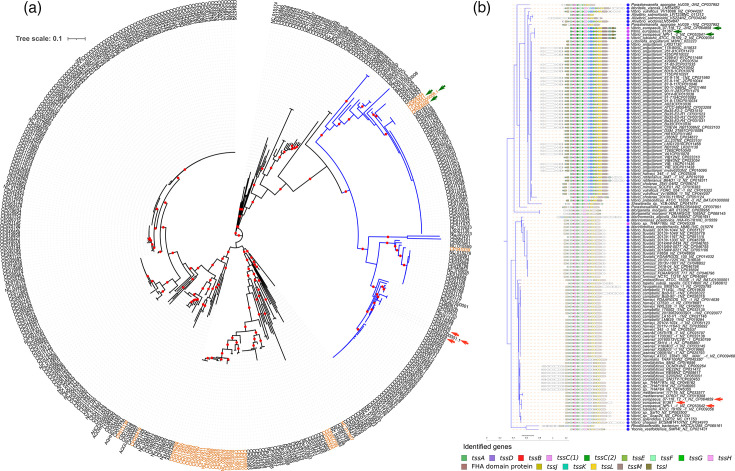 Figure 5
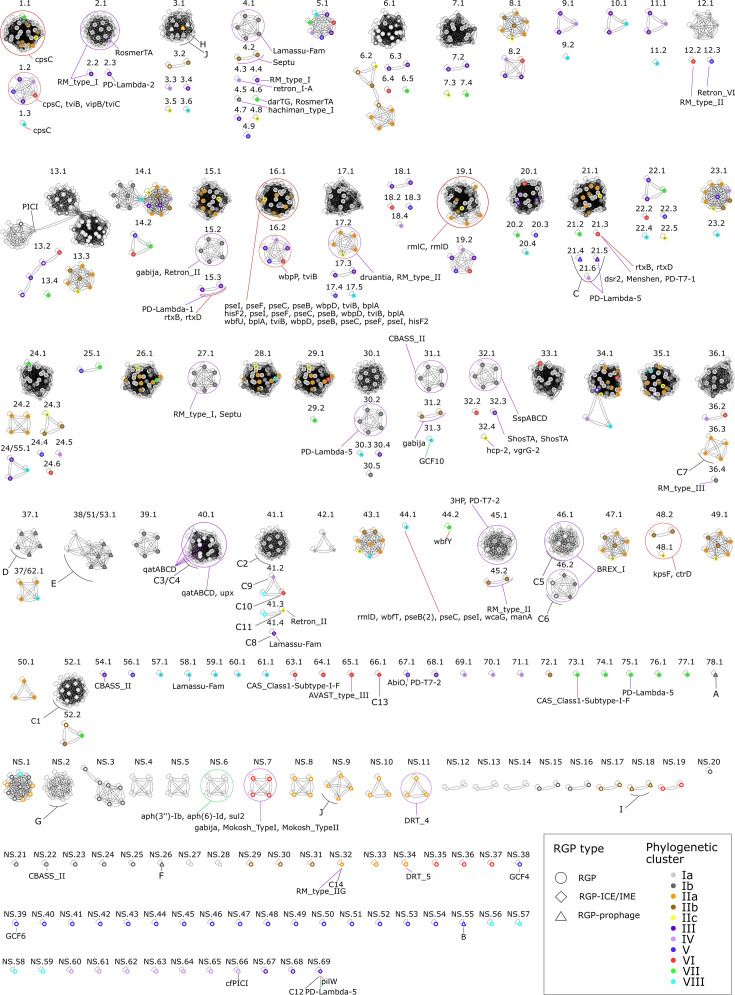 Figure 6
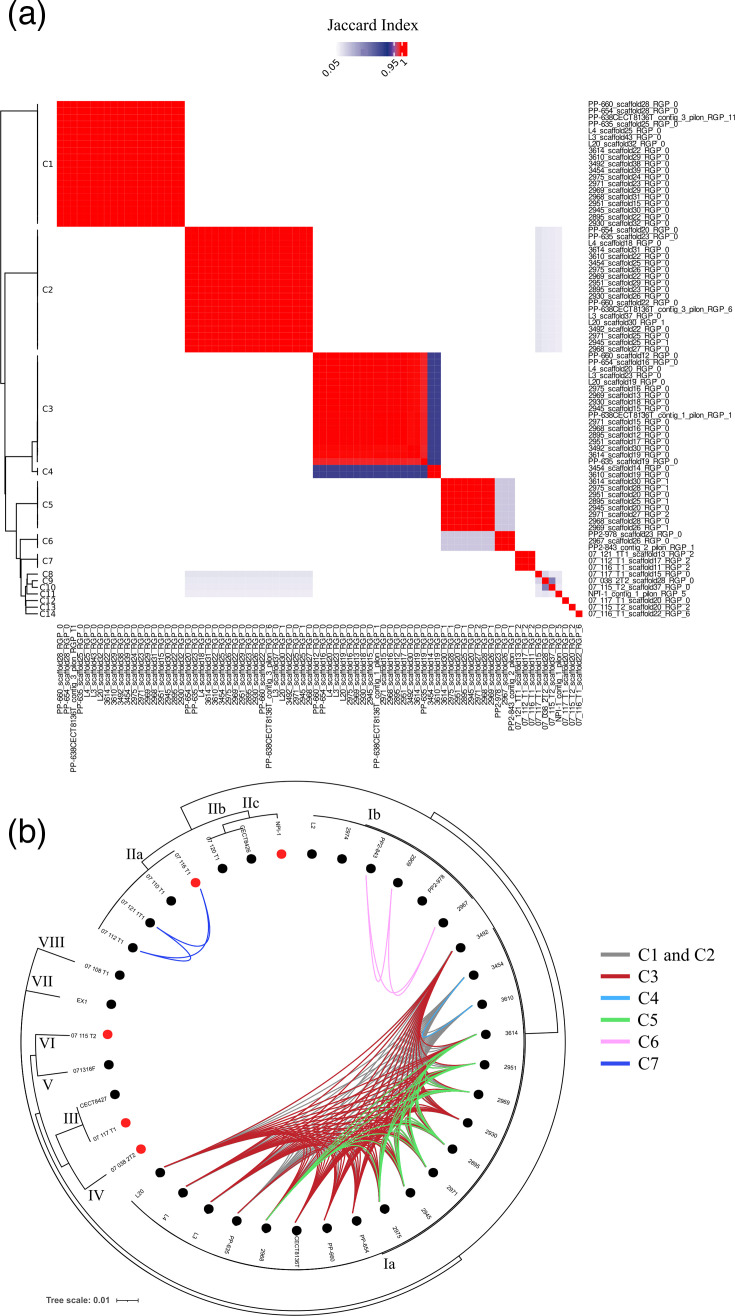 Figure 7
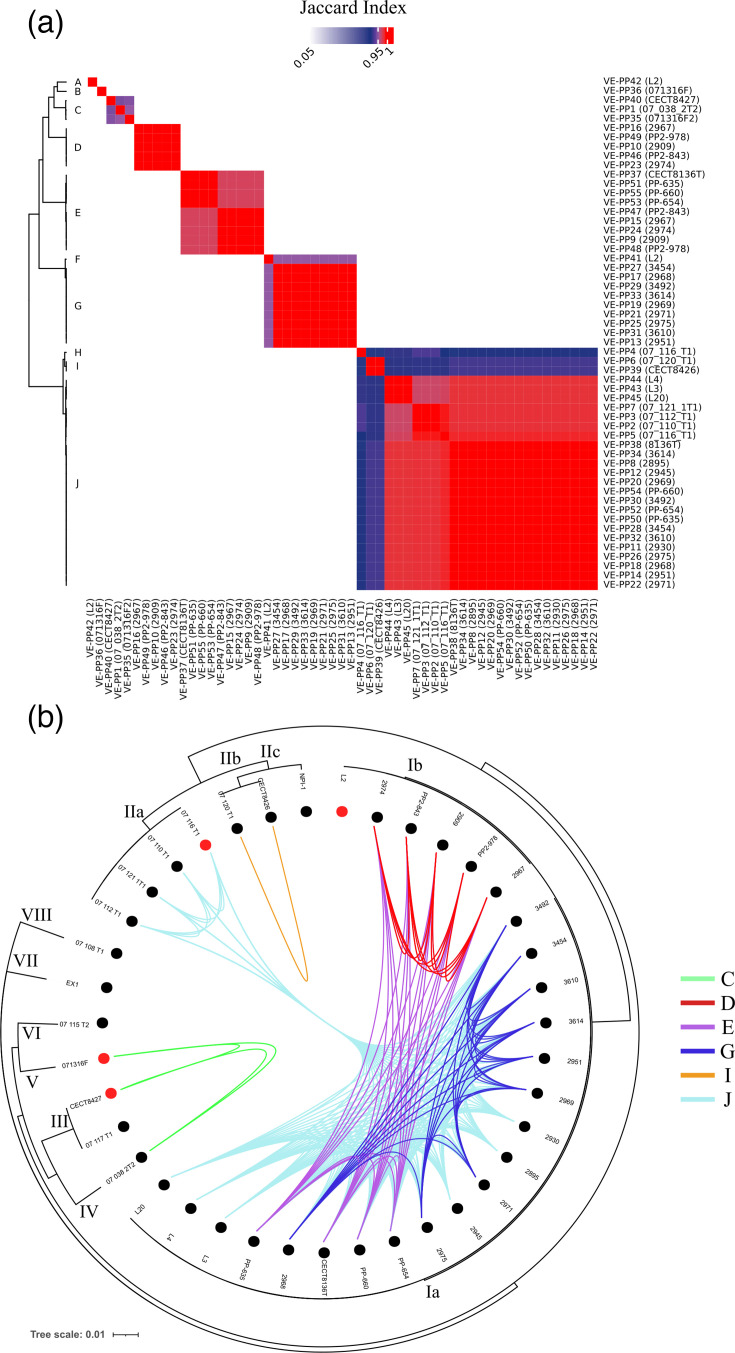 Figure 8
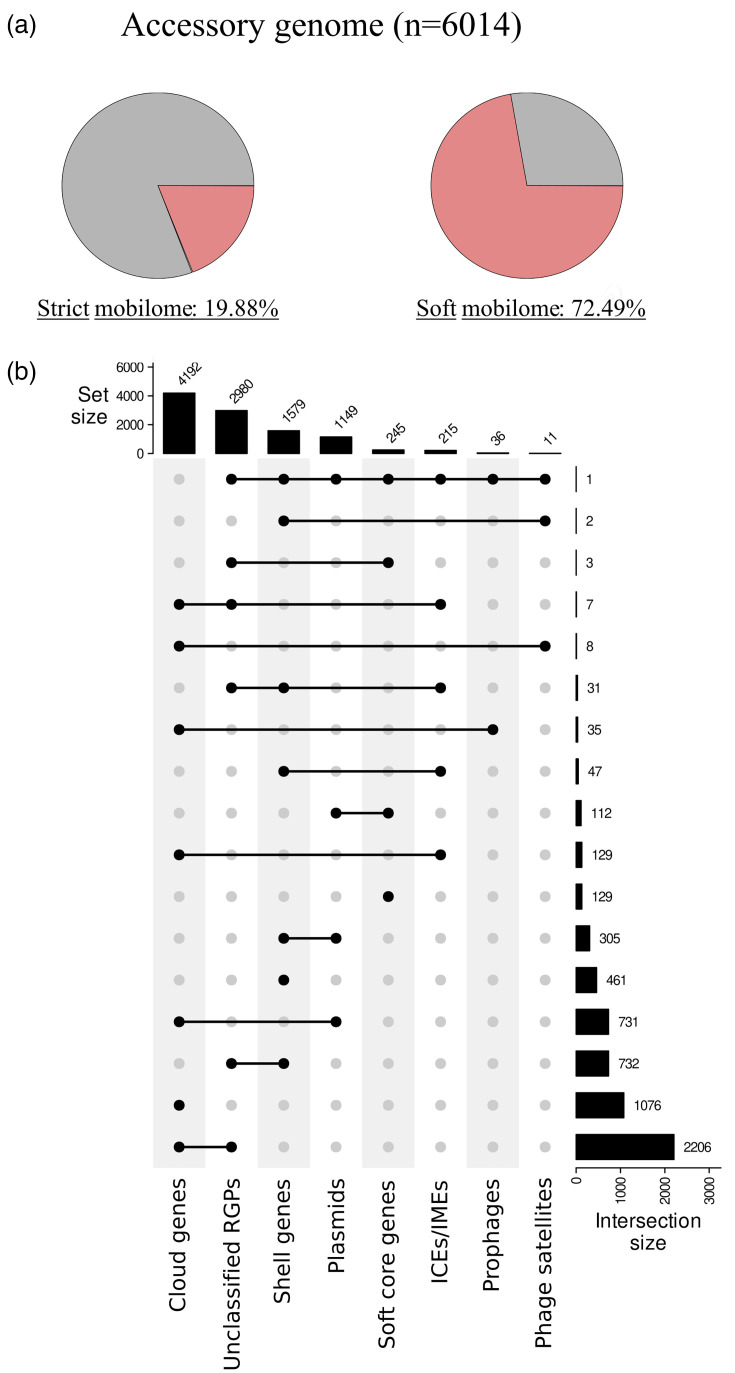 Figure 9
Peer Reviews
No public reviews on file for this paper yet. If you reviewed it on a platform where reviews are public (OpenReview, ICLR, NeurIPS, ICML), you can paste yours below so the community can read it here.
Videos
No videos yet. Explain this paper in a talk, walkthrough, or lecture? Add one.
Taxonomy
TopicsVibrio bacteria research studies · Bacteriophages and microbial interactions · Invertebrate Immune Response Mechanisms