De novo variants in KDM2A cause a syndromic neurodevelopmental disorder
Eric N. Anderson, Stephan Drukewitz, Sukhleen Kour, Anuradha V. Chimata, Deepa S. Rajan, Senta Schönnagel, Karen L. Stals, Deirdre Donnelly, Siobhan O'Sullivan, John F. Mantovani, Tiong Y. Tan, Zornitza Stark, Pia Zacher, Nicolas Chatron, Pauline Monin, Severine Drunat

TL;DR
De novo mutations in the KDM2A gene are linked to a neurodevelopmental disorder with symptoms like developmental delays, feeding issues, and distinct facial features.
Contribution
This study identifies KDM2A as a novel gene associated with syndromic neurodevelopmental disorders through genetic, phenotypic, and functional analyses.
Findings
De novo variants in KDM2A were found in 18 individuals with developmental delays and facial dysmorphology.
Functional studies in Drosophila and human cells revealed disrupted KDM2A function and cytoplasmic toxicity for specific variants.
Aberrant methylation profiles in peripheral blood confirmed the gene-disease association.
Abstract
Germline variants that disrupt components of the epigenetic machinery cause syndromic neurodevelopmental disorders. Using exome and genome sequencing, we identified de novo variants in KDM2A, a lysine demethylase crucial for embryonic development, in 18 individuals with developmental delays and/or intellectual disabilities. The severity ranged from learning disabilities to severe intellectual disability. Other core symptoms included feeding difficulties; growth issues, such as intrauterine growth restriction, short stature, and microcephaly; and recurrent facial features, such as epicanthic folds, upslanted palpebral fissures, thin vermillion of the lips, and low-set ears. Expression of human disease-causing KDM2A variants in a Drosophila melanogaster model led to neural degeneration, motor defects, and reduced lifespan. Interestingly, pathogenic variants in KDM2A affected physiological…
Genes, proteins, chemicals, diseases, species, mutations and cell lines named across the full text — each resolved to its canonical identifier and authoritative record.
Click any figure to enlarge with its caption.
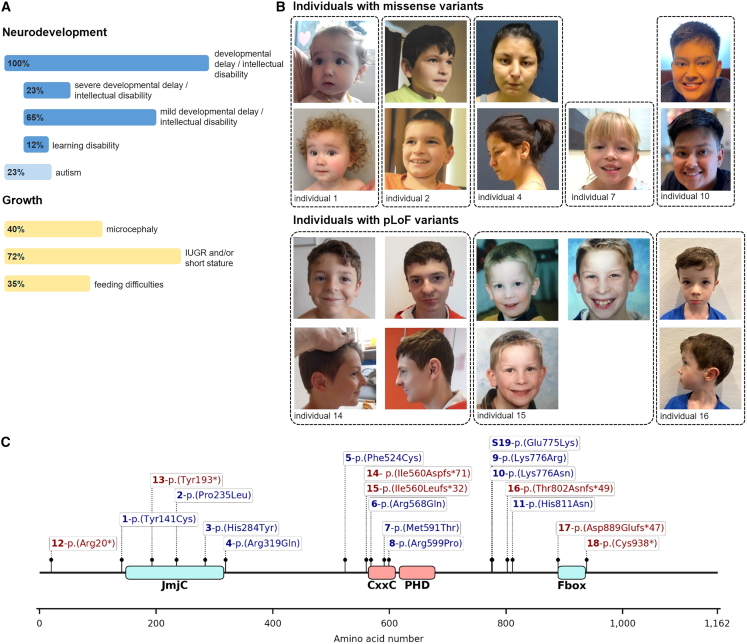 Figure 1
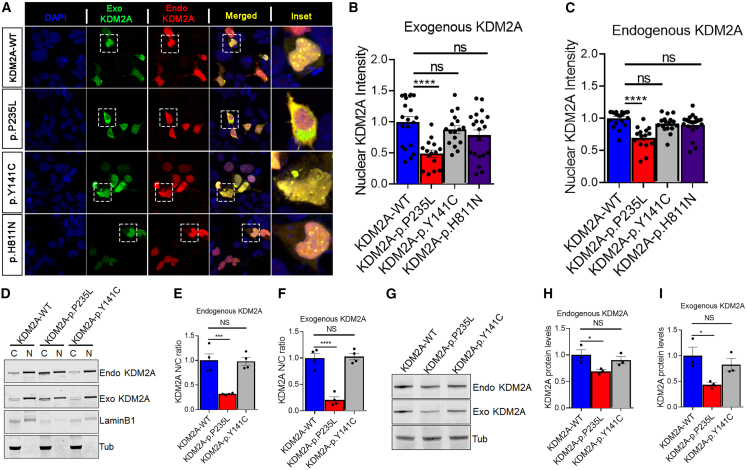 Figure 2
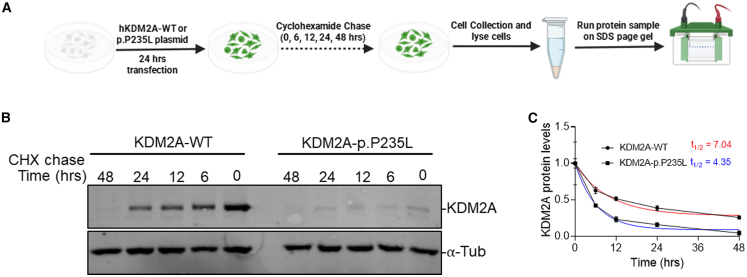 Figure 3
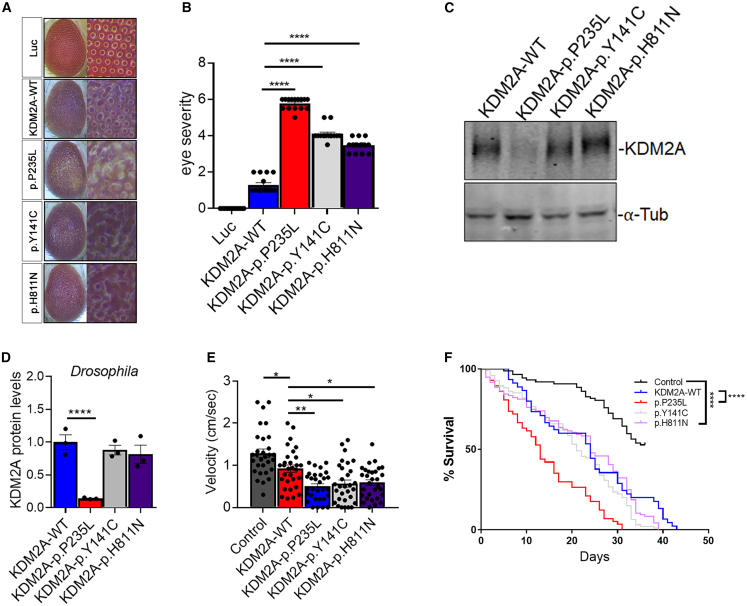 Figure 4
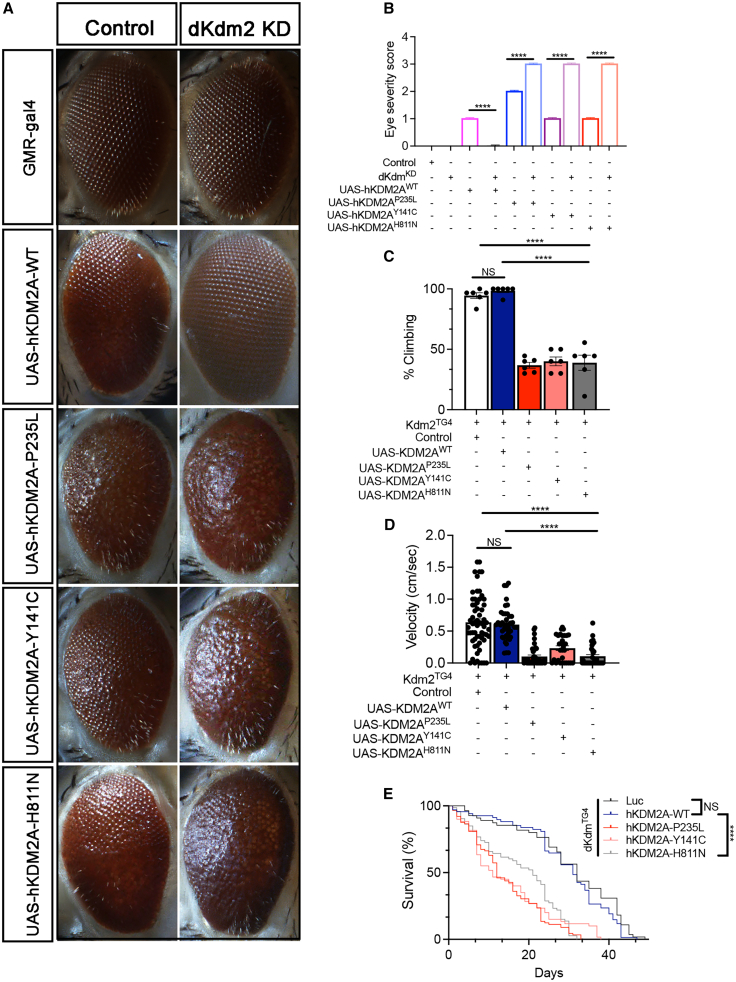 Figure 5
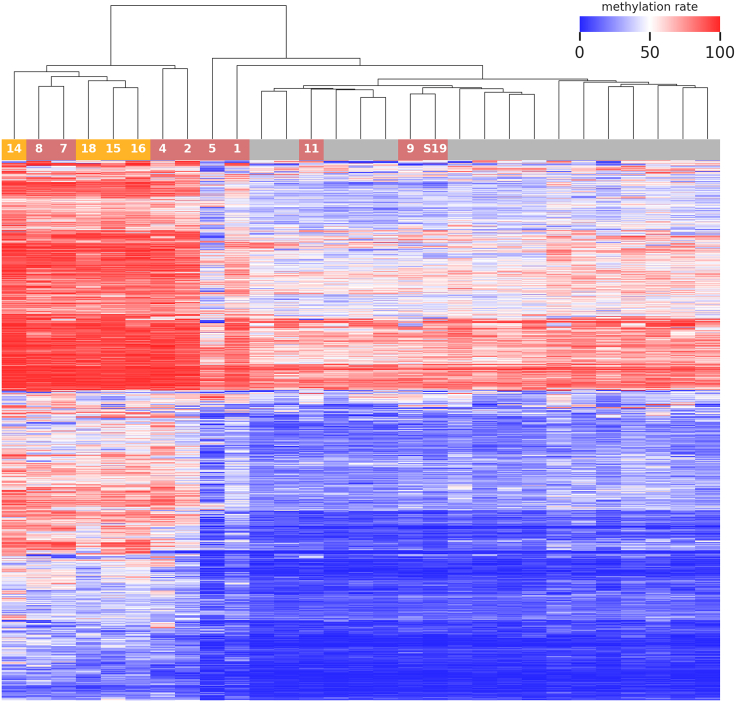 Figure 6
Peer Reviews
No public reviews on file for this paper yet. If you reviewed it on a platform where reviews are public (OpenReview, ICLR, NeurIPS, ICML), you can paste yours below so the community can read it here.
Videos
No videos yet. Explain this paper in a talk, walkthrough, or lecture? Add one.
Taxonomy
TopicsGenomics and Rare Diseases · Epigenetics and DNA Methylation · Genetics and Neurodevelopmental Disorders