2-Methoxyethanol: MAK-Begründung, Nachtrag
Andrea Hartwig

TL;DR
This paper updates the occupational exposure limit for 2-methoxyethanol based on its developmental toxicity and its metabolite's effects on embryos and fetuses.
Contribution
The paper re-evaluates and retains the MAK value for 2-methoxyethanol based on new toxicokinetic and developmental toxicity data.
Findings
The MAK value of 1 ml/m³ was retained based on extrapolation from methoxyacetic acid's biological tolerance value.
A lower concentration of 0.15 ml/m³ is proposed for Pregnancy Risk Group C based on rabbit studies.
2-methoxyethanol remains in Pregnancy Risk Group B due to potential fetal risks at the MAK value.
Abstract
The German Senate Commission for the Investigation of Health Hazards of Chemical Compounds in the Work Area (MAK Commission) re-evaluated the data for developmental toxicity and the derivation of the occupational exposure limit value (maximum concentration at the workplace, MAK value) for 2-methoxyethanol [109-86-4]. The MAK value was derived in analogy to the BAT value (biological tolerance value) for the metabolite methoxyacetic acid of 15 mg methoxyacetic acid/g creatinine. This concentration was extrapolated to a 2-methoxyethanol concentration in air using the findings of a volunteer study and toxicokinetic considerations. The MAK value of 1 ml/m3 was retained based on these results. The substance remains classified in Pregnancy Risk Group B because a risk for the developing foetus cannot be ruled out at exposure to the MAK value of 1 ml/m3. This was concluded based on…
Genes, proteins, chemicals, diseases, species, mutations and cell lines named across the full text — each resolved to its canonical identifier and authoritative record.
Click any figure to enlarge with its caption.
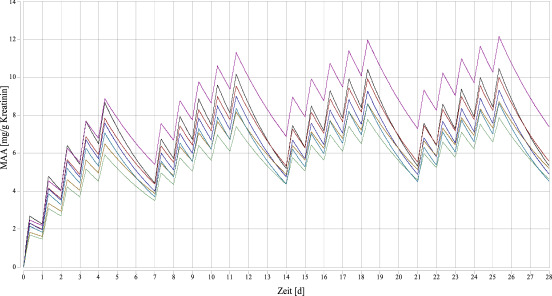 Figure 1
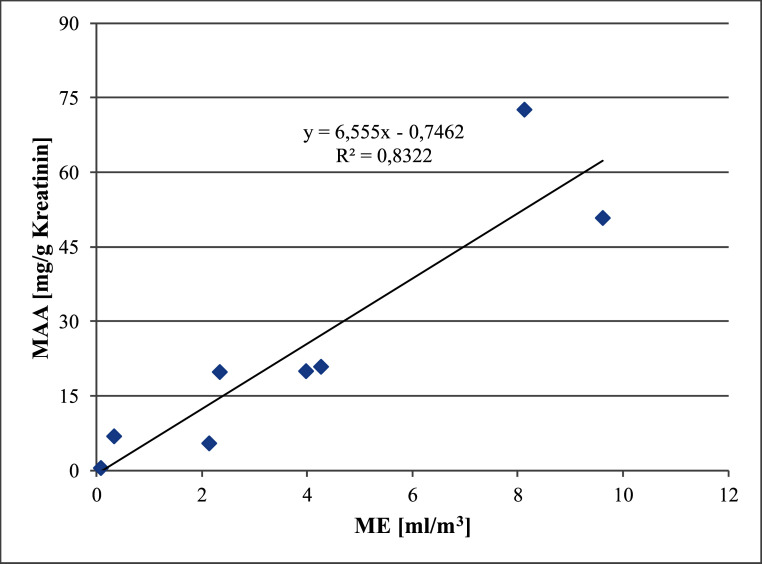 Figure 2
Peer Reviews
No public reviews on file for this paper yet. If you reviewed it on a platform where reviews are public (OpenReview, ICLR, NeurIPS, ICML), you can paste yours below so the community can read it here.
Videos
No videos yet. Explain this paper in a talk, walkthrough, or lecture? Add one.
Taxonomy
TopicsCarcinogens and Genotoxicity Assessment · Occupational exposure and asthma · Contact Dermatitis and Allergies