GA4GH phenopacket-driven characterization of genotype-phenotype correlations in Mendelian disorders
Lauren Rekerle, Daniel Danis, Filip Rehburg, Adam S.L. Graefe, Viktor Bily, Andrés Caballero-Oteyza, Pilar Cacheiro, Leonardo Chimirri, Jessica X. Chong, Evan Connelly, Bert B.A. de Vries, Alexander J.M. Dingemans, Michael H. Duyzend, Tomas Freiberger, Petra Gehle, Tudor Groza

TL;DR
A new software tool called GPSEA uses standardized data to find genotype-phenotype correlations in Mendelian diseases, improving clinical understanding.
Contribution
GPSEA introduces a standardized approach using GA4GH Phenopacket Schema to enhance discovery of genotype-phenotype correlations.
Findings
GPSEA identified 253 significant genotype-phenotype correlations across 85 cohorts.
48 cohorts showed at least one statistically significant genotype-phenotype correlation.
Standardized data representations enable scalable discovery of genotype-phenotype correlations.
Abstract
Comprehensively characterizing genotype-phenotype correlations (GPCs) in Mendelian disease would create new opportunities for improving clinical management and understanding disease biology. However, heterogeneous approaches to data sharing, reuse, and analysis have hindered progress in the field. We developed Genotype-Phenotype Statistical Evaluation of Associations (GPSEA), a software package that leverages the Global Alliance for Genomics and Health (GA4GH) Phenopacket Schema to represent case-level clinical and genetic data about individuals. GPSEA applies an independent filtering strategy to boost statistical power to detect categorical GPCs represented by Human Phenotype Ontology terms. GPSEA additionally enables visualization and analysis of continuous phenotypes, clinical severity scores, and survival data such as age of onset of disease or clinical manifestations. We applied…
Genes, proteins, chemicals, diseases, species, mutations and cell lines named across the full text — each resolved to its canonical identifier and authoritative record.
Click any figure to enlarge with its caption.
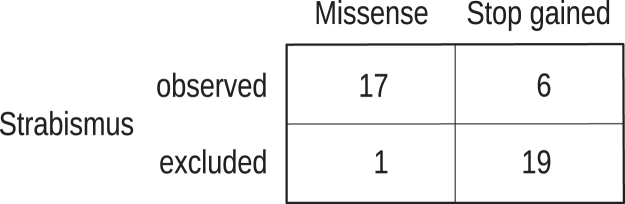 Figure 1
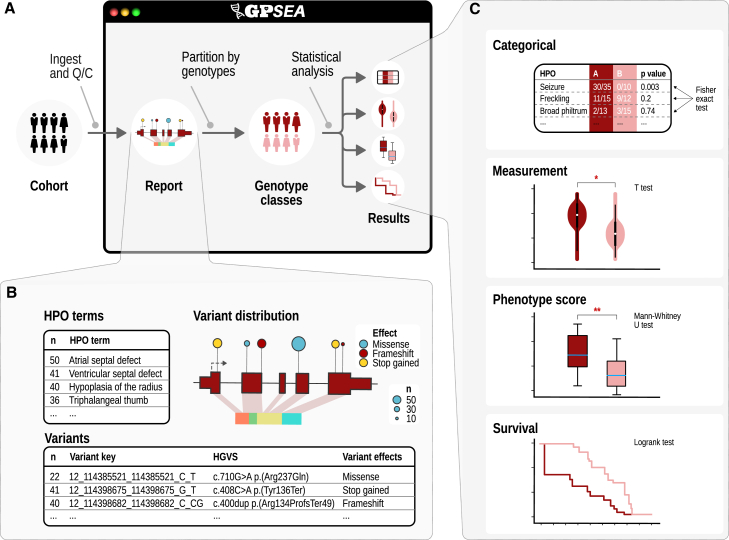 Figure 2
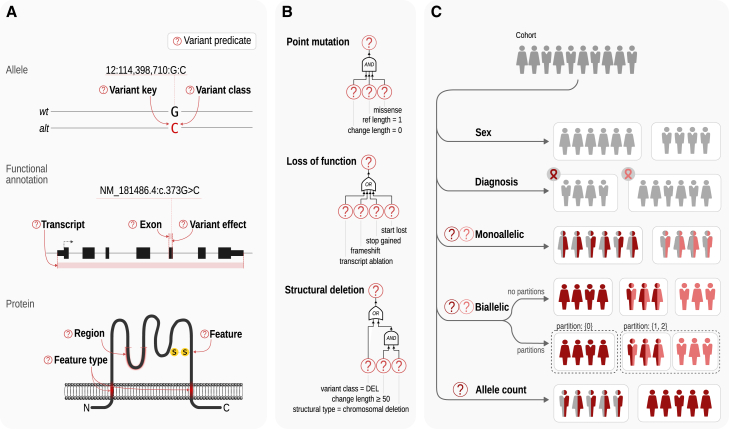 Figure 3
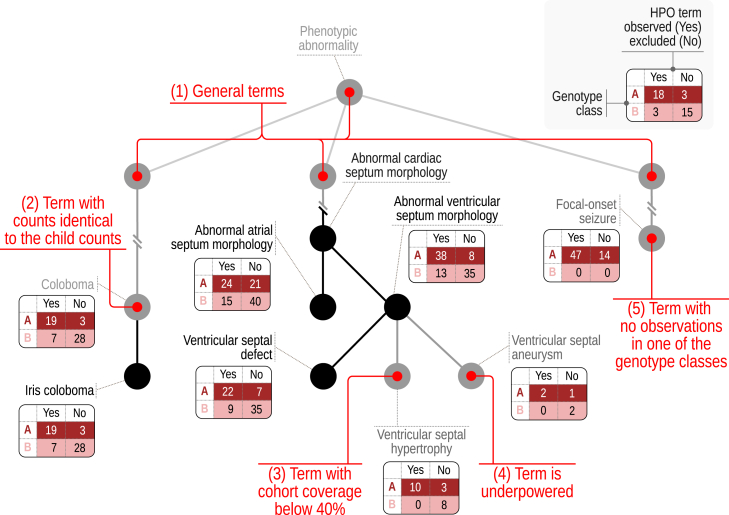 Figure 4
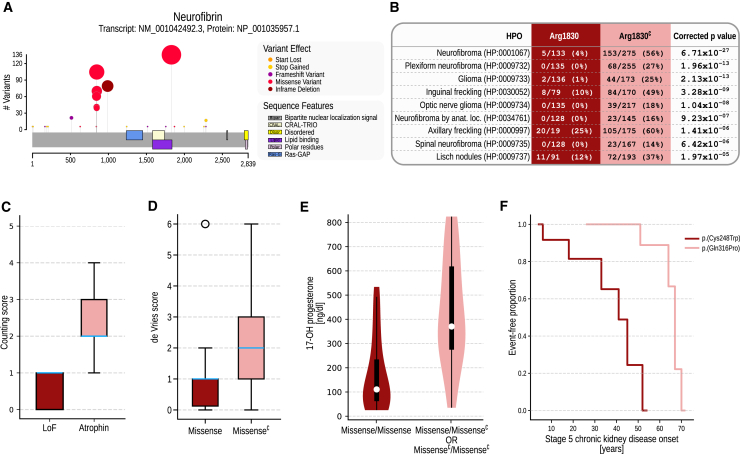 Figure 5
Peer Reviews
No public reviews on file for this paper yet. If you reviewed it on a platform where reviews are public (OpenReview, ICLR, NeurIPS, ICML), you can paste yours below so the community can read it here.
Videos
No videos yet. Explain this paper in a talk, walkthrough, or lecture? Add one.
Taxonomy
TopicsGenomics and Rare Diseases · Genetic Associations and Epidemiology · Biomedical Text Mining and Ontologies