Excessive Vitamin E Supplementation: Implications for Ovarian Physiology and Reproductive Health
Farzaneh Rabiee, Masoud Fattahi, Mohammad Iranzad, Mohsen Rahimi Andani, Farnoosh Jafarpour, Mohammad Hossein Sanei, Joel R. Drevet, Mohammad Hossein Nasr-Esfahani

TL;DR
Too much vitamin E can harm female fertility by disrupting the balance of antioxidants and damaging ovarian function.
Contribution
This study reveals the negative effects of excessive vitamin E on reproductive outcomes and ovarian physiology in mice.
Findings
Overdose and severe overdose of vitamin E reduced pregnancy rates, litter size, and oocyte development in mice.
Severe vitamin E overdosage impaired folliculogenesis and reduced uterine thickness.
Excessive vitamin E increased ROS levels without activating the Nrf2 pathway and reduced apoptosis in the ovarian environment.
Abstract
Infertility, a major global health problem affecting ~17.5% of couples, is influenced by various intrinsic (e.g., individual genetics) and extrinsic (e.g., related to environmental stimuli) factors. Oxidative stress and reactive oxygen species (ROS) are at the crossroads of these different stimulus–response pathways for both male and female gametes. While ROS are essential for ovarian processes such as folliculogenesis and oocyte maturation, changes in the ovarian ROS generation/recycling equilibrium can lead to impaired reproductive outcomes. Against this backdrop, noninvasive therapeutic approaches aimed at supplementing antioxidant (AO) molecules have emerged to correct prooxidant imbalances encountered in various stress situations. Numerous molecules have been tested, alone or in combination, for their beneficial effects on reproductive success in both men and women. The aim of this…
Genes, proteins, chemicals, diseases, species, mutations and cell lines named across the full text — each resolved to its canonical identifier and authoritative record.
Click any figure to enlarge with its caption.
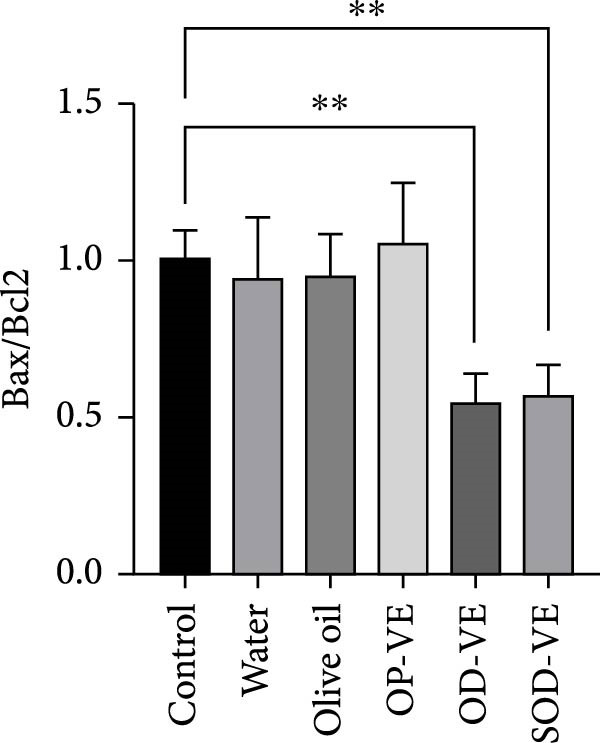 Figure 1
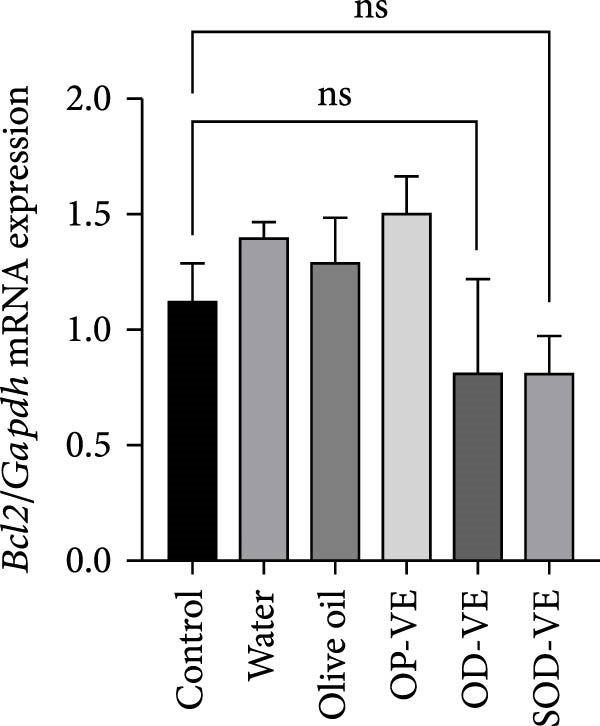 Figure 2
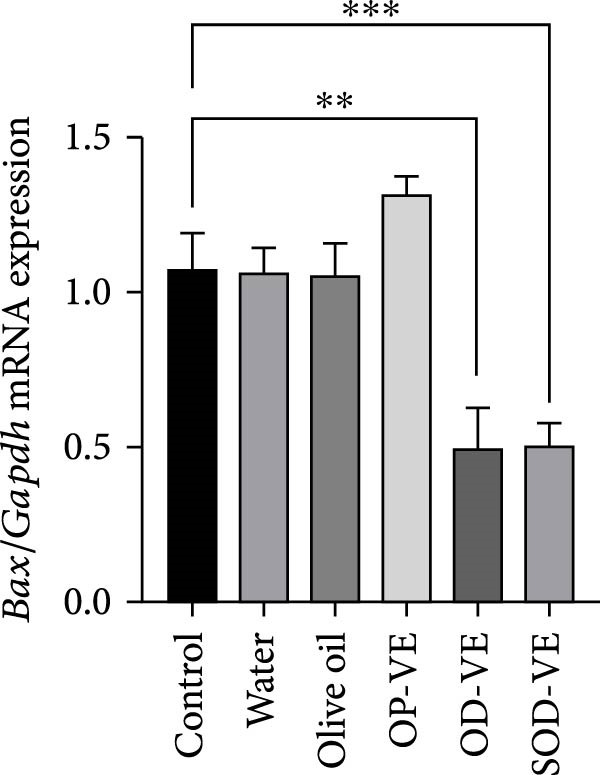 Figure 3
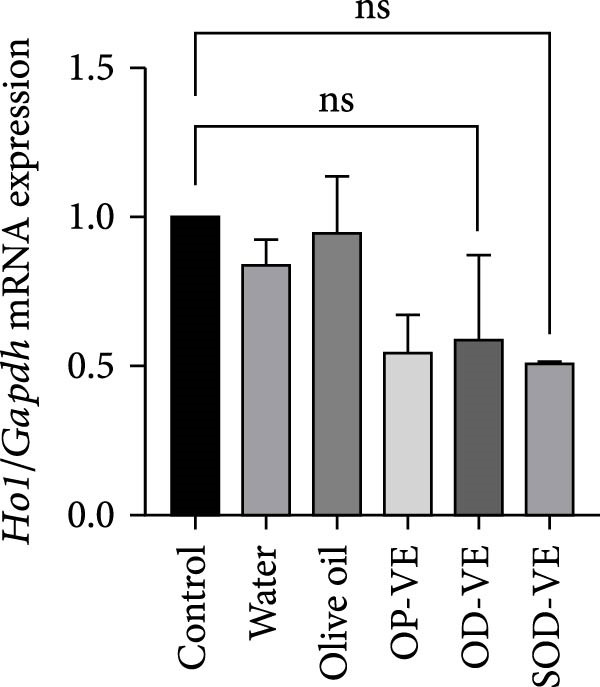 Figure 4
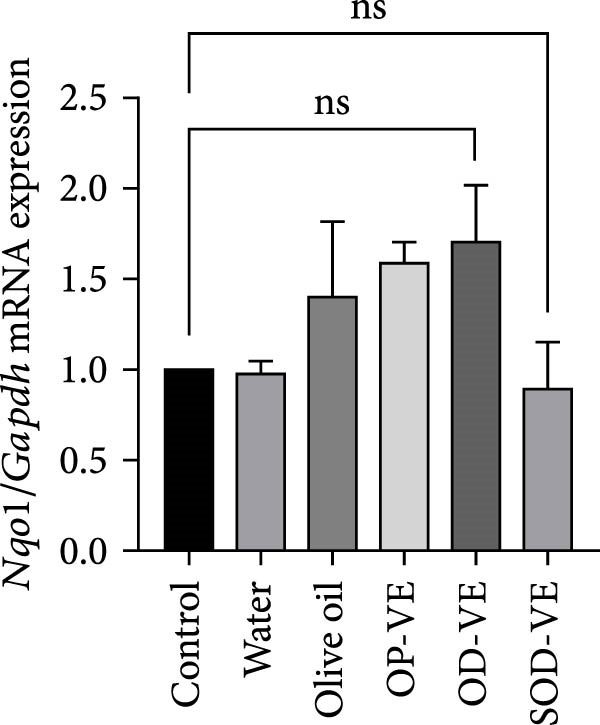 Figure 5
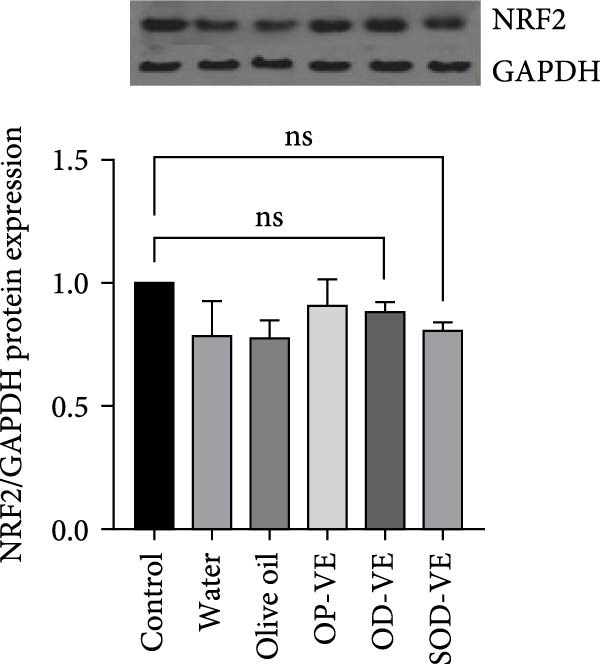 Figure 6
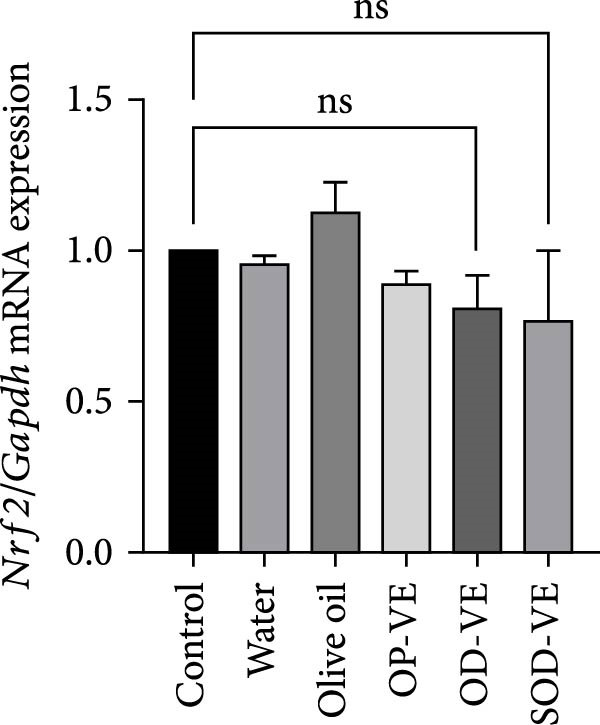 Figure 7
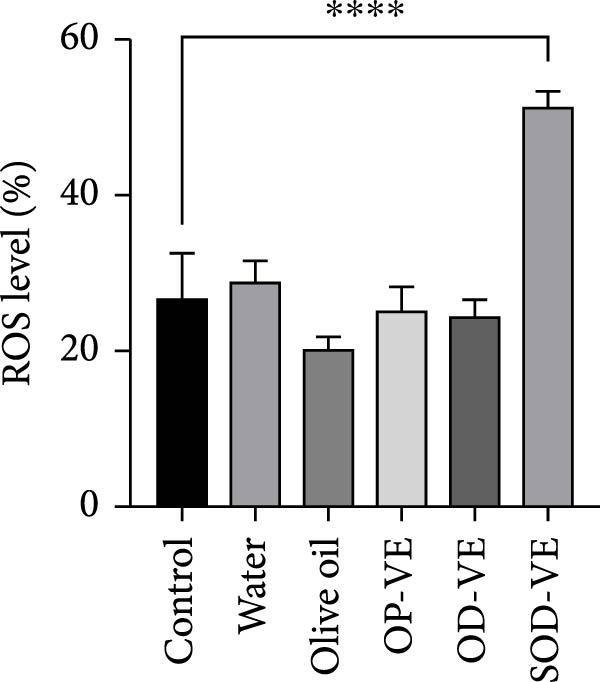 Figure 8
 Figure 9
 Figure 10
 Figure 11
 Figure 12
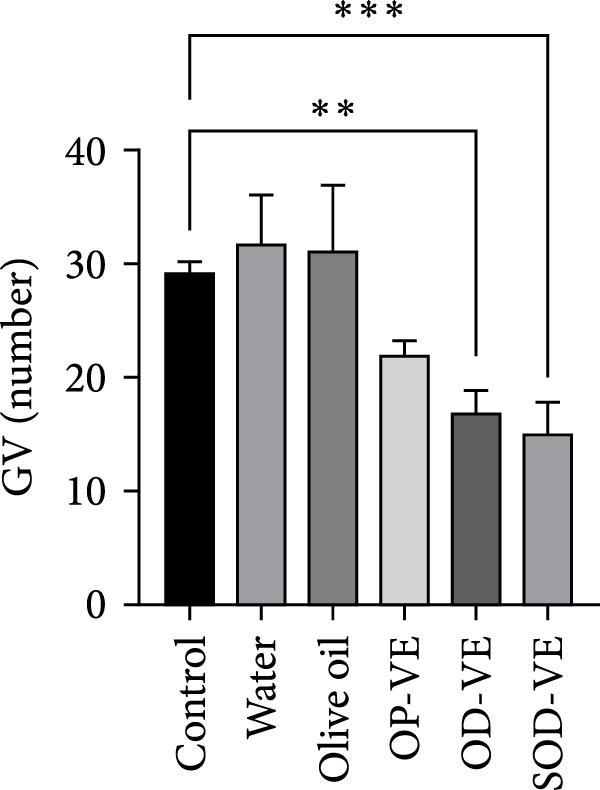 Figure 13
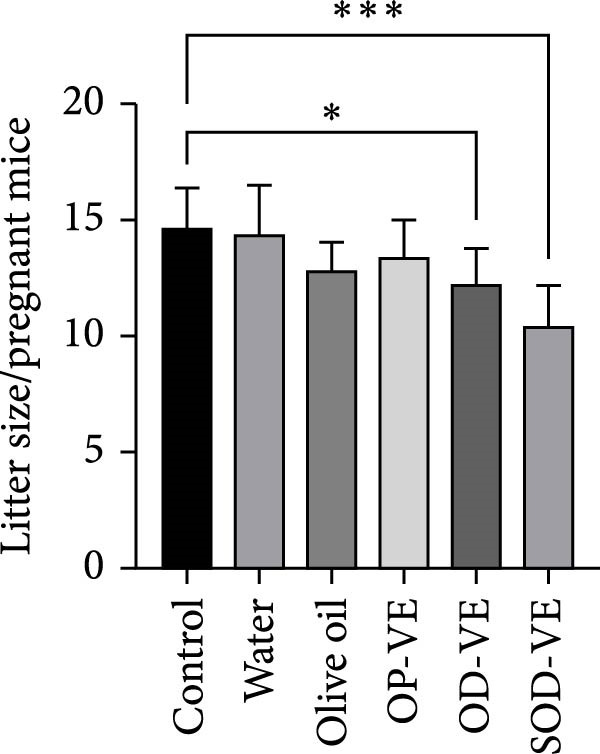 Figure 14
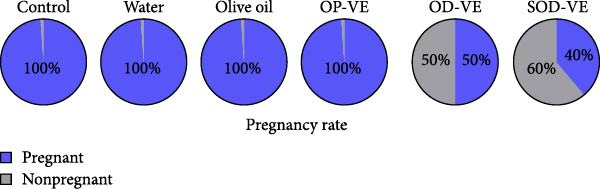 Figure 15
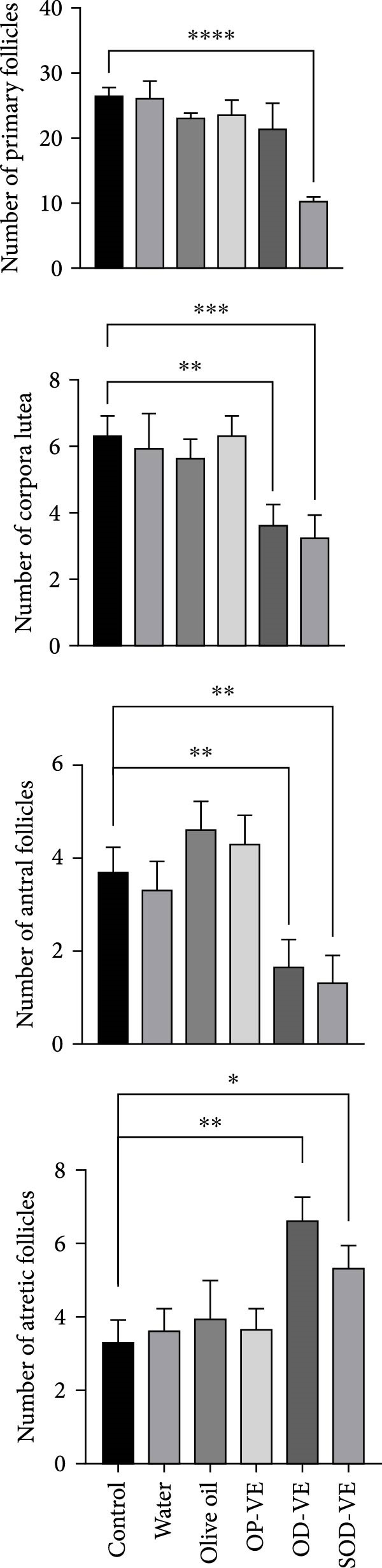 Figure 16
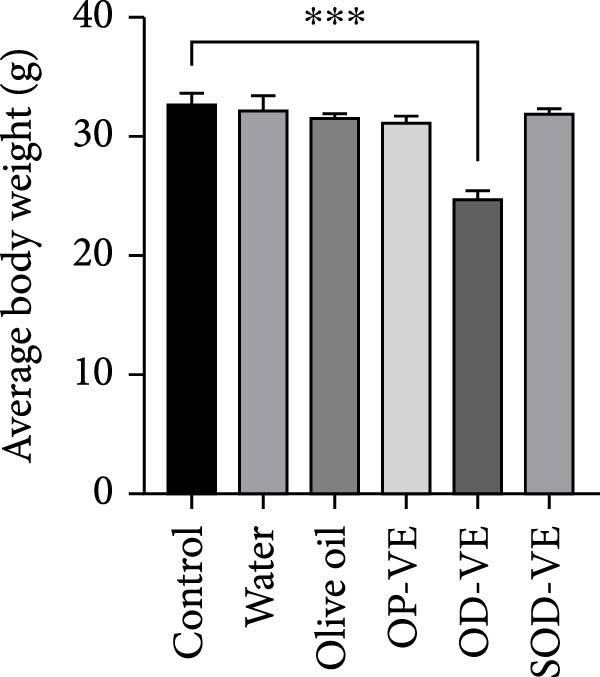 Figure 17
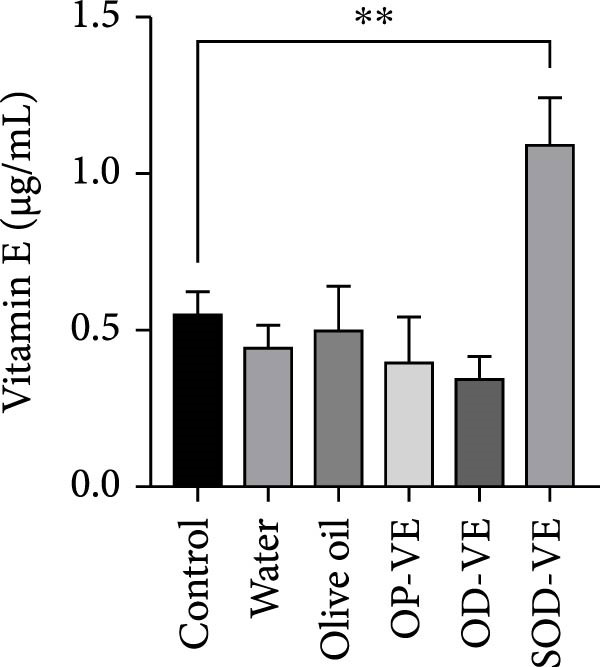 Figure 18
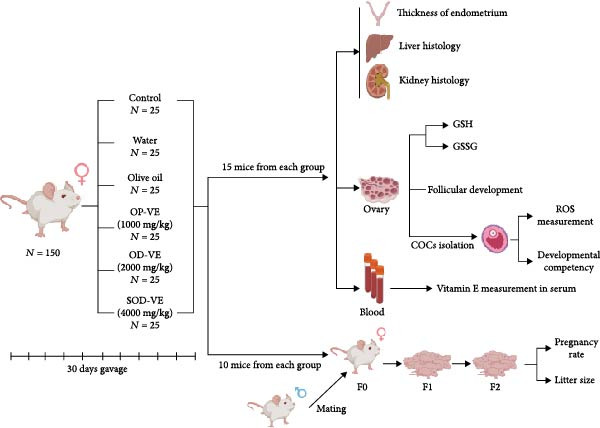 Figure 19
Peer Reviews
No public reviews on file for this paper yet. If you reviewed it on a platform where reviews are public (OpenReview, ICLR, NeurIPS, ICML), you can paste yours below so the community can read it here.
Videos
No videos yet. Explain this paper in a talk, walkthrough, or lecture? Add one.
Taxonomy
TopicsReproductive Biology and Fertility · Antioxidant Activity and Oxidative Stress · Sperm and Testicular Function