CO2 Reactivity but Not CO2‐Induced Orexin/c‐Fos Colocalization Differentially Predicts Alcohol‐Seeking Behaviour After Extinction and Retrieval‐Extinction in Rats
Marissa Raskin, Marcelle Olvera, Kylee A. Smith, Roberto Cofresí, Jason Shumake, Michael J. Telch, Michael W. Otto, Jasper A. J. Smits, Rueben Gonzales, Hongjoo J. Lee, Marie‐H. Monfils

TL;DR
CO2 reactivity can predict alcohol-seeking behavior in rats after extinction or retrieval-extinction, but orexin/c-Fos colocalization does not.
Contribution
CO2 reactivity is shown to predict alcohol-seeking behavior in both dependent and nondependent rats after extinction and retrieval-extinction.
Findings
CO2 reactivity differentially predicts long-term memory after extinction and retrieval-extinction.
Orexin/c-Fos colocalization does not correlate with CO2 reactivity or alcohol-seeking behavior.
CO2 reactivity could serve as a screening tool for cue exposure therapy effectiveness.
Abstract
Cues associated with alcohol consumption can trigger cravings, seeking behaviour and relapse after abstinence in individuals with alcohol use disorder (AUD). These conditioned responses can be attenuated through extinction learning, a core component of cue exposure therapy (CET). CET is effective in some individuals with AUD but not all, so it is necessary to develop strategies to identify and intervene with individuals unlikely to benefit from CET. Another method for attenuating conditioned responding is retrieval‐extinction, which renders the original associative memory labile via distinct neural mechanisms. We recently demonstrated that CO2 reactivity predicts extinction memory for both fear and food cues, and fear memory after retrieval‐extinction, and CO2‐induced orexin/c‐Fos colocalization predicts fear extinction memory. The purpose of the current study was to examine whether the…
Genes, proteins, chemicals, diseases, species, mutations and cell lines named across the full text — each resolved to its canonical identifier and authoritative record.
Click any figure to enlarge with its caption.
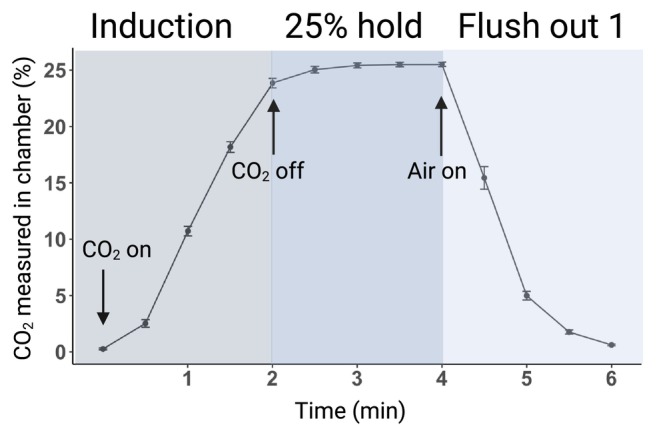 Figure 1
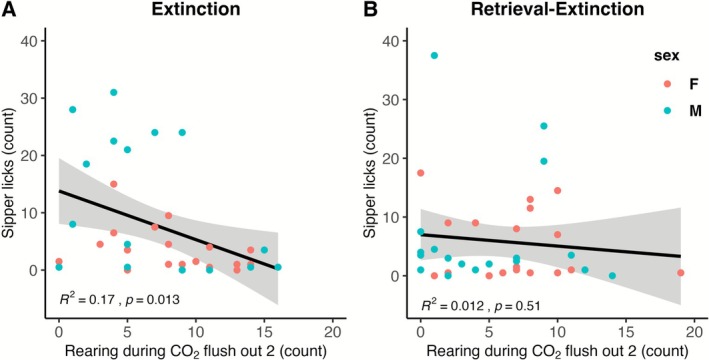 Figure 2
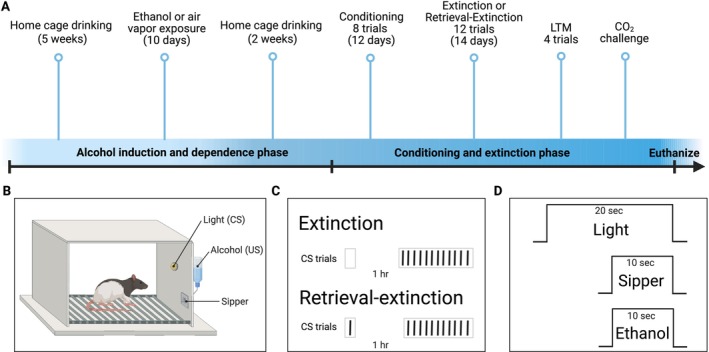 Figure 3
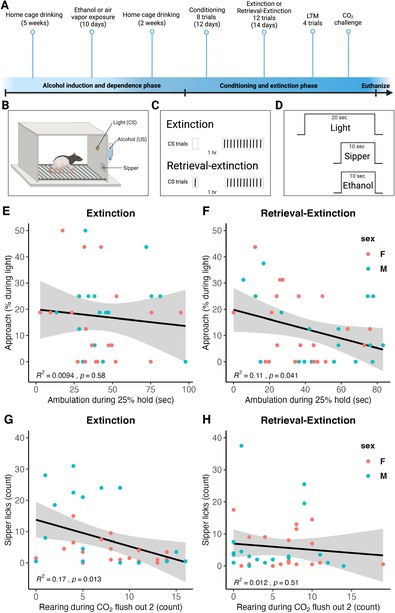 Figure 4
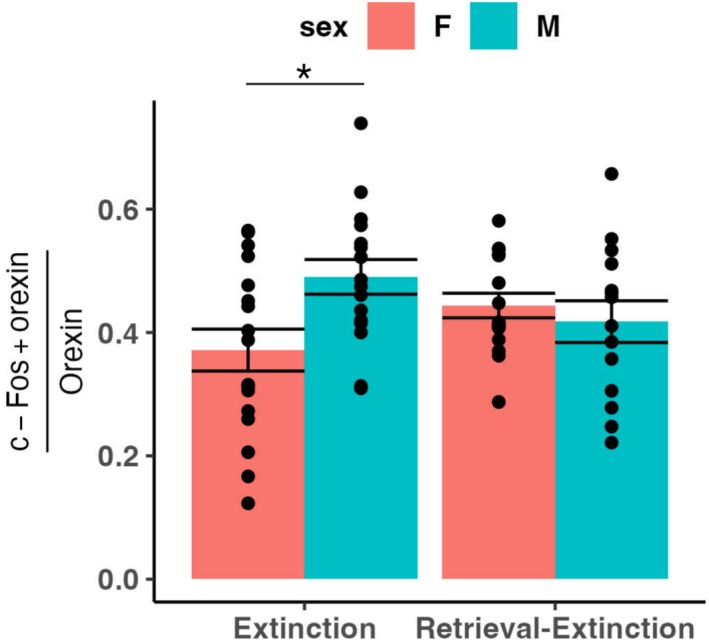 Figure 5
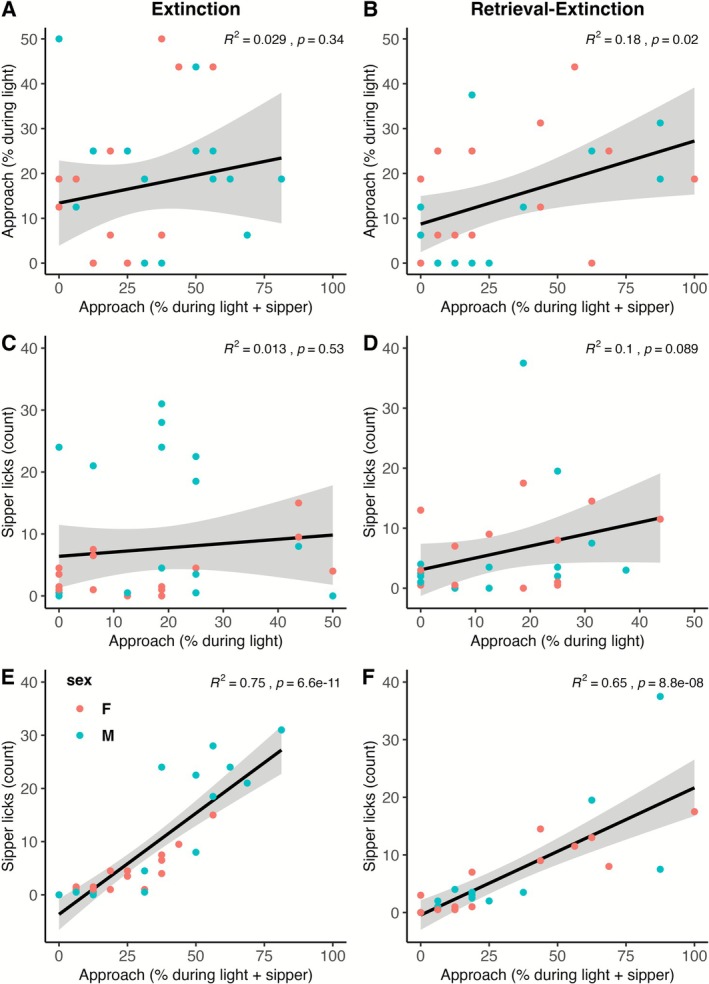 Figure 6
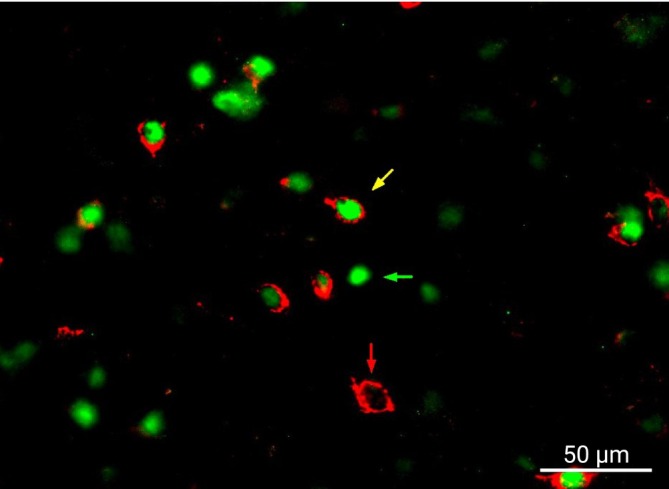 Figure 7
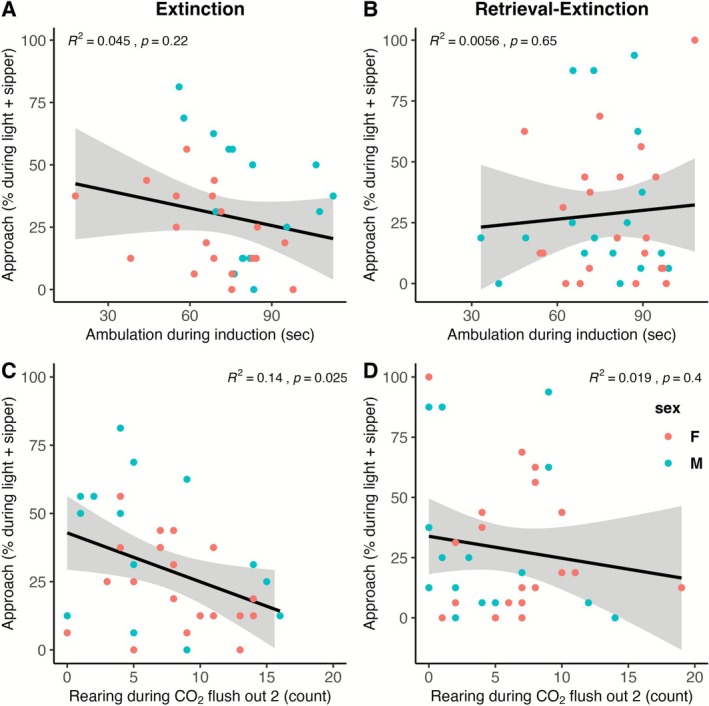 Figure 8
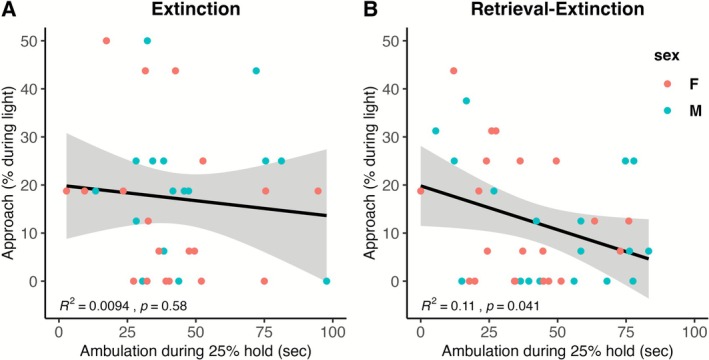 Figure 9
 Figure 10
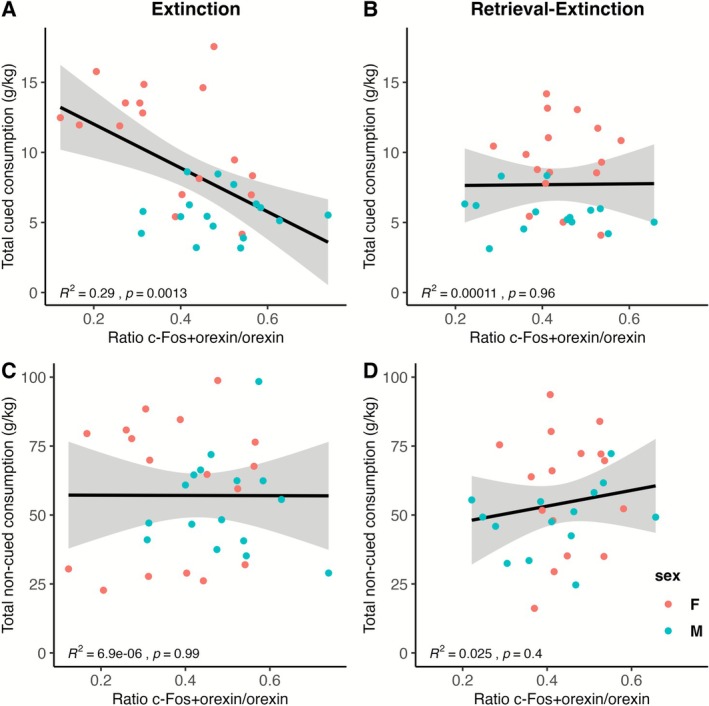 Figure 11
Peer Reviews
No public reviews on file for this paper yet. If you reviewed it on a platform where reviews are public (OpenReview, ICLR, NeurIPS, ICML), you can paste yours below so the community can read it here.
Videos
No videos yet. Explain this paper in a talk, walkthrough, or lecture? Add one.
Taxonomy
TopicsMemory and Neural Mechanisms · Neurotransmitter Receptor Influence on Behavior · Sleep and Wakefulness Research