Deep Learning for Dynamic Prognostic Prediction in Minimally Invasive Surgery for Intracerebral Hemorrhage: Model Development and Validation Study
Jingxuan Wang, Jian Shi, Qing Ye, Danyang Chen, Yuhao Sun, Chao Pan, Yingxin Tang, Ping Zhang, Zhouping Tang

TL;DR
A new deep learning model called MultiStep Transformer improves dynamic prediction of survival and recovery outcomes for patients undergoing minimally invasive surgery for brain hemorrhage.
Contribution
The MultiStep Transformer model introduces a novel approach to dynamic prognostic prediction using multi-time point data and handles imbalanced datasets in ICH patients.
Findings
The MultiStep Transformer model outperformed traditional models in predicting survival and functional outcomes with AUROCs of 0.87, 0.85, and 0.75.
The model demonstrated clinical utility with decision curve analysis showing net benefit across various probability thresholds.
The model effectively handles imbalanced data and provides individualized prognosis assessment for ICH patients.
Abstract
The pathological and physiological state of patients with intracerebral hemorrhage (ICH) after minimally invasive surgery (MIS) is a dynamic evolution, and the traditional models cannot dynamically predict prognosis. Clinical data at multiple time points often show the characteristics of different categories, different numbers, and missing data. The existing models lack methods to deal with imbalanced data. This study aims to develop and validate a dynamic prognostic model using multi–time point data from patients with ICH undergoing MIS to predict survival and functional outcomes. In this study, 287 patients who underwent MIS for ICH were retrospectively collected on the day of surgery, days 1, 3, 7, and 14 after surgery, and the day of drainage tube removal. Their general information, vital signs, laboratory test findings, neurological function scores, head hematoma volume, and…
Genes, proteins, chemicals, diseases, species, mutations and cell lines named across the full text — each resolved to its canonical identifier and authoritative record.
Click any figure to enlarge with its caption.
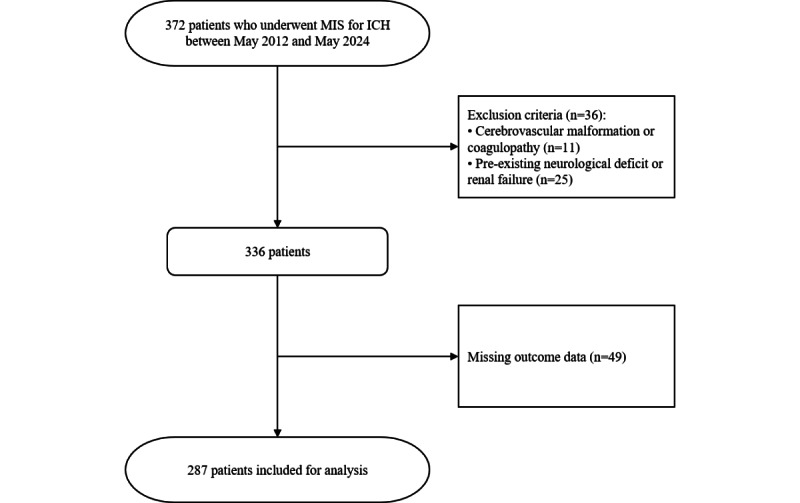 Figure 1
 Figure 10
 Figure 11
 Figure 12
 Figure 13
 Figure 14
 Figure 15
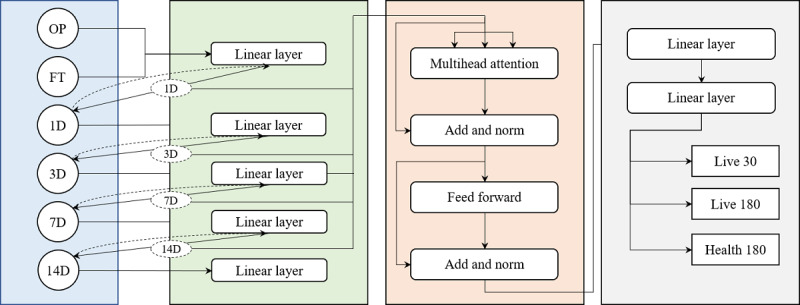 Figure 2
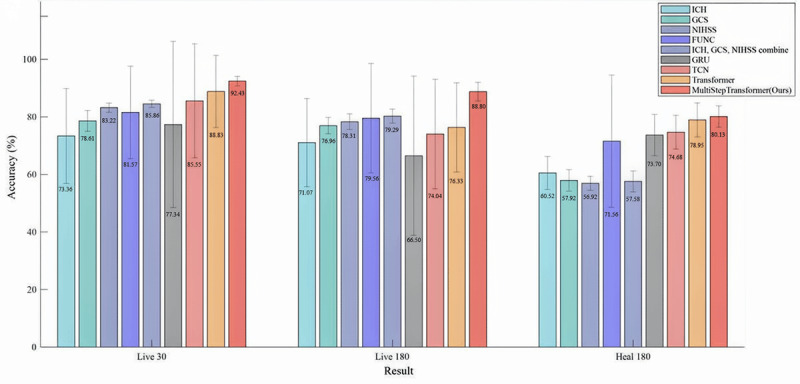 Figure 3
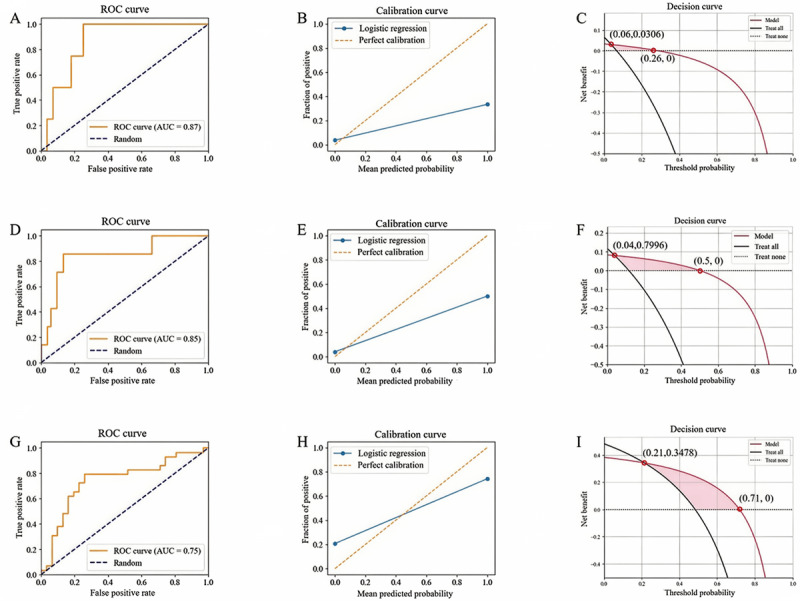 Figure 4
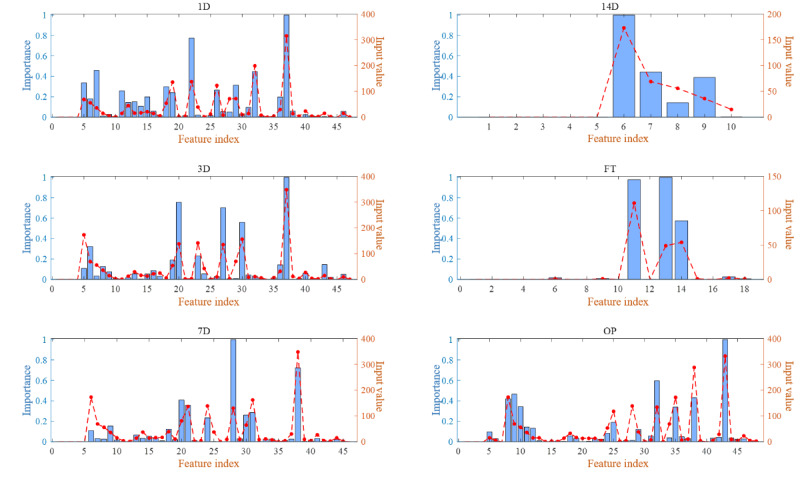 Figure 5
 Figure 6
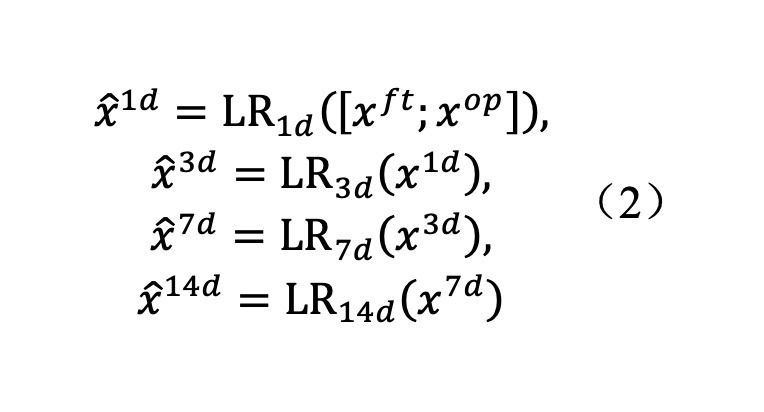 Figure 7
 Figure 8
 Figure 9
Peer Reviews
No public reviews on file for this paper yet. If you reviewed it on a platform where reviews are public (OpenReview, ICLR, NeurIPS, ICML), you can paste yours below so the community can read it here.
Videos
No videos yet. Explain this paper in a talk, walkthrough, or lecture? Add one.
Taxonomy
TopicsIntracerebral and Subarachnoid Hemorrhage Research · Acute Ischemic Stroke Management · Traumatic Brain Injury and Neurovascular Disturbances