Impact of Delayed Recovery of Independent Ambulation and Sarcopenia Progression on Long‐Term Outcomes Following Endovascular Aortic Aneurysm Repair
Hirokazu Sugiura, Tsuyoshi Shibata, Yutaka Iba, Shingo Tsushima, Kenta Yoshikawa, Shun Hayasaka, Tomohiro Nakajima, Junji Nakazawa, Ayaka Arihara, Kenichi Kato, Shigeki Komatsu, Masato Yonemori, Hajime Maeda, Masanori Nakamura, Yuki Sugawara, Nobuyoshi Kawaharada

TL;DR
This study shows that delayed walking recovery and muscle loss after aortic surgery are linked to higher long-term death risk in older patients.
Contribution
The study identifies delayed ambulation and sarcopenia progression as novel independent predictors of mortality after EVAR.
Findings
Delayed ambulation (≥2 days) and sarcopenia progression (ΔPMI ≥6.09% decrease) independently predict mortality after EVAR.
Patients with both delayed ambulation and sarcopenia progression had the worst survival outcomes.
The findings suggest these factors can guide risk stratification and rehabilitation planning.
Abstract
To evaluate the long‐term prognostic impact of delayed recovery of independent ambulation and post‐operative sarcopenia progression in patients undergoing endovascular aortic aneurysm repair (EVAR). In this multicenter retrospective cohort study, 228 patients (mean age 78.1 ± 6.5 years; 82.5% male) who underwent EVAR for abdominal aortic aneurysm between January 2015 and December 2020 were included. Independent ambulation was defined as walking ≥ 15 m. Sarcopenia was assessed using the psoas muscle index (PMI) at L3 on CT, normalized by height squared. Baseline PMI was measured within 3 months preoperatively; post‐operative sarcopenia progression was calculated as ΔPMI/baseline (% change from baseline to 6 months). The primary outcome was all‐cause mortality, analyzed using multivariate Cox proportional hazards models. Over a mean follow‐up of 4.6 ± 2.2 years, 52 patients (22.8%)…
Genes, proteins, chemicals, diseases, species, mutations and cell lines named across the full text — each resolved to its canonical identifier and authoritative record.
Click any figure to enlarge with its caption.
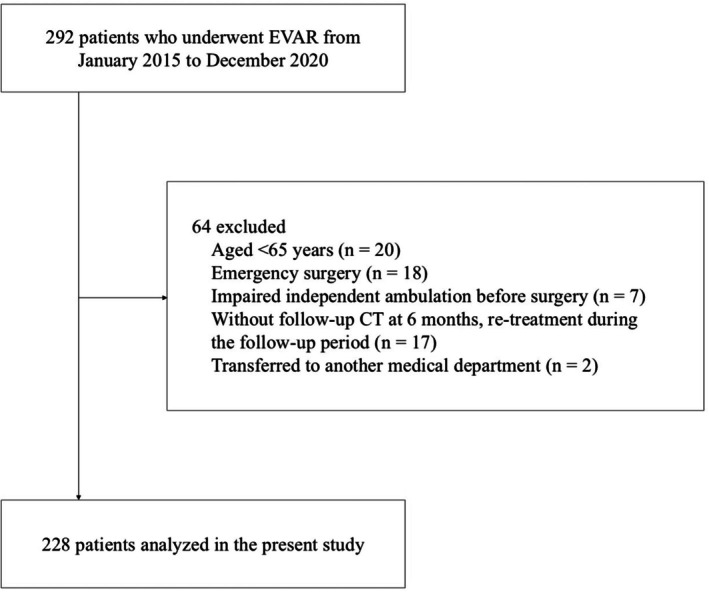 Figure 1
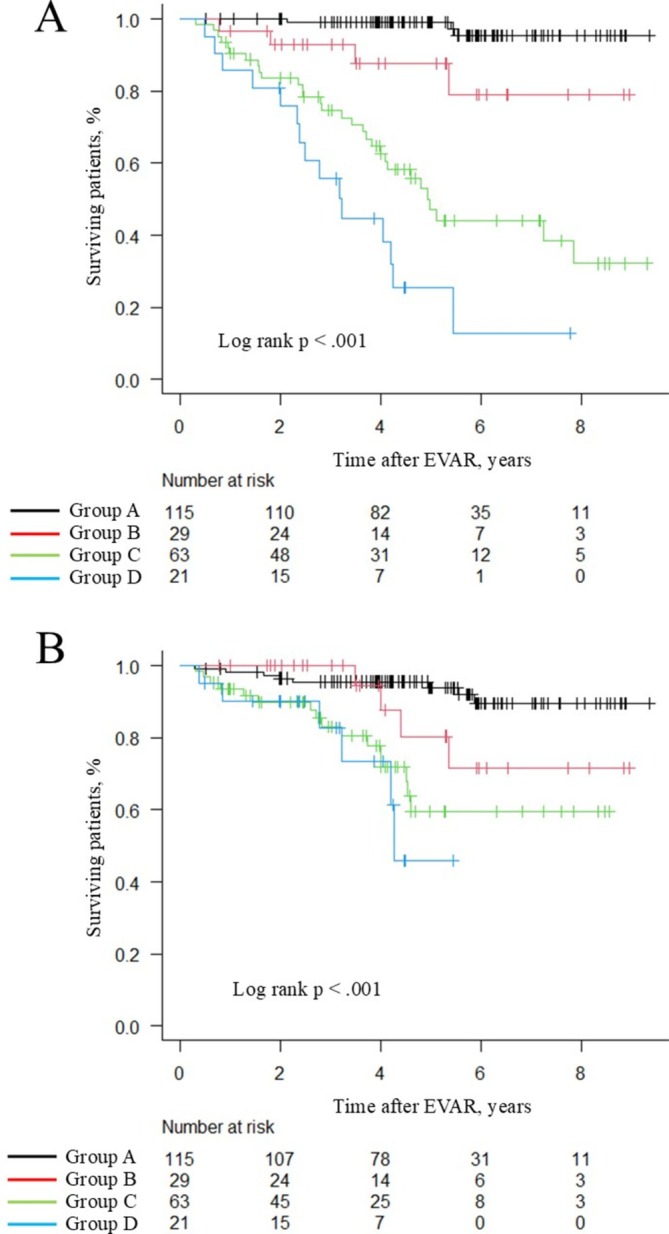 Figure 2
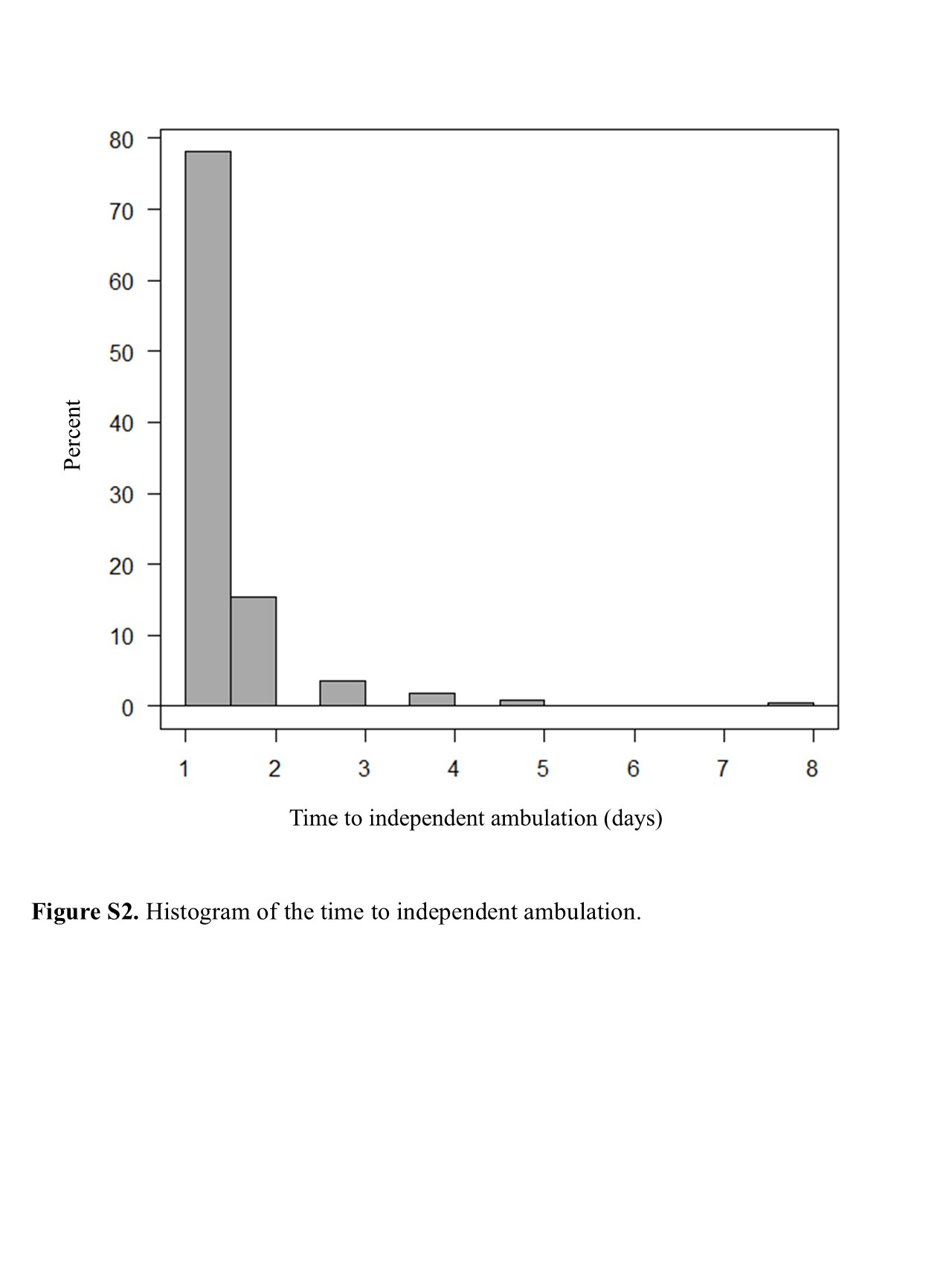 Figure 3
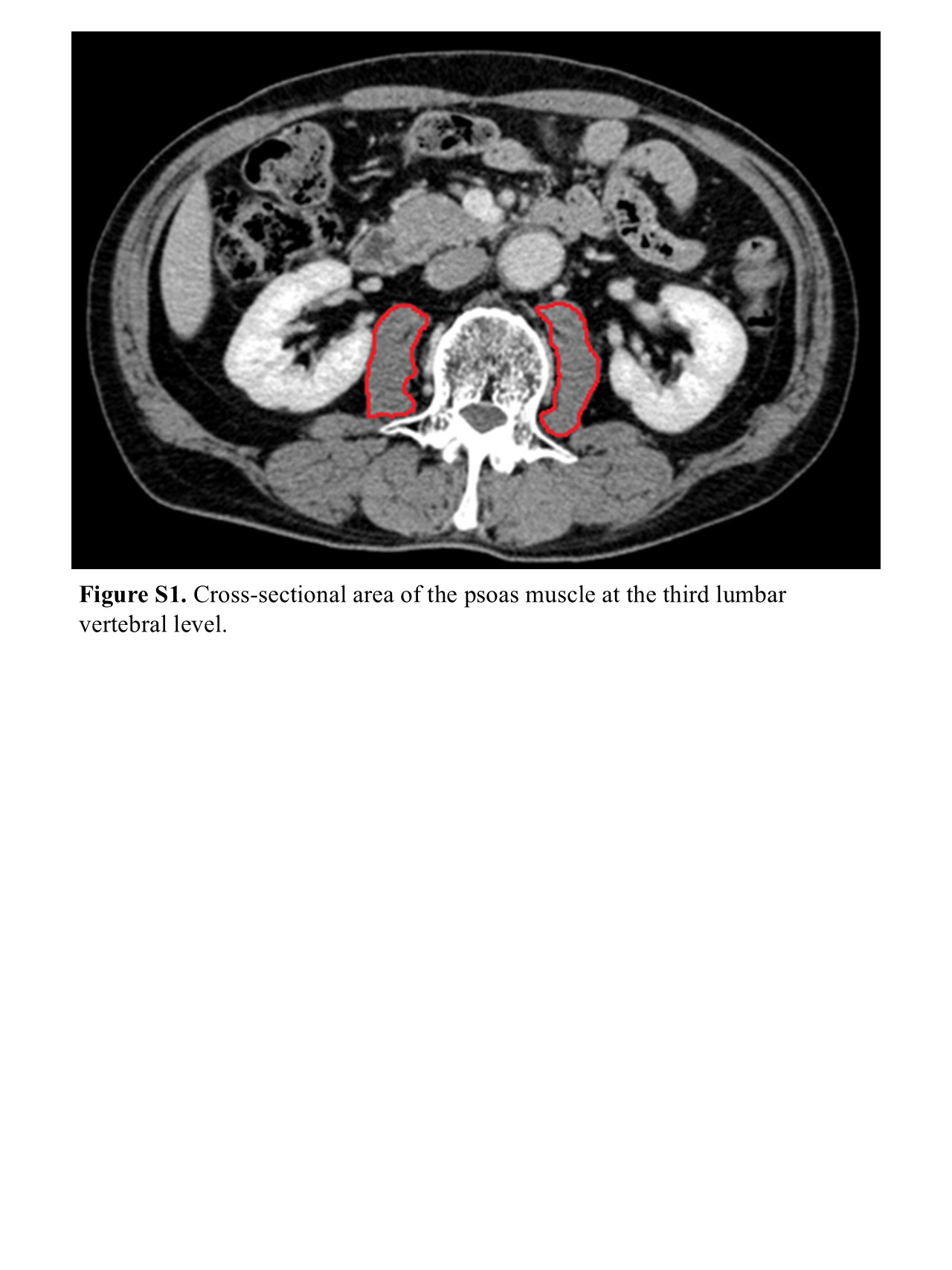 Figure 4
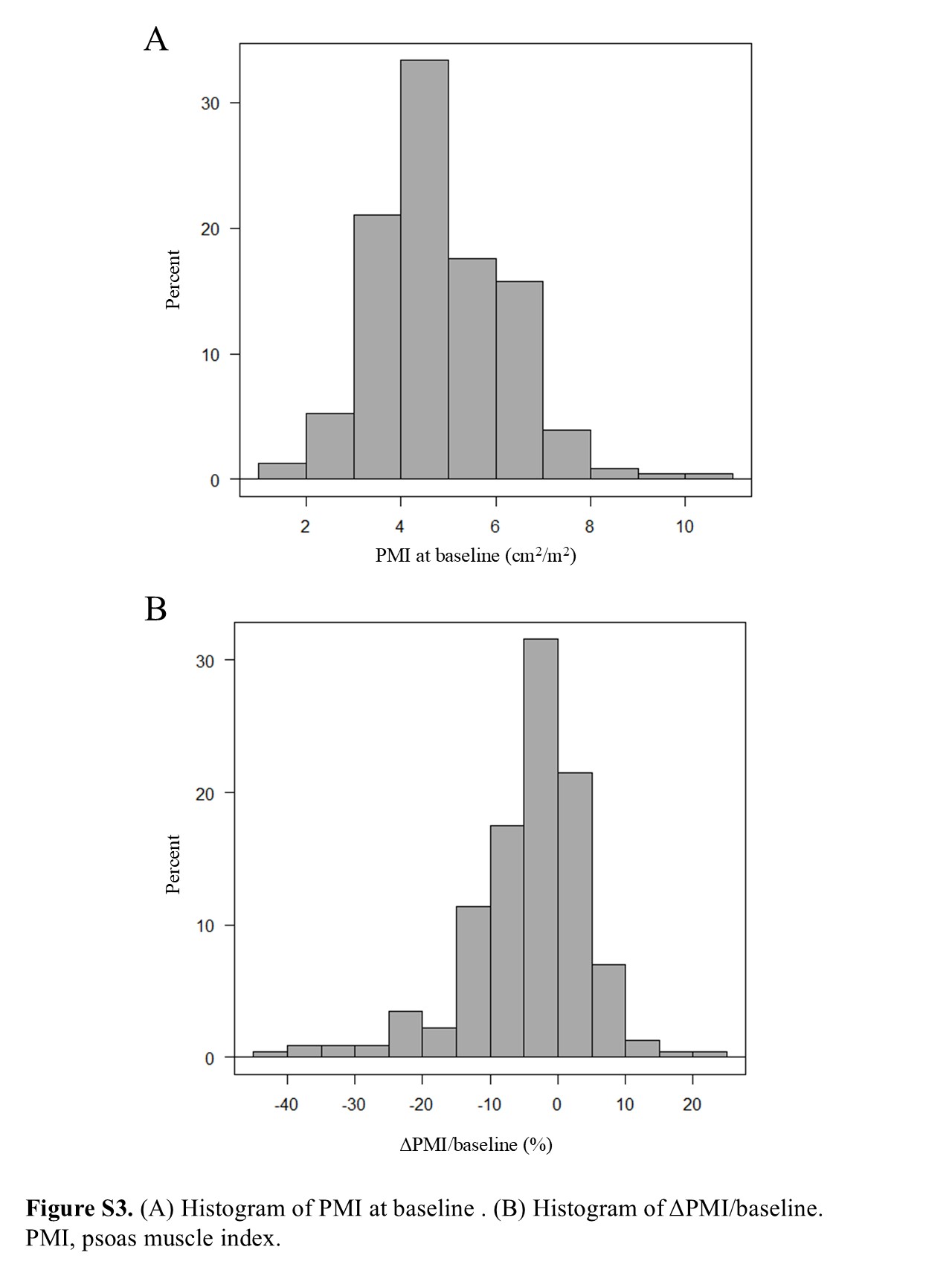 Figure 5
Peer Reviews
No public reviews on file for this paper yet. If you reviewed it on a platform where reviews are public (OpenReview, ICLR, NeurIPS, ICML), you can paste yours below so the community can read it here.
Videos
No videos yet. Explain this paper in a talk, walkthrough, or lecture? Add one.
Taxonomy
TopicsNutrition and Health in Aging · Aortic aneurysm repair treatments · Frailty in Older Adults