A novel prognostic model based on epithelial cell progression genes identifies OAS1 as a suppressor of bladder cancer aggressiveness
Xu Su, Hui Yu, Miaoyu Zhang, Kui Zeng, Fangyang Zhong, Xuerui Chen, Yuanbiao Guo, Liangbin Lin

TL;DR
This study develops a new model to predict bladder cancer outcomes using epithelial cell genes and identifies OAS1 as a key gene that suppresses cancer aggressiveness.
Contribution
A novel prognostic model based on epithelial cell progression genes and the discovery of OAS1 as a suppressor of bladder cancer aggressiveness.
Findings
A four-gene signature model was developed to predict bladder cancer prognosis and immunotherapy response.
OAS1 was identified as a critical gene suppressing cancer cell proliferation, migration, and invasion.
The model's risk score correlates with immune infiltration patterns and patient survival outcomes.
Abstract
Bladder cancer (BLCA) is a highly heterogeneous malignancy with an unpredictable prognosis. Tumour progression is closely linked to the complex tumour microenvironment (TME), particularly the role of epithelial cells. This study aims to identify key epithelial cell-derived signature genes driving tumour progression, construct a reliable prognostic model, and further explore the biological functions of a pivotal gene, OAS1, in BLCA. Single-cell RNA sequencing (scRNA-seq) data from public cohorts were analyzed to identify epithelial cell subpopulations and delineate their malignant progression trajectory. Genes significantly associated with this progression were identified through pseudotime analysis. Bulk RNA-seq and clinical data from The Cancer Genome Atlas (TCGA) BLCA cohort were utilized for least absolute shrinkage and selection operator (LASSO) Cox regression to build a prognostic…
Genes, proteins, chemicals, diseases, species, mutations and cell lines named across the full text — each resolved to its canonical identifier and authoritative record.
Click any figure to enlarge with its caption.
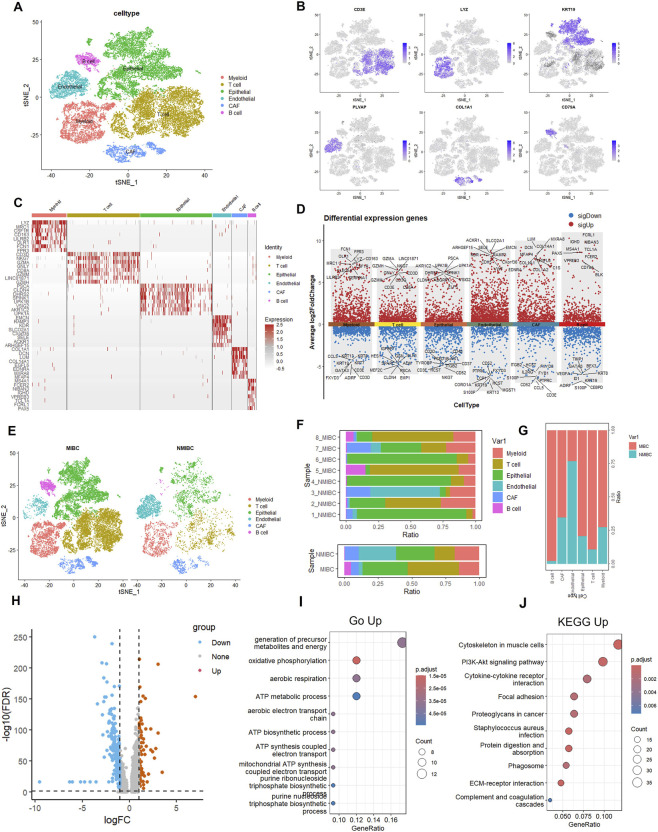 Figure 1
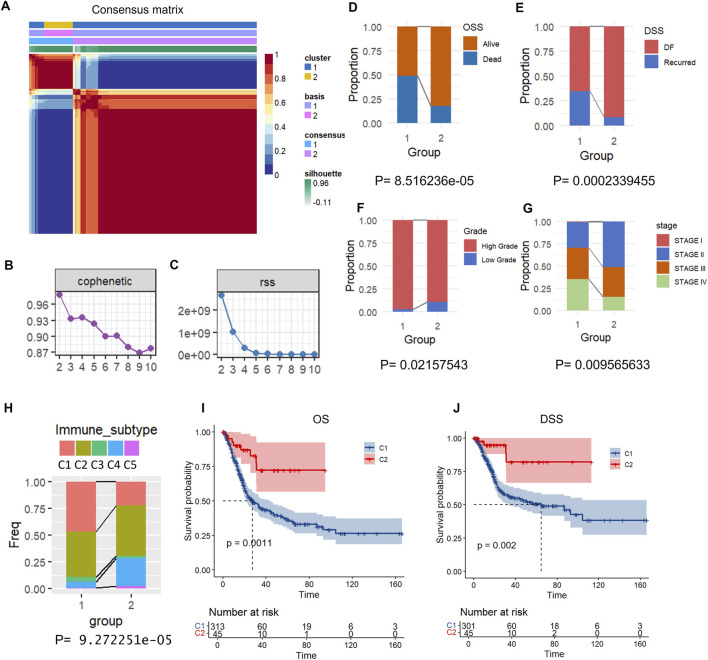 Figure 2
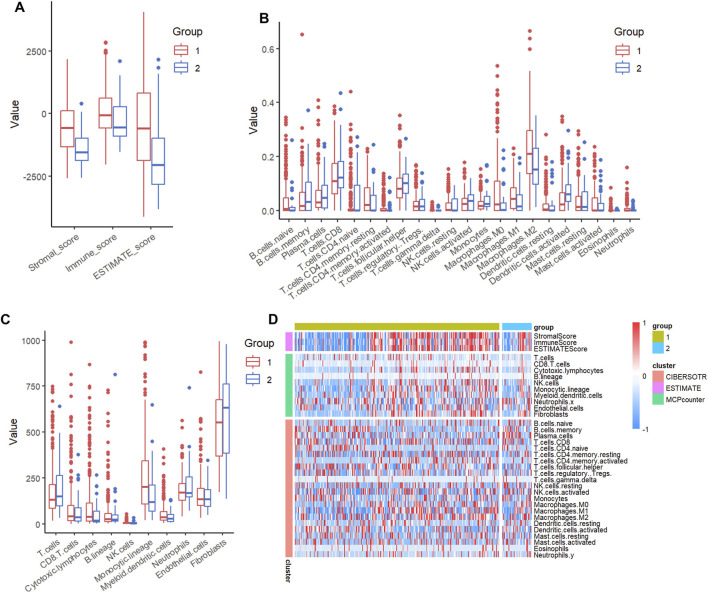 Figure 3
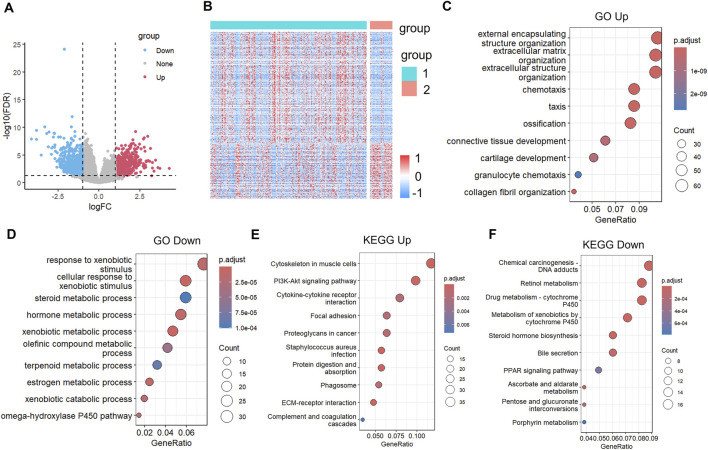 Figure 4
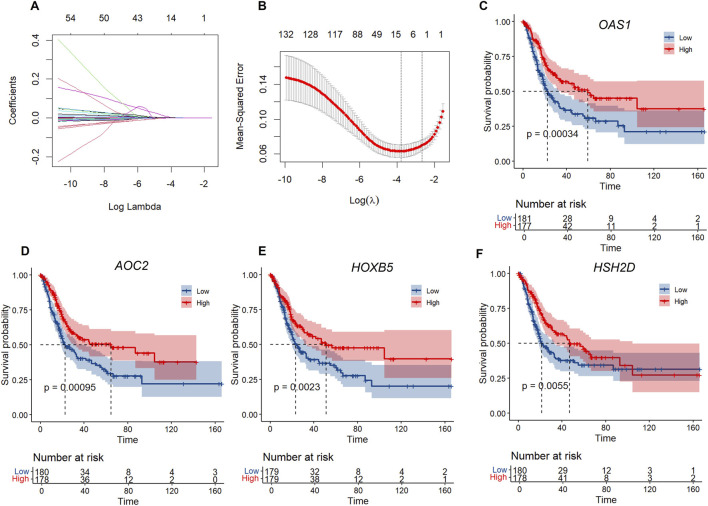 Figure 5
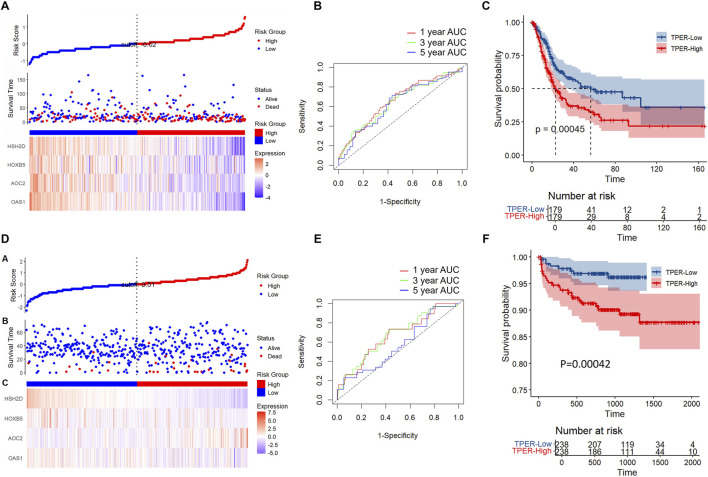 Figure 6
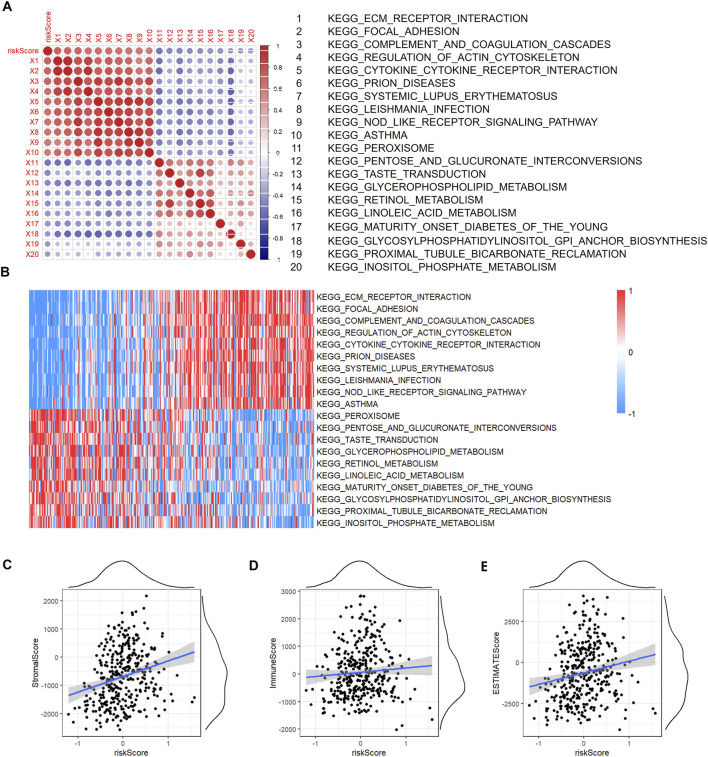 Figure 7
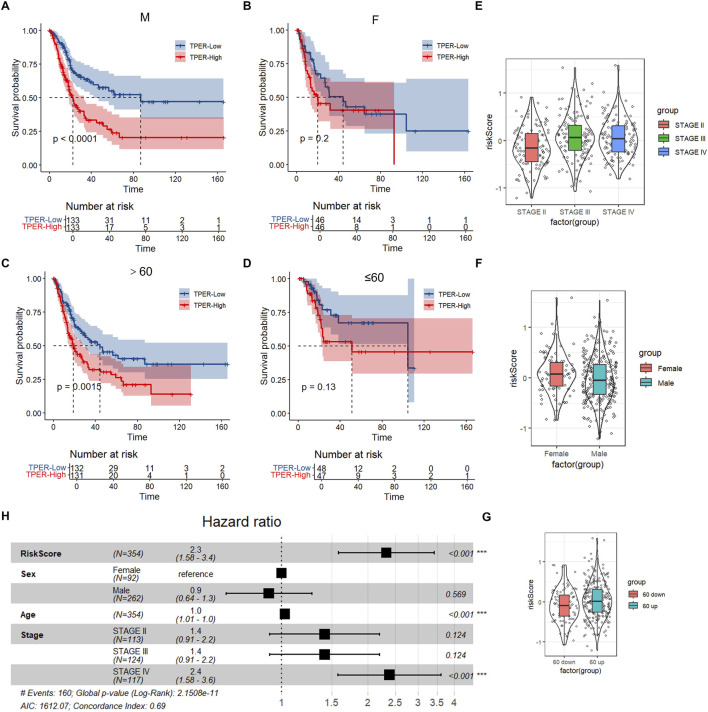 Figure 8
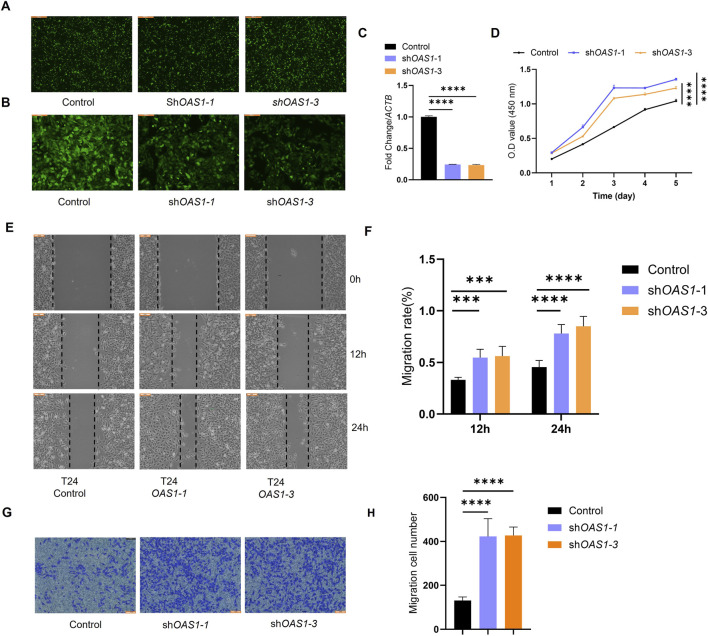 Figure 9
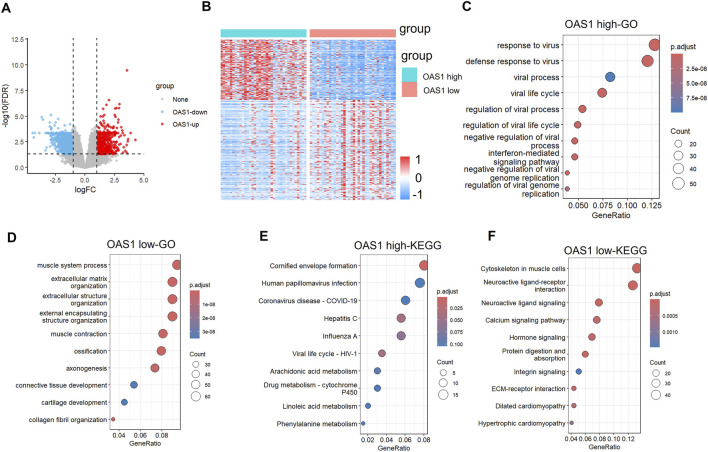 Figure 10
Peer Reviews
No public reviews on file for this paper yet. If you reviewed it on a platform where reviews are public (OpenReview, ICLR, NeurIPS, ICML), you can paste yours below so the community can read it here.
Videos
No videos yet. Explain this paper in a talk, walkthrough, or lecture? Add one.
Taxonomy
TopicsSingle-cell and spatial transcriptomics · Ferroptosis and cancer prognosis · Bladder and Urothelial Cancer Treatments