Diabetes Induces Accumulation of Carbonylated Proteins in the Rat Retinal Pigment Epithelium Independently of Oxidative Stress
Elena Morales‐Ramírez, Juan David Villeda‐González, Gustavo Sánchez‐Chávez, Rocío Salceda

TL;DR
Diabetes causes harmful protein changes in eye cells, possibly leading to vision damage, even without typical oxidative stress.
Contribution
The study reveals that protein carbonylation in the retinal pigment epithelium occurs independently of oxidative stress in diabetic rats.
Findings
Hyperglycemia increases oxidized proteins and lipid peroxidation in rat retinal pigment epithelium.
Antioxidant defenses like Nrf2 and glutathione remain unchanged despite increased protein oxidation.
Protein carbonylation may impair RPE function, contributing to diabetic retinopathy.
Abstract
Diabetic retinopathy (DR) is a major complication of diabetes mellitus. Growing evidence shows that hyperglycemia causes not only microvascular damage but also retinal neural dysfunction. Although different metabolic pathways have been implicated, the exact mechanism behind retinal degeneration remains unclear. Hyperglycemic stimuli have been shown to reduce the function of the retinal blood–barrier (BRB) in both diabetic humans and animals. As part of the BRB, the retinal pigment epithelium (RPE) plays a key role in retinal function by regulating the flow of metabolites and ions between the choroidal blood supply and the outer retina, and by supporting photoreceptor cell functions. Therefore, RPE dysfunction can lead to retinal injury. To understand the role of RPE in DR, we studied oxidative stress in the RPE at the early onset of streptozotocin‐induced diabetes in rats. We found a…
Genes, proteins, chemicals, diseases, species, mutations and cell lines named across the full text — each resolved to its canonical identifier and authoritative record.
Click any figure to enlarge with its caption.
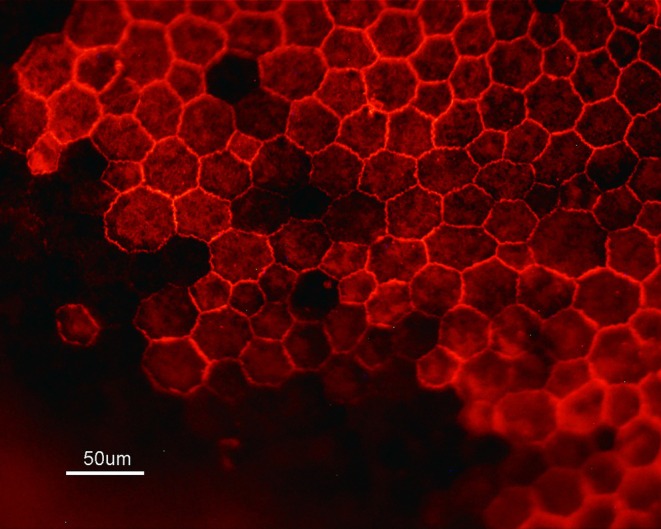 Figure 1
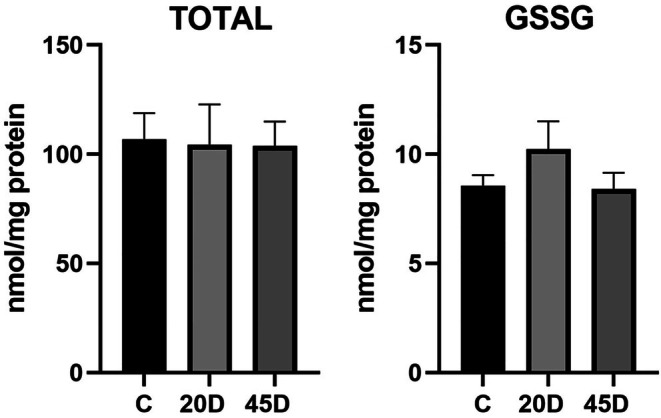 Figure 2
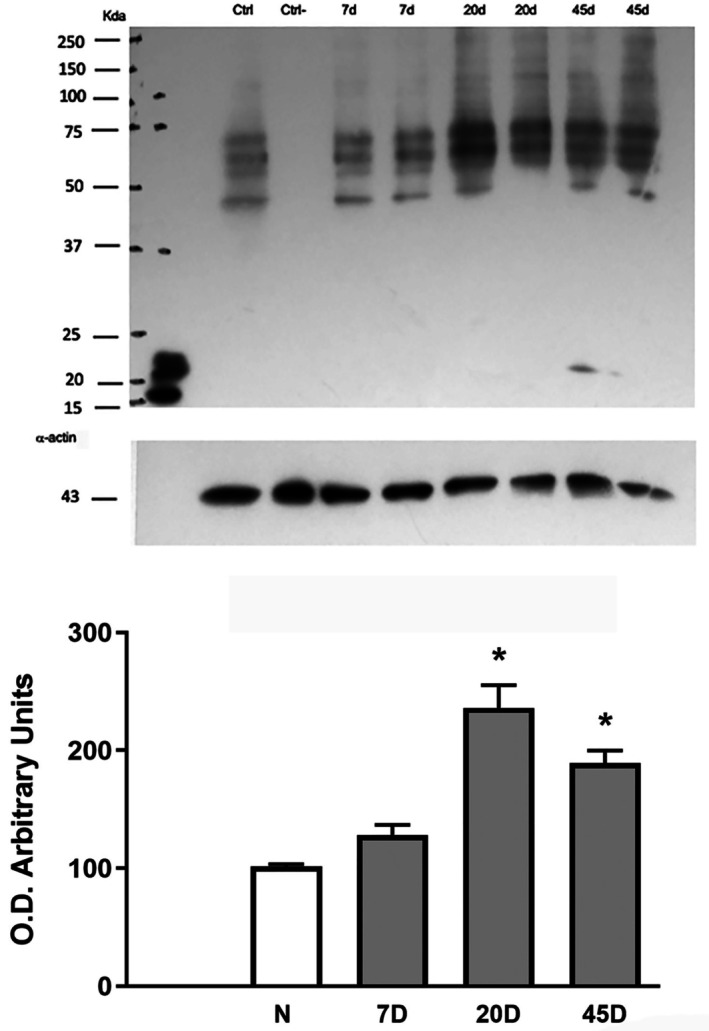 Figure 3
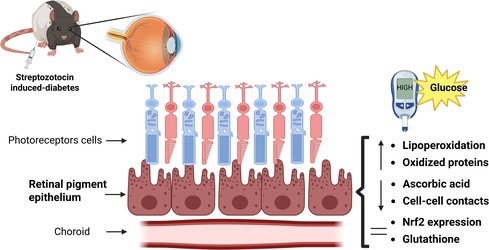 Figure 4
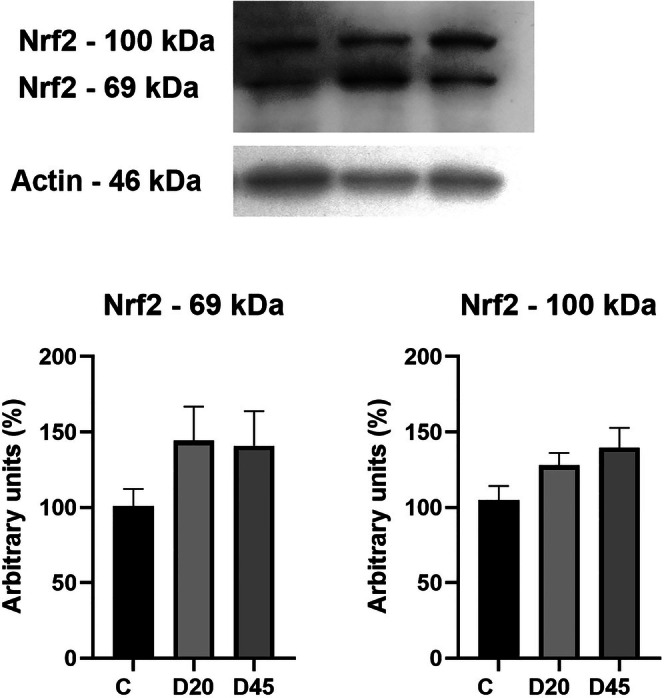 Figure 5
Peer Reviews
No public reviews on file for this paper yet. If you reviewed it on a platform where reviews are public (OpenReview, ICLR, NeurIPS, ICML), you can paste yours below so the community can read it here.
Videos
No videos yet. Explain this paper in a talk, walkthrough, or lecture? Add one.
Taxonomy
TopicsRetinal Diseases and Treatments · Advanced Glycation End Products research · Redox biology and oxidative stress