IPO9 Promotes Ovarian Cancer Progression by Suppressing HMOX1‐Dependent Ferroptosis
Yimei Meng, Peiling Li

TL;DR
This study identifies IPO9 as a gene that promotes ovarian cancer by blocking a type of cell death called ferroptosis, offering a new potential target for treatment.
Contribution
The study reveals IPO9's role in suppressing HMOX1-dependent ferroptosis, a novel mechanism in ovarian cancer progression.
Findings
MALAT1+ epithelial cells are linked to poor survival and immune suppression in ovarian cancer.
IPO9 is upregulated in ovarian cancer and promotes tumor growth by inhibiting ferroptosis.
Higher MALAT1+ cell infiltration correlates with immune dynamics and somatic mutations in OC.
Abstract
Ovarian cancer (OC) poses a significant threat to women’s health, with current treatment strategies remaining suboptimal, necessitating the exploration of novel therapeutic targets and immune microenvironment dynamics. This study integrates multiomics data from TCGA, GEO, and IEU‐Open‐GWAS, employing scRNA‐seq, scPagwas, BayesPrism, and WGCNA to identify key cell subpopulations and genes, followed by functional validation through EdU, colony formation, Transwell assays, and ferroptosis markers (MDA, ROS, and ferrous ions). Results reveal MALAT1+ epithelial cells as a core cell subpopulation in OC, with higher abundance correlating with shorter overall survival, suppressed immune microenvironments, and potential immunotherapy resistance, while their infiltration levels are closely associated with OC immune dynamics and somatic mutations. Further analysis identifies IPO9 as a core gene…
Genes, proteins, chemicals, diseases, species, mutations and cell lines named across the full text — each resolved to its canonical identifier and authoritative record.
Click any figure to enlarge with its caption.
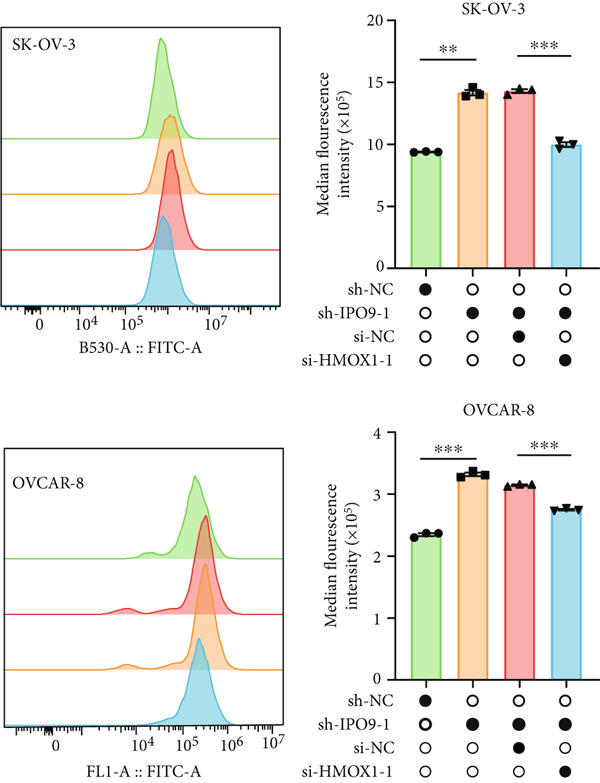 Figure 1
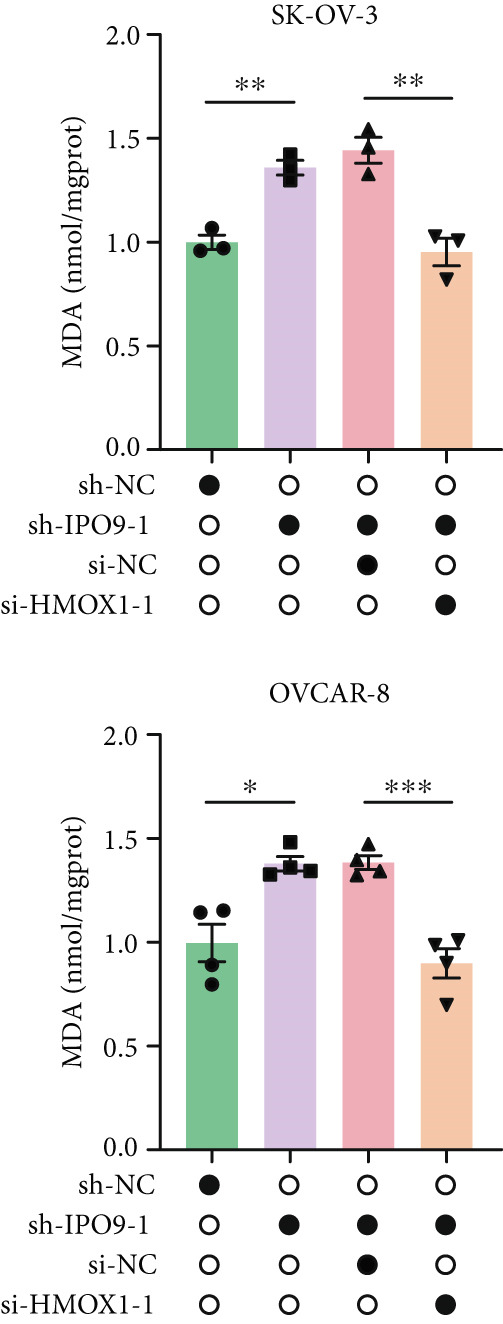 Figure 2
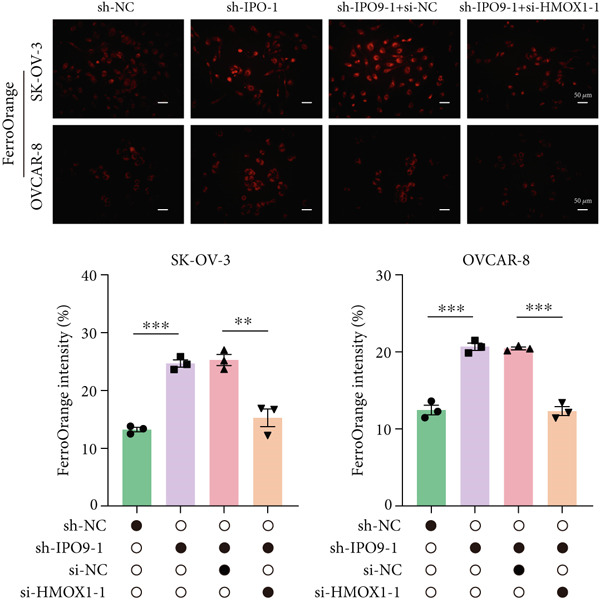 Figure 3
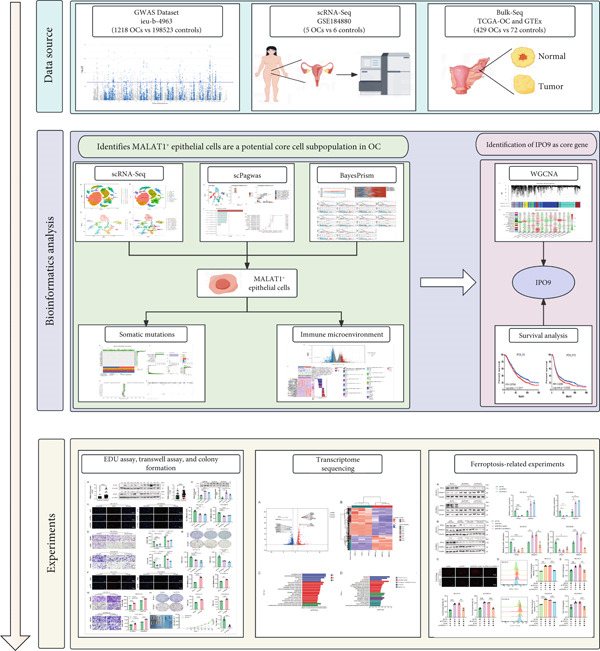 Figure 4
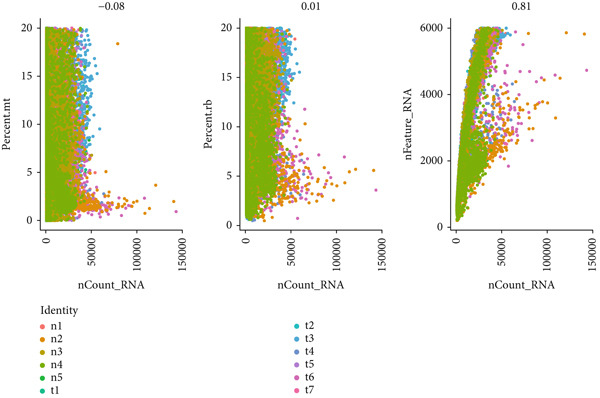 Figure 5
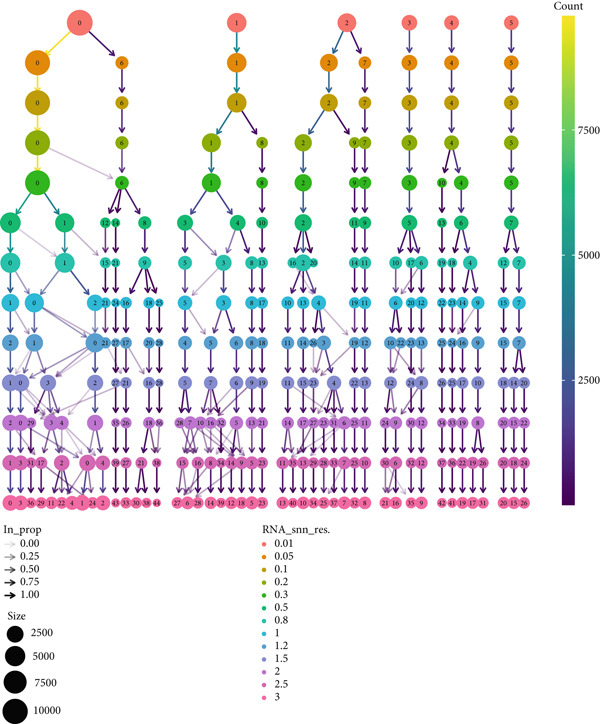 Figure 6
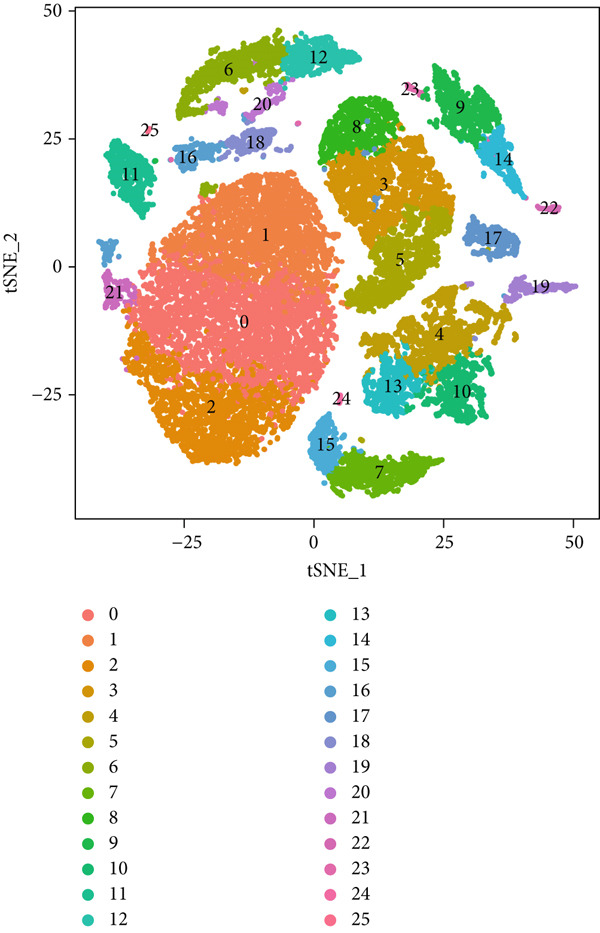 Figure 7
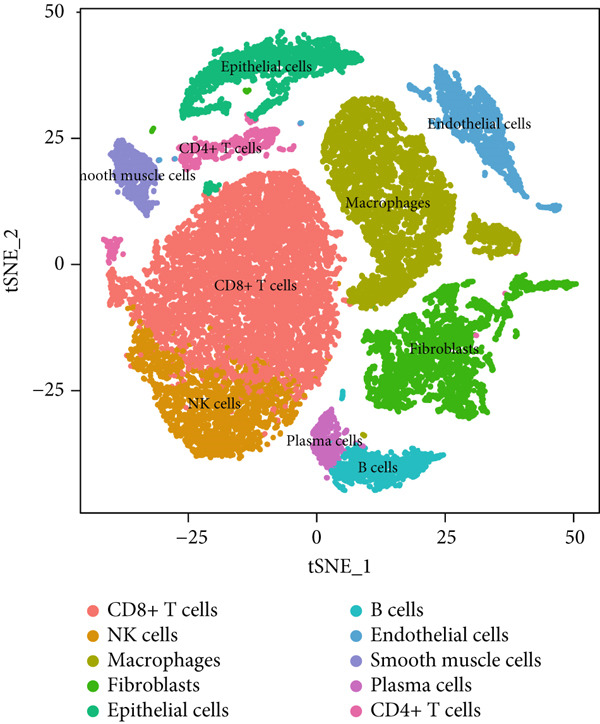 Figure 8
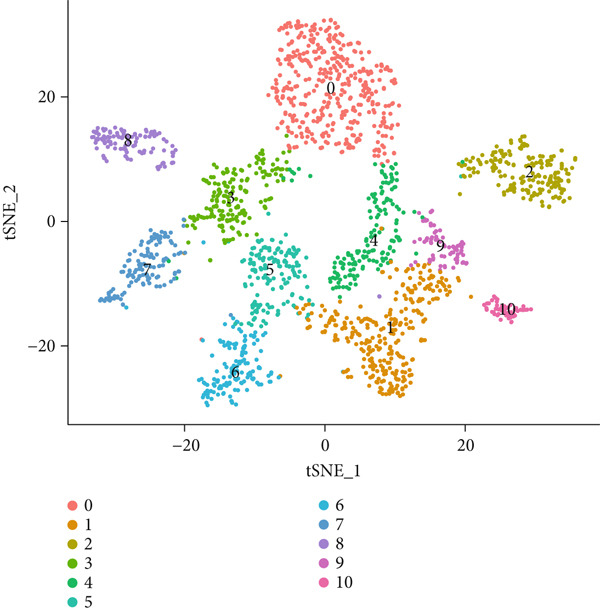 Figure 9
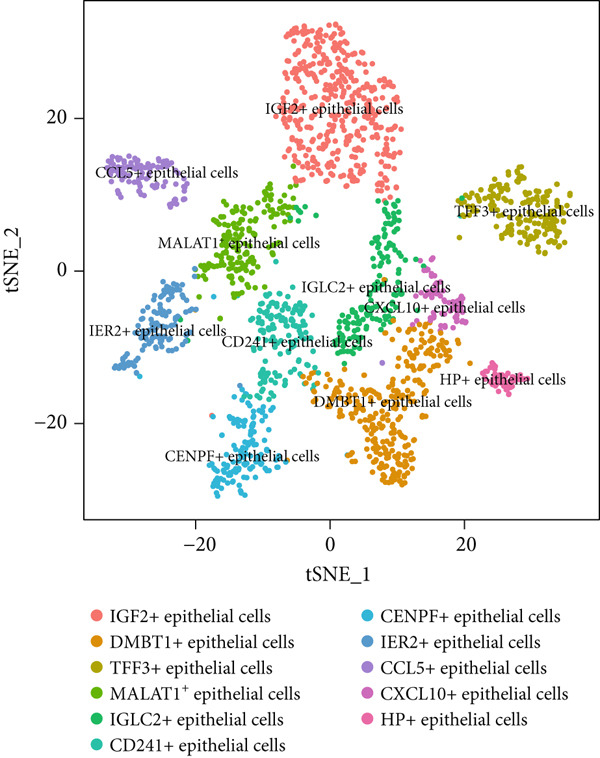 Figure 10
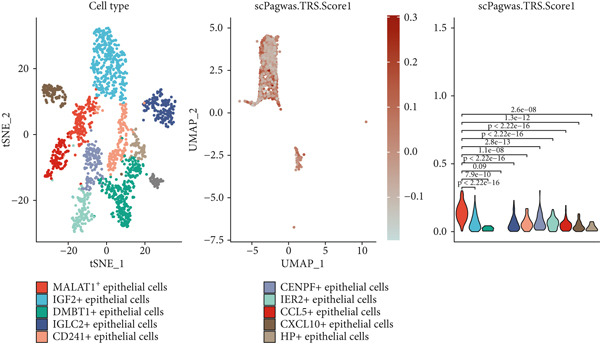 Figure 11
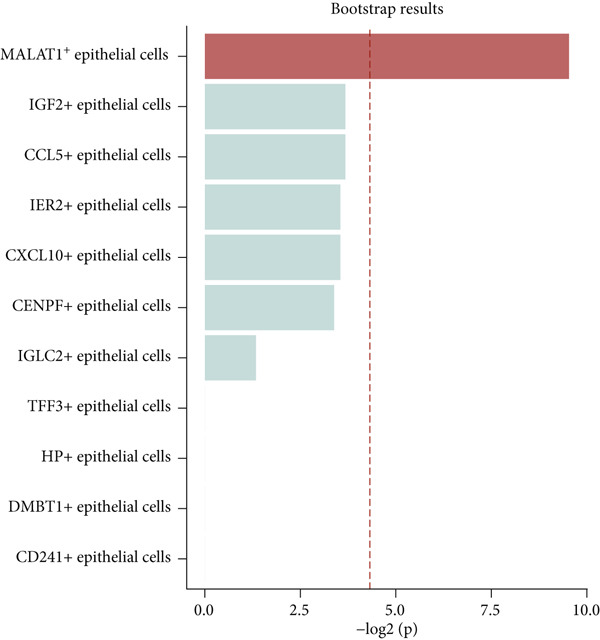 Figure 12
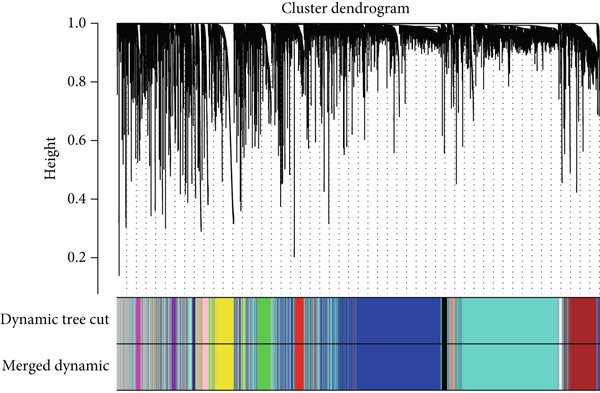 Figure 13
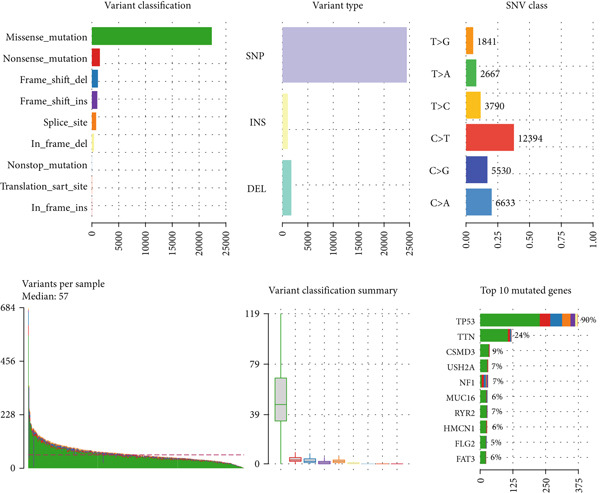 Figure 14
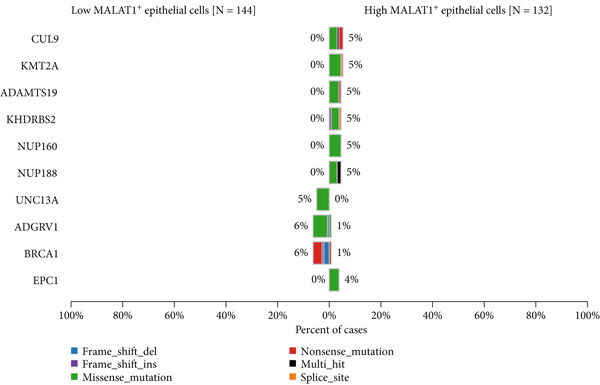 Figure 15
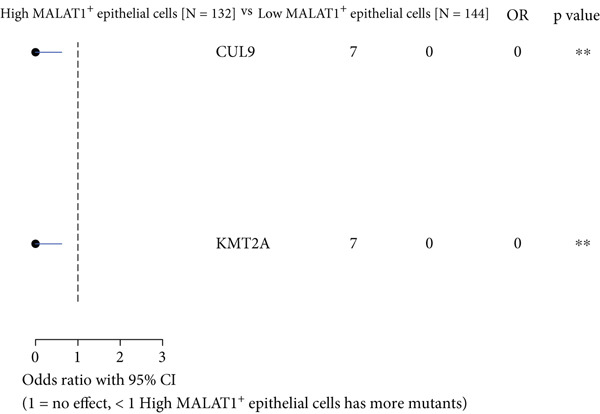 Figure 16
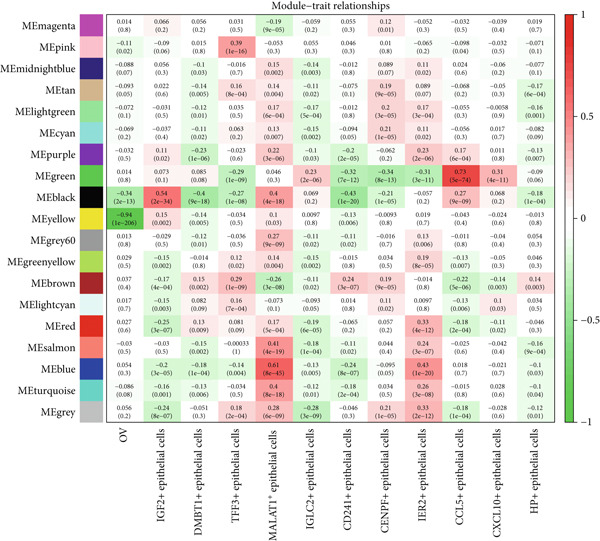 Figure 17
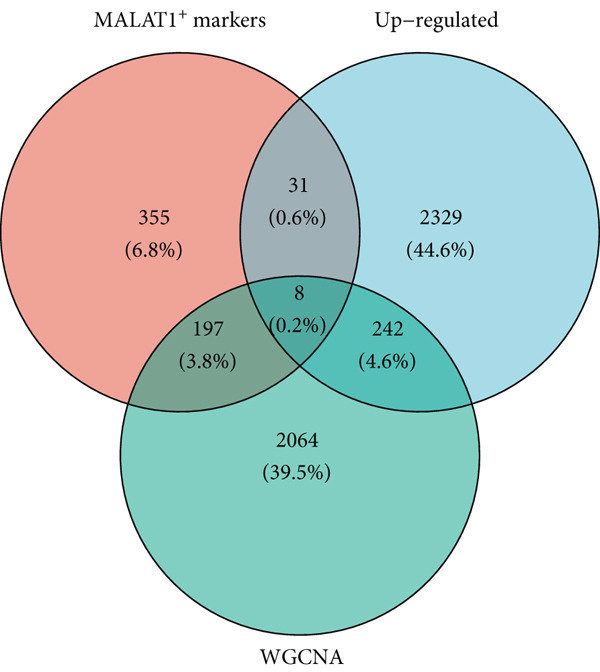 Figure 18
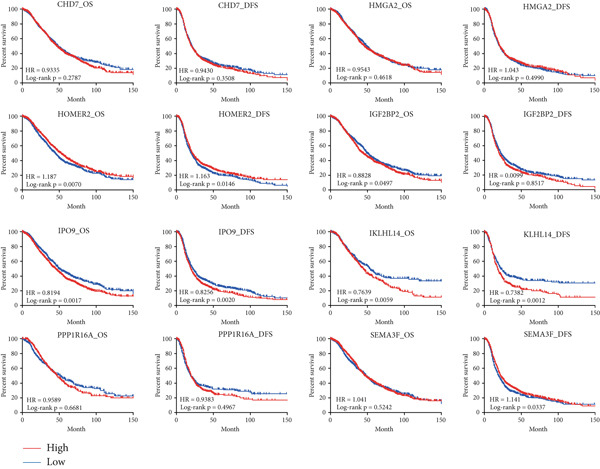 Figure 19
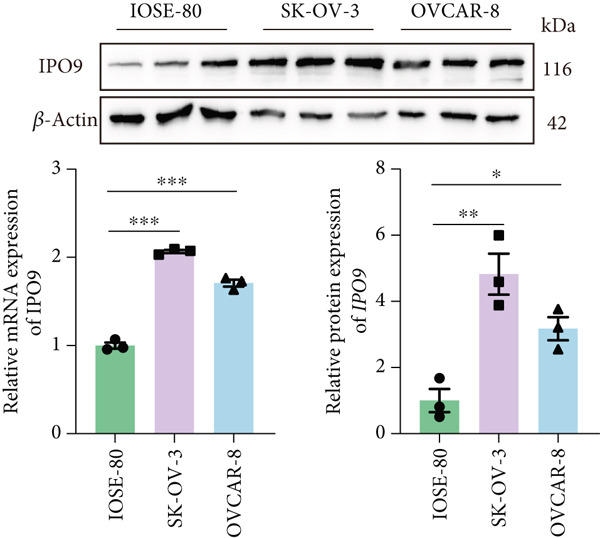 Figure 20
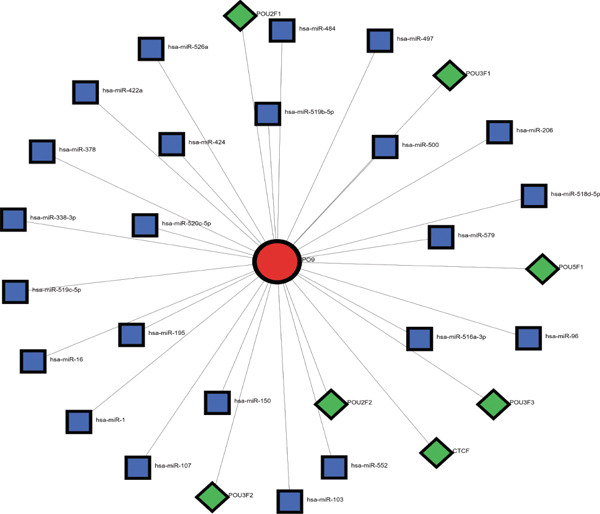 Figure 21
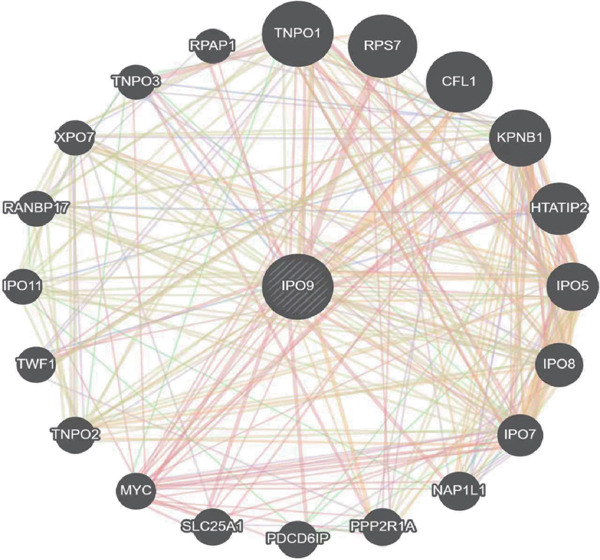 Figure 22
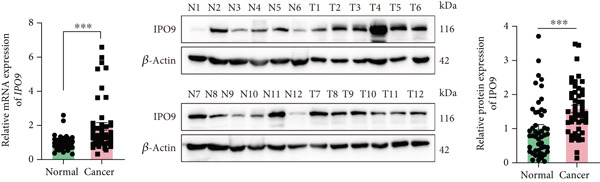 Figure 23
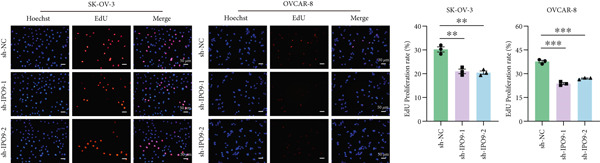 Figure 24
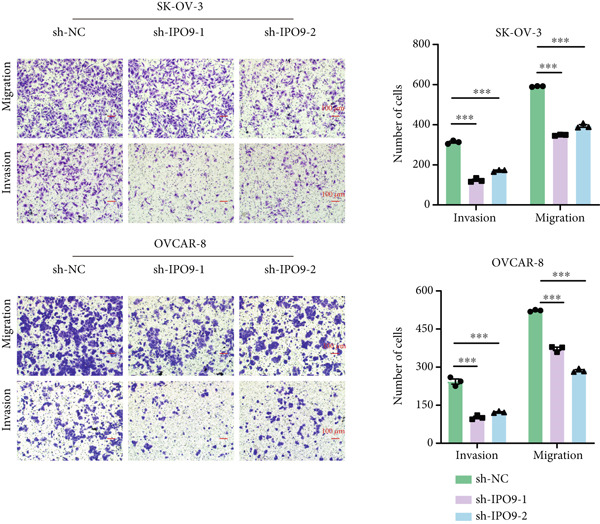 Figure 25
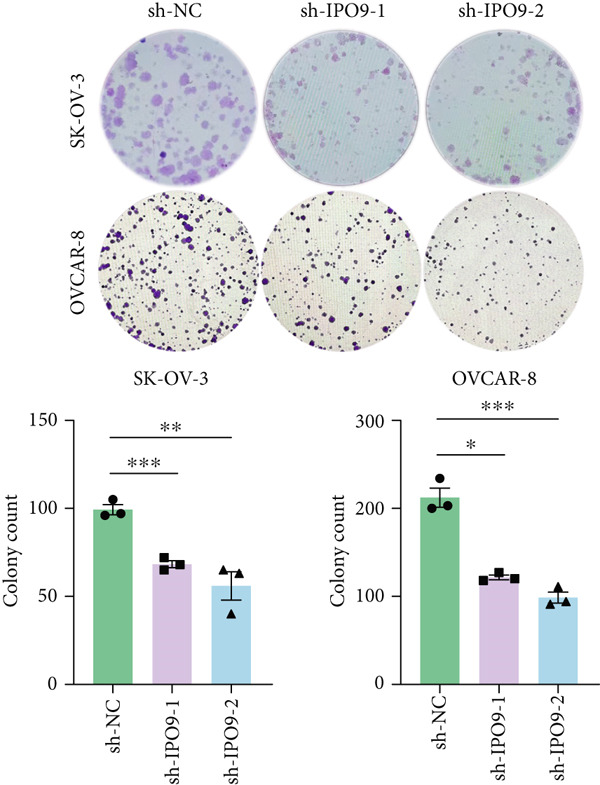 Figure 26
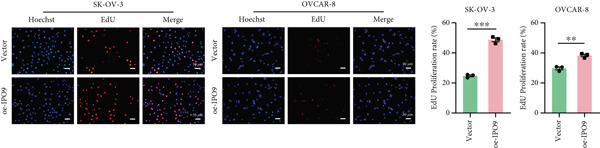 Figure 27
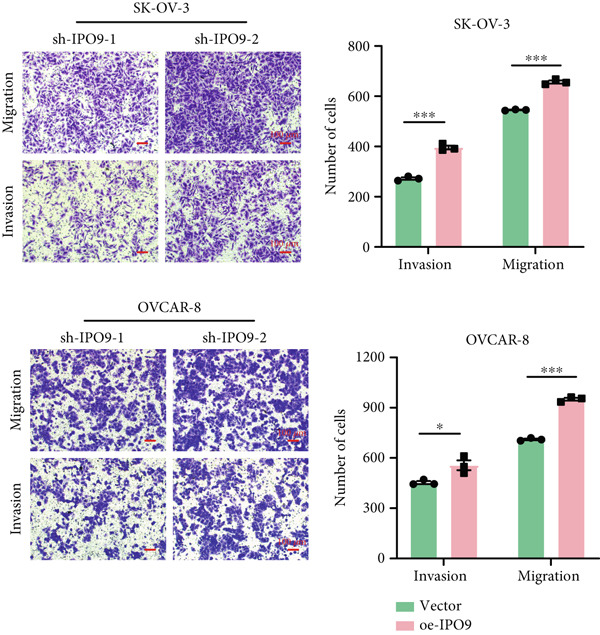 Figure 28
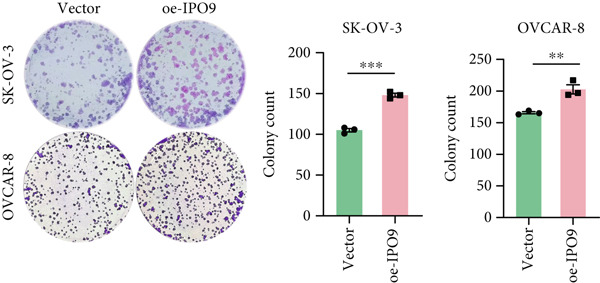 Figure 29
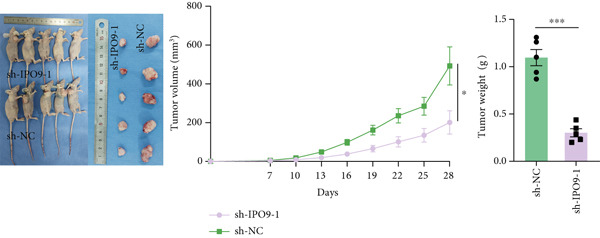 Figure 30
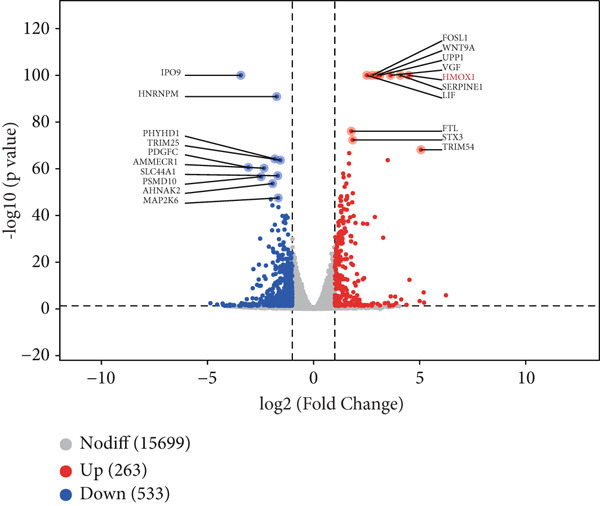 Figure 31
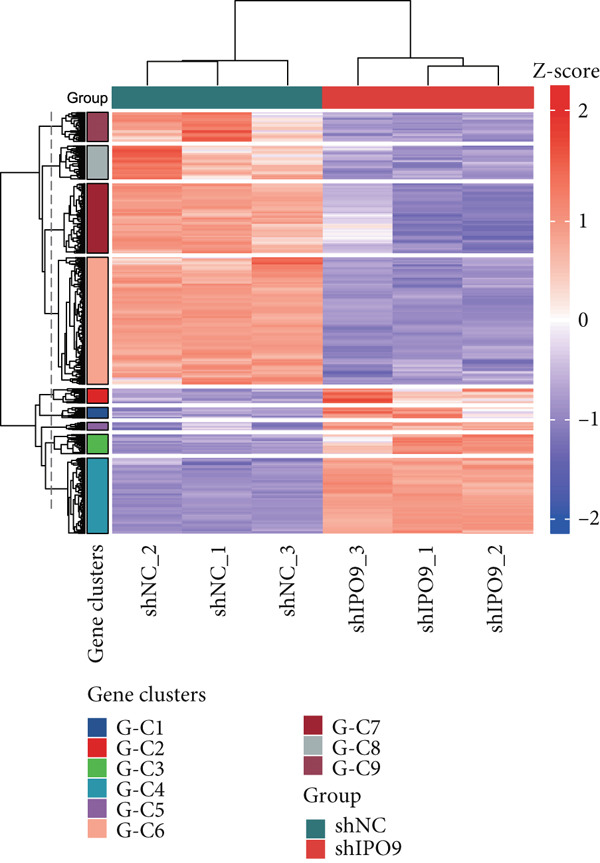 Figure 32
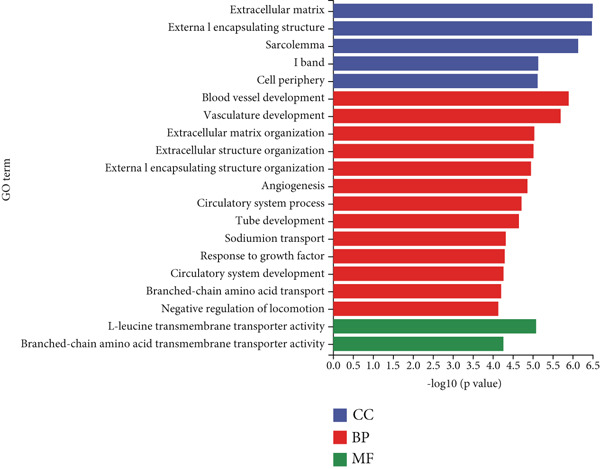 Figure 33
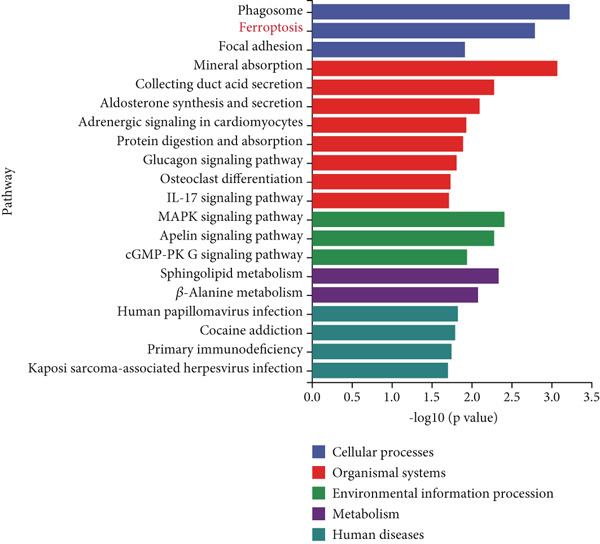 Figure 34
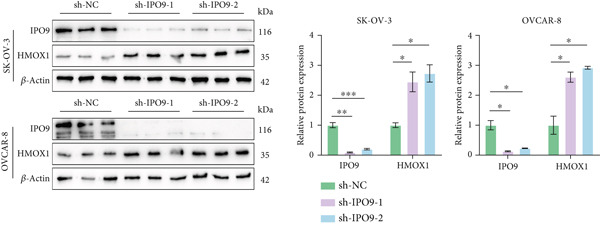 Figure 35
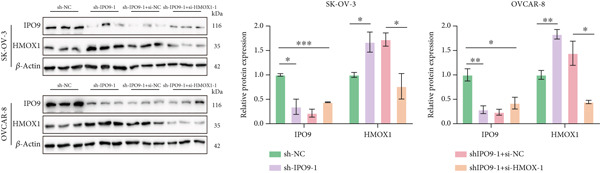 Figure 36
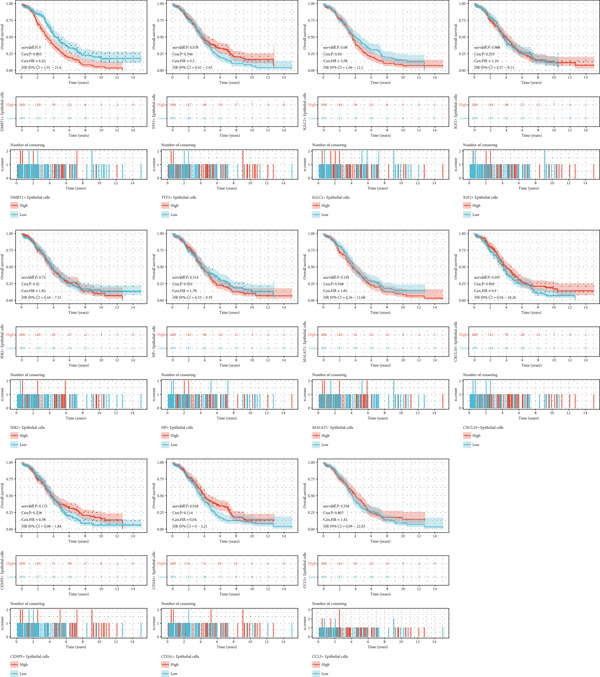 Figure 37
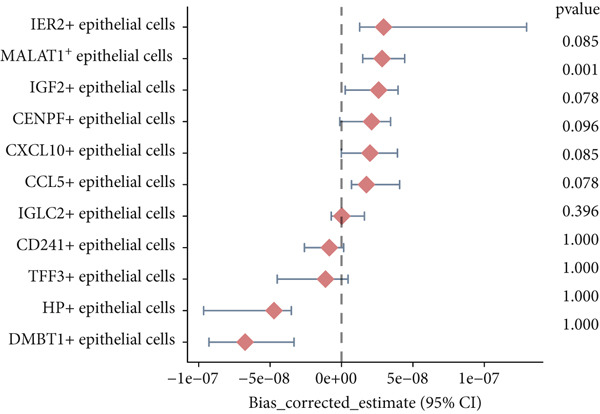 Figure 38
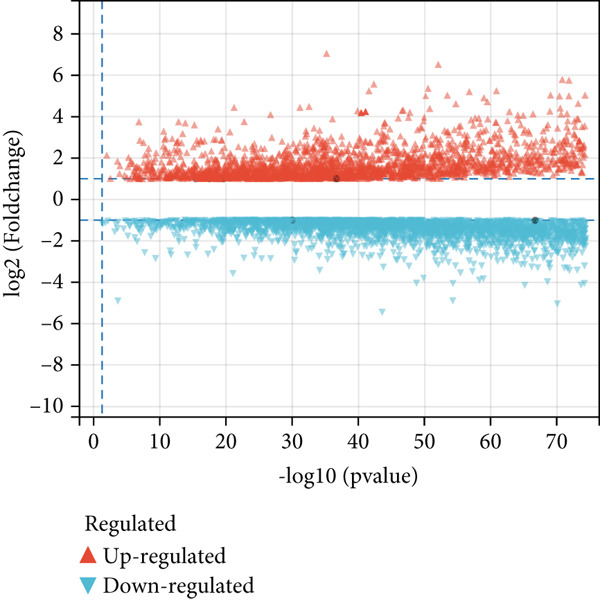 Figure 39
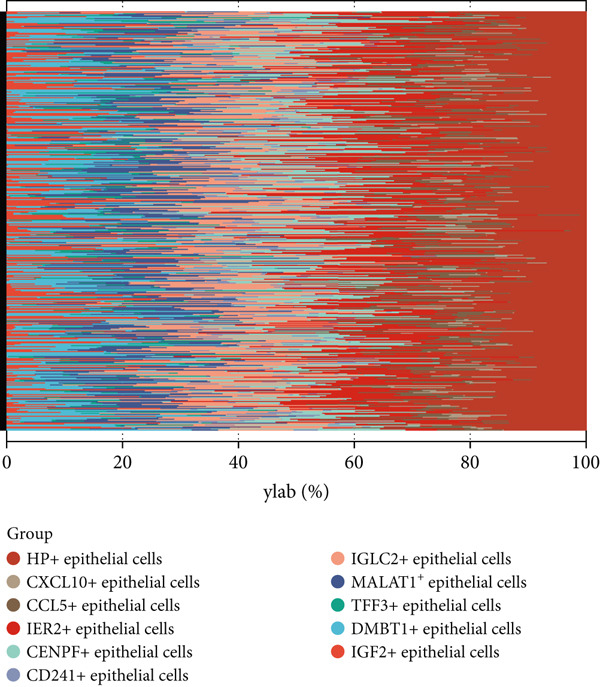 Figure 40
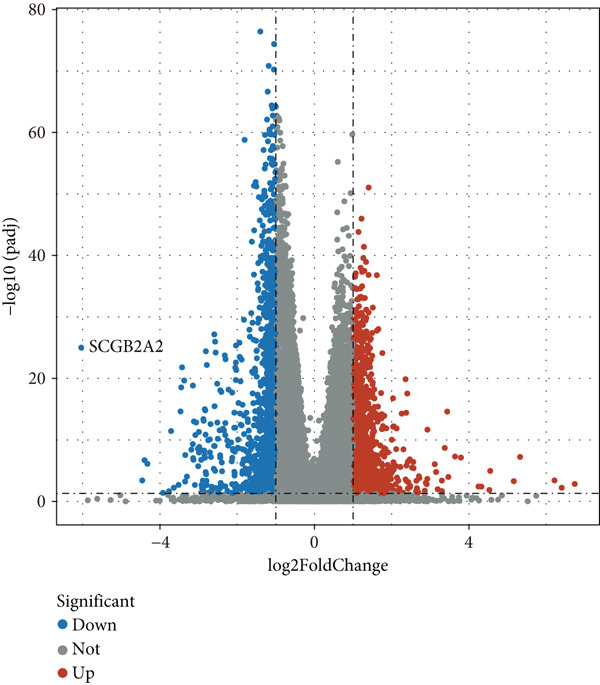 Figure 41
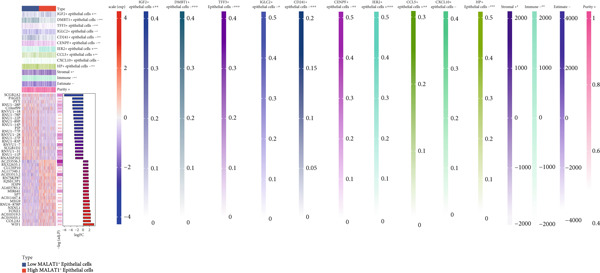 Figure 42
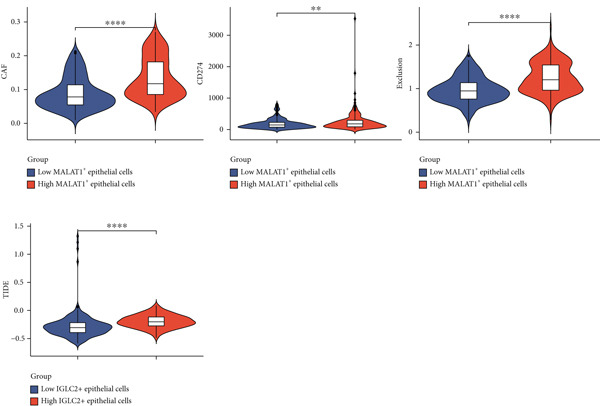 Figure 43
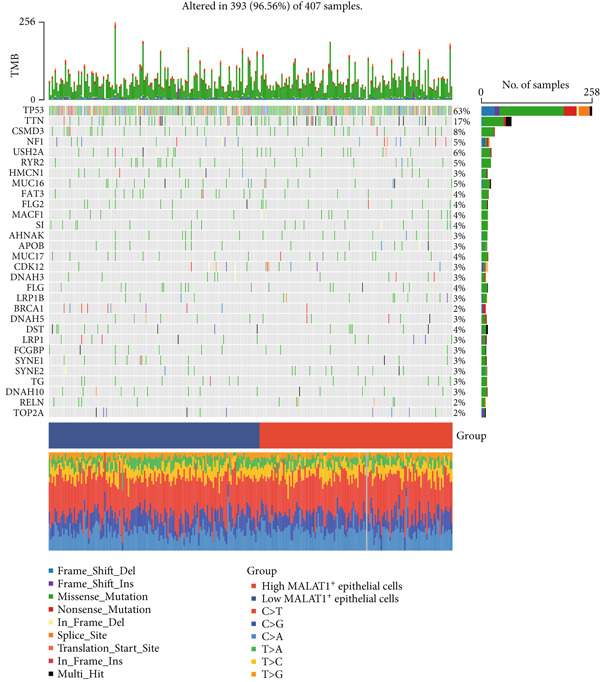 Figure 44
Peer Reviews
No public reviews on file for this paper yet. If you reviewed it on a platform where reviews are public (OpenReview, ICLR, NeurIPS, ICML), you can paste yours below so the community can read it here.
Videos
No videos yet. Explain this paper in a talk, walkthrough, or lecture? Add one.
Taxonomy
TopicsFerroptosis and cancer prognosis · Cancer Mechanisms and Therapy · Cancer-related molecular mechanisms research