Vildagliptin and Omarigliptin Differentially Bind to DPP‐4 Homodimers and Modulate Osteoclast‐Mediated Bone Resorption
Ratchaneevan Aeimlapa, Jiraporn Panmanee, Jarinthorn Teerapornpuntakit, Kannikar Wongdee, Jirawan Thongbunchoo, Nattapon Panupinthu, Saovaros Svasti, Nattayaporn Apaijai, Piangkwan Sa‐nguanmoo, Siriporn Chattipakorn, Nipon Chattipakorn, Narattaphol Charoenphandhu

TL;DR
This study shows that two DPP-4 inhibitors, vildagliptin and omarigliptin, affect bone health differently in diabetic rats, with omarigliptin being more effective at reducing bone resorption.
Contribution
The study reveals the distinct mechanisms by which vildagliptin and omarigliptin modulate bone resorption through their differential binding to DPP-4 homodimers.
Findings
Vildagliptin improved bone microstructure but did not reduce osteoclast activity in rats.
Omarigliptin reduced osteoclast numbers and inhibited key osteoclast genes, suggesting better anti-resorptive effects.
Molecular simulations showed omarigliptin binds more tightly to DPP-4 homodimers, possibly explaining its greater efficacy.
Abstract
Increased fracture risk in prediabetes and diabetes mellitus partly arises from bone collagen damage and enhanced bone resorption. Certain antidiabetic agents—particularly thiazolidinediones—paradoxically aggravate bone loss and fractures, especially in postmenopausal women with osteoporosis. However, dipeptidyl peptidase‐4 (DPP‐4) inhibitors (e.g., vildagliptin and omarigliptin) might help prevent diabetic osteopathy, although variable outcomes have been observed due to unknown mechanisms. Herein, we used high‐fat diet‐fed rats to demonstrate that oral administration of vildagliptin for 4 weeks not only alleviated insulin resistance but also improved tibial bone microstructure, as determined by bone histomorphometry. Further in vitro investigations in primary osteoblasts showed that both vildagliptin and omarigliptin similarly increased osteoblast viability, rather than upregulating…
Genes, proteins, chemicals, diseases, species, mutations and cell lines named across the full text — each resolved to its canonical identifier and authoritative record.
Click any figure to enlarge with its caption.
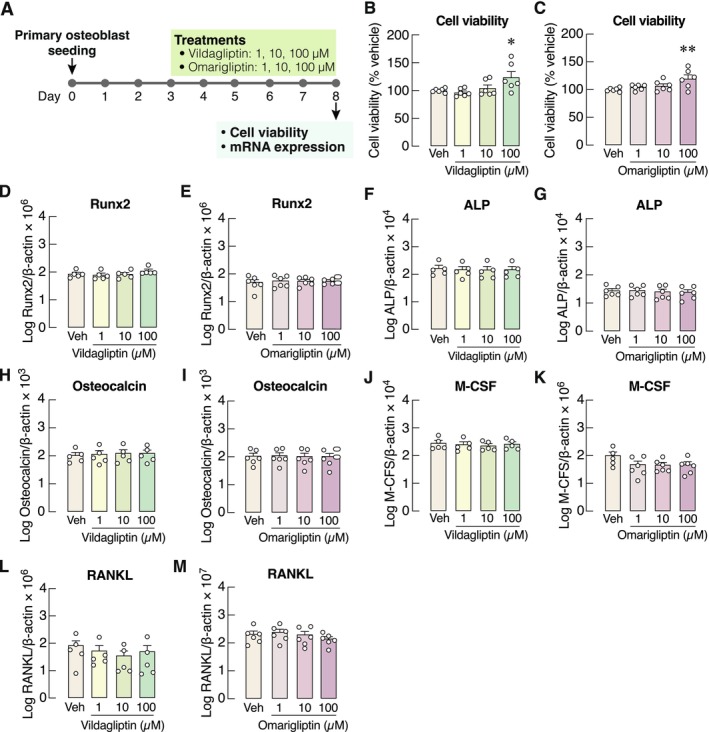 Figure 1
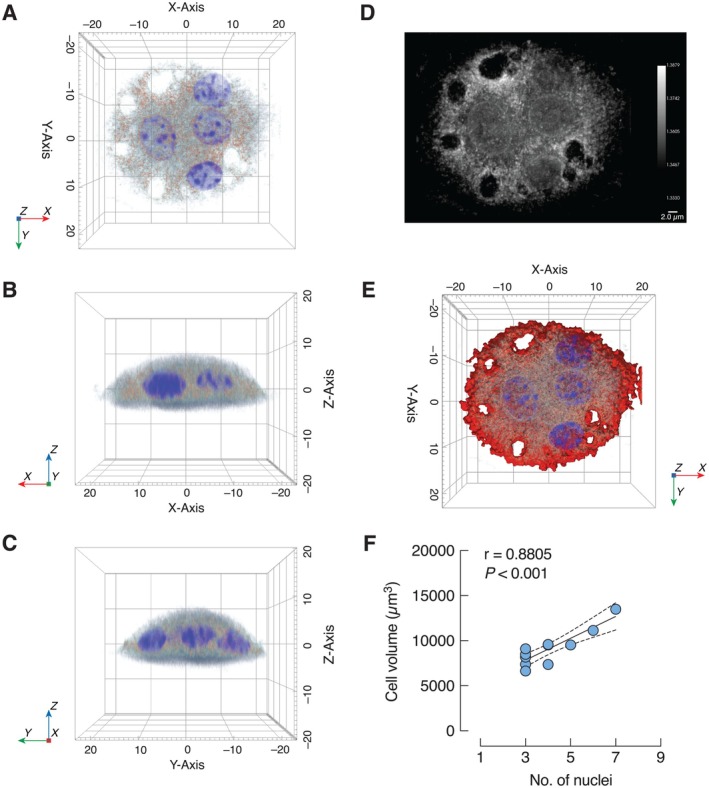 Figure 2
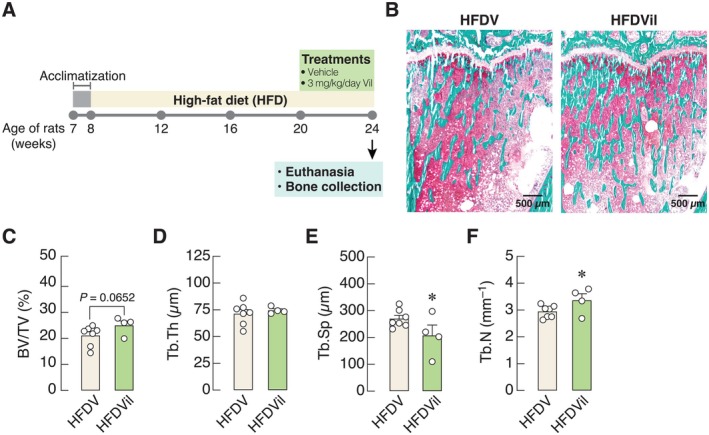 Figure 3
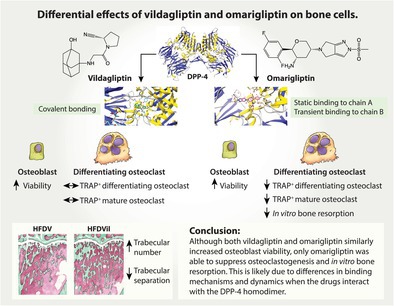 Figure 4
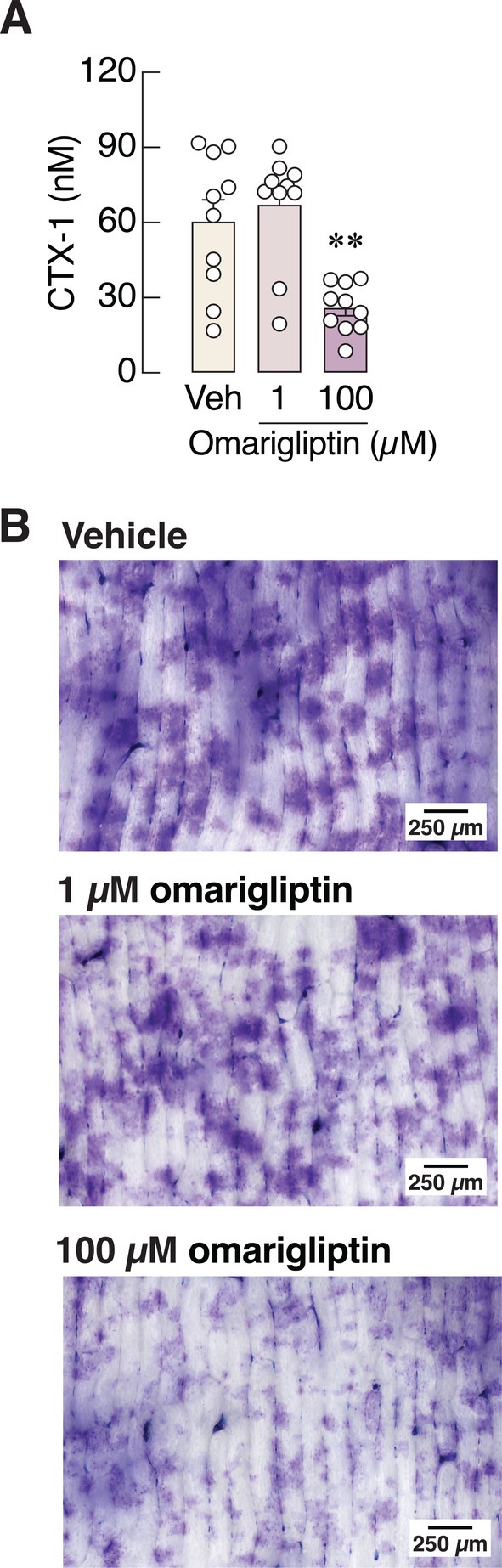 Figure 5
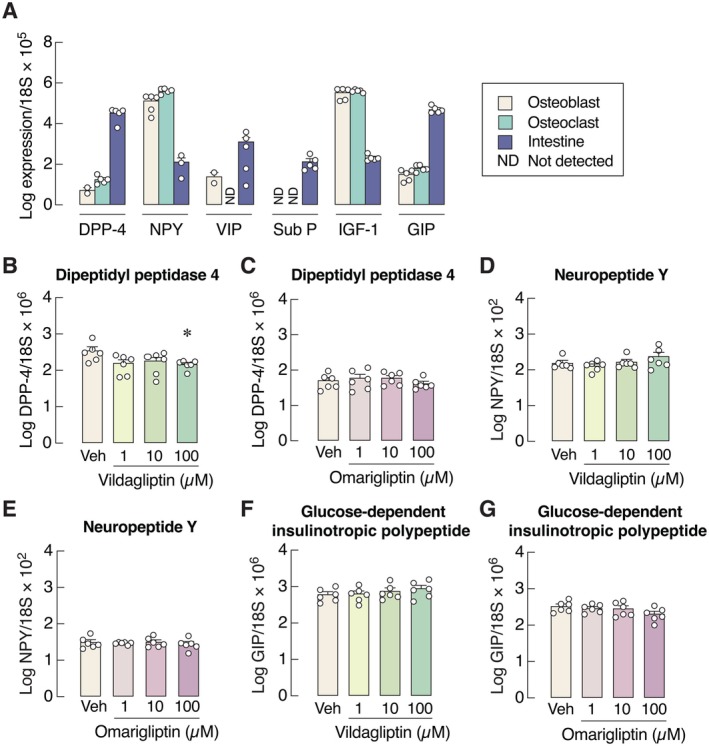 Figure 6
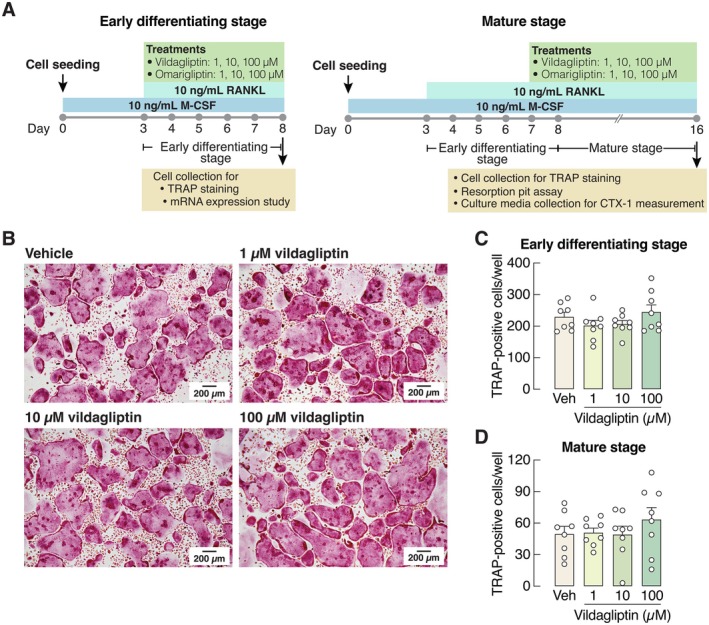 Figure 7
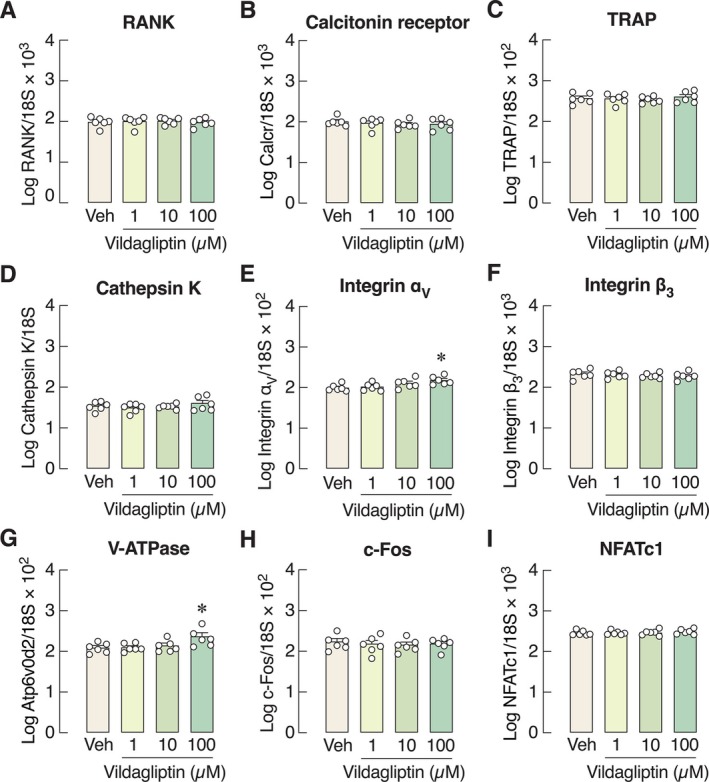 Figure 8
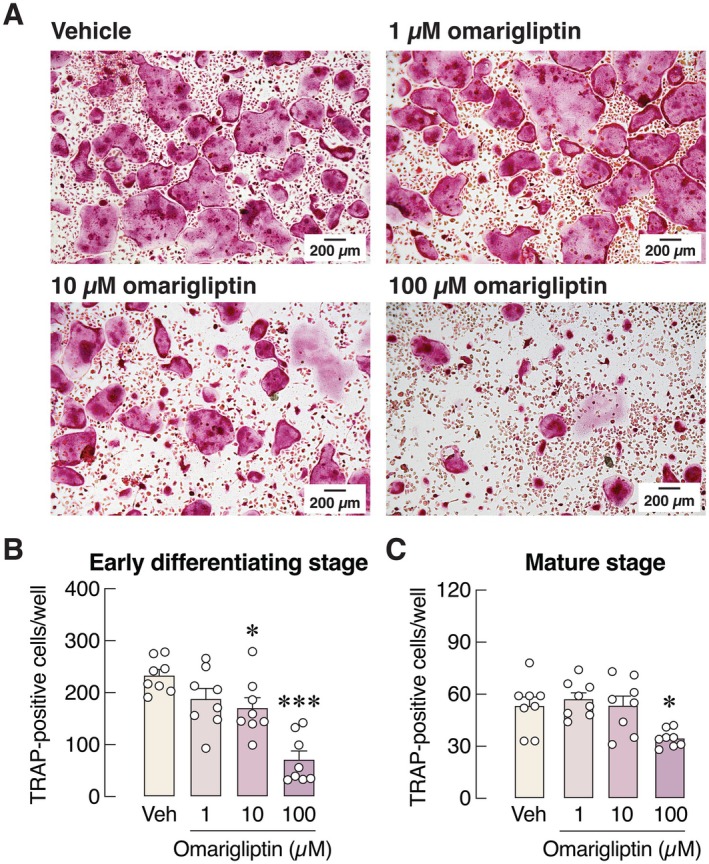 Figure 9
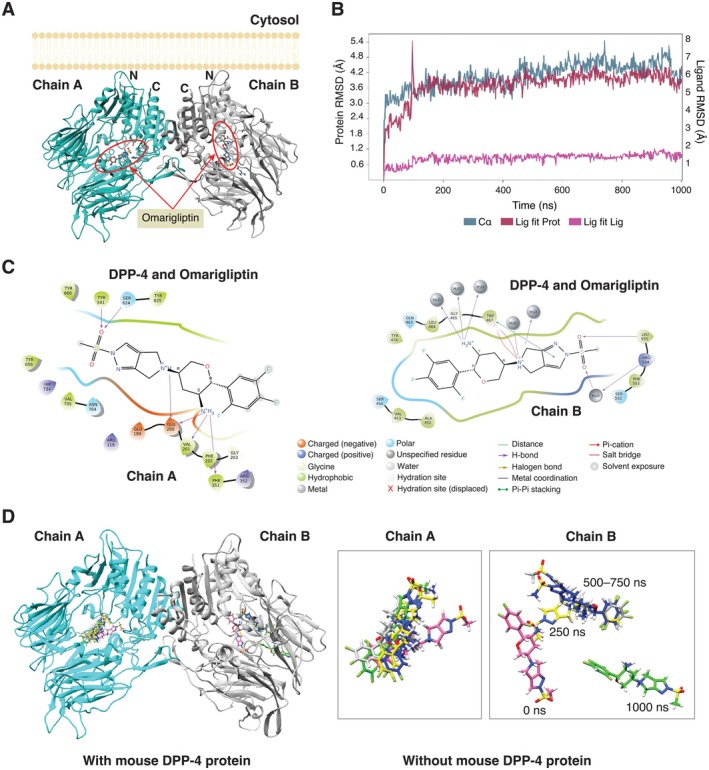 Figure 10
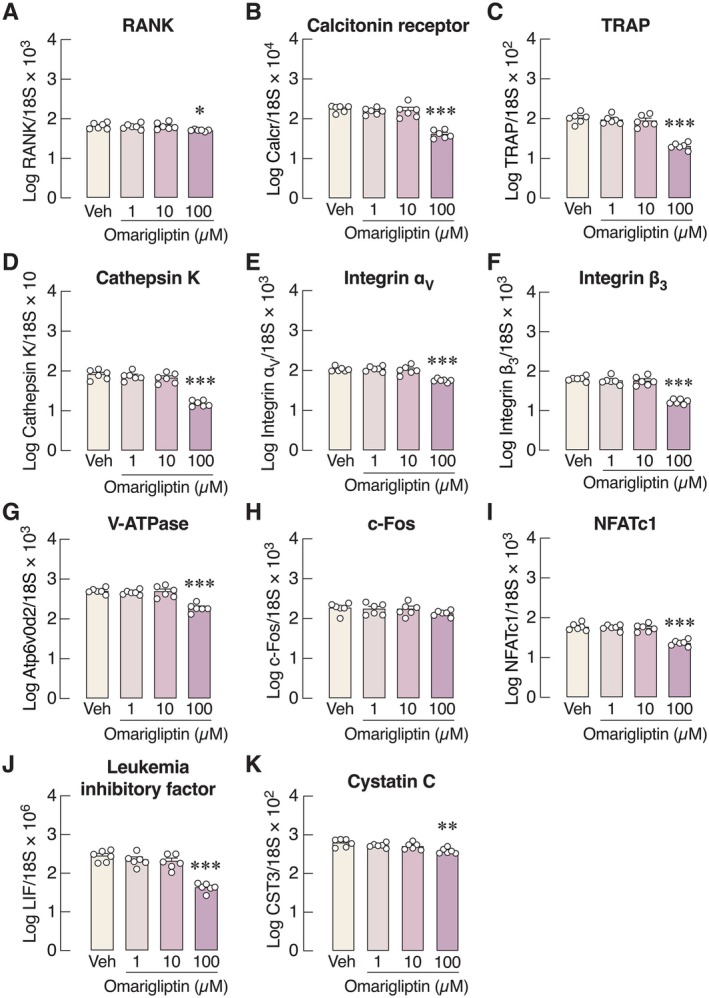 Figure 11
Peer Reviews
No public reviews on file for this paper yet. If you reviewed it on a platform where reviews are public (OpenReview, ICLR, NeurIPS, ICML), you can paste yours below so the community can read it here.
Videos
No videos yet. Explain this paper in a talk, walkthrough, or lecture? Add one.
Taxonomy
TopicsDiabetes Treatment and Management · Peptidase Inhibition and Analysis · Bone health and osteoporosis research