The Effector RipAW Enhances Ralstonia solanacearum Invasion in Arabidopsis via CBP60g/SARD1‐Dependent and ‐Independent Pathways
Huijuan Wang, Shouyang Fu, Tao Cao, Yang Niu, Shengyang Cheng, Qichang Gong, Hui Ma, Xiang Wang, Jinxue Hu, Min Chen, Dongdong Wang, Yong Zhang, Nuria S. Coll, Marc Valls, Qin Chen, Cuizhu Zhao, Yue Chen, Haibin Lu

TL;DR
The bacterial effector RipAW increases plant susceptibility to Ralstonia solanacearum by affecting immune regulators CBP60g and SARD1 through both dependent and independent pathways.
Contribution
RipAW's dual mechanism of action on plant immunity and root architecture is revealed, showing both CBP60g/SARD1-dependent and -independent effects.
Findings
RipAW's E3 ligase activity is essential for enhancing plant susceptibility and altering root architecture.
CBP60g and SARD1 are involved in RipAW-mediated bacterial growth but not in root changes.
RipAW suppresses the SA pathway and promotes bacterial growth via CBP60g/SARD1-dependent and -independent mechanisms.
Abstract
CaM‐binding Protein 60‐like G (CBP60g) and Systemic Acquired Resistance Deficient 1 (SARD1) are key immune signalling regulators that redundantly promote salicylic acid (SA) biosynthesis and plant immunity. Pathogen effectors often target these immune nodes to suppress plant defence. However, the role of bacterial effectors in disabling CBP60g and SARD1 to increase plant susceptibility remains unclear. In this study, we show that RipAW, an E3 ligase effector from Ralstonia solanacearum , induces root architecture changes and enhances plant susceptibility to R. solanacearum in Est::RipAW transgenic plants. The constitutively expressed RipAW (C177S), lacking E3 ligase activity, did not affect root architecture or plant susceptibility, indicating that RipAW's E3 ligase activity is crucial for these phenotypes. Transcriptional profiling of Est::RipAW plants revealed strong up‐regulation…
Genes, proteins, chemicals, diseases, species, mutations and cell lines named across the full text — each resolved to its canonical identifier and authoritative record.
Click any figure to enlarge with its caption.
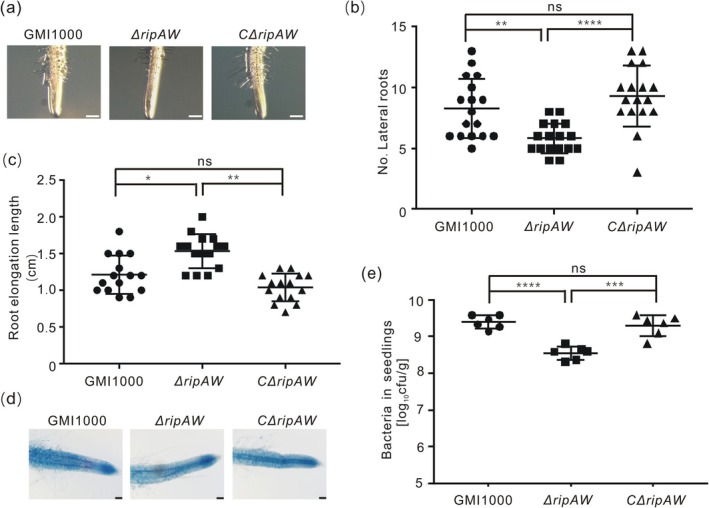 Figure 1
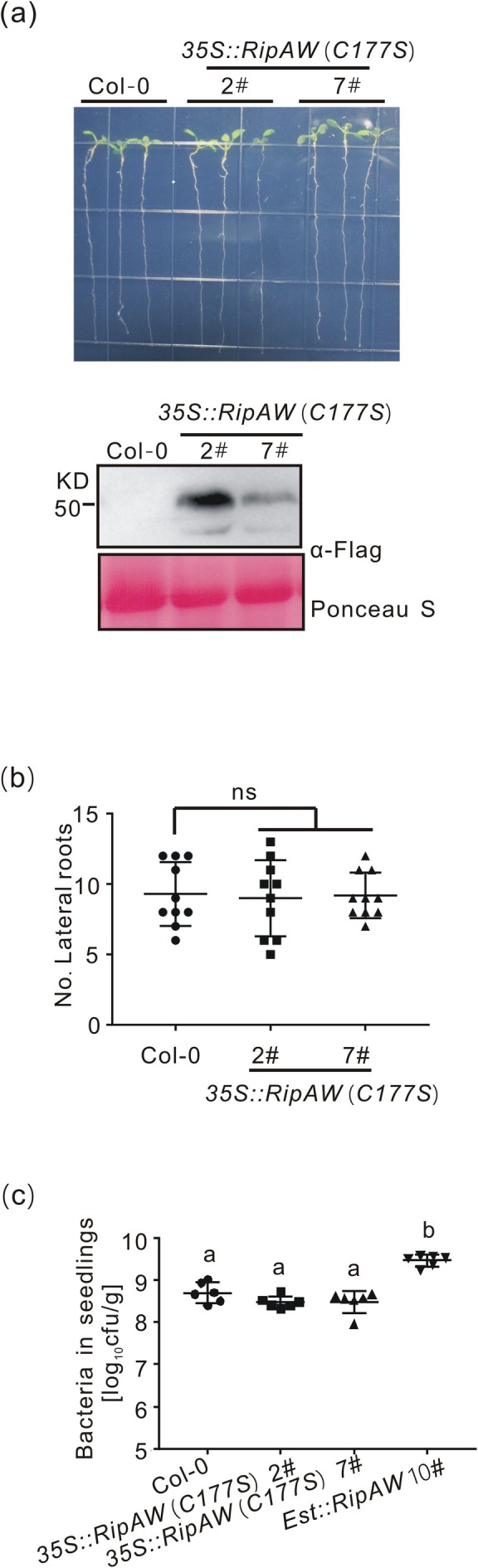 Figure 2
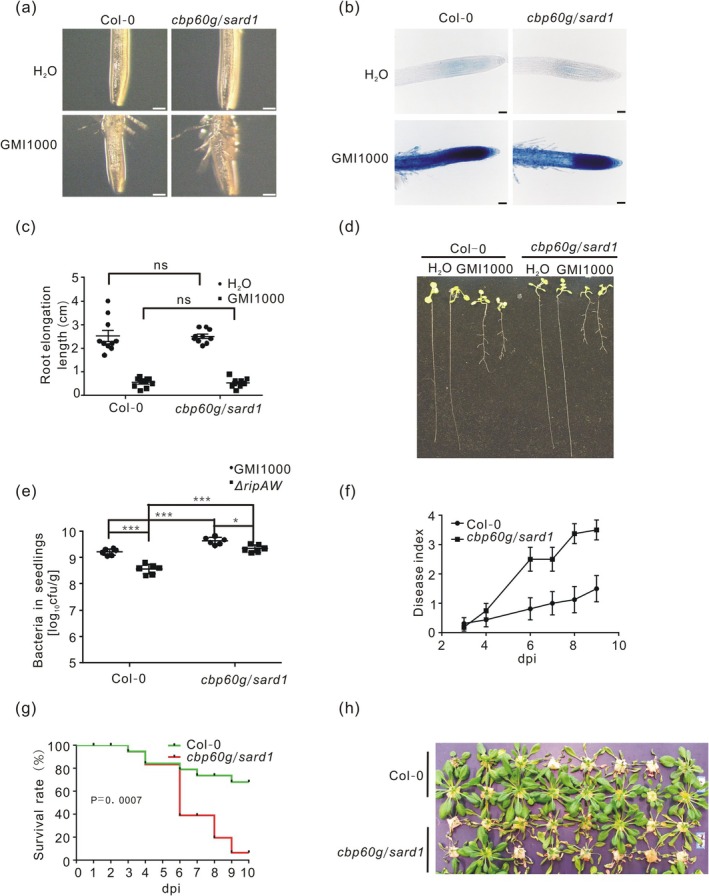 Figure 3
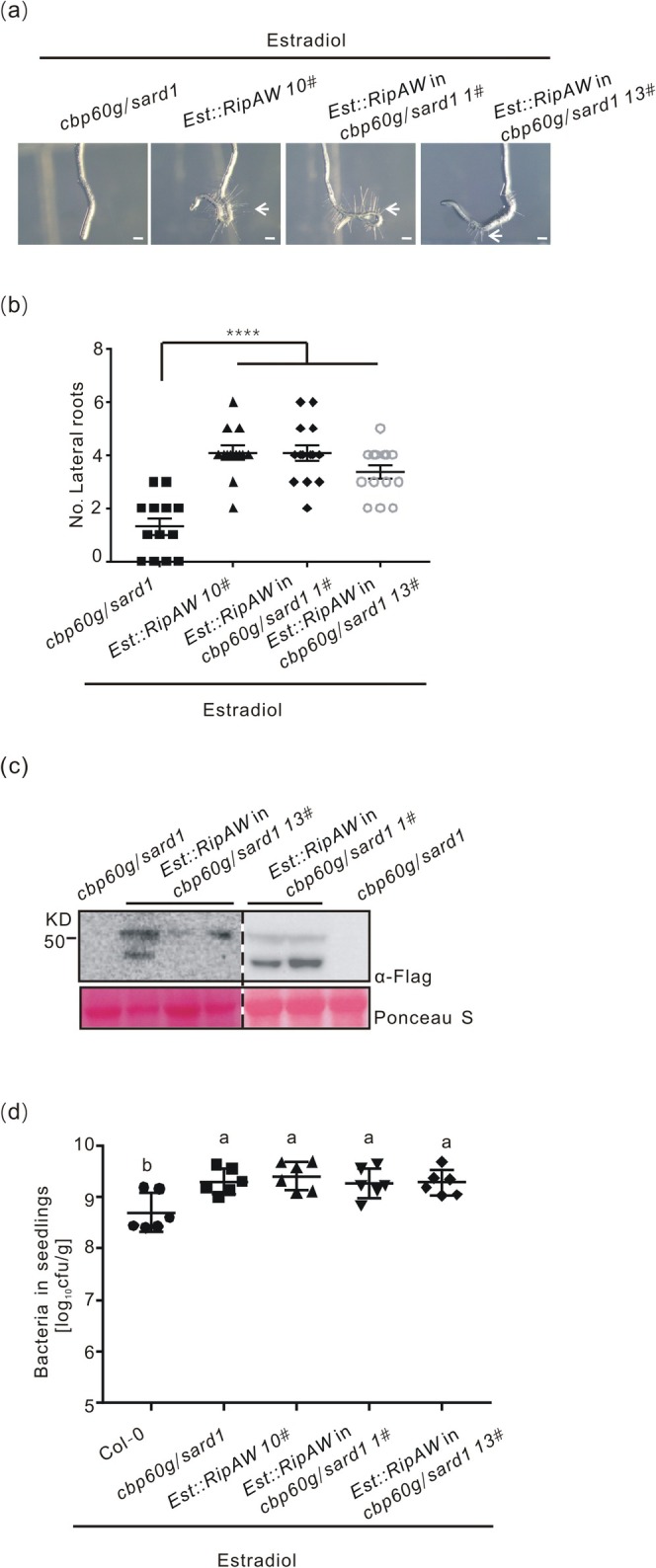 Figure 4
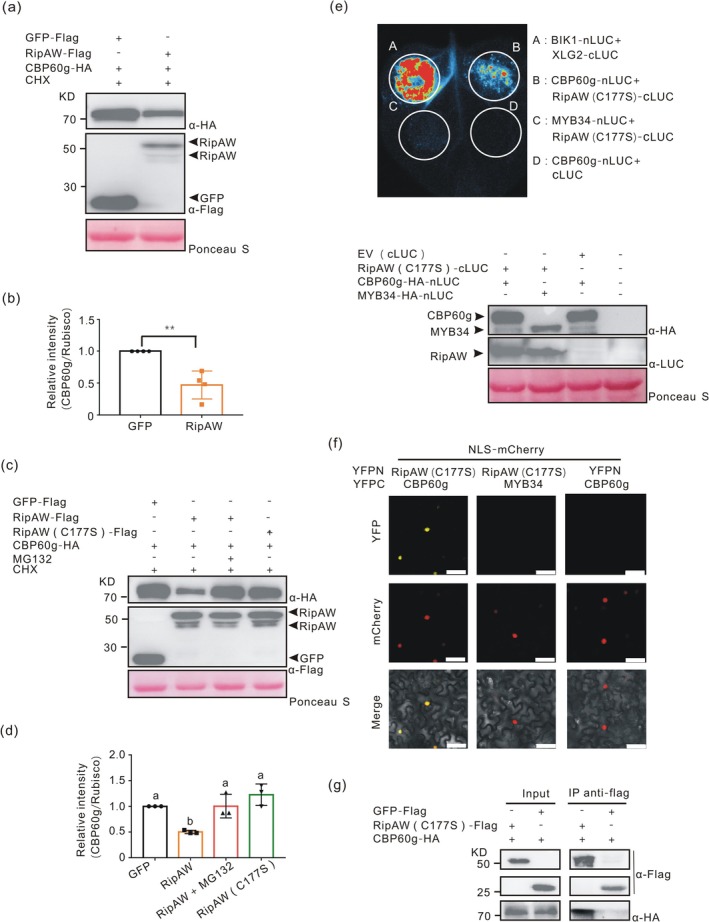 Figure 5
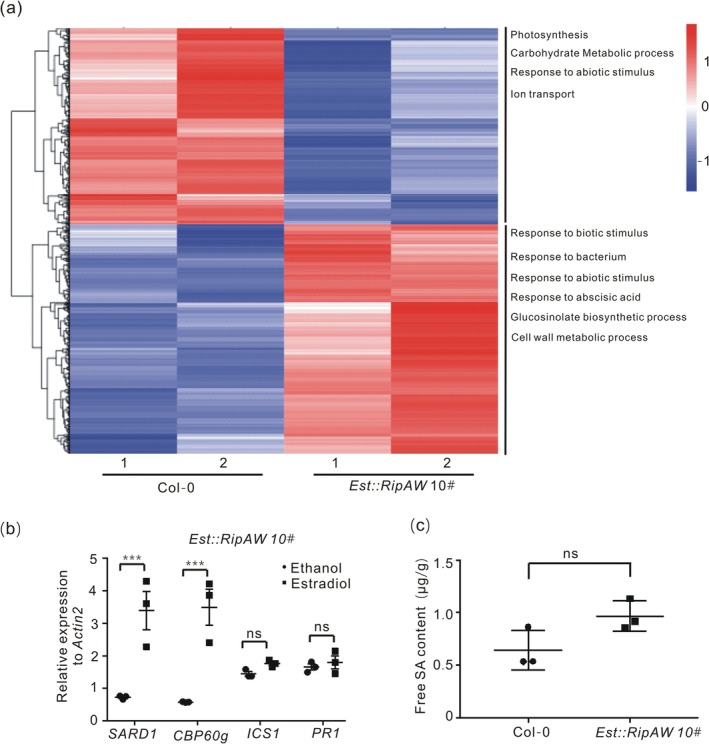 Figure 6
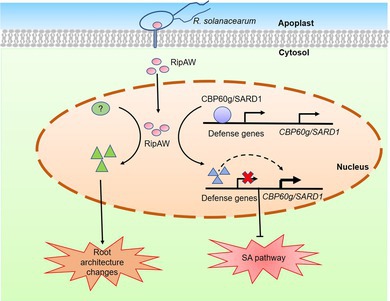 Figure 7
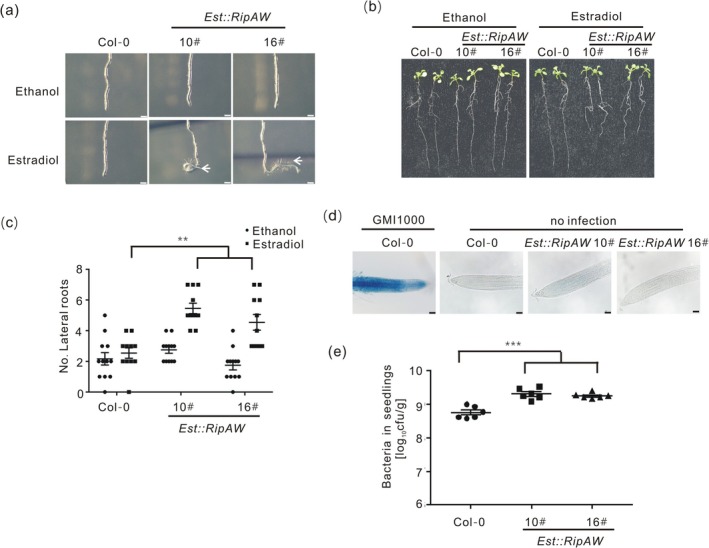 Figure 8
Peer Reviews
No public reviews on file for this paper yet. If you reviewed it on a platform where reviews are public (OpenReview, ICLR, NeurIPS, ICML), you can paste yours below so the community can read it here.
Videos
No videos yet. Explain this paper in a talk, walkthrough, or lecture? Add one.
Taxonomy
TopicsPlant-Microbe Interactions and Immunity · Plant Pathogenic Bacteria Studies · Plant Virus Research Studies