Inhibition of MCL-1 to eliminate senescent cells and mitigate renal fibrosis in aristolochic acid nephropathy
Peng Gao, Schrodinger Cenatus, Nathalie Henley, Vincent Pichette, Frédérick A. Mallette, Jonatan Barrera-Chimal, Casimiro Gerarduzzi

TL;DR
This study shows that inhibiting MCL-1 during early kidney injury can reduce cell aging and prevent chronic kidney disease progression.
Contribution
The study identifies MCL-1 as a critical target for eliminating senescent tubular cells in aristolochic acid-induced kidney disease.
Findings
Aristolochic acid-induced DNA damage leads to senescence in tubular epithelial cells during AKI-to-CKD progression.
UMI-77, an MCL-1 inhibitor, effectively reduces senescence and fibrosis when administered early in kidney injury.
Senescent cells rely on specific anti-apoptotic proteins like MCL-1, BCL-2, and BCL-xL for survival.
Abstract
The role of tubular epithelial cells (TEC) senescence in the progression from acute kidney injury (AKI) to chronic kidney disease (CKD) remains debated due to the complexity of senescent cell populations and their pro-survival mechanisms. To directly assess the contribution of TEC senescence to AKI-to-CKD progression, we employed an aristolochic acid nephropathy (AAN) mouse model. Here, we demonstrated that AAI-induced DNA damage specifically drives TEC senescence during AKI-to-CKD progression. Concomitant with the emergence of senescence, immunofluorescence staining revealed the expression of anti-apoptotic proteins, including BCL-2, BCL-xL, and MCL-1, within KIM1⁺ tubules—a marker of tubular injury. To further characterize these senescent cells, we integrated this model with snRNA-Seq data and identified a distinct population of KIM1+ senescent TEC exhibiting resistance to apoptosis…
Genes, proteins, chemicals, diseases, species, mutations and cell lines named across the full text — each resolved to its canonical identifier and authoritative record.
Click any figure to enlarge with its caption.
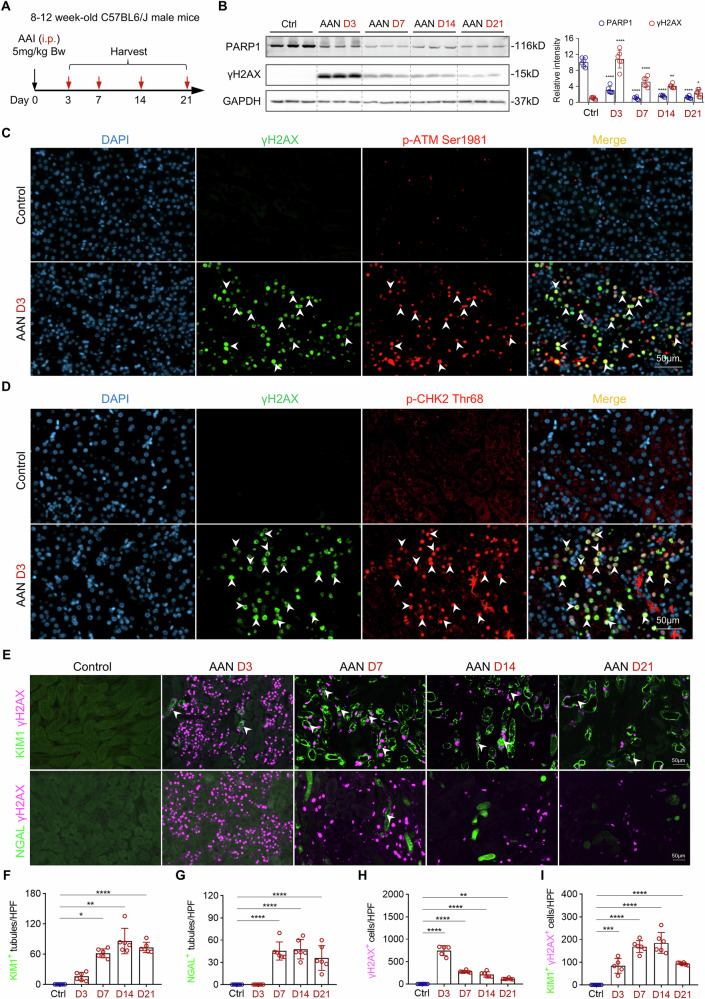 Figure 1
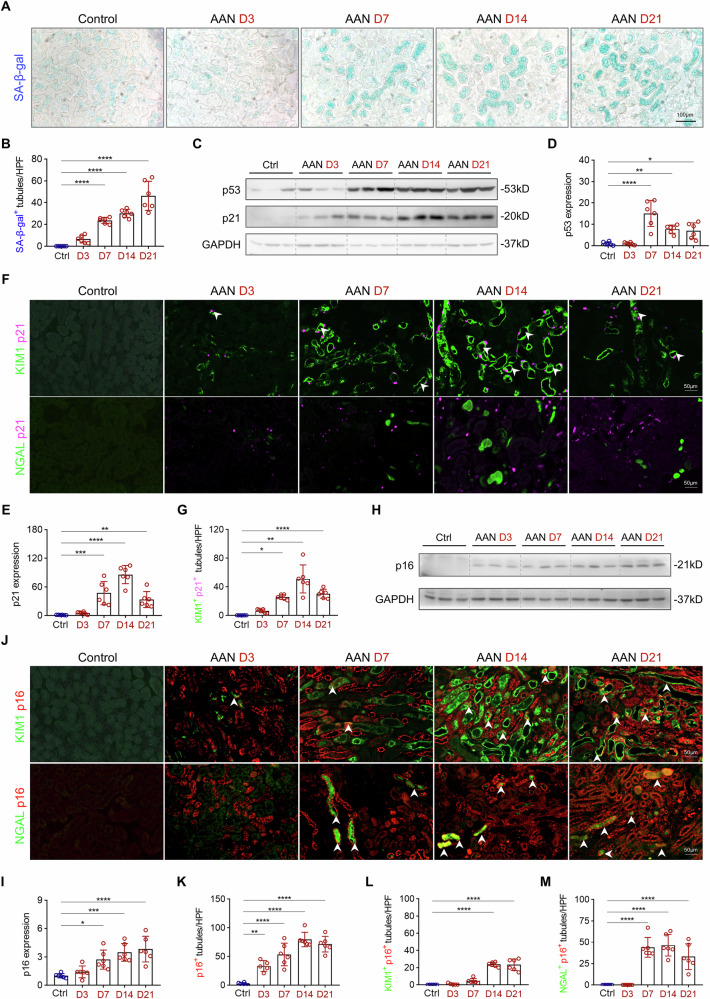 Figure 2
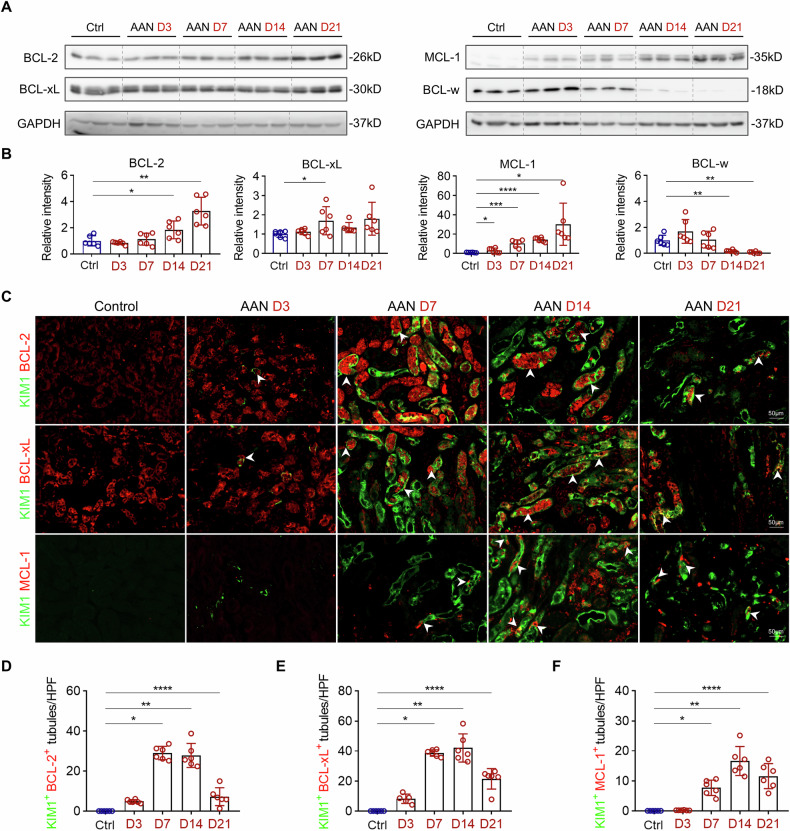 Figure 3
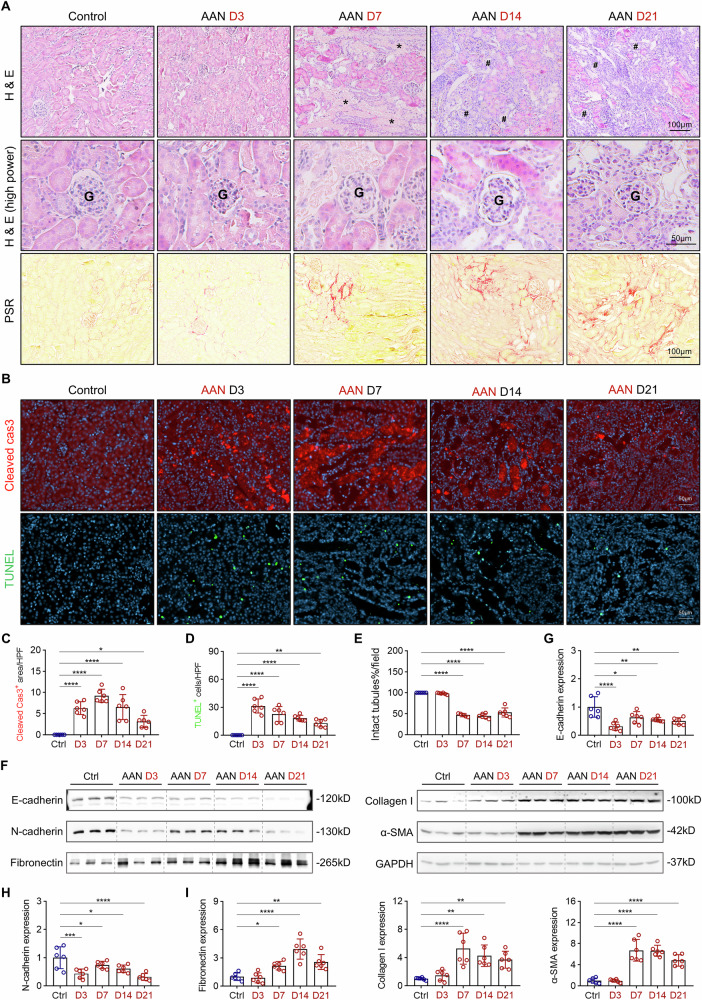 Figure 4
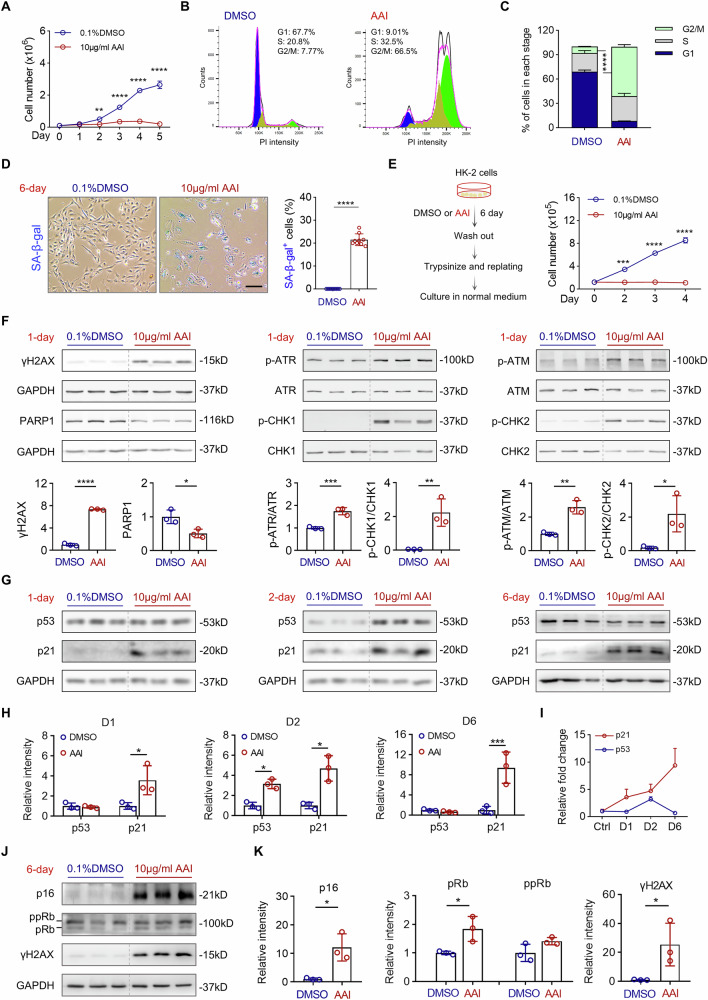 Figure 5
 Figure 6
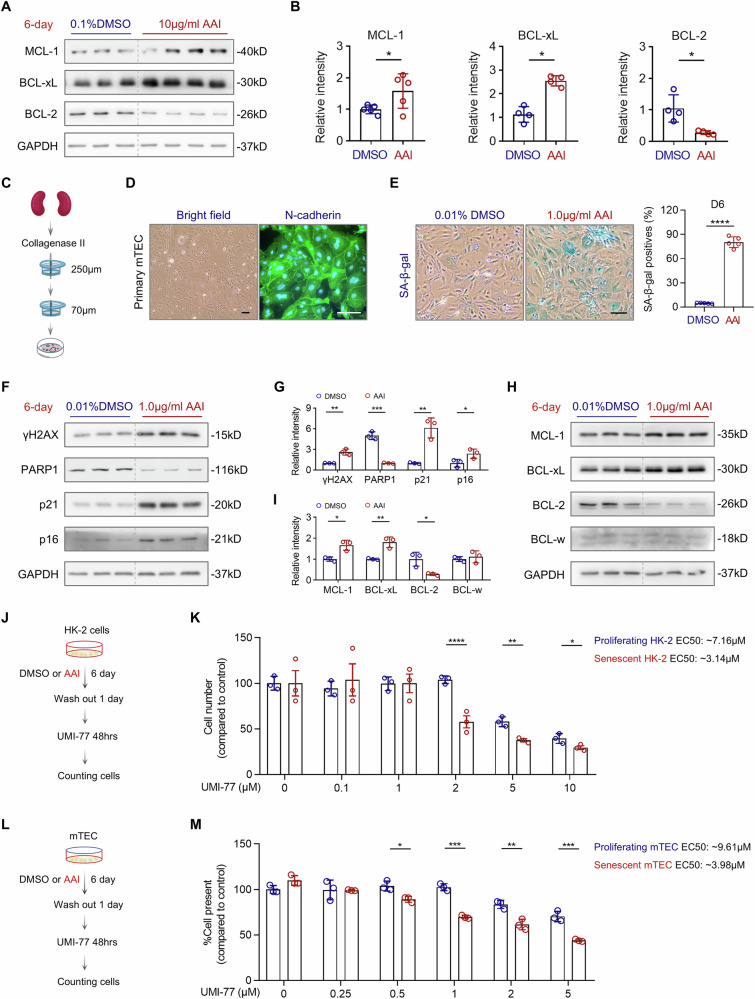 Figure 7
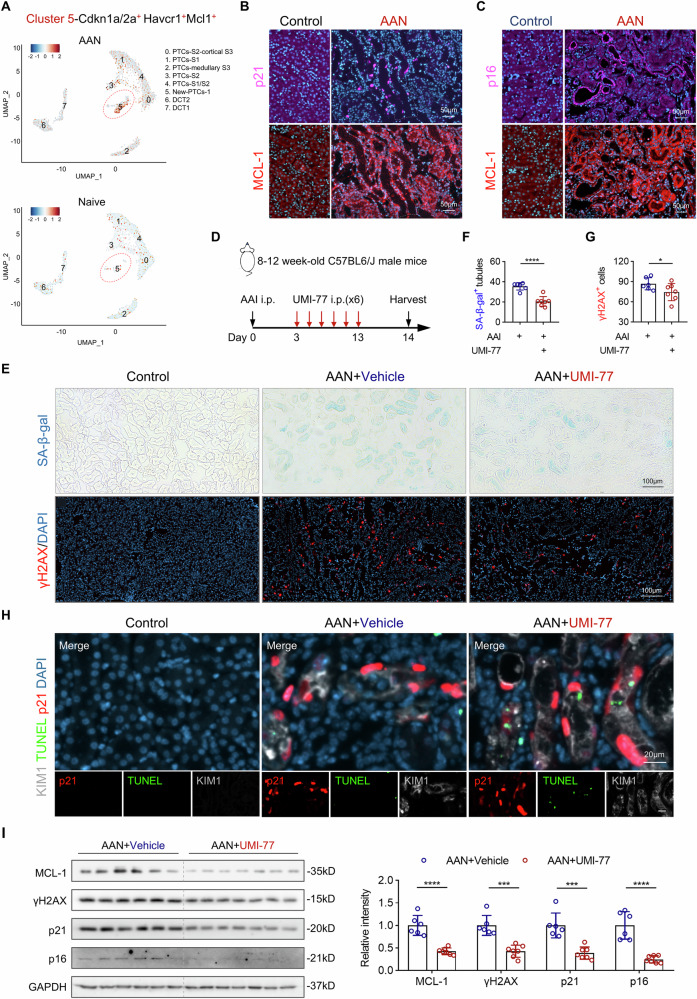 Figure 8
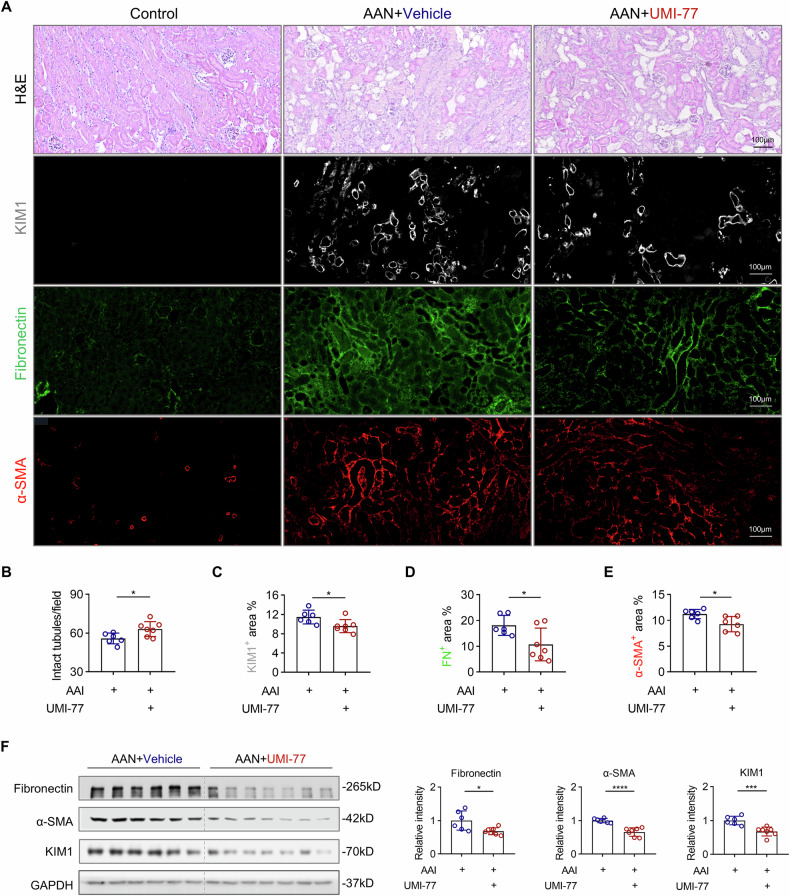 Figure 9
Peer Reviews
No public reviews on file for this paper yet. If you reviewed it on a platform where reviews are public (OpenReview, ICLR, NeurIPS, ICML), you can paste yours below so the community can read it here.
Videos
No videos yet. Explain this paper in a talk, walkthrough, or lecture? Add one.
Taxonomy
TopicsNephrotoxicity and Medicinal Plants · Biomedical Research and Pathophysiology · Saffron Plant Research Studies