Integrated application of transcriptomics and metabolomics provides insights into gonadal differentiation in Mesocentrotus nudus
Abudula Abulizi, Weiyi Su, Xiaoxiao Huang, Heng Xiang, Zhihui Sun, Yaqing Chang

TL;DR
This study explores how sea urchins develop male or female gonads by combining gene and metabolite data, revealing key pathways and potential markers for sex differentiation.
Contribution
The study provides novel molecular insights into sex differentiation in sea urchins through integrated transcriptomic and metabolomic analyses.
Findings
Sex-specific amino acid levels suggest metabolic differences between ovaries and testes in M. nudus.
Key genes like GATA4 and CYP17A1 are potential markers for gonadal differentiation.
TGF-β signaling and retinol metabolism genes show sex-biased expression during differentiation.
Abstract
Mesocentrotus nudus is an important aquaculture species in East Asia, valued for its gonads as the only edible part. However, the molecular basis of gonadal differentiation in this species remains poorly understood. In this study, we determined that morphological gonadal differentiation occurs when individuals reach a test diameter of approximately 40 mm. Amino acid profiling revealed sex-specific differences between ovaries and testes, with higher levels of lysine, proline, alanine, and glutamic acid in testes, suggesting sexual dimorphism in metabolic demand. To investigate the regulatory mechanisms involved, we conducted integrated transcriptomic and metabolomic analyses between differentiated and undifferentiated gonads. Differentially expressed genes (DEGs) and differentially expressed metabolites (DEMs) including retinoic acid, linoleic acid, and arachidonic acid, were…
Genes, proteins, chemicals, diseases, species, mutations and cell lines named across the full text — each resolved to its canonical identifier and authoritative record.
Click any figure to enlarge with its caption.
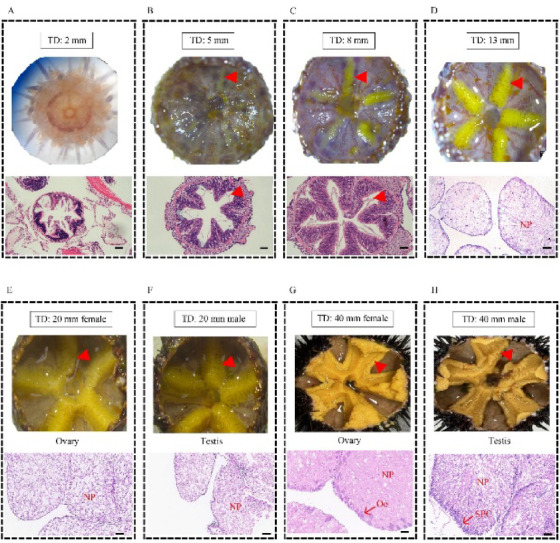 Figure 1
 Figure 2
 Figure 3
 Figure 4
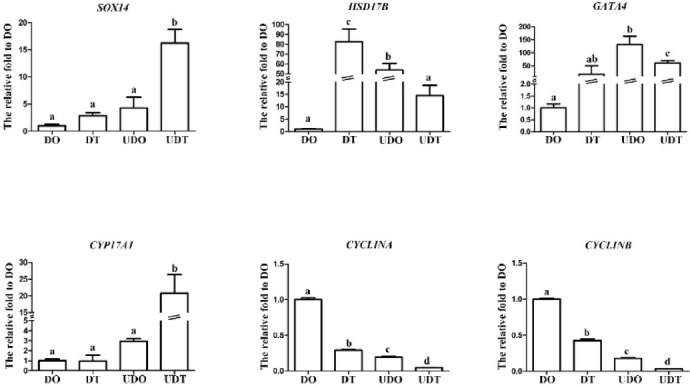 Figure 5
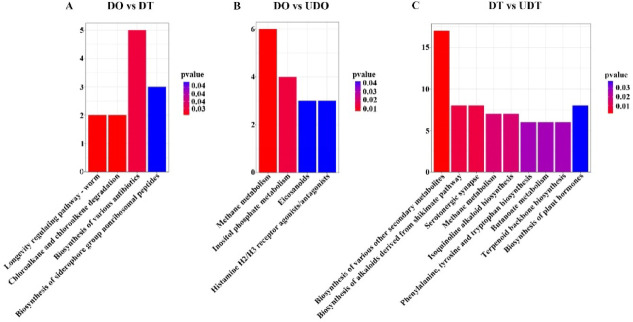 Figure 6
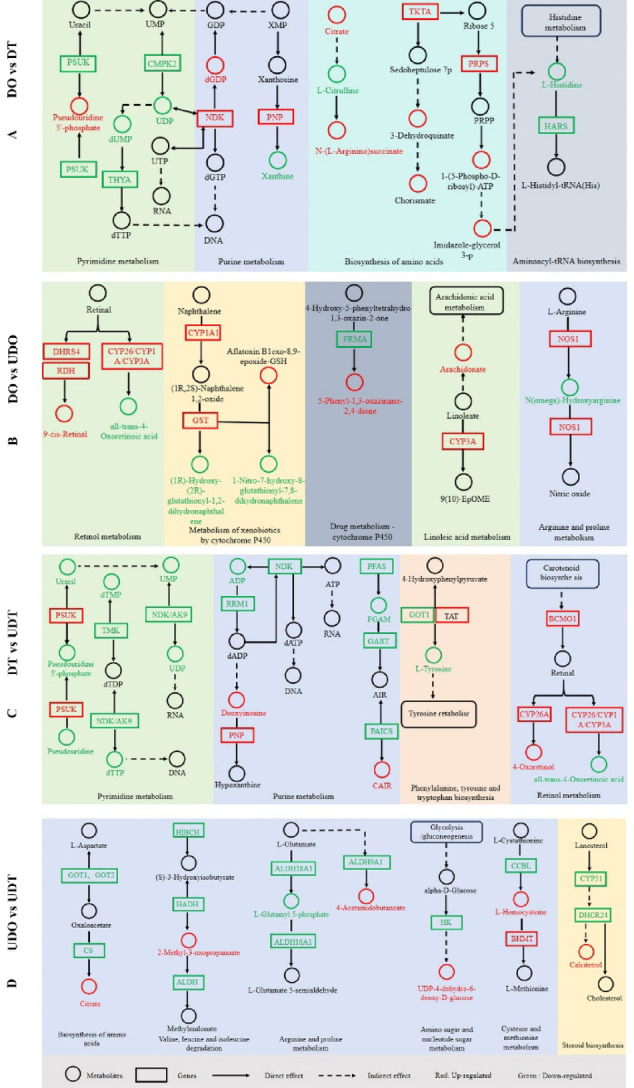 Figure 7
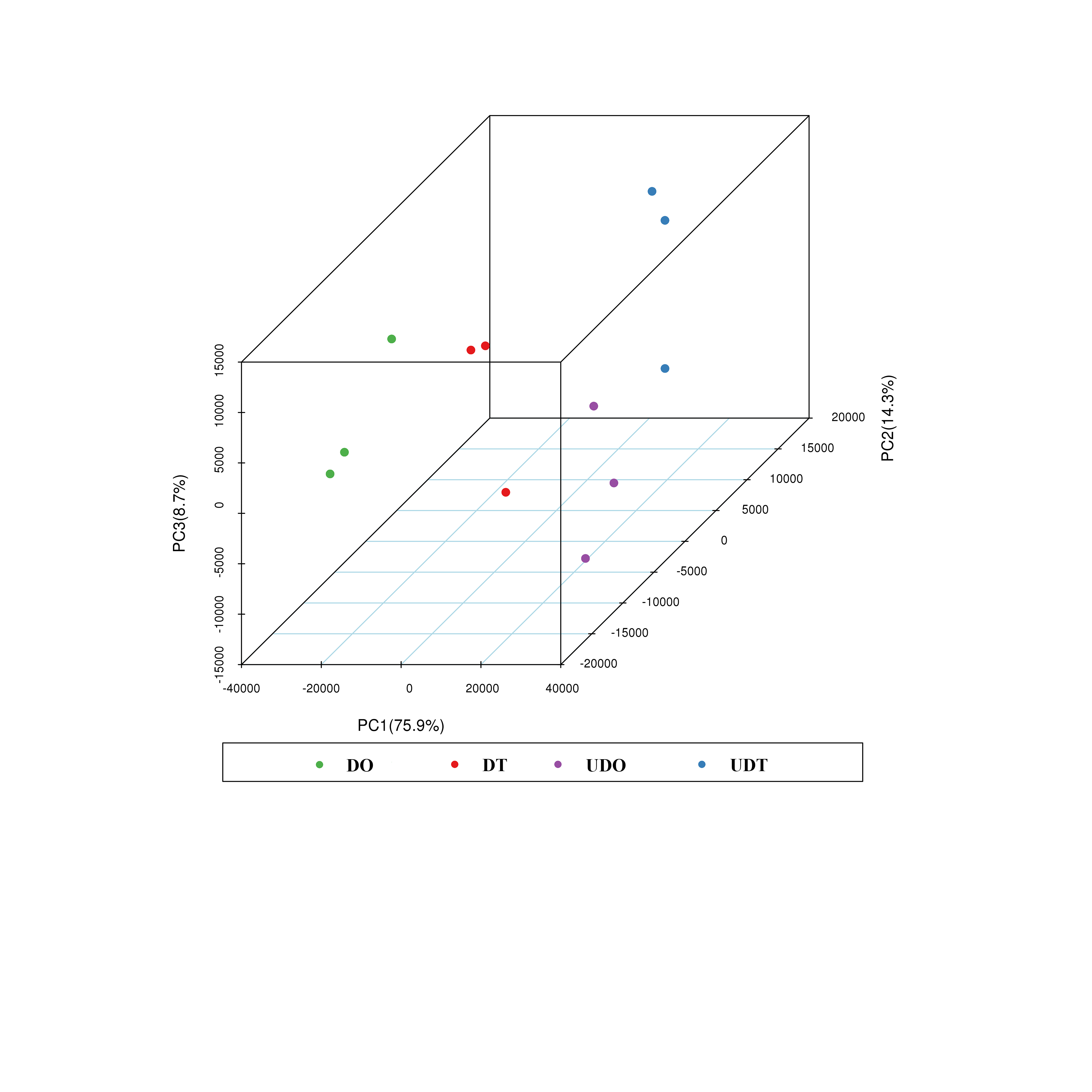 Figure 8
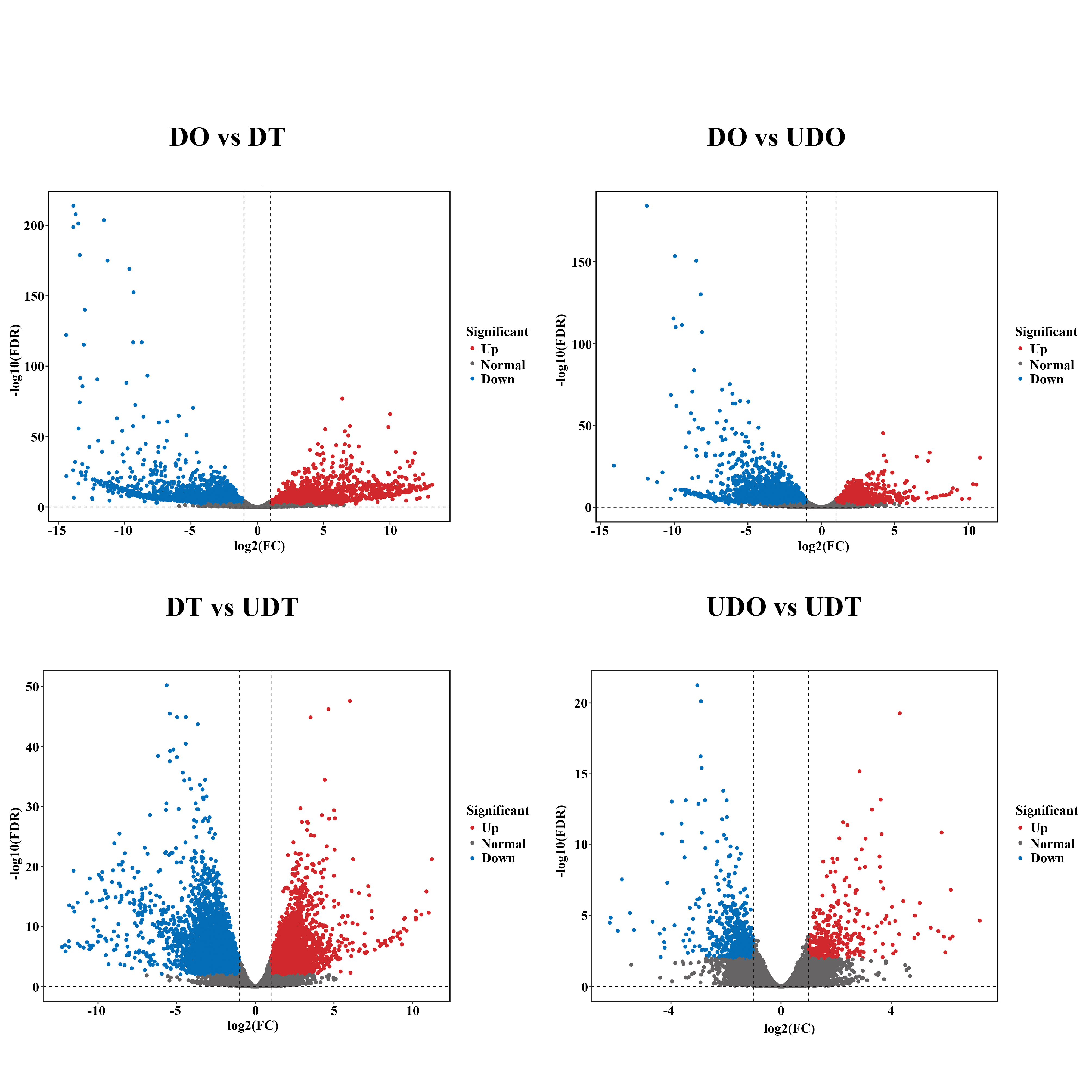 Figure 9
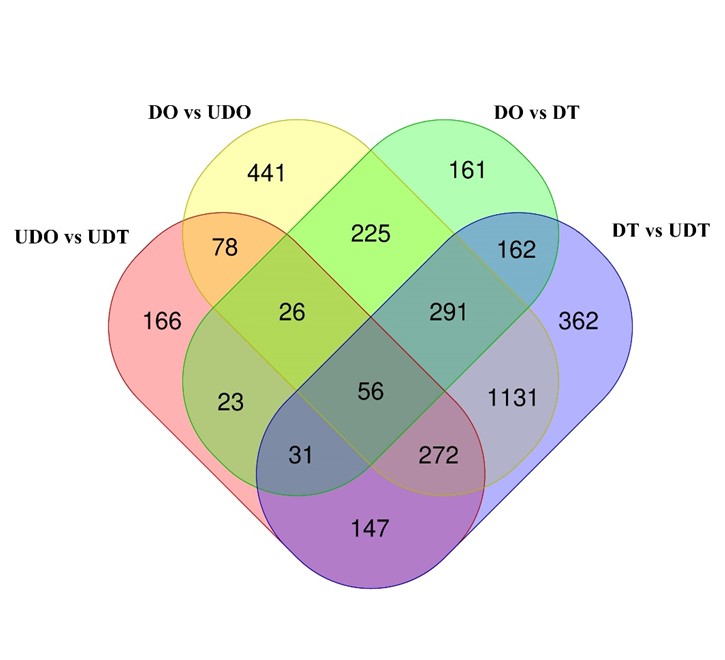 Figure 10
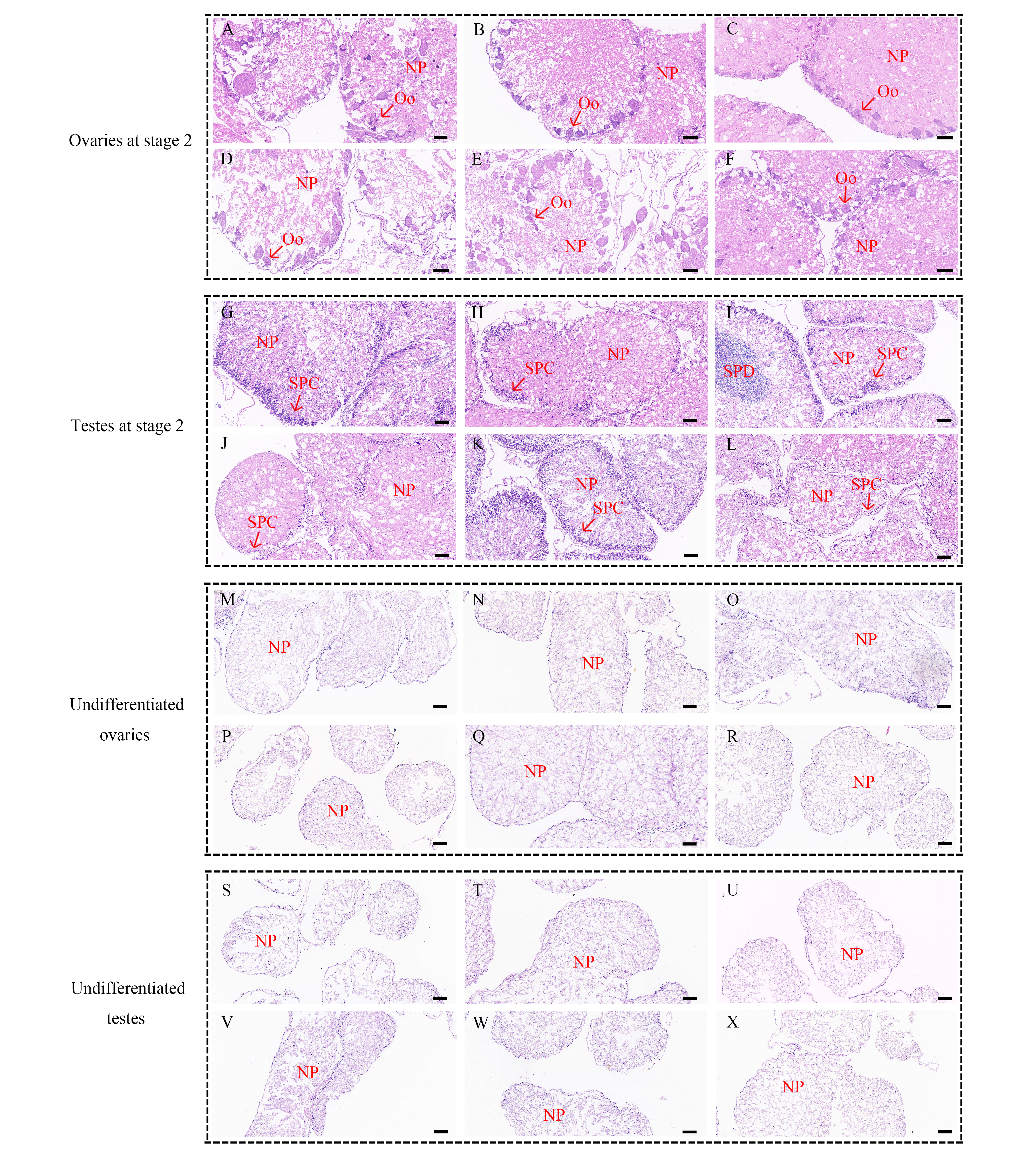 Figure 11
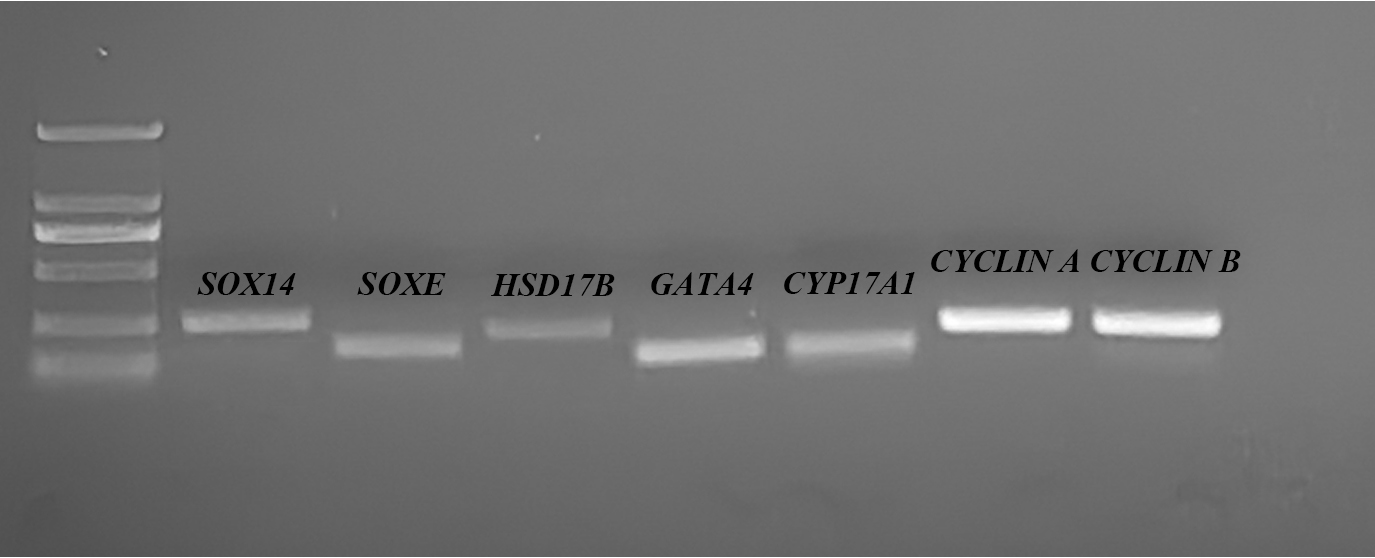 Figure 12
Peer Reviews
No public reviews on file for this paper yet. If you reviewed it on a platform where reviews are public (OpenReview, ICLR, NeurIPS, ICML), you can paste yours below so the community can read it here.
Videos
No videos yet. Explain this paper in a talk, walkthrough, or lecture? Add one.
Taxonomy
TopicsGenetic and Clinical Aspects of Sex Determination and Chromosomal Abnormalities · Marine and coastal plant biology · Developmental Biology and Gene Regulation