Bioclimatic comfort and solar responsive urban design in the traditional street texture of Diyarbakir’s Suriçi region
Kübra Suna Gider, Şefika Ergin, Hasan Yildizhan, Arman Ameen

TL;DR
This study explores how traditional shaded structures in Diyarbakir's historic area affect thermal comfort and urban design in hot-arid climates.
Contribution
The study provides new insights into the thermal performance of traditional kabaltıs and their role in climate-responsive urban design.
Findings
Shaded zones and kabaltıs showed lower air temperature and PET values compared to open areas.
Urban geometry like building height and street width significantly influenced thermal comfort.
No direct correlation was found between Sky View Factor and Physiological Equivalent Temperature.
Abstract
People in urban areas (such as streets, parks, semi-open and enclosed spaces) are exposed to varying microclimatic conditions. These conditions change depending on environmental characteristics and directly affect individuals’ bioclimatic comfort levels. The lack of climate-responsive urban planning exposes inhabitants to uncomfortable thermal stress. Establishing climate-sensitive thermal comfort conditions at the micro scale is therefore essential for creating more livable urban environments. In hot-arid climates, kabaltıs, roofed passages integrated into the street network, are among the spatial elements that influence pedestrian thermal comfort. However, there is limited knowledge in the literature regarding the thermal performance of these shaded structures, which provide both protection from solar radiation and shelter from rain and wind. This study aims to reveal the impact of…
Genes, proteins, chemicals, diseases, species, mutations and cell lines named across the full text — each resolved to its canonical identifier and authoritative record.
Click any figure to enlarge with its caption.
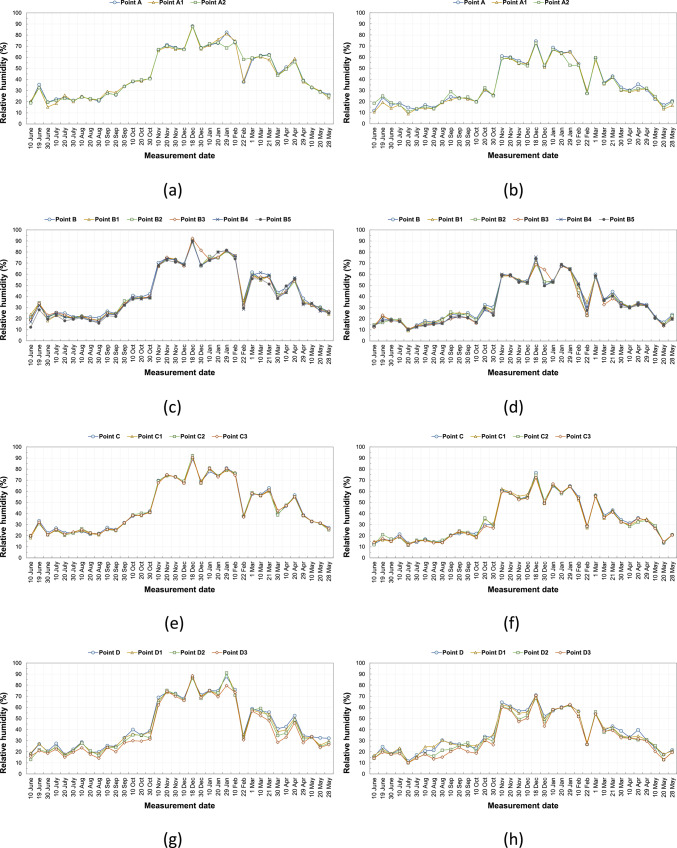 Figure 10
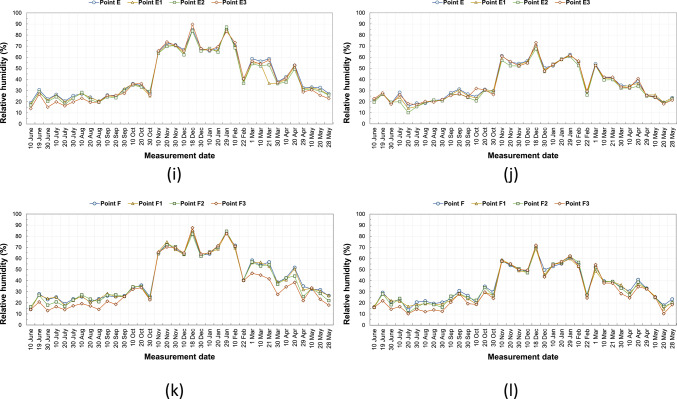 Figure 10
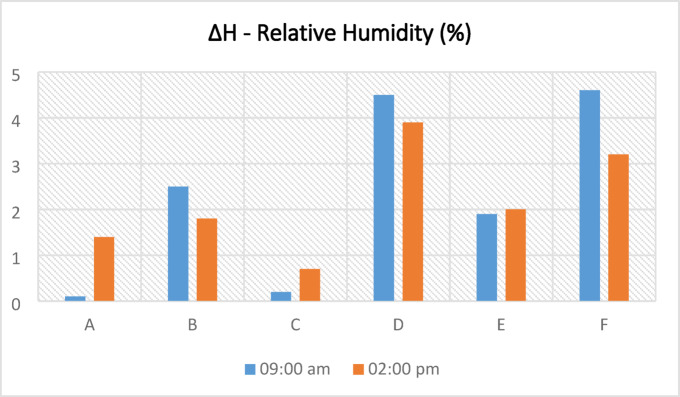 Figure 11
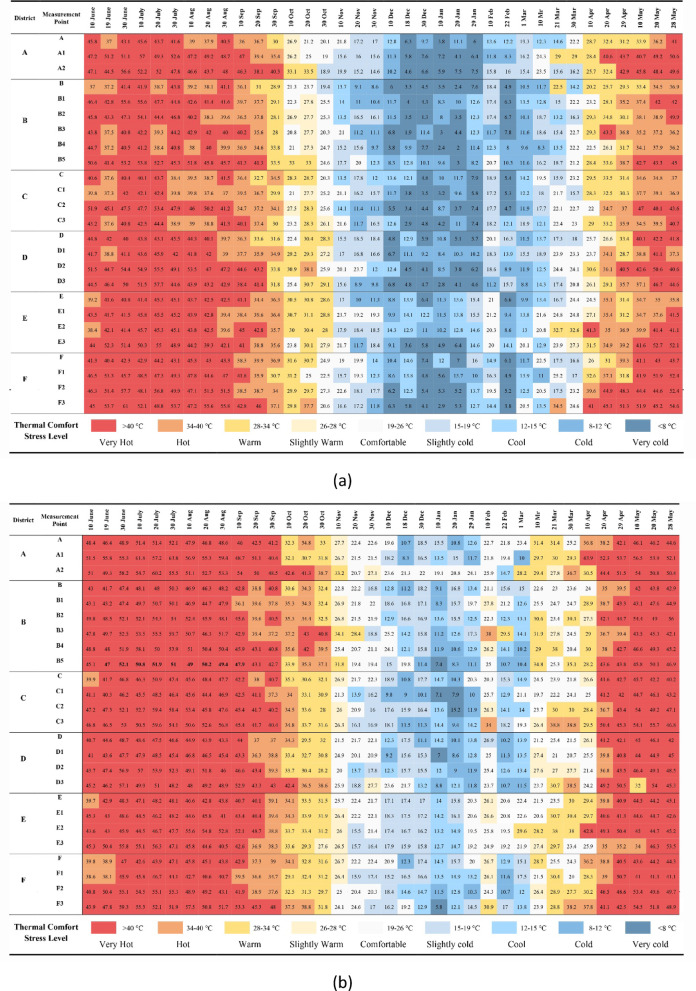 Figure 12
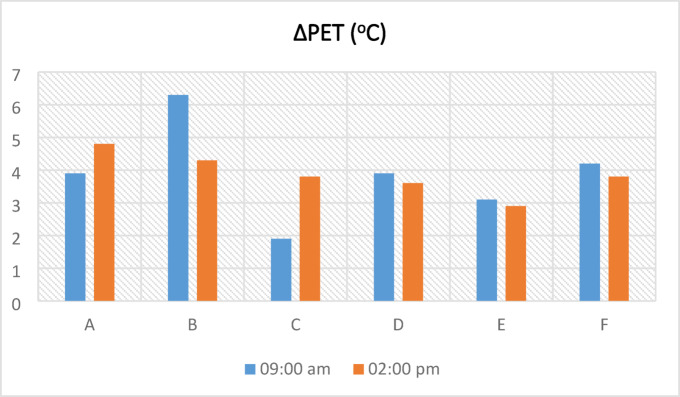 Figure 13
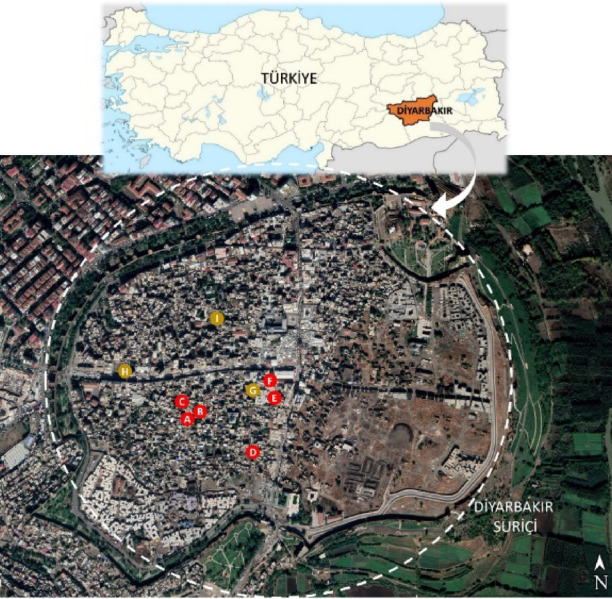 Figure 1
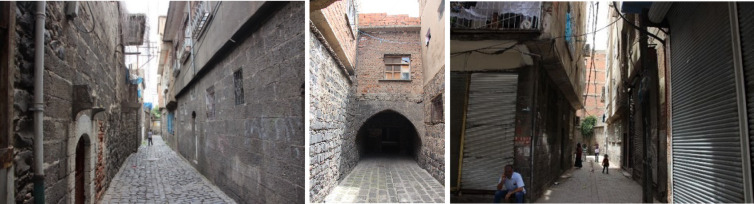 Figure 2
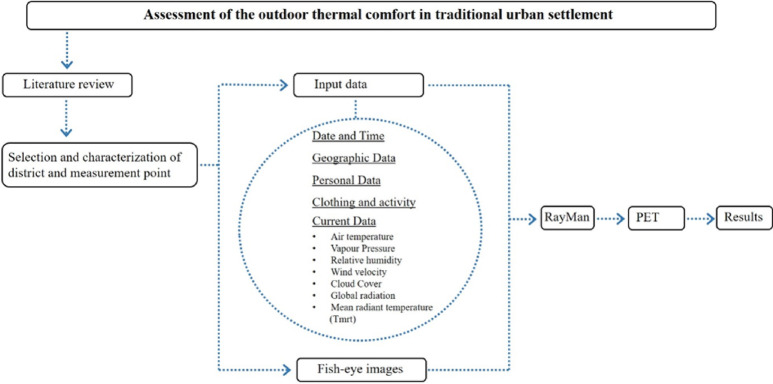 Figure 3
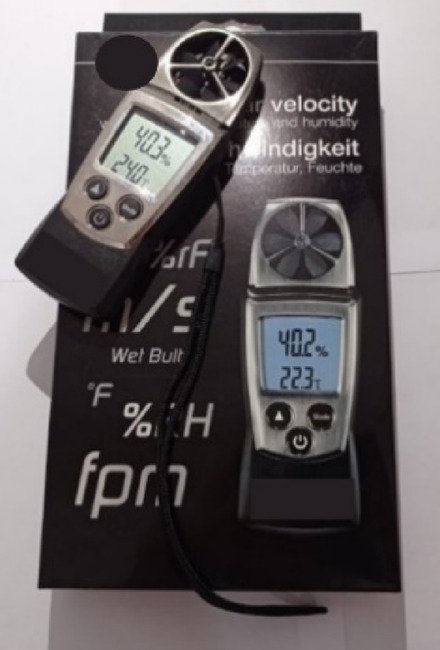 Figure 4
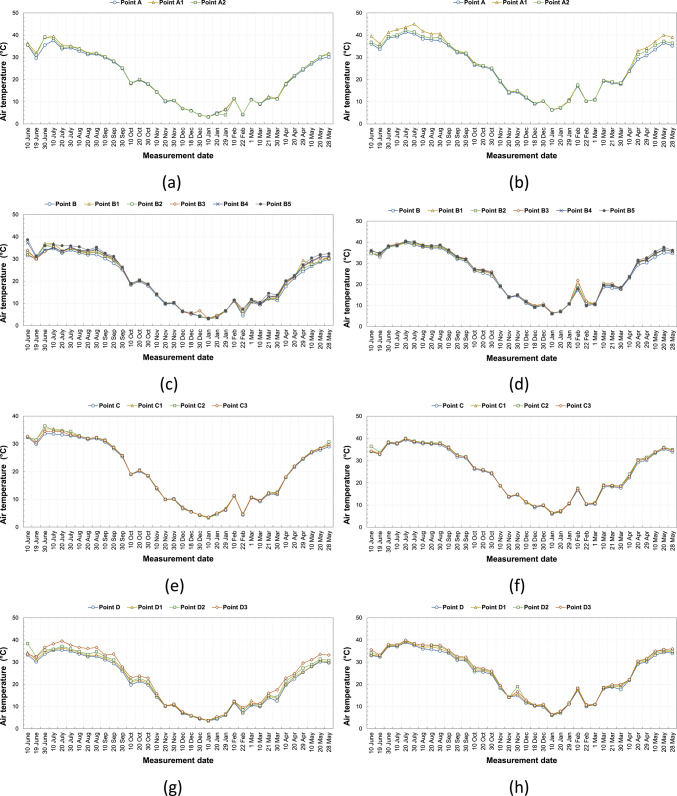 Figure 5
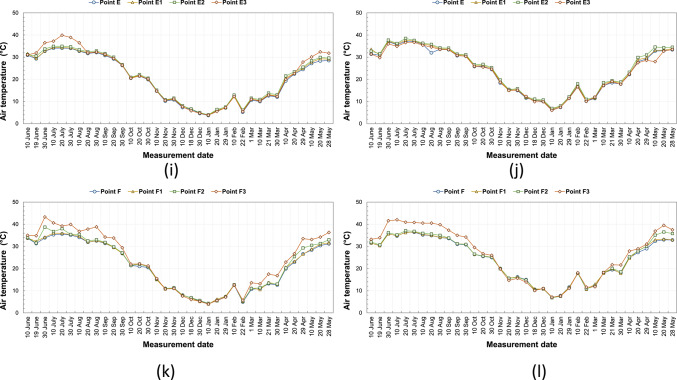 Figure 5
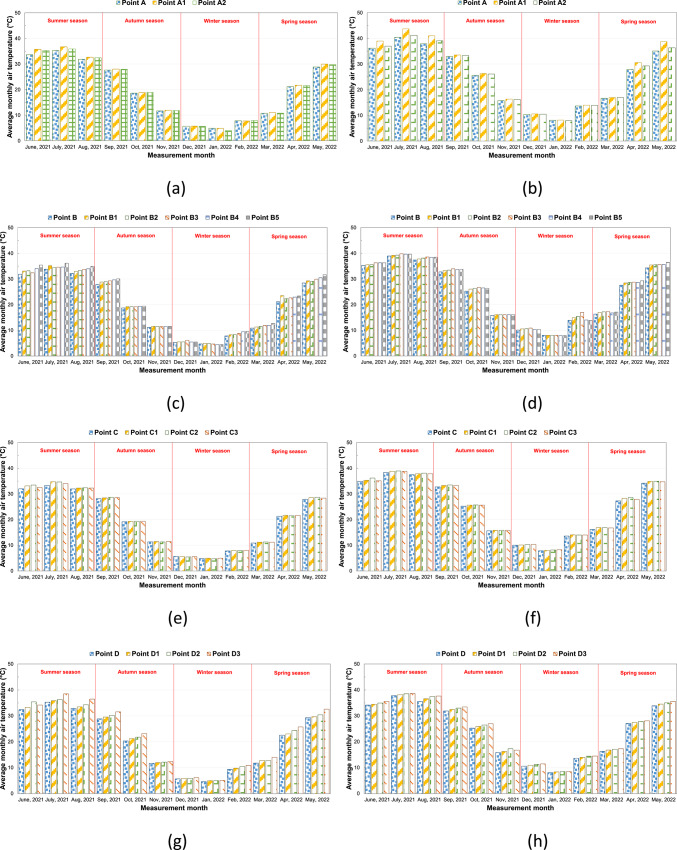 Figure 6
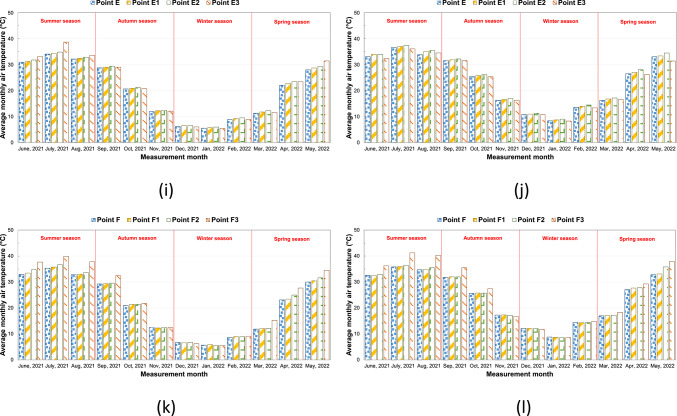 Figure 6
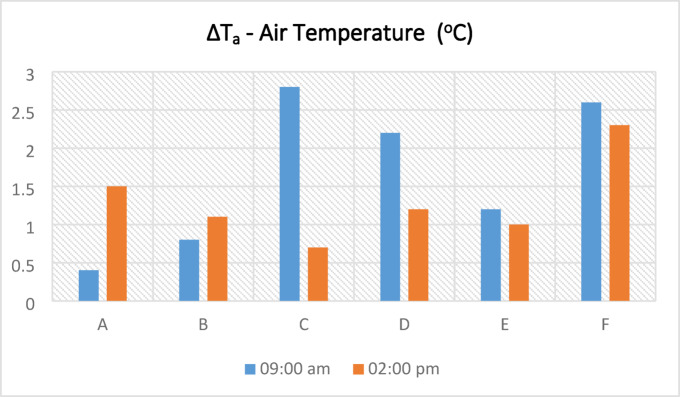 Figure 7
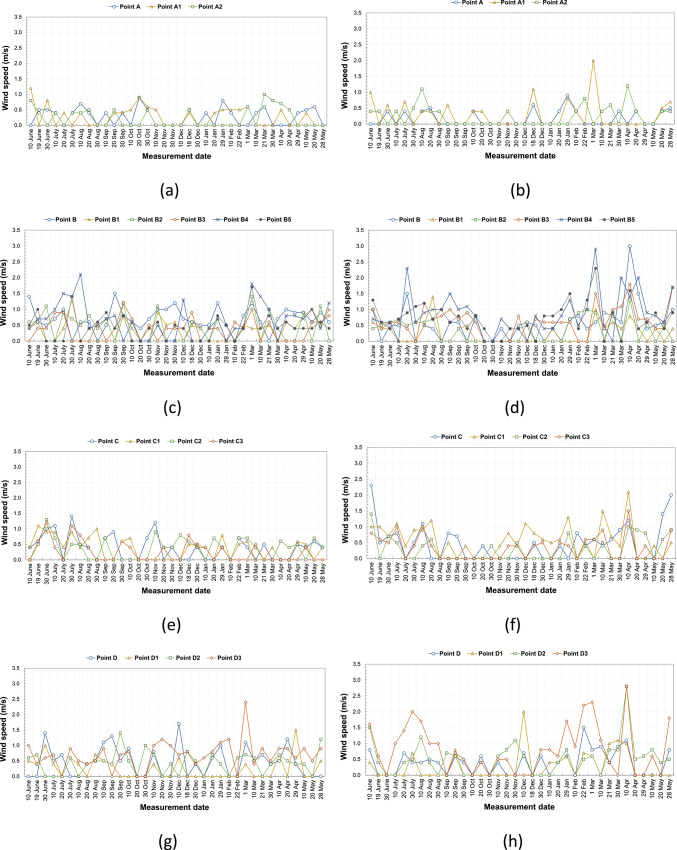 Figure 8
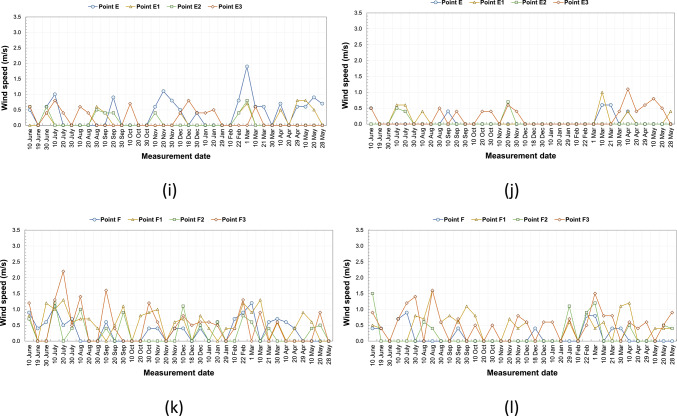 Figure 8
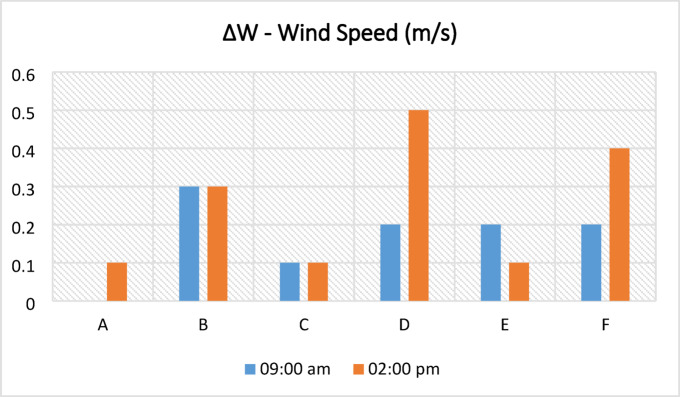 Figure 9
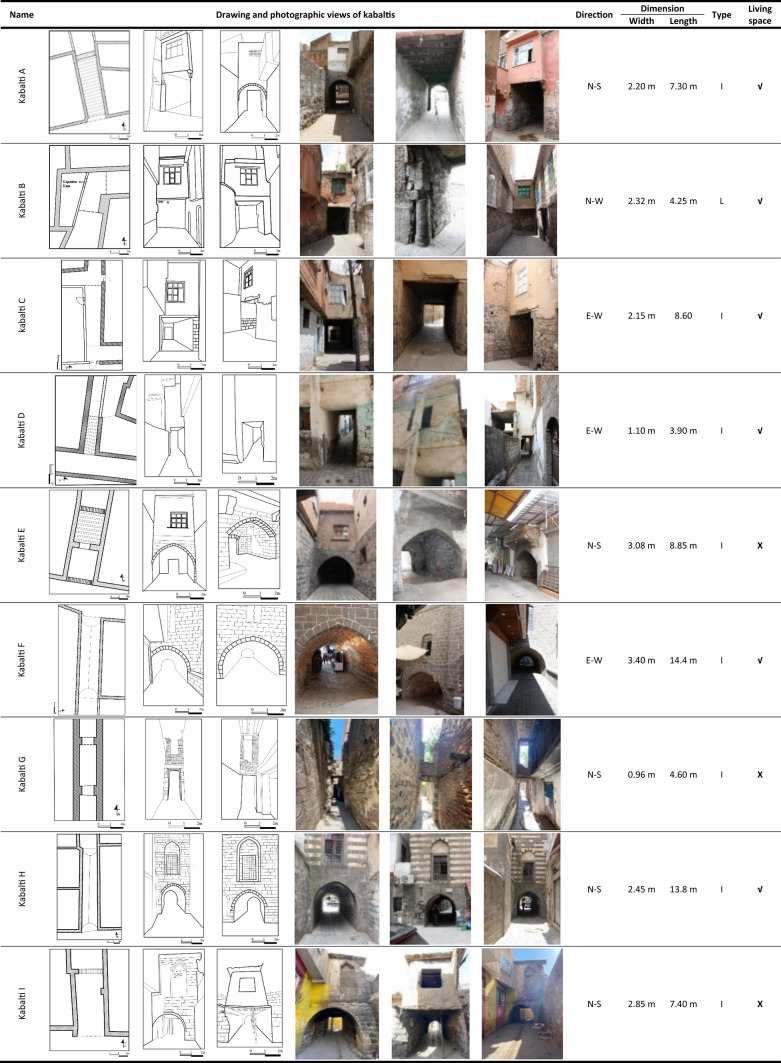 Figure 18
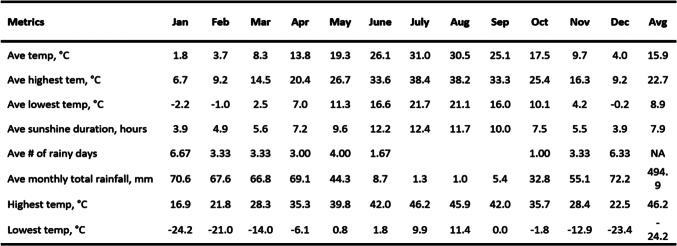 Figure 19
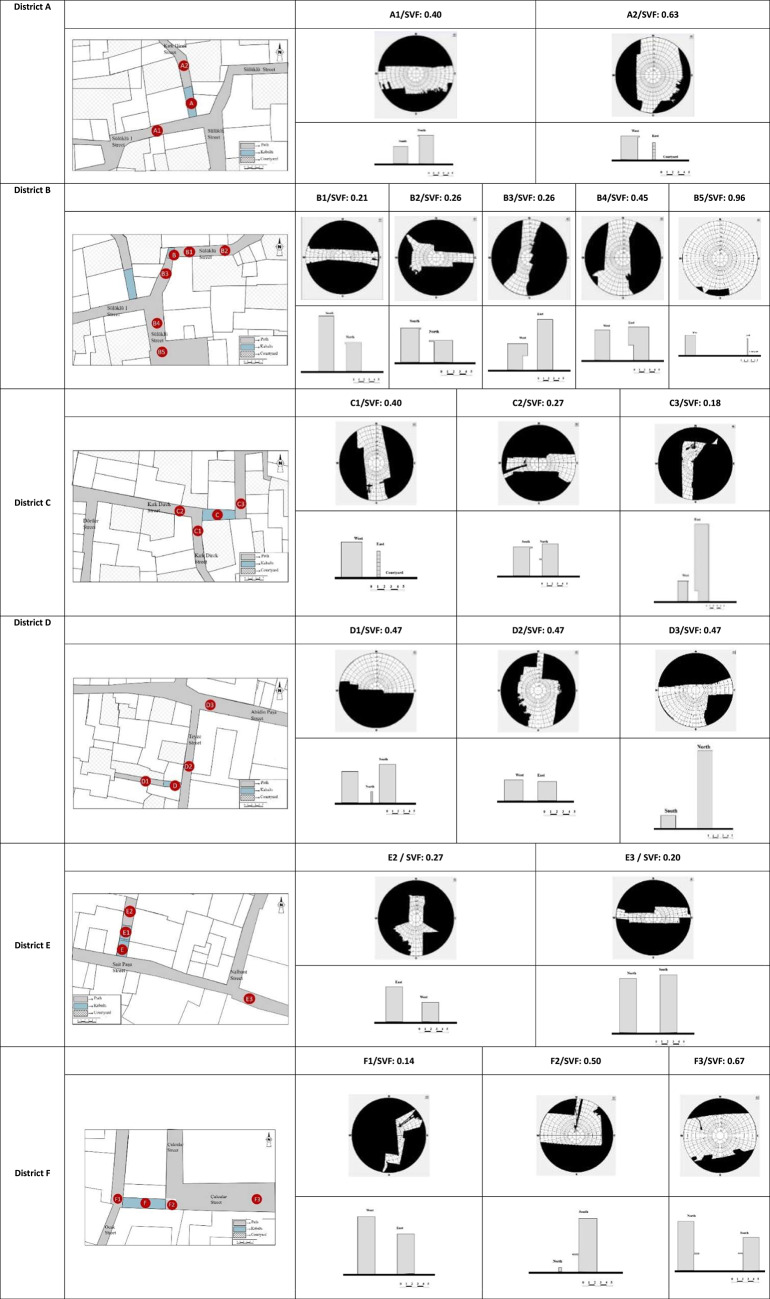 Figure 20
Peer Reviews
No public reviews on file for this paper yet. If you reviewed it on a platform where reviews are public (OpenReview, ICLR, NeurIPS, ICML), you can paste yours below so the community can read it here.
Videos
No videos yet. Explain this paper in a talk, walkthrough, or lecture? Add one.
Taxonomy
TopicsUrban Heat Island Mitigation · Building Energy and Comfort Optimization · Geothermal Energy Systems and Applications