A novel mutation in FDX2 provides insights into the pathogenesis of MEOAL mitochondrial neuromuscular disease
Davide Doni, Deborah Grifagni, Federica Cavion, Bianca Buchignani, Roberta Battini, Elisa Baschiera, Maria Andrea Desbats, Rosa Pasquariello, Giuseppina Covello, Eva De Pascale, Alice Boarolo, Ilaria Cestonaro, Denis Badocco, Paolo Pastore, Geppo Sartori, Oliver Stehling

TL;DR
A new mutation in the FDX2 gene is linked to a rare mitochondrial disease, MEOAL, causing muscle weakness and other symptoms.
Contribution
A novel homozygous FDX2 mutation is identified and studied for its role in MEOAL pathogenesis.
Findings
The FDX2 mutation causes altered splicing and a modified protein structure.
Patient cells show reduced FDX2 levels and impaired mitochondrial function.
Mutant FDX2 likely retains function but leads to FeS protein defects and mitochondrial iron accumulation.
Abstract
Episodic mitochondrial myopathy with or without optic atrophy and reversible leukoencephalopathy (MEOAL) is a rare autosomal recessive neuromuscular disorder characterized by childhood onset of progressive muscle weakness and exercise intolerance. It is caused by mutations in the FDX2 gene, encoding the mitochondrial protein ferredoxin 2 (FDX2), a central component of the cellular FeS protein biogenesis. To date there are gaps in our understanding of how FDX2 mutations impact mitochondrial pathophysiology in MEOAL patients. In this work we report a multidisciplinary study of a pediatric patient with a diagnosis of neuromuscular disorder, with multiorgan involvement, associated with a novel homozygous mutation in FDX2, i.e., c.200+4 A > G. We found that: (i) the mutation alters the splicing of the gene transcript, giving rise to a mutant protein in which 19 N-terminal residues encoded by…
Genes, proteins, chemicals, diseases, species, mutations and cell lines named across the full text — each resolved to its canonical identifier and authoritative record.
Click any figure to enlarge with its caption.
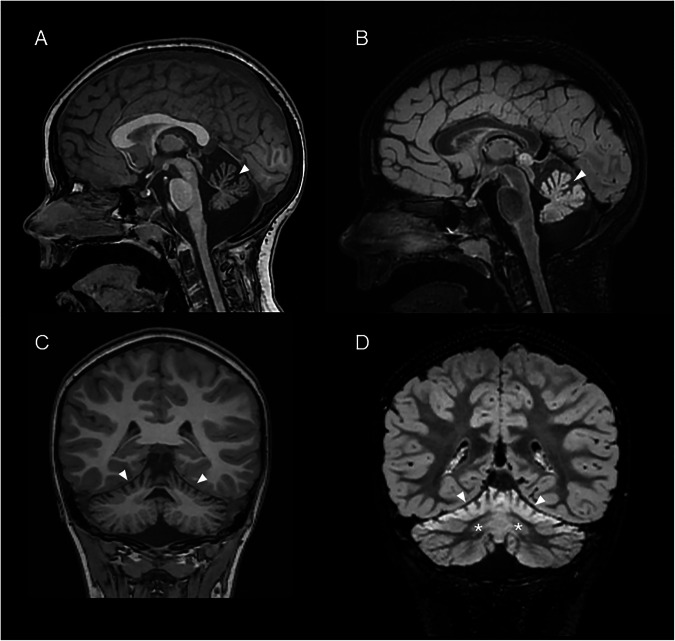 Figure 1
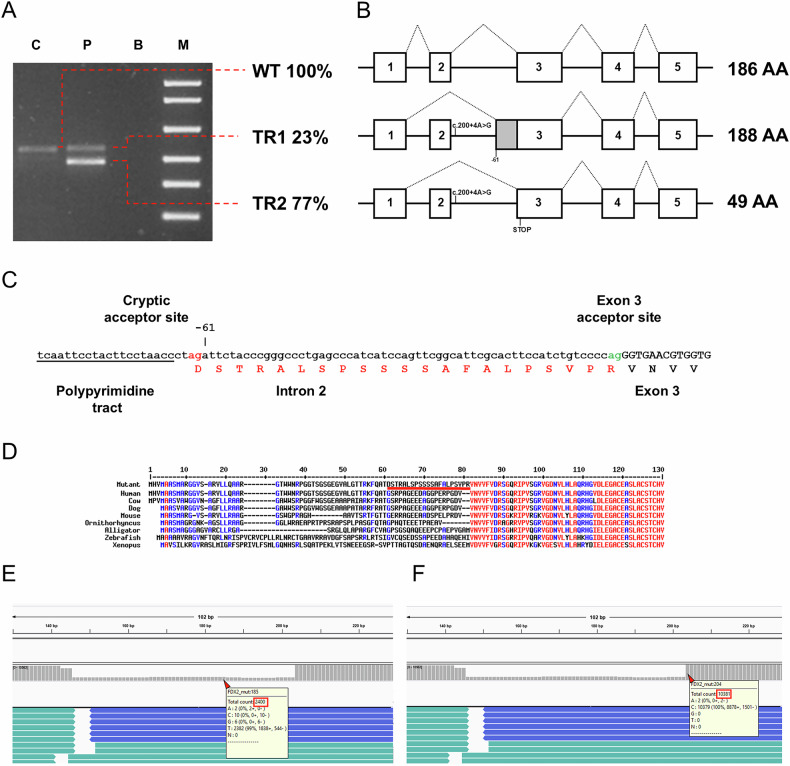 Figure 2
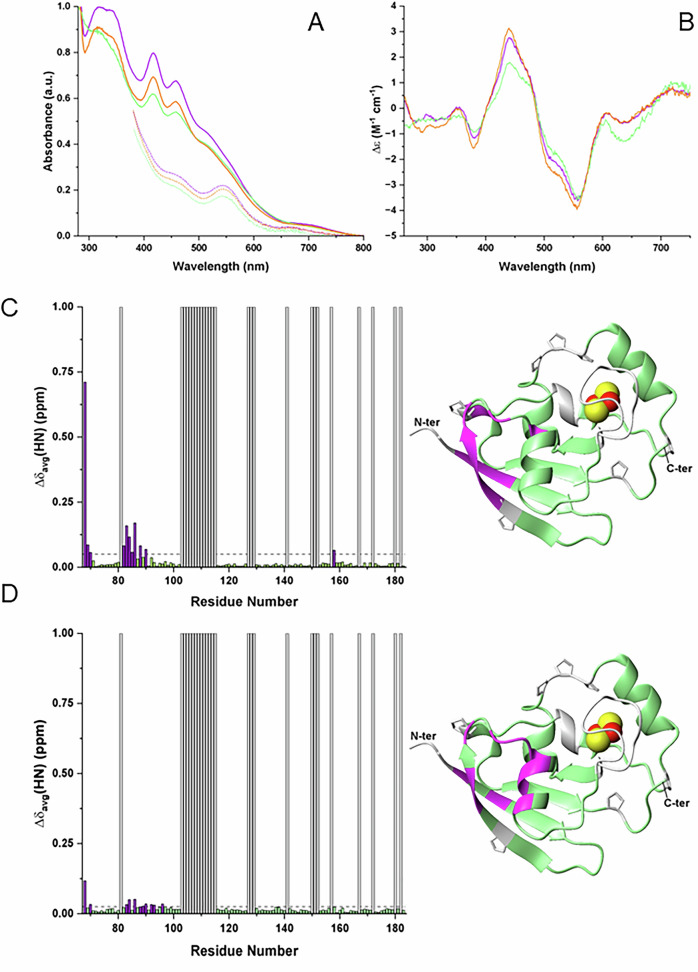 Figure 3
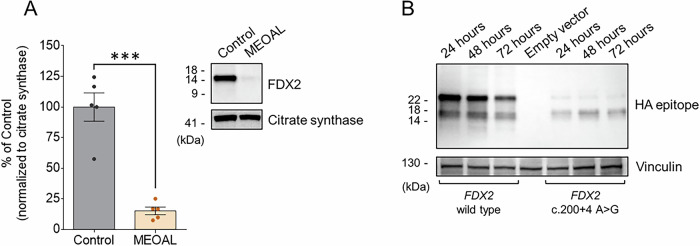 Figure 4
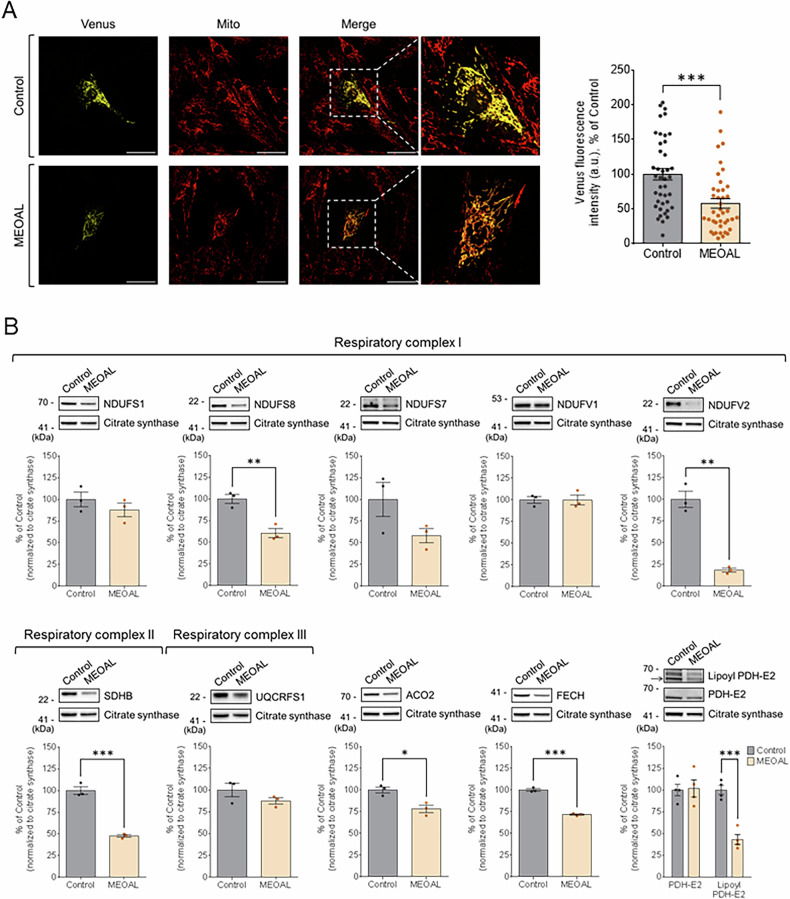 Figure 5
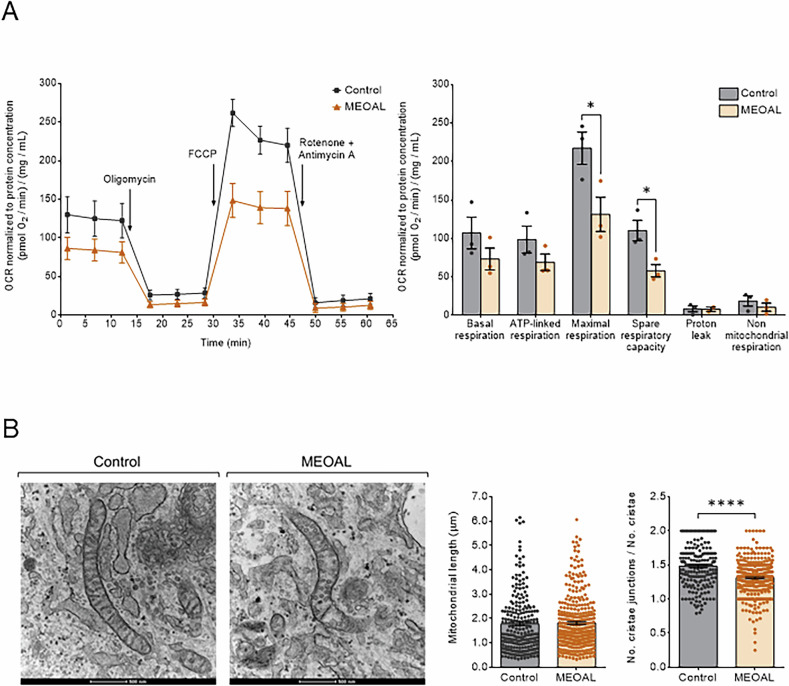 Figure 6
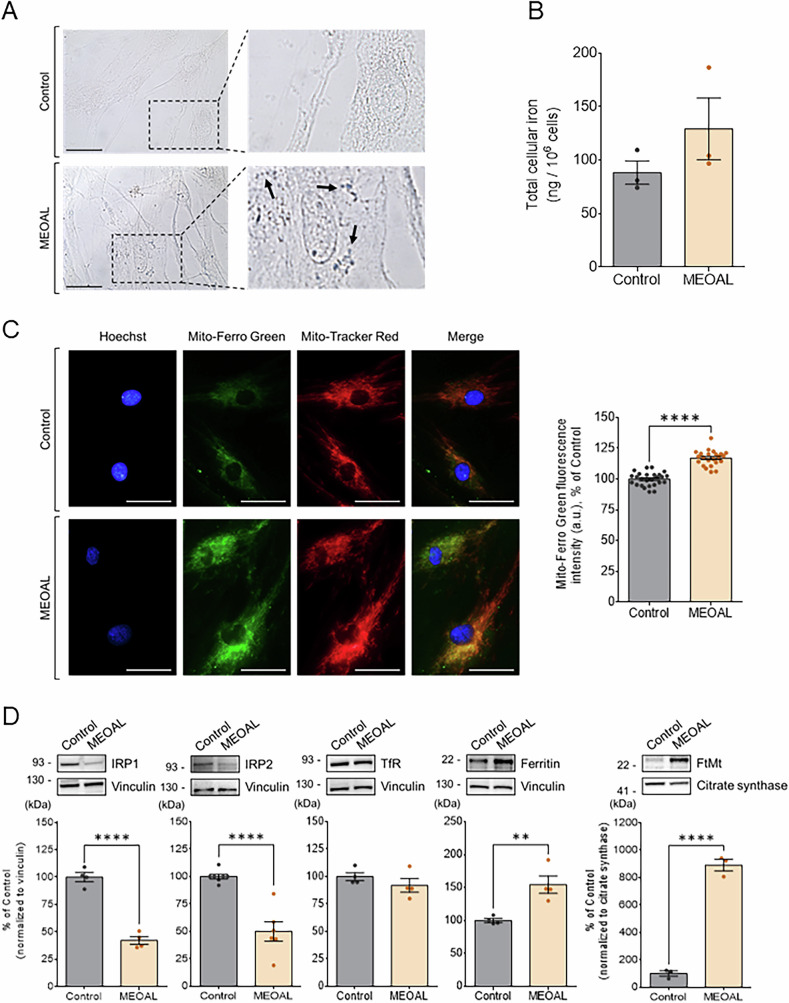 Figure 7
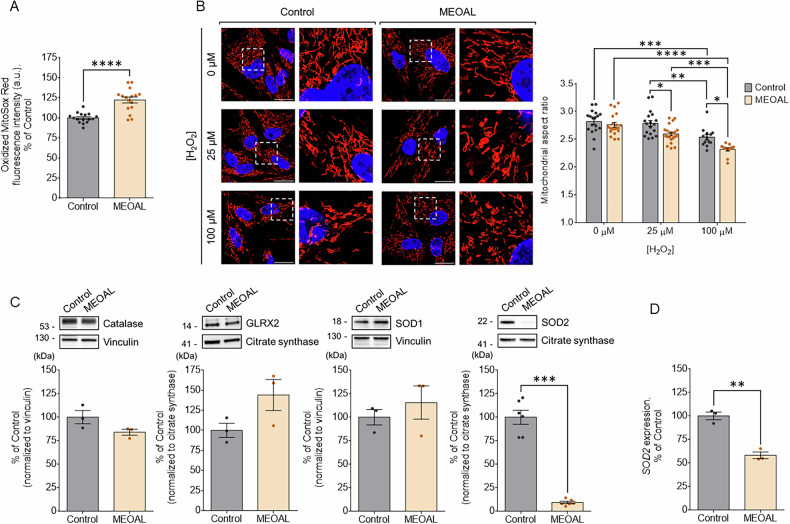 Figure 8
Peer Reviews
No public reviews on file for this paper yet. If you reviewed it on a platform where reviews are public (OpenReview, ICLR, NeurIPS, ICML), you can paste yours below so the community can read it here.
Videos
No videos yet. Explain this paper in a talk, walkthrough, or lecture? Add one.
Taxonomy
TopicsMitochondrial Function and Pathology · Metalloenzymes and iron-sulfur proteins · Neurological diseases and metabolism