Multivariate data analysis of sex differences in emotional and cognitive evaluations over 1 year after stroke
Suhrit Duttagupta, Thomas Tourdias, Sharmila Sagnier, Mathilde Poli, Sabrina Debruxelles, Pauline Renou, Stéphane Olindo, Igor Sibon, Sylvie Berthoz

TL;DR
This study finds that men and women experience different emotional and cognitive recovery patterns after stroke, highlighting the need for sex-specific care strategies.
Contribution
The study reveals sex-specific differences in post-stroke cognitive and emotional recovery, emphasizing the importance of incorporating sex-based factors in clinical evaluations.
Findings
Women showed higher baseline depression, apathy, and anxiety levels compared to men.
Men exhibited increasing depression over time and stronger psychological intercorrelations.
Sex differences in cognitive and socio-affective functioning were observed independently of stroke severity, age, and education.
Abstract
Post-stroke disabilities in cognition and mood lead to worse stroke recovery trajectory but are frequently overlooked. Although neurological factors and clinical history have been documented as important predictors of these invisible handicaps, the role of sex has not been given enough scrutiny. Examining sex-based differences in these outcomes could help deliver better post-stroke care. The goal of this study was to explore the interplay over one year between post-stroke cognitive and socio-affective assessments for men and women separately. Clinical evaluations of a monocentric hospital-based cohort including 263 patients with first-ever ischemic stroke were taken before hospital discharge and at 3- and 12-months post-stroke. Univariate comparisons between men and women were conducted, followed by multivariate analyses controlling for stroke severity, age, and education. Partial…
Genes, proteins, chemicals, diseases, species, mutations and cell lines named across the full text — each resolved to its canonical identifier and authoritative record.
Click any figure to enlarge with its caption.
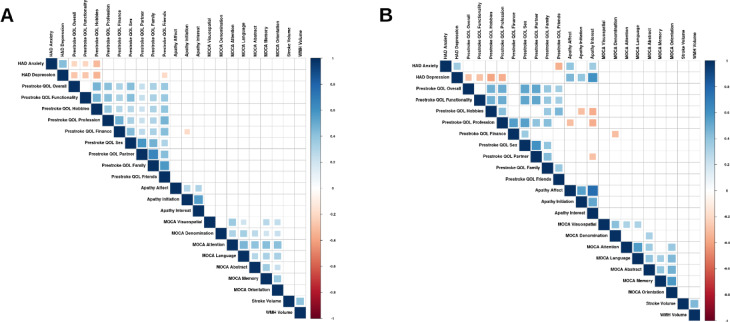 Figure 1
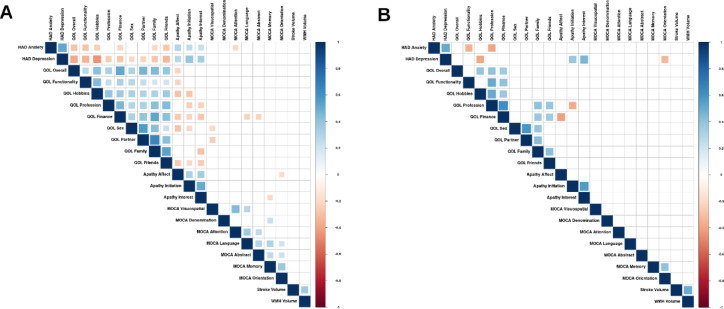 Figure 2
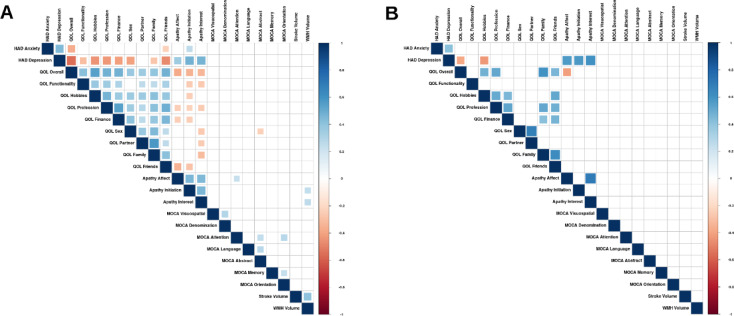 Figure 3
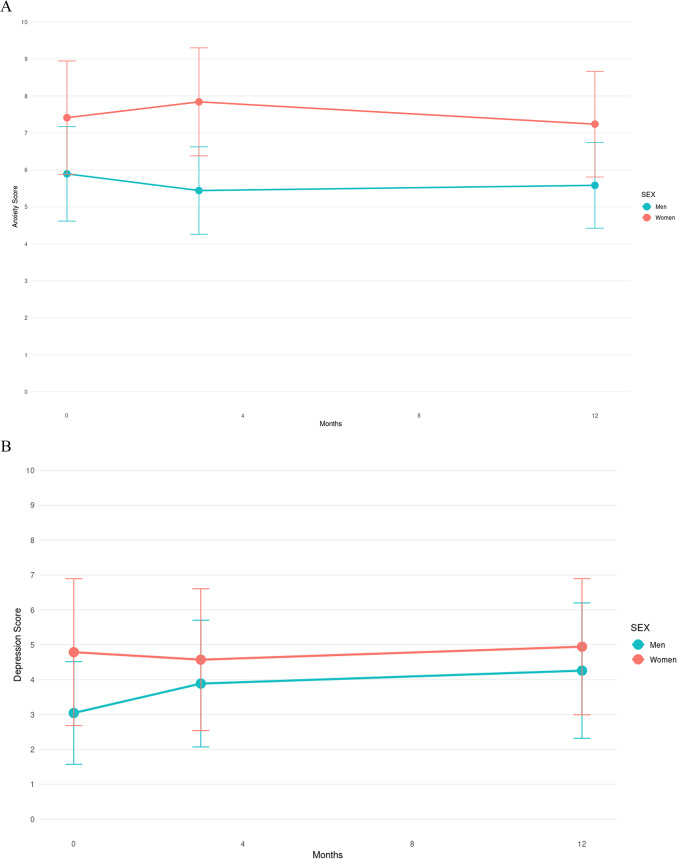 Figure 4
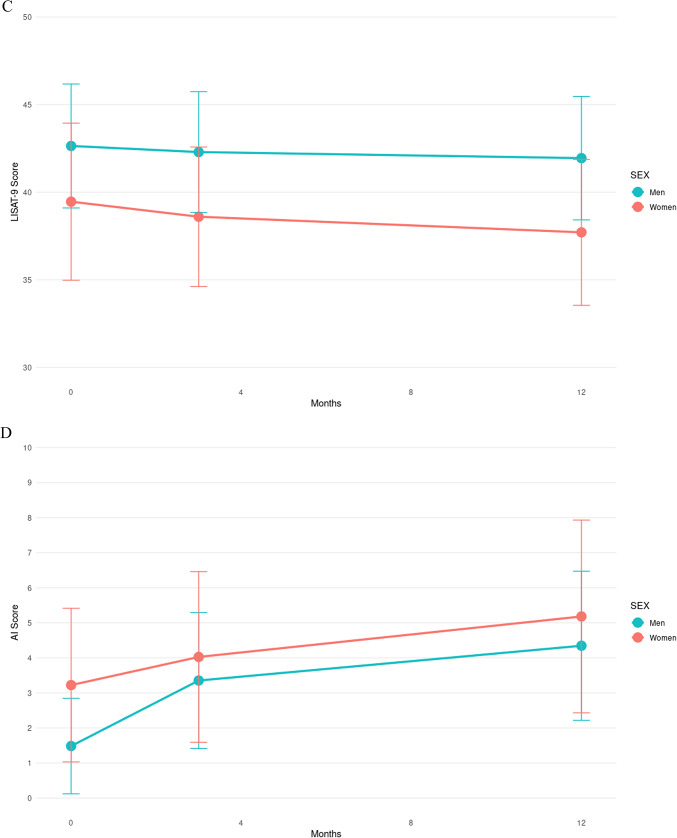 Figure 4
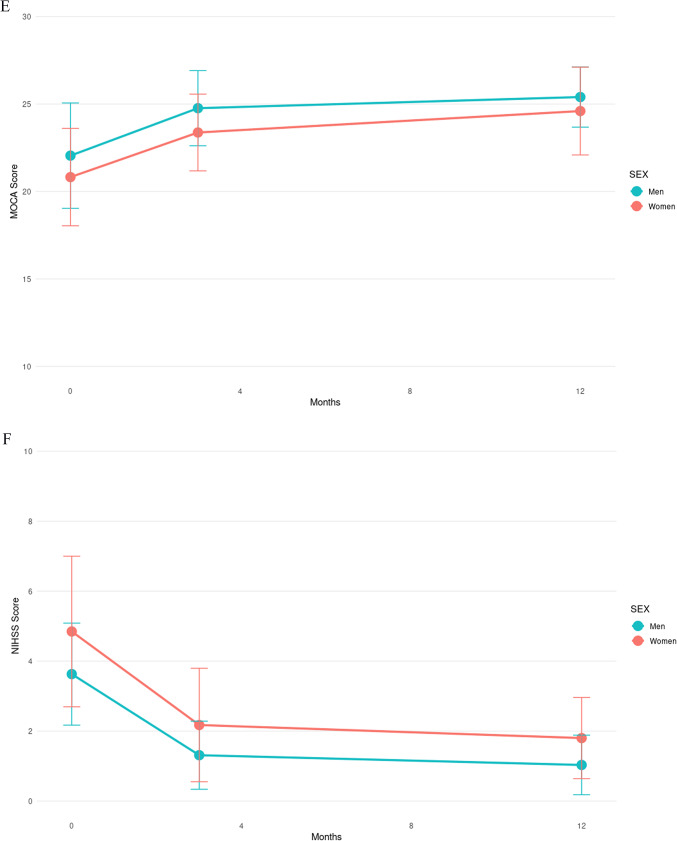 Figure 4
Peer Reviews
No public reviews on file for this paper yet. If you reviewed it on a platform where reviews are public (OpenReview, ICLR, NeurIPS, ICML), you can paste yours below so the community can read it here.
Videos
No videos yet. Explain this paper in a talk, walkthrough, or lecture? Add one.
Taxonomy
TopicsStroke Rehabilitation and Recovery · Acute Ischemic Stroke Management · Dementia and Cognitive Impairment Research