Probing the activity of cysteine cathepsins in inflammatory bowel diseases
Bethany M. Anderson, Alexander R. Ziegler, Rhiannon I. Campden, Hongyi Wu, Bangyan Xu, Rachel M. McQuade, Simona E. Carbone, Daniel P. Poole, Alan E. Lomax, David E. Reed, Stephen J. Vanner, Robin M. Yates, Nigel W. Bunnett, Laura E. Edgington-Mitchell

TL;DR
This study explores the role of cathepsin S in inflammatory bowel diseases and finds it contributes to some symptoms, but more effective inhibition methods are needed.
Contribution
The study identifies cathepsin S as a potential therapeutic target in colitis, with insights into its role and limitations of current inhibition strategies.
Findings
Fecal cathepsin S levels are significantly higher in ulcerative colitis patients compared to healthy controls.
Pharmacologic inhibition of cathepsin S led to increased mucosal protease activity and worsened histological scores in mice.
Cathepsin S deficiency in mice reduced rectal bleeding and splenomegaly but did not significantly affect other colitis indicators.
Abstract
Cathepsin S is a cysteine protease that has been implicated in inflammatory bowel diseases (IBD) for its ability to promote visceral pain. Given its pro-inflammatory roles, we hypothesized that cathepsin S would drive other symptoms associated with IBD. Using activity-based probes, we investigated cysteine cathepsin activation in human and murine colitis. We observed a significant increase in fecal cathepsin S in patients with ulcerative colitis compared to healthy controls, while cathepsin S in mucosal biopsies was unchanged. Mice with experimental colitis exhibited a modest increase in mucosal activity of both cathepsin S and X compared to naïve mice. Luminal secretion of cathepsin S was dramatically increased upon colitis induction, although differences between mouse colonies were observed. To investigate the contribution of cathepsin S and cathepsin X to colitis, we induced colitis…
Genes, proteins, chemicals, diseases, species, mutations and cell lines named across the full text — each resolved to its canonical identifier and authoritative record.
Click any figure to enlarge with its caption.
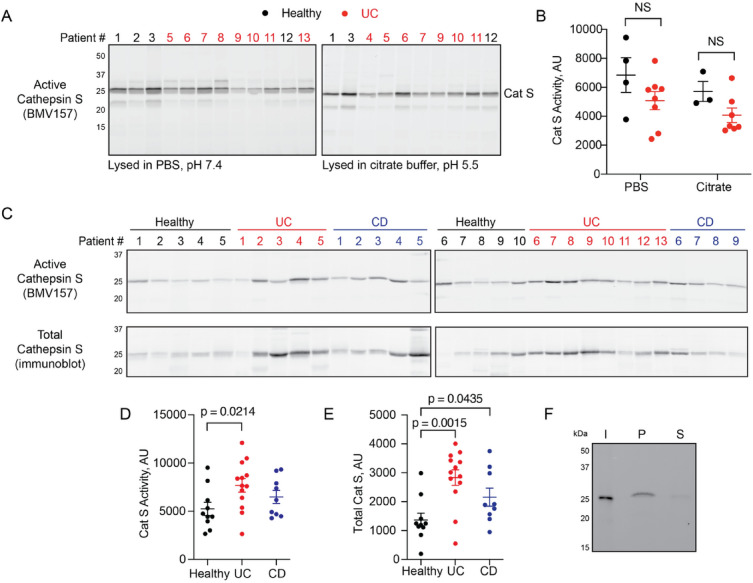 Figure 1
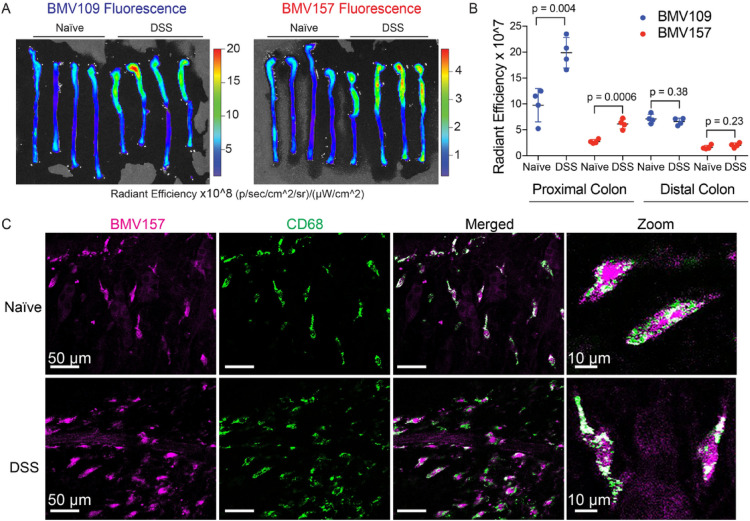 Figure 2
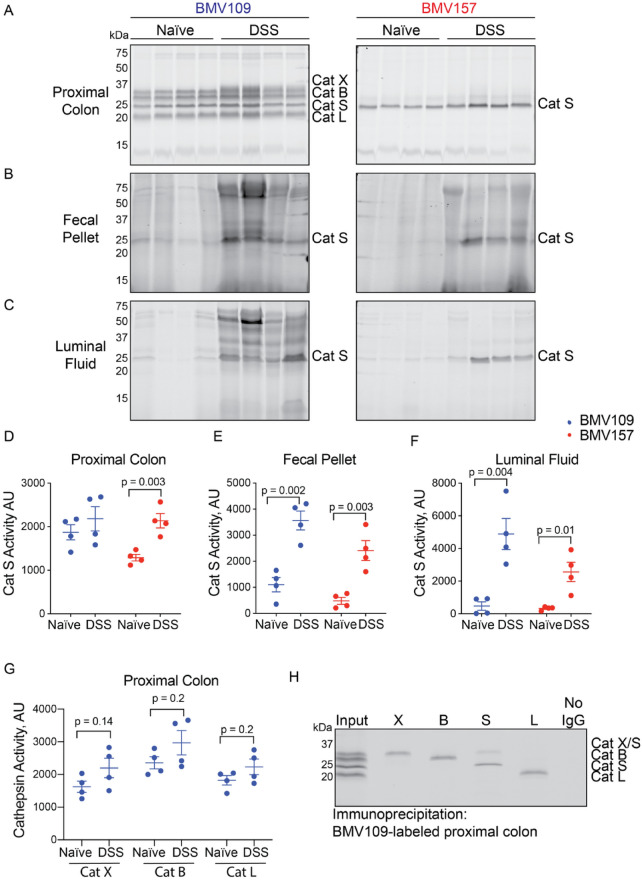 Figure 3
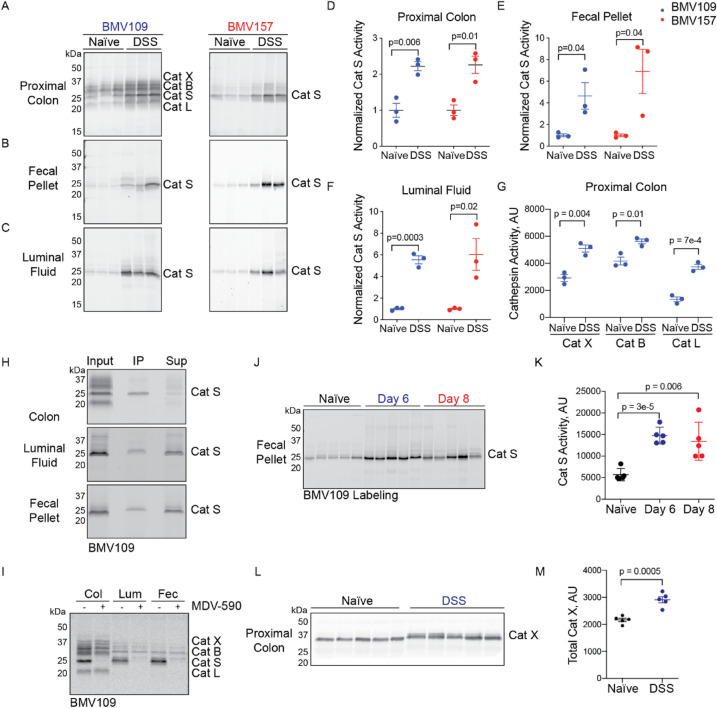 Figure 4
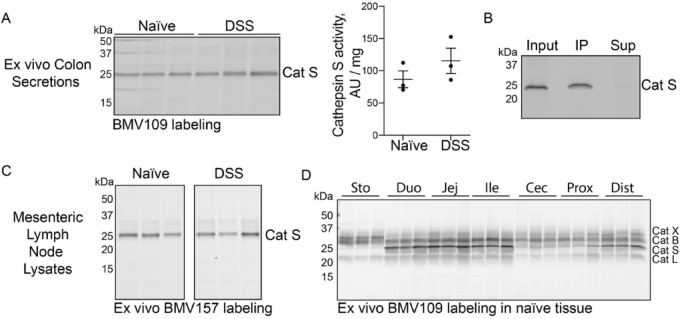 Figure 5
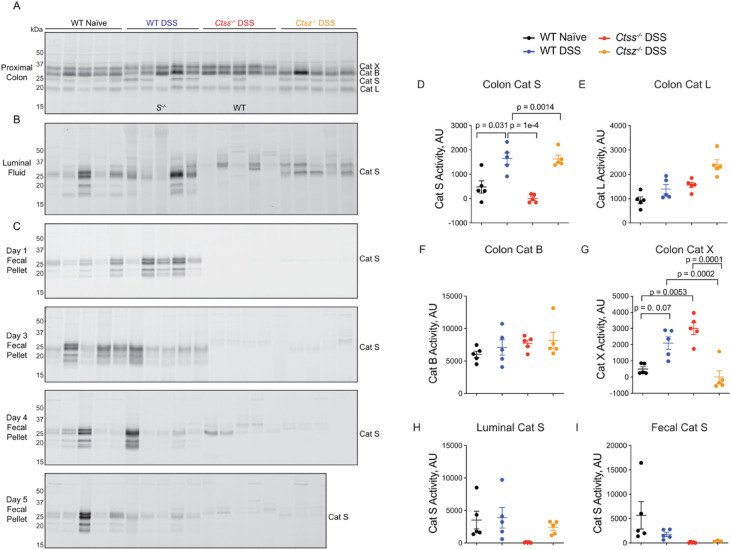 Figure 6
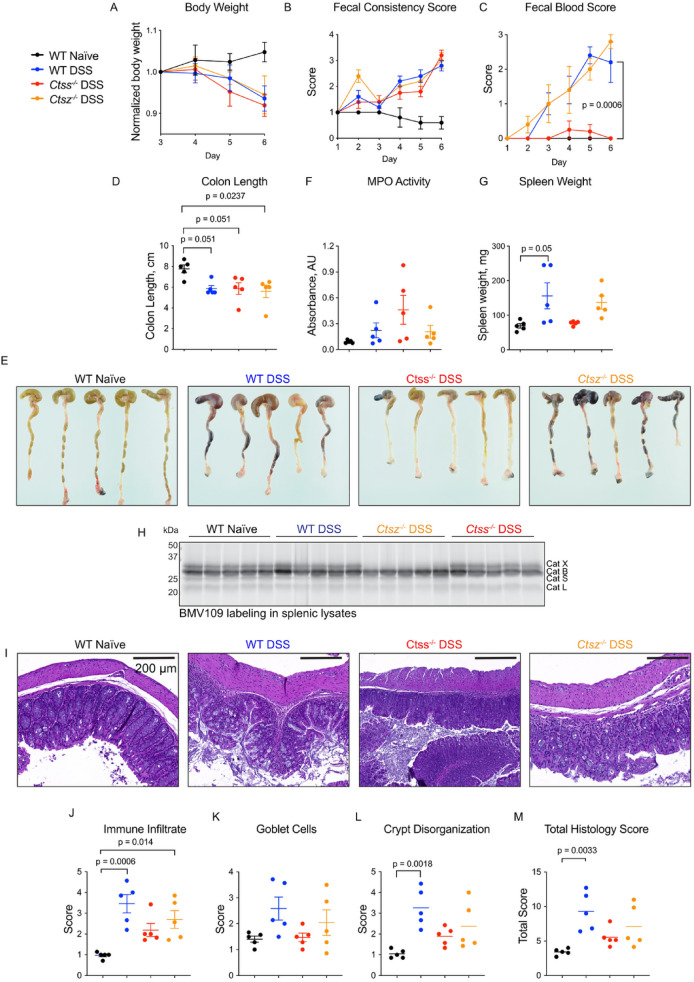 Figure 7
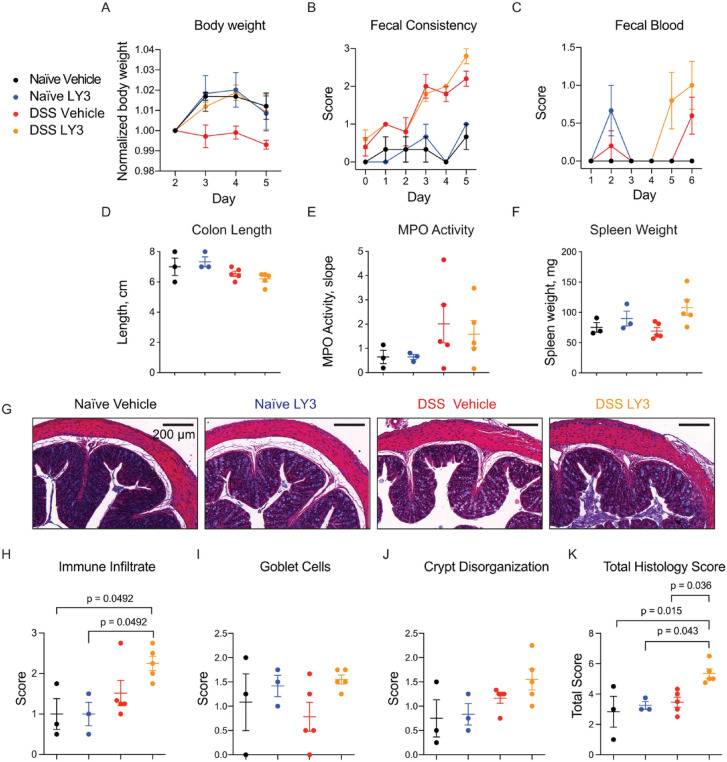 Figure 8
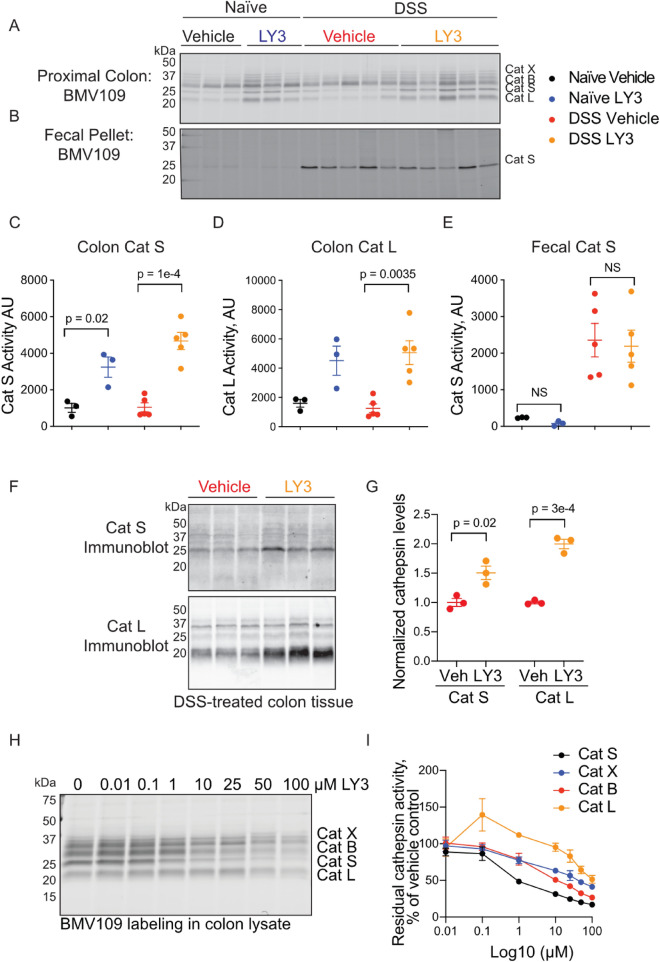 Figure 9
Peer Reviews
No public reviews on file for this paper yet. If you reviewed it on a platform where reviews are public (OpenReview, ICLR, NeurIPS, ICML), you can paste yours below so the community can read it here.
Videos
No videos yet. Explain this paper in a talk, walkthrough, or lecture? Add one.
Taxonomy
TopicsProtease and Inhibitor Mechanisms · Inflammatory Bowel Disease · Parasites and Host Interactions