Optimization of injections with speculum-compatible devices to deliver ethyl cellulose-ethanol into the cervix to treat cervical dysplasia
Taya Lee, Vené Richardson-Powell, Gatha Adhikari, Brian Crouch, Nimmi Ramanujam, Jenna L. Mueller

TL;DR
This study optimizes intracervical injections using speculum-compatible devices to deliver a treatment for cervical dysplasia in low-resource settings.
Contribution
The study introduces and compares two speculum-compatible injectors for optimal delivery of ethyl cellulose-ethanol into the cervix.
Findings
Swine cervices are a clinically relevant model for intracervical injection studies due to similar mechanical properties to human cervices.
Injecting ≥10 mm deep and <2 mL significantly reduced backflow and crack formation in cervical tissue.
The extender injector produced less crack formation compared to the single needle injector.
Abstract
Intracervical injections directly deliver therapies into the cervix. We previously explored ethyl cellulose (EC)-ethanol intracervical injections as a treatment for cervical dysplasia in low- and middle-income countries. Here we: (1) compared swine and human cervices to assess swine as a model for intracervical injections, and (2) evaluated two speculum-compatible injectors: a custom single needle injector and an extender injector, assembled from off-the-shelf components, to determine what parameters produced optimal distribution. Mechanical properties of swine and human cervices were compared. Swine cervices were injected with EC-ethanol iohexol using both injectors. Distribution and leakage volumes in tissue were visualized with microCT and quantified with 3D Slicer. Mechanical testing showed swine and human cervical tissue yielded comparable storage and loss moduli (p > 0.05). Ex…
Genes, proteins, chemicals, diseases, species, mutations and cell lines named across the full text — each resolved to its canonical identifier and authoritative record.
Click any figure to enlarge with its caption.
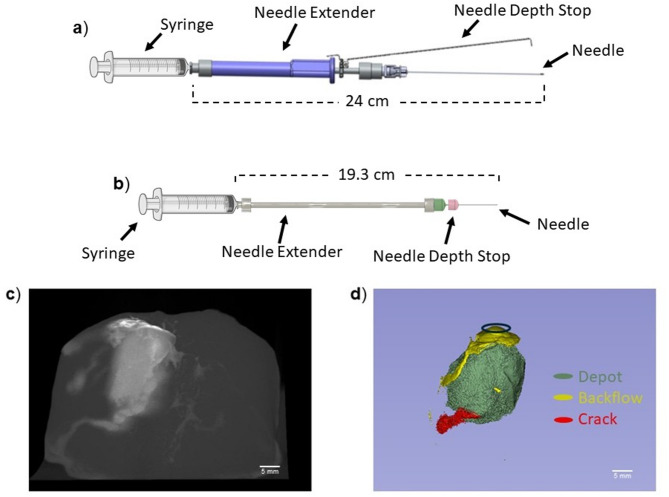 Figure 1
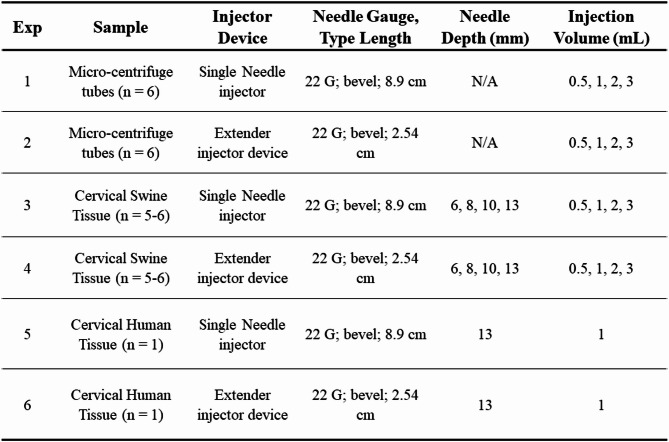 Figure 2
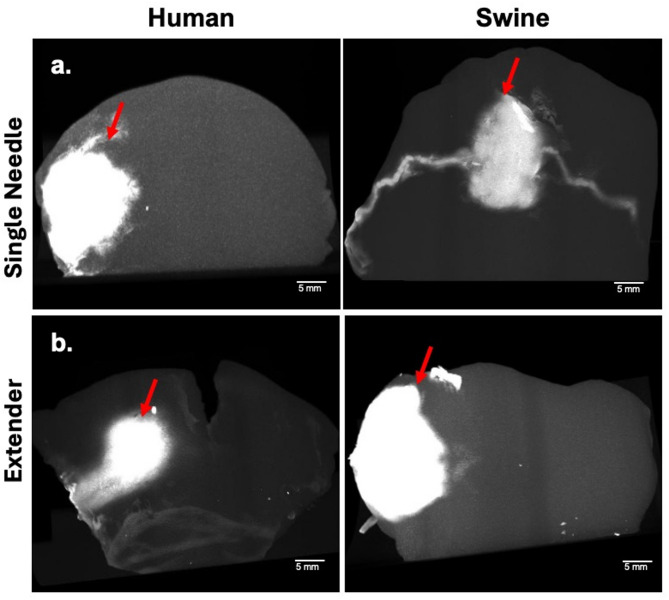 Figure 3
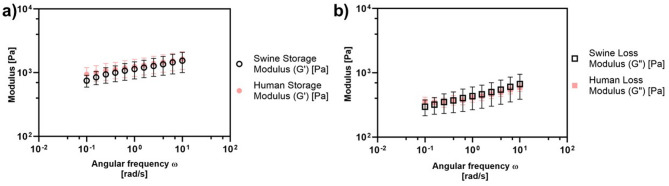 Figure 4
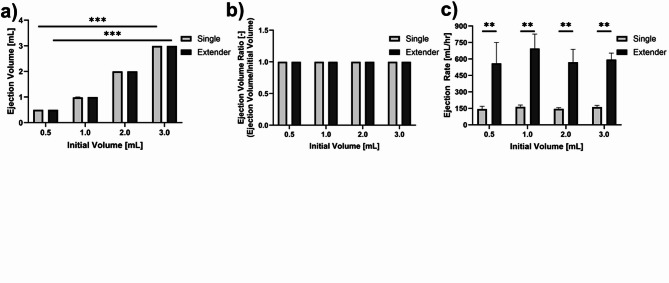 Figure 5
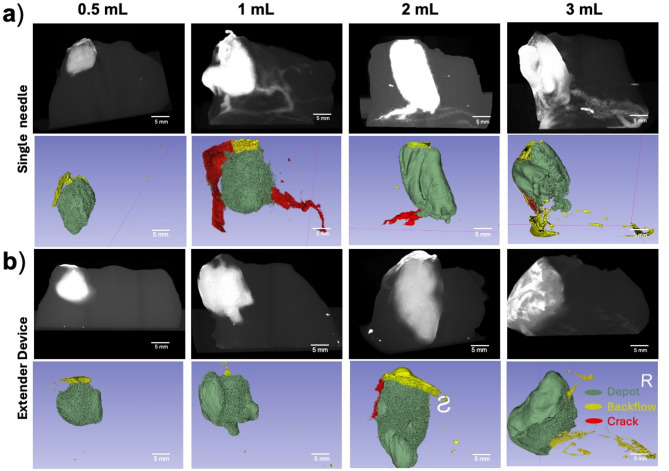 Figure 6
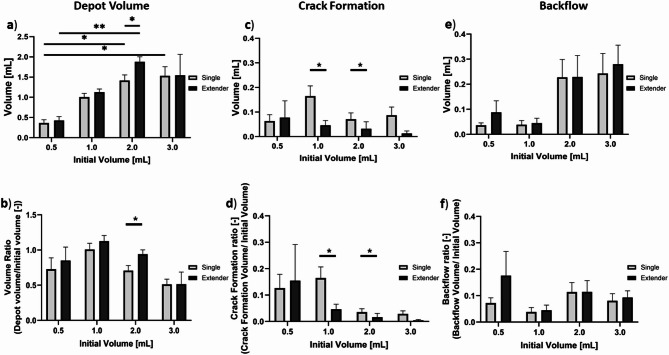 Figure 7
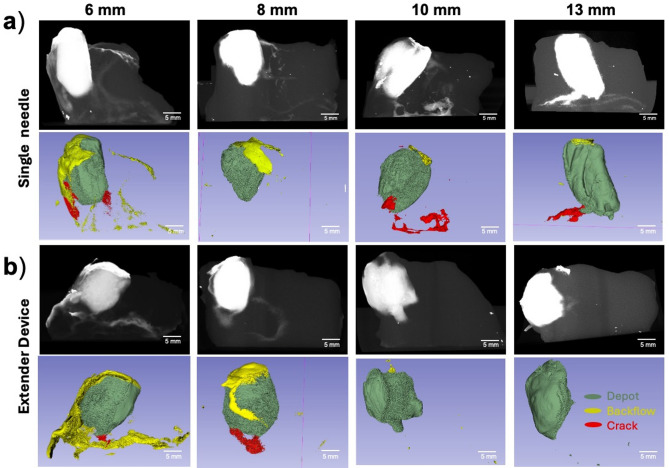 Figure 8
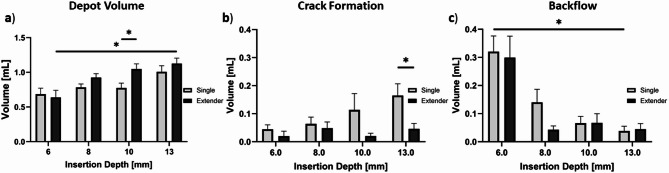 Figure 9
Peer Reviews
No public reviews on file for this paper yet. If you reviewed it on a platform where reviews are public (OpenReview, ICLR, NeurIPS, ICML), you can paste yours below so the community can read it here.
Videos
No videos yet. Explain this paper in a talk, walkthrough, or lecture? Add one.
Taxonomy
TopicsCervical Cancer and HPV Research · Reproductive tract infections research · Advanced Drug Delivery Systems