Endothelial cell responses in sepsis are attenuated by targeting truncated procalcitonin
Laura Brabenec, Katharina EM Hellenthal, Sebastian Kintrup, Laura Cyran, Philipp Burkard, Astrid Nottebaum, Klaus Schughart, Stefan Wagner, Roland Arnold, Vera Rauschenberger, Stefanie Kampmeier, Patrick Meybohm, Nicolas Schlegel, Dietmar Vestweber, Nana-Maria Wagner

TL;DR
Blocking truncated procalcitonin helps protect blood vessels and organs in sepsis by reducing inflammation and improving vascular function in mice.
Contribution
This study demonstrates that targeting truncated procalcitonin preserves endothelial function and reduces sepsis severity in mice.
Findings
Anti-procalcitonin antibodies reduced endothelial gene changes by over 50% in septic mice.
Neutralizing procalcitonin preserved vascular integrity and reduced organ injury in sepsis.
Procalcitonin neutralization decreased interleukin-17 signaling in septic mice.
Abstract
Sepsis is associated with hypotension, vascular leakage, vasoplegia and microvascular dysfunction. Therefore, the endothelium is a target for sepsis therapies. Since truncated procalcitonin exerts vascular activity, we here evaluated the efficacy of targeting procalcitonin for vascular integrity and sepsis outcomes. Sepsis up-regulated >2000 genes involved in pro-inflammatory responses while similar numbers of genes involving cell growth and maintenance were down-regulated. Transcriptomic changes in endothelial cells diminished by >50% by anti-procalcitonin antibodies and this was functionally associated with preserved vascular barrier integrity in lungs and intestines, reduced sepsis-induced vasoplegia, preserved endothelial nitric oxide bioavailability, improved organ integrity and reduced sepsis severity in mice. Mechanistically, procalcitonin neutralization was associated with…
Genes, proteins, chemicals, diseases, species, mutations and cell lines named across the full text — each resolved to its canonical identifier and authoritative record.
Click any figure to enlarge with its caption.
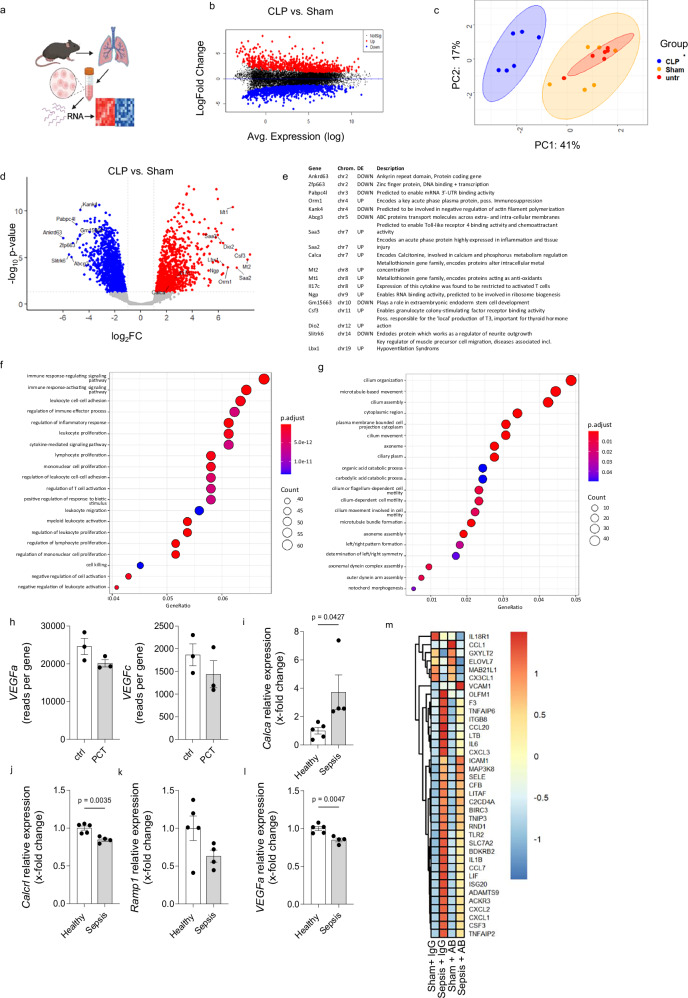 Figure 1
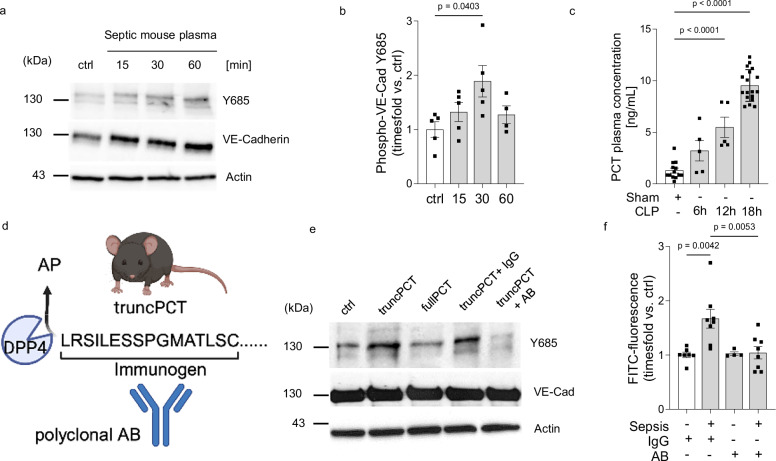 Figure 2
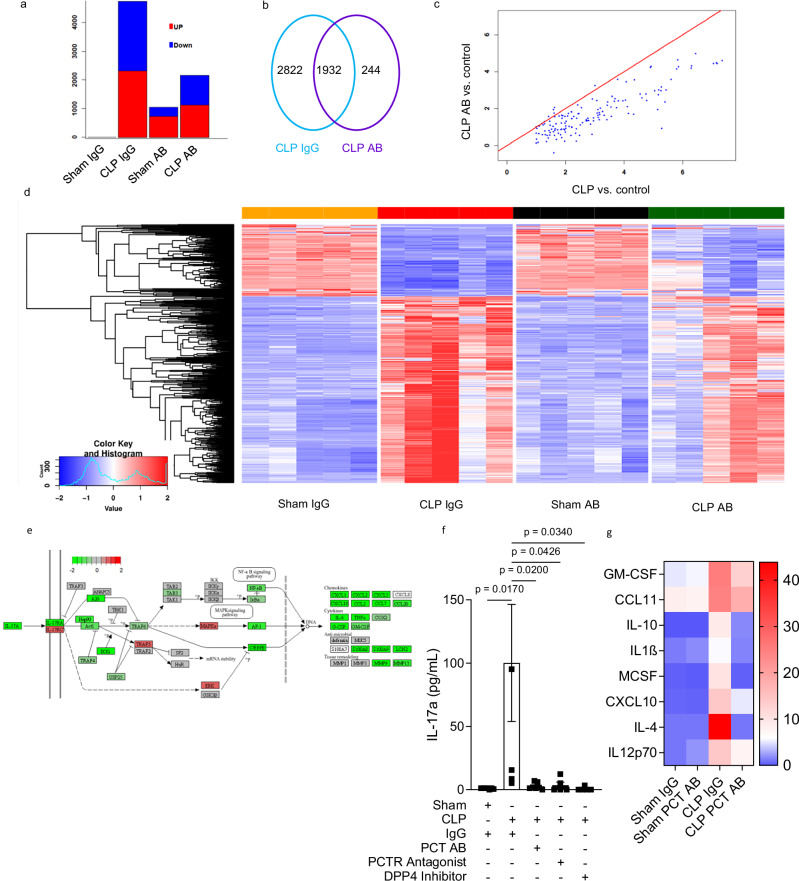 Figure 3
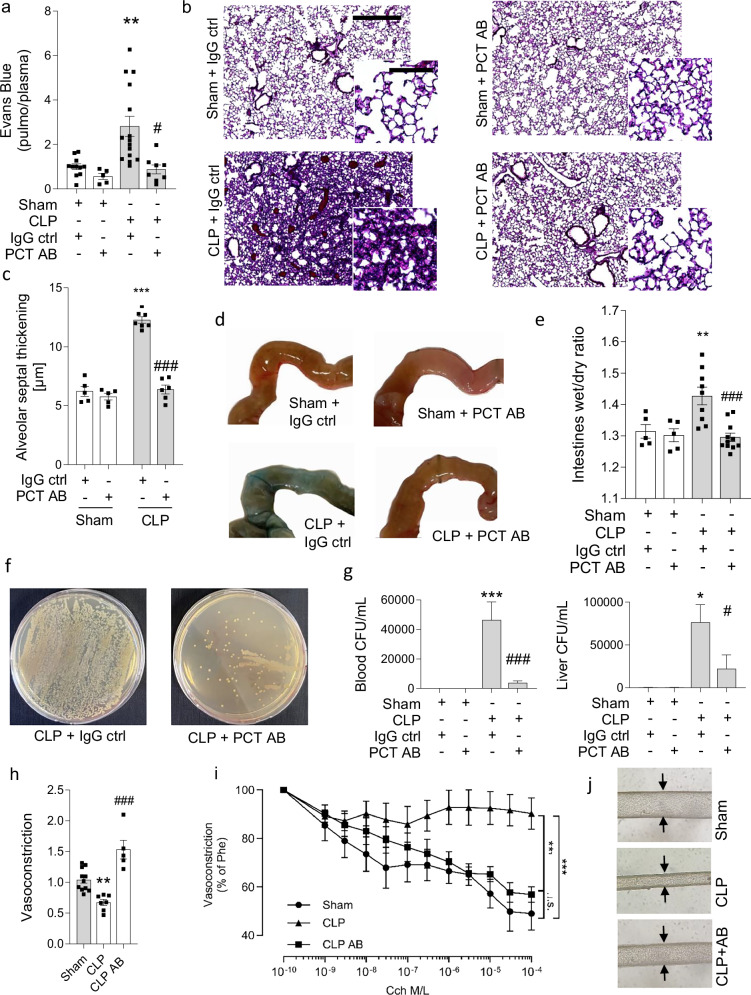 Figure 4
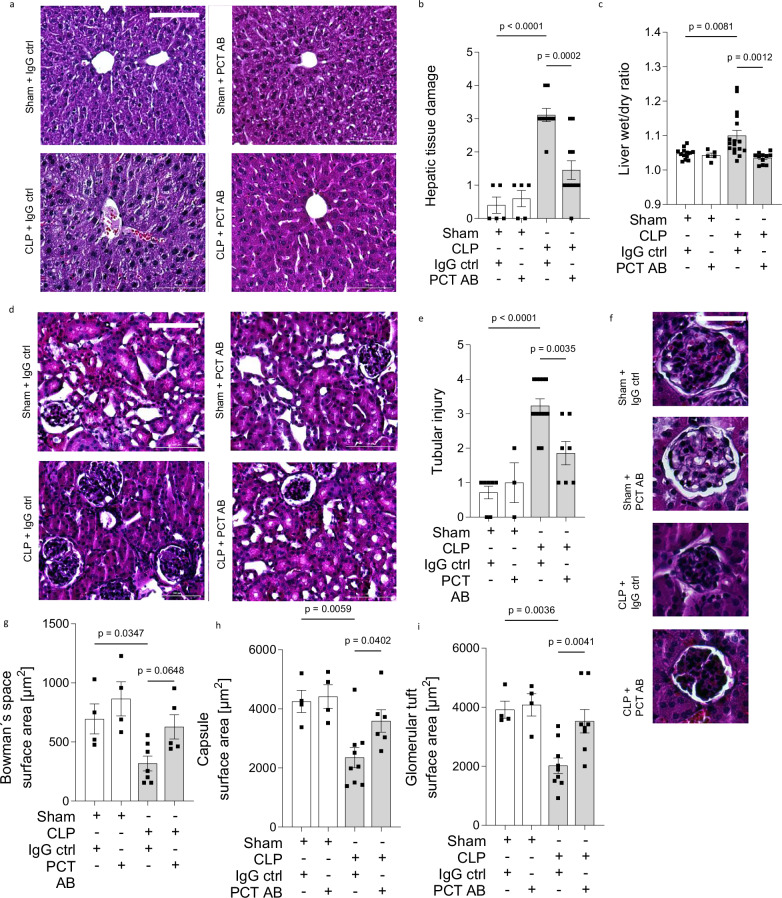 Figure 5
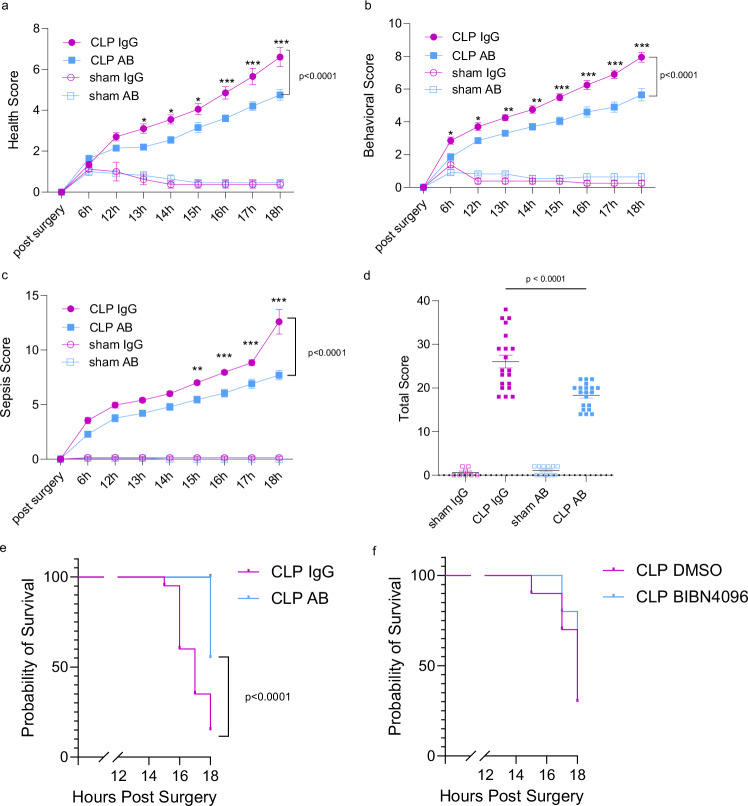 Figure 6
Peer Reviews
No public reviews on file for this paper yet. If you reviewed it on a platform where reviews are public (OpenReview, ICLR, NeurIPS, ICML), you can paste yours below so the community can read it here.
Videos
No videos yet. Explain this paper in a talk, walkthrough, or lecture? Add one.
Taxonomy
TopicsSepsis Diagnosis and Treatment · Inflammation biomarkers and pathways · Immune Response and Inflammation