GSDMD deficiency attenuates BPD by suppressing macrophage pyroptosis and promoting M2 polarization
Xinyi Yang, Xinru Wang, Yihang Yang, Yue Ma, Xinli Liu, Dandan Mo, Chunbao Guo, Wenli Han

TL;DR
This study shows that blocking GSDMD reduces lung damage in a model of bronchopulmonary dysplasia by suppressing harmful immune responses and improving lung development.
Contribution
The study identifies GSDMD-mediated macrophage pyroptosis as a key driver of BPD and shows that inhibiting GSDMD alleviates lung injury.
Findings
GSDMD deficiency or disulfiram treatment reduced macrophage infiltration and IL-1β levels in a BPD mouse model.
Targeting GSDMD improved alveolar architecture and vascular density while reducing cell death.
GSDMD−/− macrophages showed reduced M1 polarization and enhanced bacterial killing without affecting phagocytosis.
Abstract
Bronchopulmonary dysplasia (BPD), a frequent complication in preterm infants receiving supplemental oxygen, is characterized by hyper-activation of macrophage inflammasomes, exuberant release of pro-inflammatory cytokines such as interleukin-1β (IL-1β), and Gasdermin D (GSDMD)-driven pyroptosis. However, the precise contribution of macrophage pyroptosis to BPD pathogenesis remains incompletely defined, and effective pharmacological interventions are still lacking. Using neonatal C57BL/6 wild-type (WT) and GSDMD-knockout (GSDMD−/−) mice, we established a hyperoxia-induced BPD model (85% FiO₂, 14 days) and administered the GSDMD inhibitor disulfiram (50 mg kg⁻¹ intraperitoneally, once daily for 7 days). In vivo, we assessed lung histopathology, IL-1β levels, alveolarization, and vascular development; ex vivo, we isolated bone-marrow-derived macrophages (BMDMs) to quantify pyroptotic…
Genes, proteins, chemicals, diseases, species, mutations and cell lines named across the full text — each resolved to its canonical identifier and authoritative record.
Click any figure to enlarge with its caption.
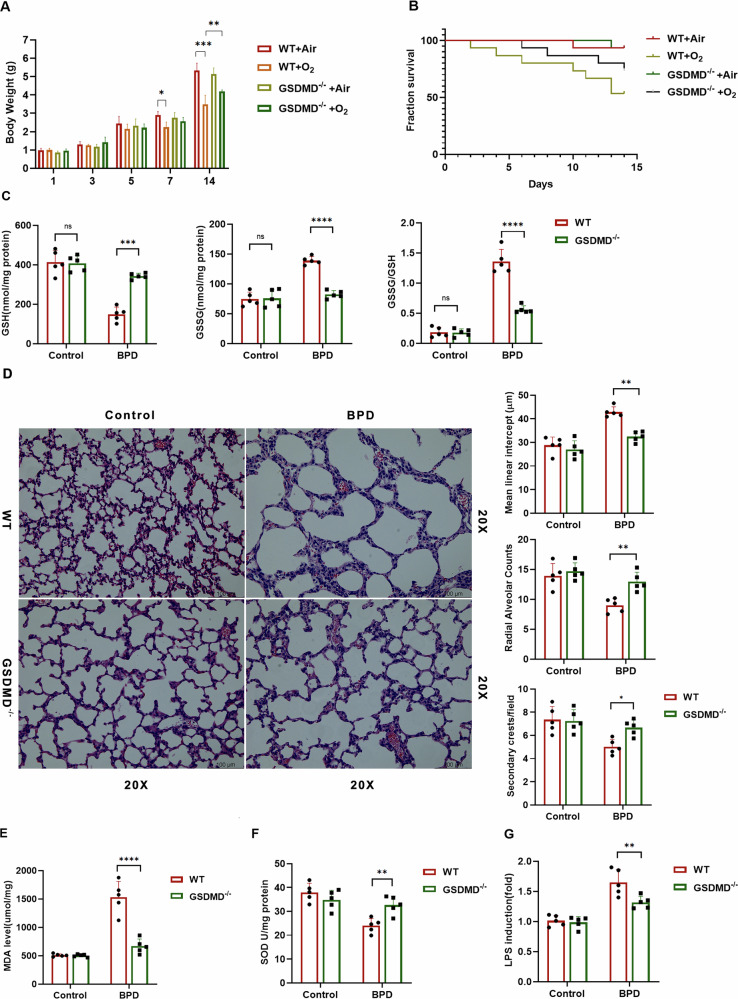 Figure 1
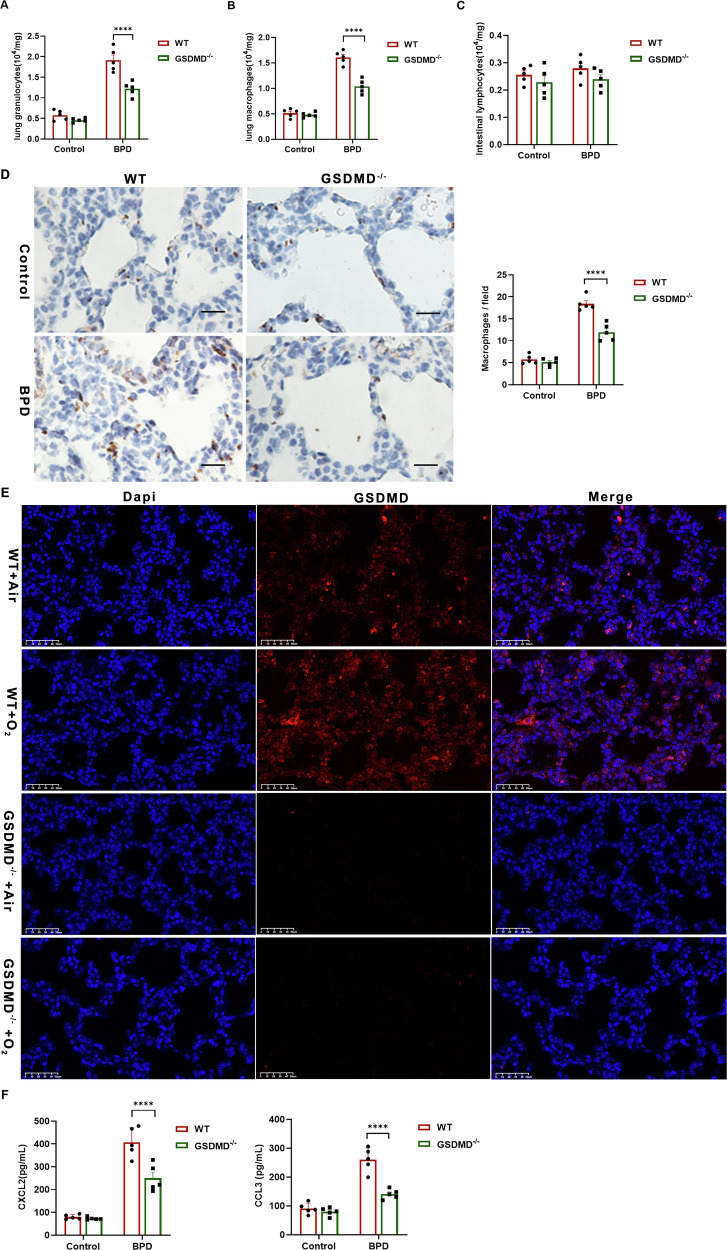 Figure 2
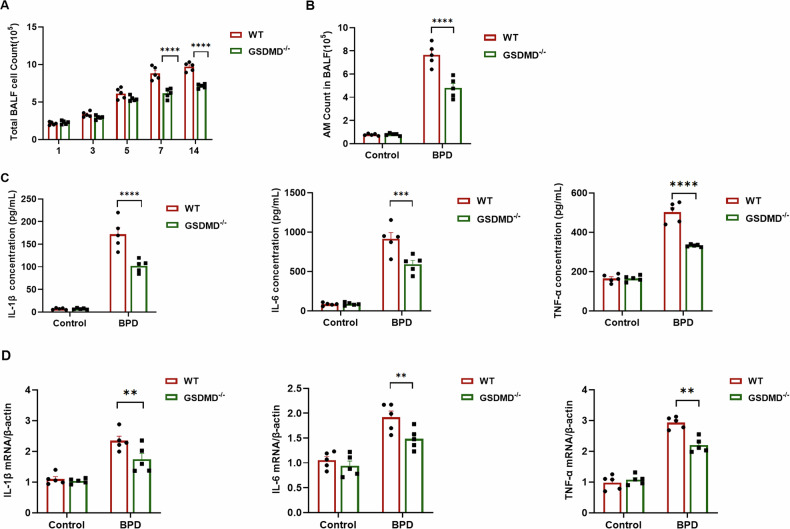 Figure 3
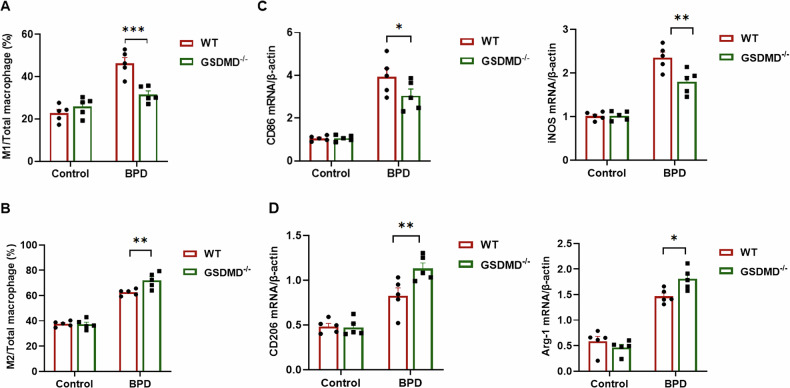 Figure 4
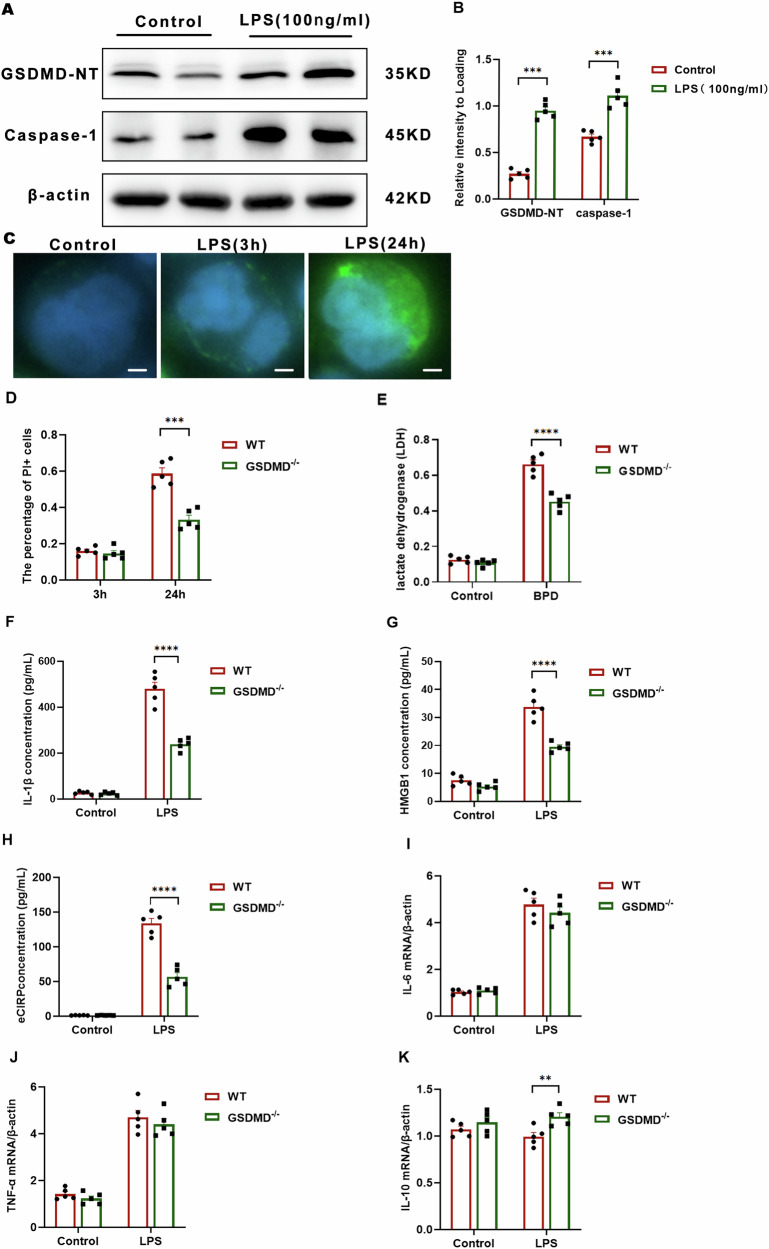 Figure 5
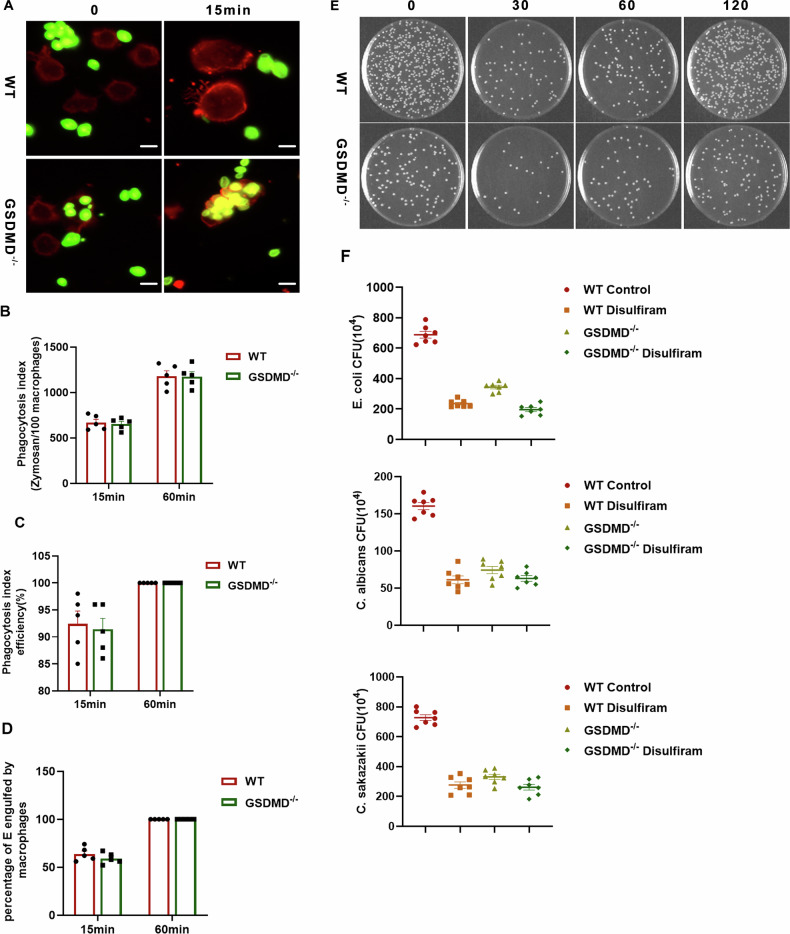 Figure 6
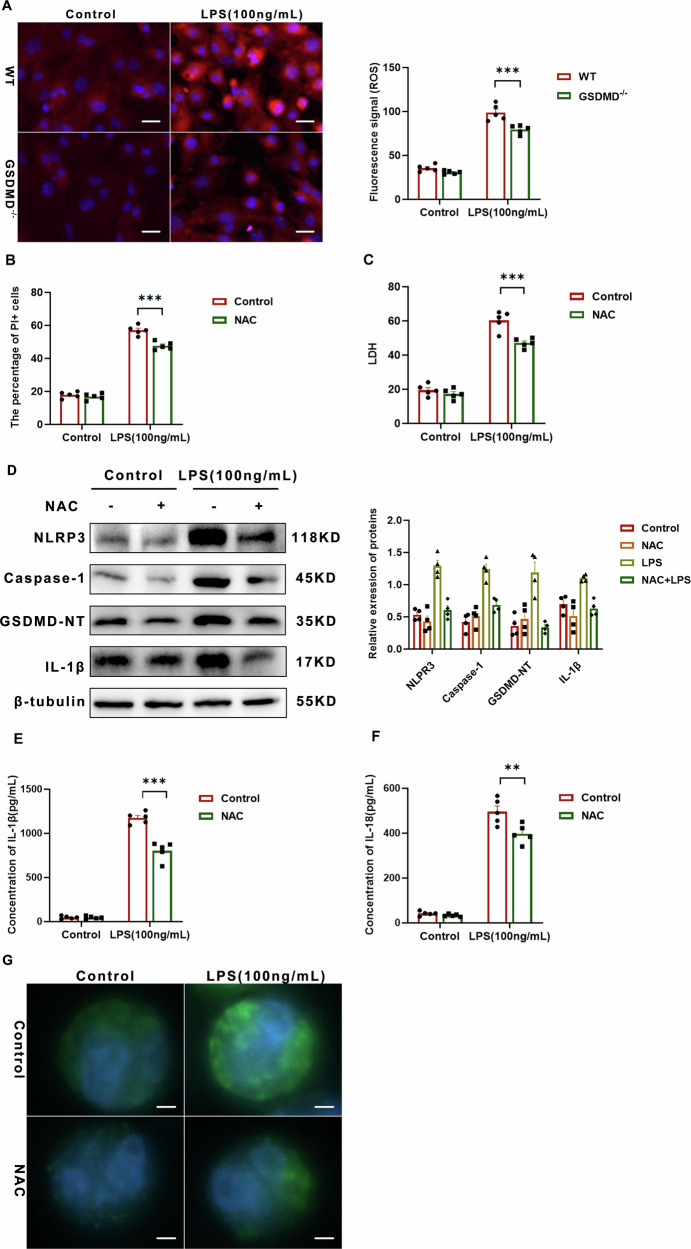 Figure 7
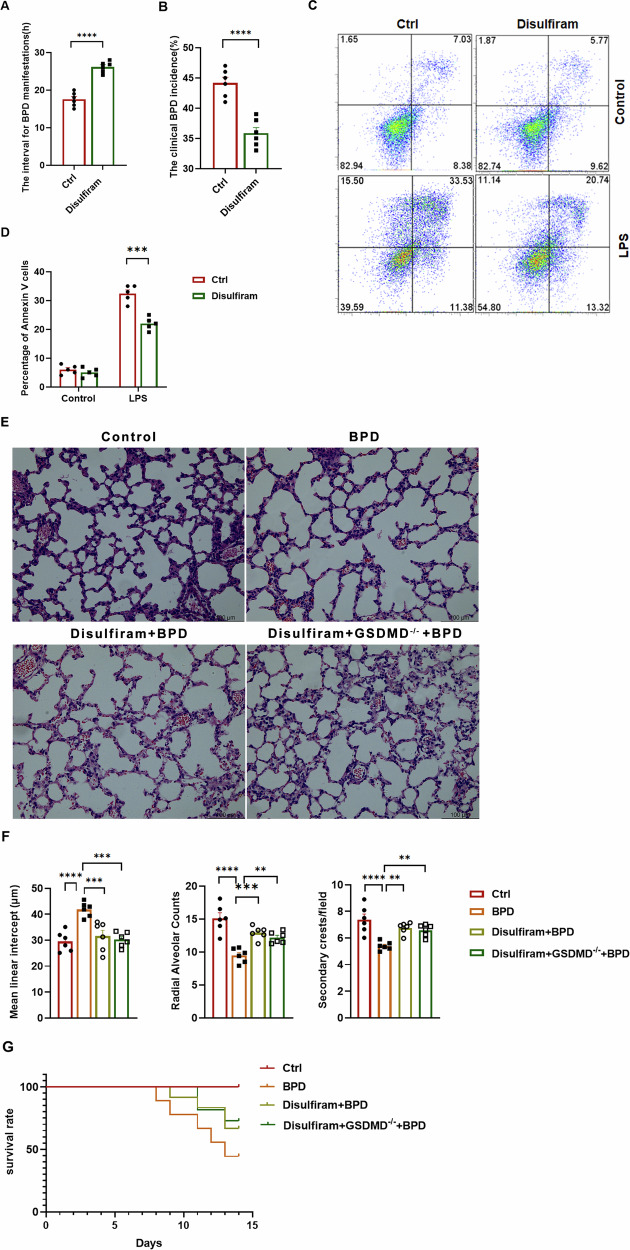 Figure 8
Peer Reviews
No public reviews on file for this paper yet. If you reviewed it on a platform where reviews are public (OpenReview, ICLR, NeurIPS, ICML), you can paste yours below so the community can read it here.
Videos
No videos yet. Explain this paper in a talk, walkthrough, or lecture? Add one.
Taxonomy
TopicsInflammasome and immune disorders · Neonatal Respiratory Health Research · Immune cells in cancer