Adaptation of conventional water treatment technologies for organic component removal from liquid radioactive waste: sorption and coagulation mechanisms
Dmytro Charnyi, Yuriy Zabulonov, Vitalina Lukianova, Yevheniia Anpilova, Nataliia Chernova, Yevhen Matselyuk, Serhiy Marisyk

TL;DR
This paper explores adapting existing water treatment methods to remove organic pollutants from radioactive waste, achieving 75% efficiency using sorption and coagulation.
Contribution
The study adapts conventional water treatment technologies for liquid radioactive waste using sorption and coagulation with Ukrainian materials.
Findings
Using activated carbon and ferric chloride coagulation achieved 75% organic component removal from liquid radioactive waste.
Bentonite concentration significantly affects purification efficiency and coagulation speed.
Conversion models for COD indicators were developed and validated experimentally.
Abstract
Significant concentrations of artificial radionuclides have been detected in drinking water sources not only in areas contaminated by major radiation accidents, but also in the vicinity of operating nuclear power plants. Therefore, the use of effective, broad-spectrum sorbents produced from readily available Ukrainian raw materials in water treatment and purification technologies should be regarded as a strategically important social measure. However, technologies that rely on oxidation to decompose organic components require the recycling of this process. Other promising methods, such as plasma treatment, photocatalysis, and electrocatalysis, currently lack industrial-scale equipment. Meanwhile, there are established water treatment technologies that, despite their proven effectiveness, have not yet been adapted for the treatment of liquid radioactive waste (LRW). This paper…
Genes, proteins, chemicals, diseases, species, mutations and cell lines named across the full text — each resolved to its canonical identifier and authoritative record.
Click any figure to enlarge with its caption.
 Figure 1
 Figure 2
 Figure 3
 Figure 4
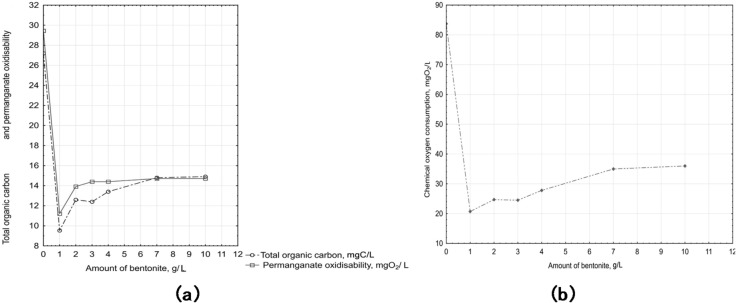 Figure 5
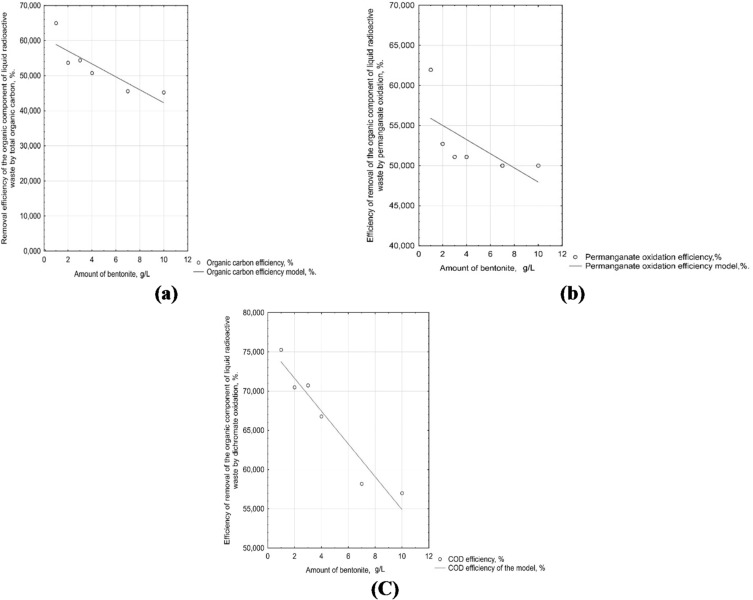 Figure 6
 Figure 7
 Figure 8
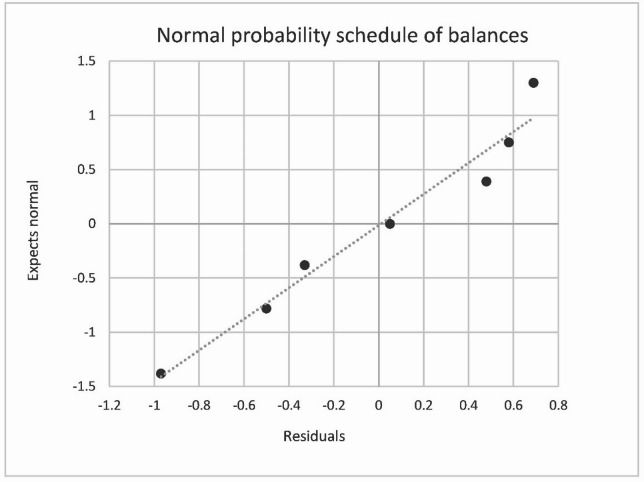 Figure 9
Peer Reviews
No public reviews on file for this paper yet. If you reviewed it on a platform where reviews are public (OpenReview, ICLR, NeurIPS, ICML), you can paste yours below so the community can read it here.
Videos
No videos yet. Explain this paper in a talk, walkthrough, or lecture? Add one.
Taxonomy
TopicsChemical Synthesis and Characterization · Radioactive contamination and transfer · Graphite, nuclear technology, radiation studies