Large language models and conditional rules in clinical decision support systems
Shangeetha Sivasothy, Adrian Bingham, Irini Logothetis, Scott Barnett, Mohamed Abdelrazek, Carl Luckhoff, Joseph Mathew, Rajesh Vasa, Kon Mouzakis

TL;DR
This paper explores how large language and reasoning models can help create clinical decision rules, reducing the need for repeated clinician-developer collaboration.
Contribution
The study evaluates LLMs and LRMs for generating triaging rules in CDSS, comparing their accuracy, interpretability, and complexity to a clinical rule set.
Findings
LLMs generated less interpretable and complex rules compared to the PiMS clinical rule set when PiMS variables were included in prompts.
LLMs and LRMs showed varying accuracy, with LRMs achieving up to 81.70% accuracy but still falling short of clinical standards.
Using LLMs and LRMs can reduce the time needed for rule refinement by providing a feasible initial rule set.
Abstract
Clinical Decision Support Systems (CDSS) improve patient outcomes and support sustainable health services by enhancing medical decisions. Developing rules for a CDSS is expensive due to delays in capturing and defining the rules through multiple iterations between clinicians and developers as the role of a clinician is patient care. We investigate the effectiveness of large language models (LLMs) and large reasoning models (LRMs) in generating a triaging rule set for a CDSS. We prompt various LLMs (GPT-3.5, GPT-4, GPT-4o, Gemini, Claude 3.5 Sonnet) and various LRMs (GPT-o1-mini, Grok-4, Claude 4 Sonnet) using alternative prompting techniques. We compare the LLM generated rule sets against the clinical rule set from our Pandemic Intervention Monitoring System (PiMS); a triaging CDSS built in collaboration with clinicians to monitor COVID-19 positive patients. Effectiveness is evaluated…
Genes, proteins, chemicals, diseases, species, mutations and cell lines named across the full text — each resolved to its canonical identifier and authoritative record.
Click any figure to enlarge with its caption.
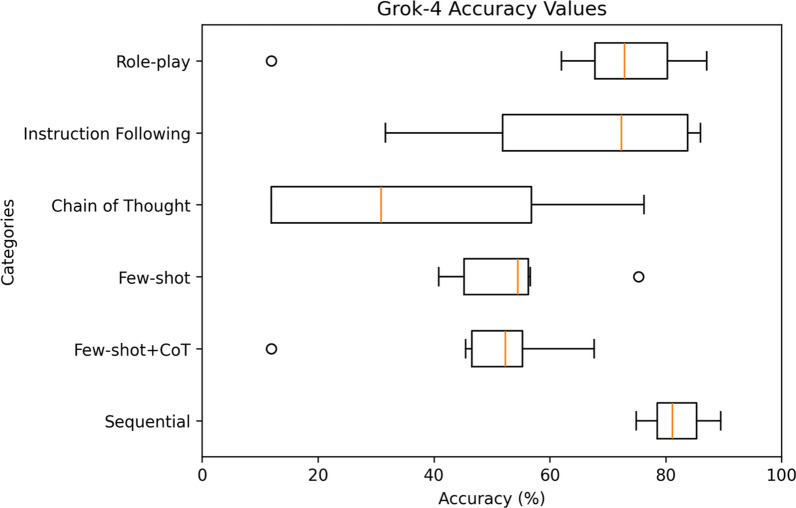 Figure 10
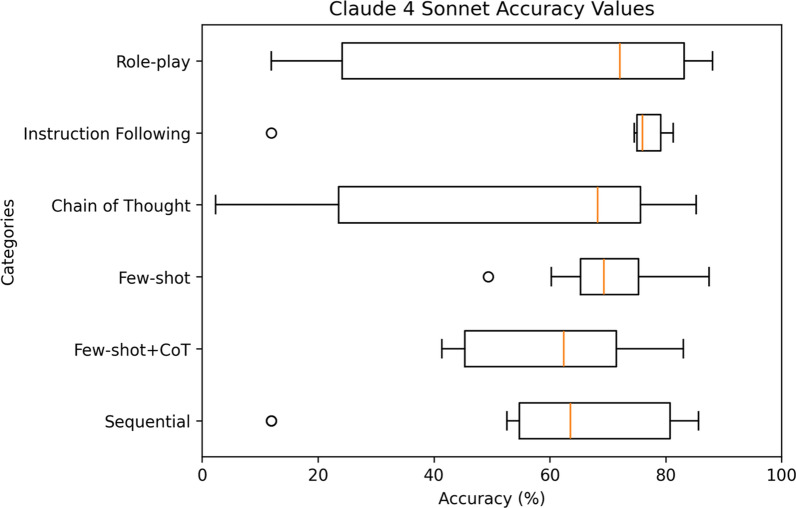 Figure 11
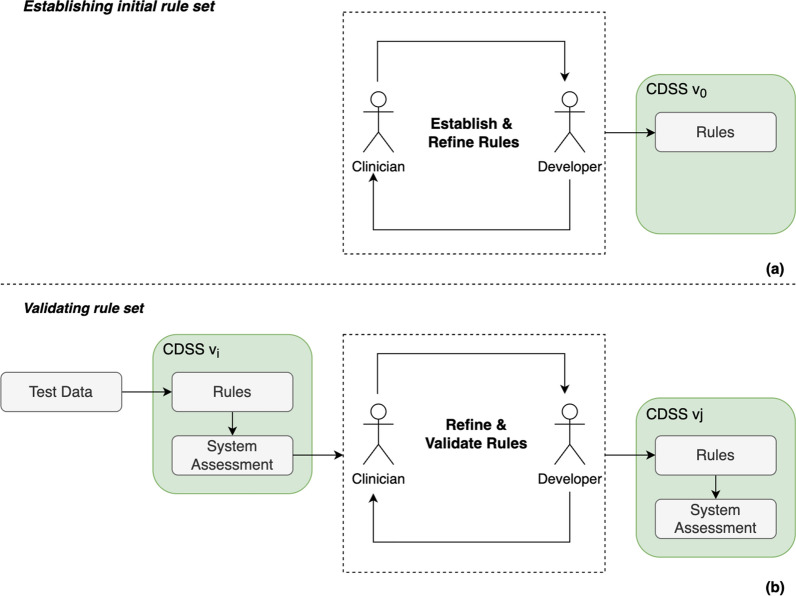 Figure 1
 Figure 2
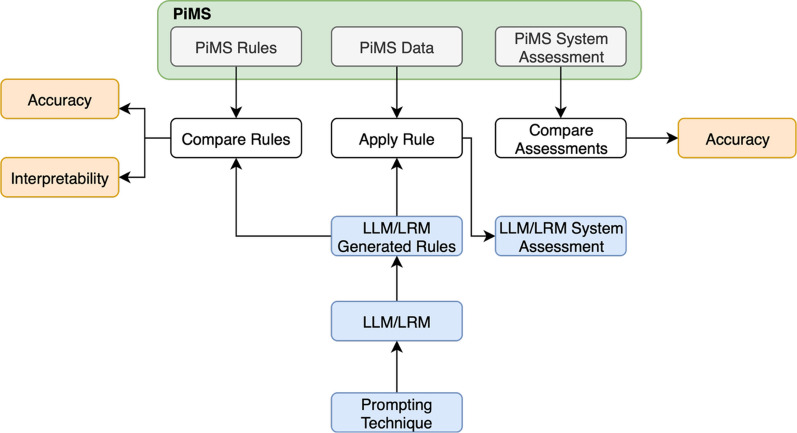 Figure 3
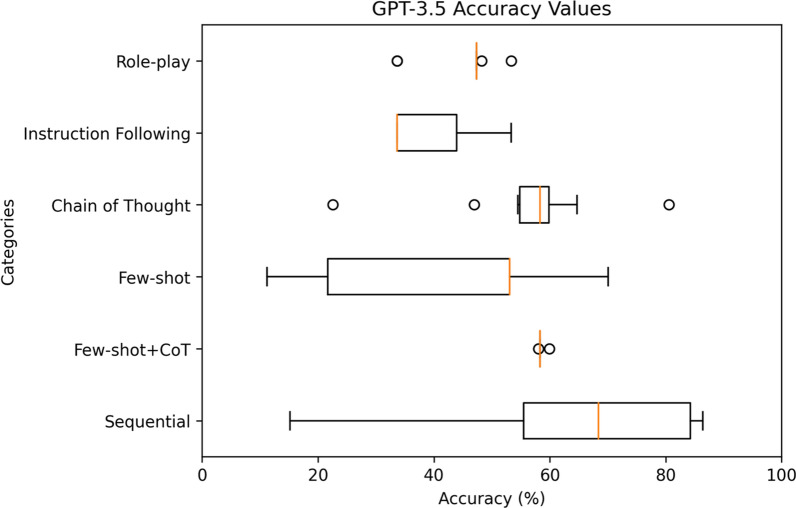 Figure 4
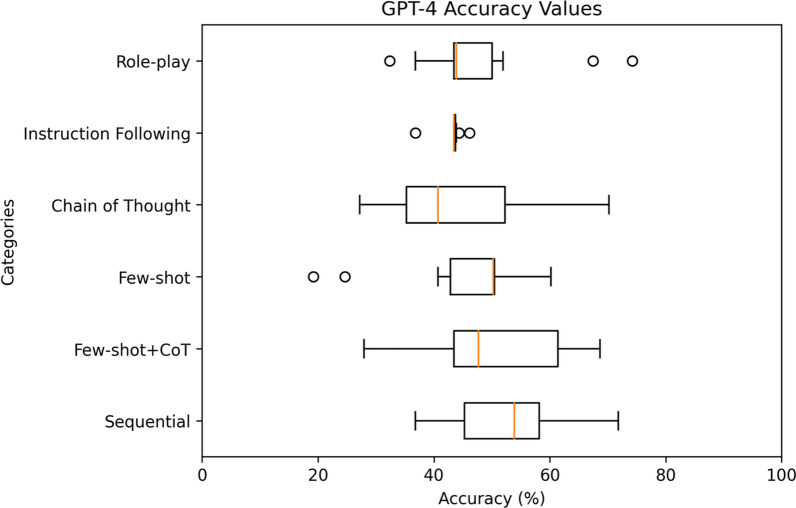 Figure 5
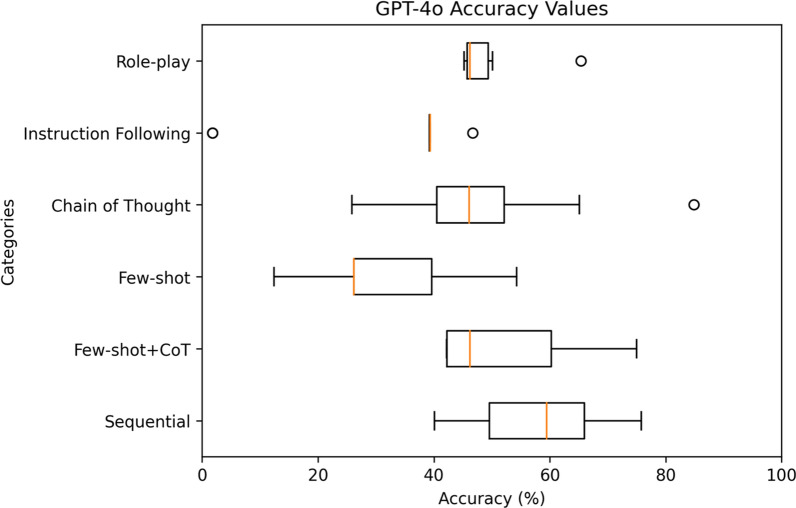 Figure 6
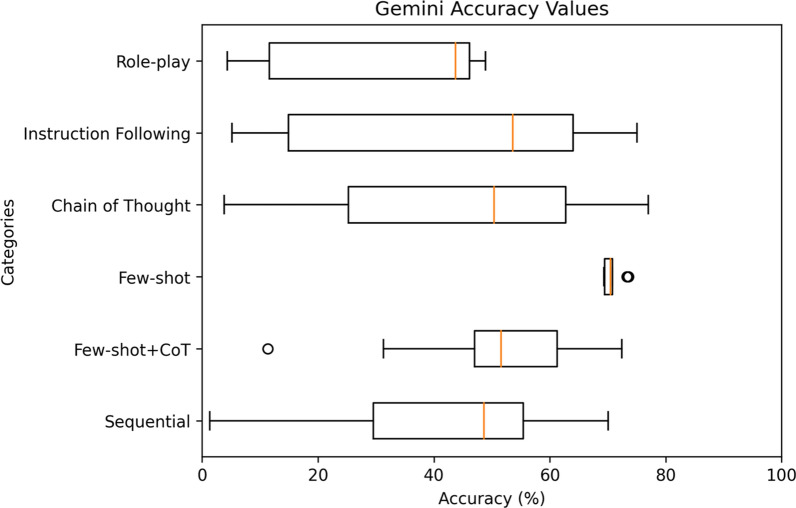 Figure 7
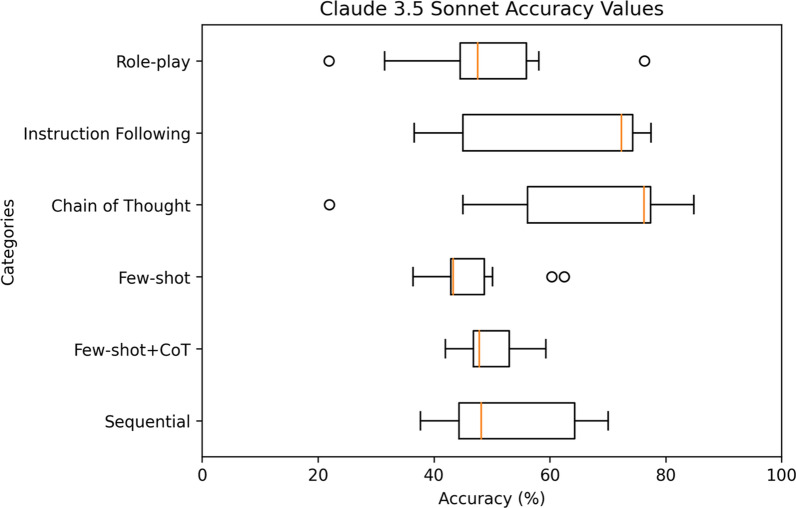 Figure 8
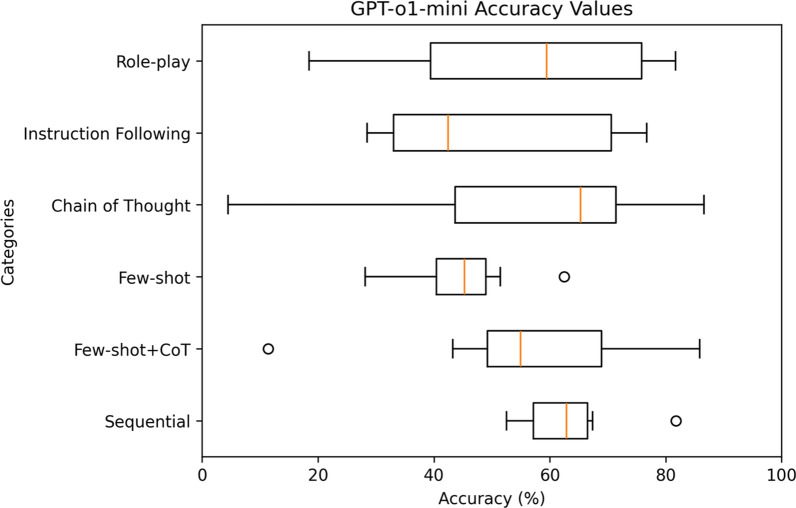 Figure 9
Peer Reviews
No public reviews on file for this paper yet. If you reviewed it on a platform where reviews are public (OpenReview, ICLR, NeurIPS, ICML), you can paste yours below so the community can read it here.
Videos
No videos yet. Explain this paper in a talk, walkthrough, or lecture? Add one.
Taxonomy
TopicsMachine Learning in Healthcare · Topic Modeling · Artificial Intelligence in Healthcare and Education