Predicting family doctor contract fulfillment propensity using the FA-GA-BP model and per capita household expenditures
Qiaowen Tang, Daisheng Tang

TL;DR
This study develops a model to predict how likely people are to fulfill family doctor contracts based on household spending data.
Contribution
The FA-GA-BP model combines factor analysis and genetic algorithm optimization to improve prediction accuracy of contract fulfillment.
Findings
The FA-GA-BP model achieved an R² of 0.9223, indicating high prediction accuracy.
The model's root mean square error was 0.0618 and relative error was 9.20%.
The model's coefficient of determination exceeded 0.8138 across different community classifications.
Abstract
This study aimed to identify the propensity to fulfill family doctor contract services (FDCS) among community residents and to develop a low-error, high-precision inversion model. The development of this model is crucial for monitoring the quality of FDCS and advancing basic community health services. Based on a survey of a typical urban community, this study used average per capita household living expenditure as the primary input parameter. Data on FDCS fulfillment frequency from six consecutive quarters across communities were analyzed. The study combined factor analysis (FA) with genetic algorithm (GA) optimization of the backpropagation (BP) neural networks to simulate fulfillment tendencies for FDCS. The model's accuracy and applicability were then evaluated. FA of per capita household living expenditure identified two principal factors significantly influencing FDCS fulfillment…
Click any figure to enlarge with its caption.
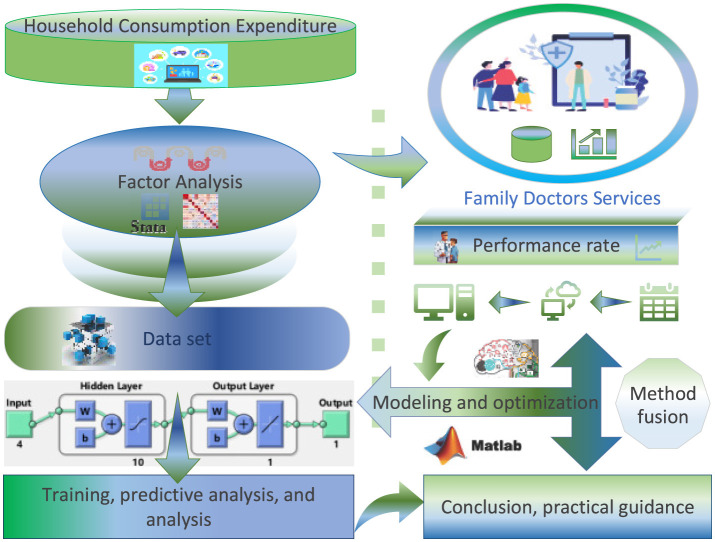 Figure 1
 Figure 2
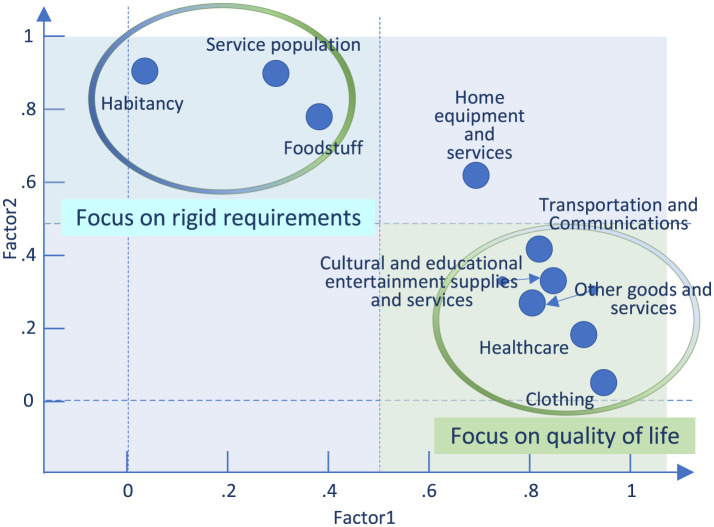 Figure 3
 Figure 4
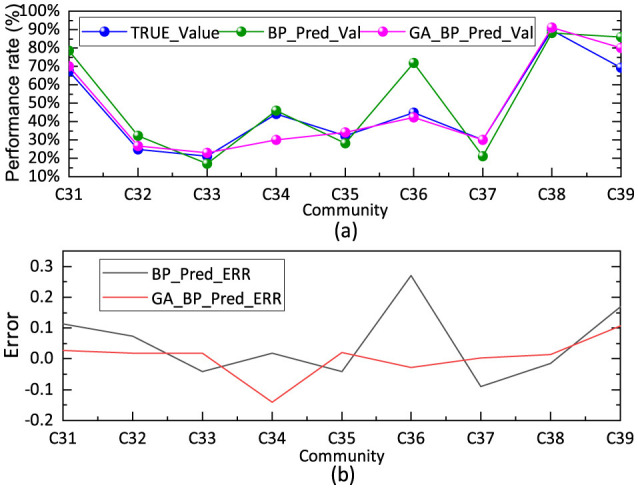 Figure 5
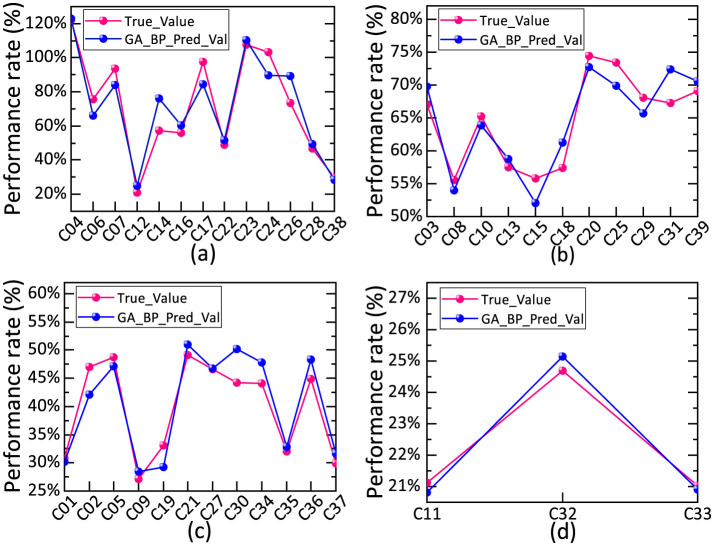 Figure 6
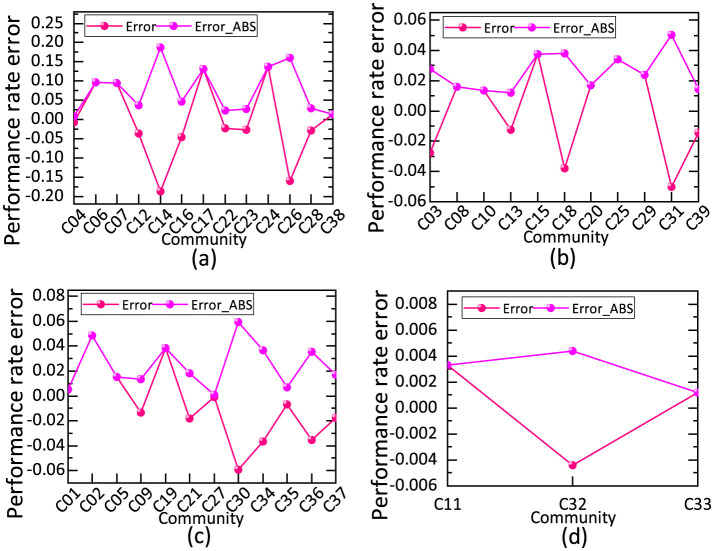 Figure 7
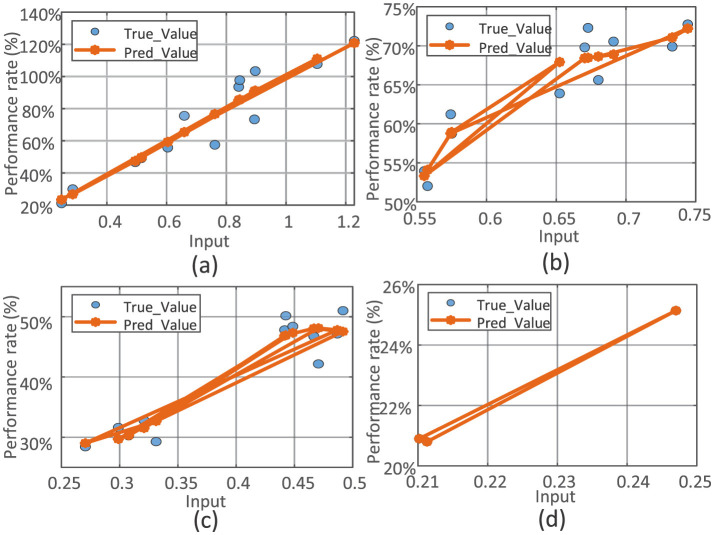 Figure 8
Peer Reviews
No public reviews on file for this paper yet. If you reviewed it on a platform where reviews are public (OpenReview, ICLR, NeurIPS, ICML), you can paste yours below so the community can read it here.
Videos
No videos yet. Explain this paper in a talk, walkthrough, or lecture? Add one.
Taxonomy
TopicsHealth Systems, Economic Evaluations, Quality of Life · Healthcare Systems and Reforms · Healthcare Policy and Management