Development of a Modern Standard Arabic version of the pain disability index: translation, cross-cultural adaptation, psychometric, and validity data
Leanne Cassidy, Ehab W. Hermena, Eric Francois, Amit Verma, Jaya Batra, Omeesha S. Krishnan, Davide De Marco, Khalifa M. Almenhali, Wadhha J. Alobeidli, Wadhha S. Almuntheri, Kelly L. Huffman

TL;DR
Researchers developed and validated an Arabic version of a tool to measure pain-related disability, ensuring it works well for Arabic-speaking patients.
Contribution
The study introduces a validated Modern Standard Arabic version of the Pain Disability Index (PDI) for use in Arabic-speaking populations.
Findings
The MSA PDI showed a unidimensional structure and excellent internal consistency (α = 0.91).
Construct validity was supported through correlations with pain severity, depression, and anxiety.
Over half of participants met thresholds for moderate to severe pain or mental health issues.
Abstract
The assessment and treatment of chronic pain rely heavily on patient self-report, making linguistically and culturally appropriate tools essential. However, no well-validated Arabic language measures of pain-related disability are widely available. The objective of this study was to create and validate a Modern Standard Arabic (MSA) version of the Pain Disability Index (PDI). This prospective cross-sectional study was conducted in a pain management clinic in a tertiary care center in the United Arab Emirates (UAE). The MSA PDI was developed using a forward–backward translation protocol by a team of native Arabic speakers from diverse backgrounds, reviewed by a professional translation company, and pilot-tested with a small sample of patients. Participants completed the MSA PDI along with measures of depression (PHQ-8), anxiety (GAD-7), and current pain severity. A total of 423…
Genes, proteins, chemicals, diseases, species, mutations and cell lines named across the full text — each resolved to its canonical identifier and authoritative record.
Click any figure to enlarge with its caption.
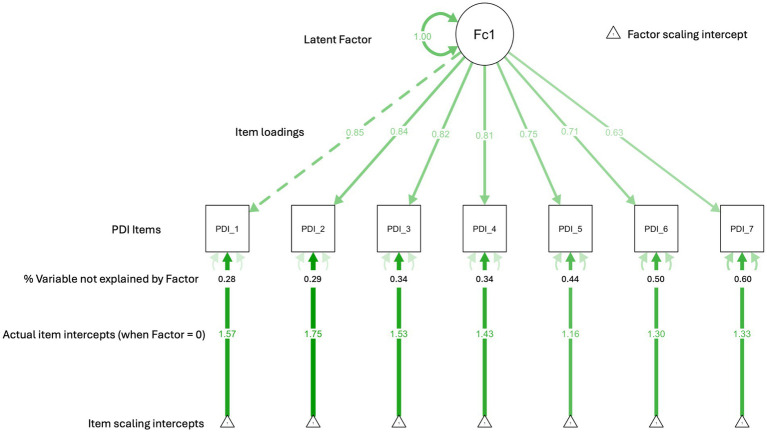 Figure 1
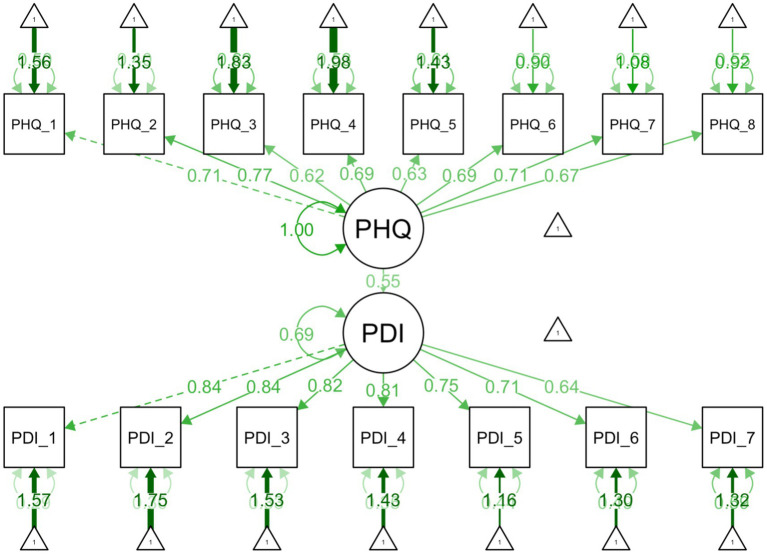 Figure 2
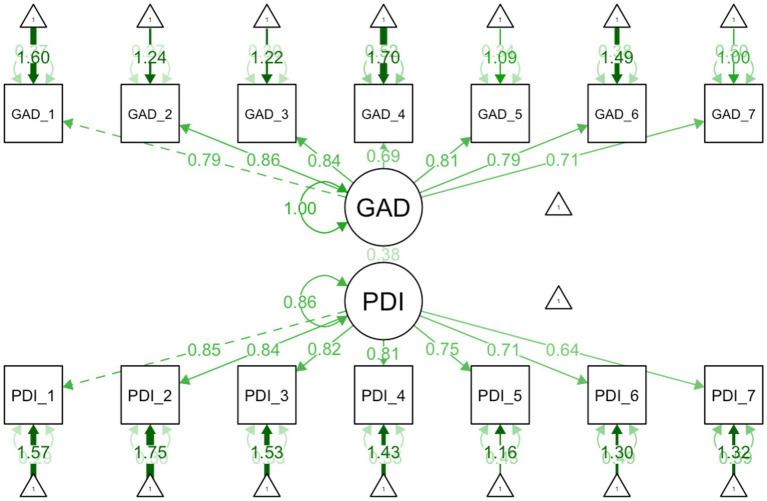 Figure 3
Peer Reviews
No public reviews on file for this paper yet. If you reviewed it on a platform where reviews are public (OpenReview, ICLR, NeurIPS, ICML), you can paste yours below so the community can read it here.
Videos
No videos yet. Explain this paper in a talk, walkthrough, or lecture? Add one.
Taxonomy
TopicsMusculoskeletal pain and rehabilitation · Pain Management and Opioid Use · Pediatric Pain Management Techniques