Comfortable sleep monitoring: using physiological process interconnectedness during sleep for novel software sensors
Anna Bavarsad, Elias August, Erna Sif Arnardóttir

TL;DR
This study introduces non-invasive models to estimate key sleep-related physiological signals using data from RIP belts or pneumoflow masks, aiming to improve comfort and scalability in sleep monitoring.
Contribution
The paper presents novel software sensors that estimate heart rate, nasal airflow, and esophageal pressure using non-invasive sleep data.
Findings
Heart rate and nasal pneumoflow models achieved a mean Pearson correlation of 0.60 when fitted individually.
The RIP-belt-based esophageal pressure model had a mean Pearson correlation of 0.65, outperforming the pneumoflow mask-based model (0.52).
The models offer interpretable estimates and suggest potential for scalable, less burdensome sleep monitoring.
Abstract
Monitoring sleep-disordered breathing typically requires many sensors, including pneumoflow masks, measuring nasal and oral airflow, and esophageal pressure catheters. While these tools provide detailed information about airflow, effort, and respiratory mechanics, they can be uncomfortable, invasive, and less feasible for long-term, home-based, or large-scale sleep studies. In contrast, respiratory inductance plethysmography (RIP) belts offer a non-invasive and well-tolerated alternative. In this study, we introduce four models that estimate key physiological signals from either RIP-belt data or pneumoflow mask data. Specifically, we present a heart rate model based on the RIP-belt signal, a nasal pneumoflow model estimating airflow from the RIP-belt signal, and two esophageal pressure models – one based on the RIP-belt signal, and the other one based on pneumoflow mask data. Data from…
Genes, proteins, chemicals, diseases, species, mutations and cell lines named across the full text — each resolved to its canonical identifier and authoritative record.
Click any figure to enlarge with its caption.
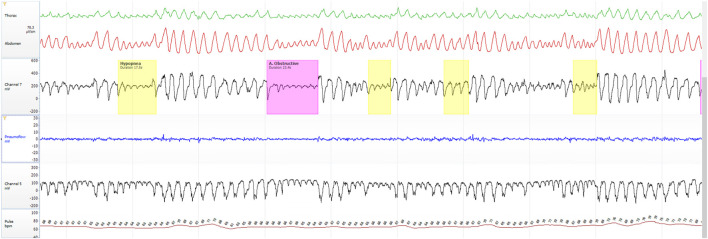 Figure 1
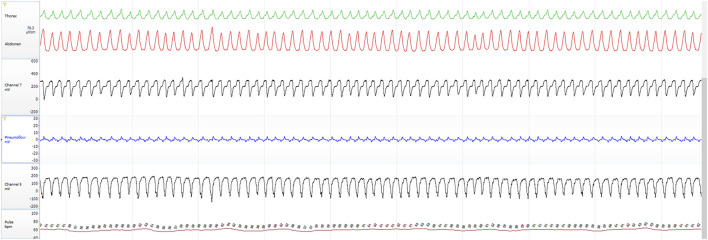 Figure 2
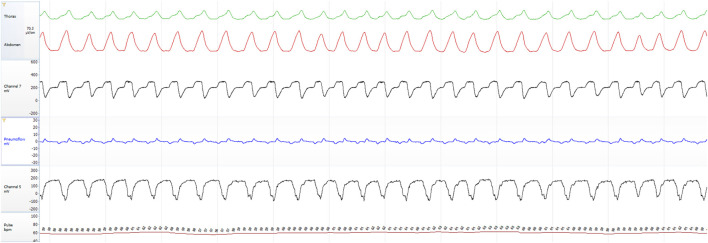 Figure 3
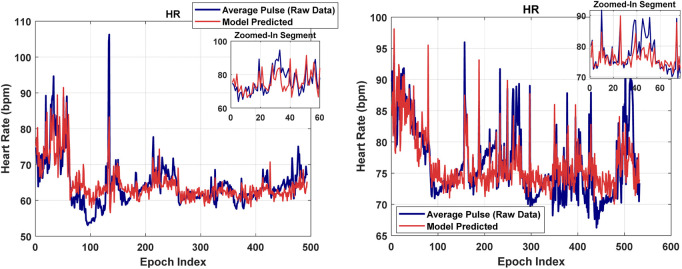 Figure 4
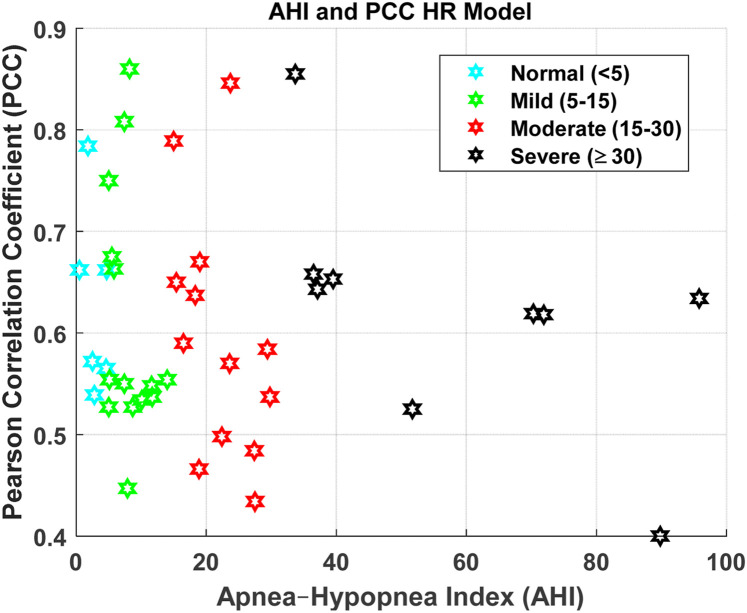 Figure 5
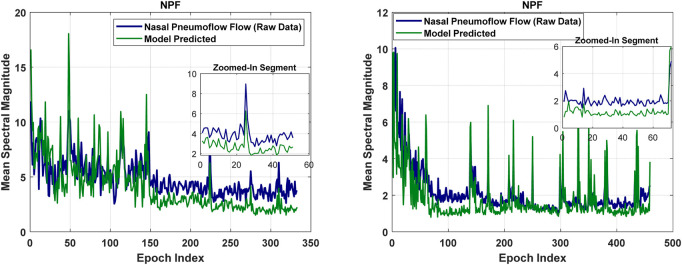 Figure 6
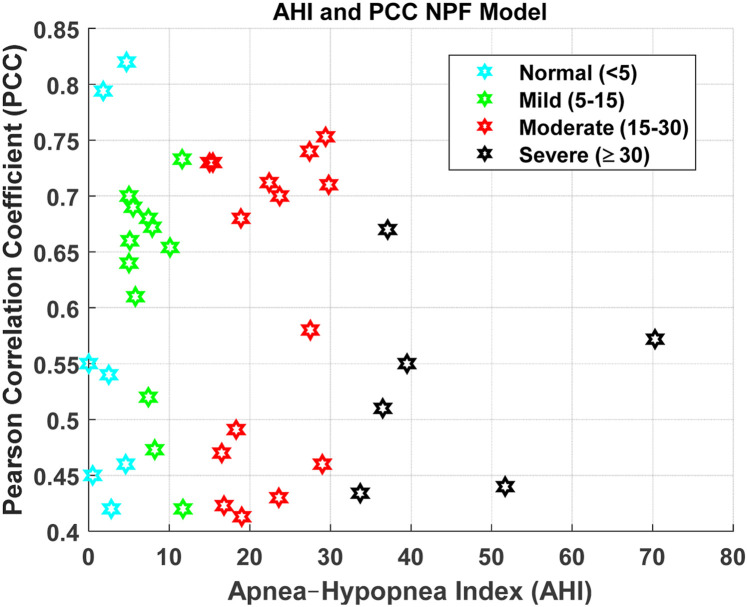 Figure 7
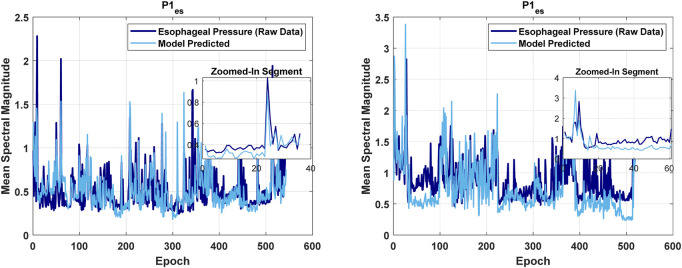 Figure 8
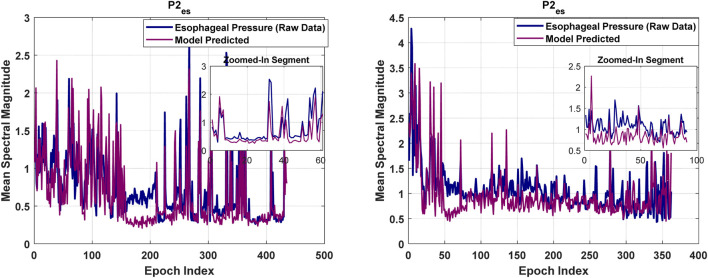 Figure 9
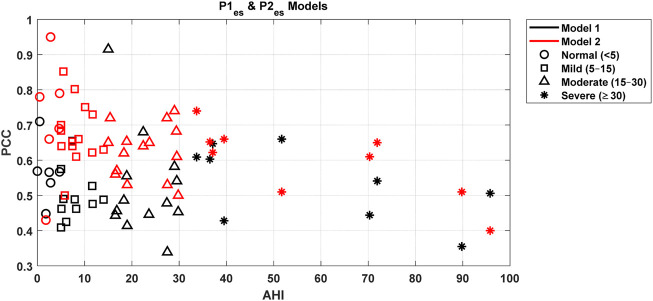 Figure 10
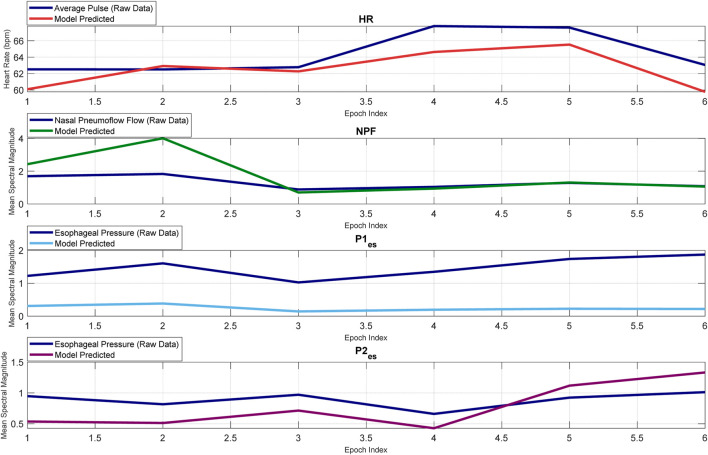 Figure 11
Peer Reviews
No public reviews on file for this paper yet. If you reviewed it on a platform where reviews are public (OpenReview, ICLR, NeurIPS, ICML), you can paste yours below so the community can read it here.
Videos
No videos yet. Explain this paper in a talk, walkthrough, or lecture? Add one.
Taxonomy
TopicsObstructive Sleep Apnea Research · Non-Invasive Vital Sign Monitoring · EEG and Brain-Computer Interfaces