Investigation on the fluorescence detection mechanism of NIR fluorescent probes based on intramolecular spiro cyclization
Zong-Wei Zhang, Yue Deng, Yong-Jin Peng, Yu-Ling Liu

TL;DR
This paper explains how a new type of near-infrared fluorescent probe works by changing its structure when it detects specific molecules, which helps in imaging and monitoring.
Contribution
The study reveals a novel detection mechanism based on spiro cyclization and ring-opening processes in NIR fluorescent probes.
Findings
Probes show weak fluorescence in the closed spiro cyclization state due to interrupted π-electron distribution.
Reaction with target analytes disrupts the spiro structure, enabling strong NIR-II emission.
Calculated optical parameters align with experimental data, confirming the proposed mechanism.
Abstract
This study focuses on the detection mechanisms of recently developed NIR fluorescent probes that depend on ring formation and opening processes. A novel class of polymethine dyes (NIRII-RTs) serves as the core fluorescent moiety of these probes, which exhibit bright, stable, and anti-solvent quenching NIR-II emission, accompanied by large Stokes shifts. Quantum chemical calculation methods were employed to systematically analyze the light absorption and emission processes of three target-specific probes: NIR-pH (targeting H+), NIR-ATP (targeting ATP), and NIR-Hg (targeting Hg2+). The results demonstrated that the probes exhibit weak fluorescence in the closed spiro cyclization state. This weak emission is attributed to the interrupted π-electron distribution at the C-N bond of the reaction site, which facilitates electron transfer from the ground state to the excited state and…
Genes, proteins, chemicals, diseases, species, mutations and cell lines named across the full text — each resolved to its canonical identifier and authoritative record.
Click any figure to enlarge with its caption.
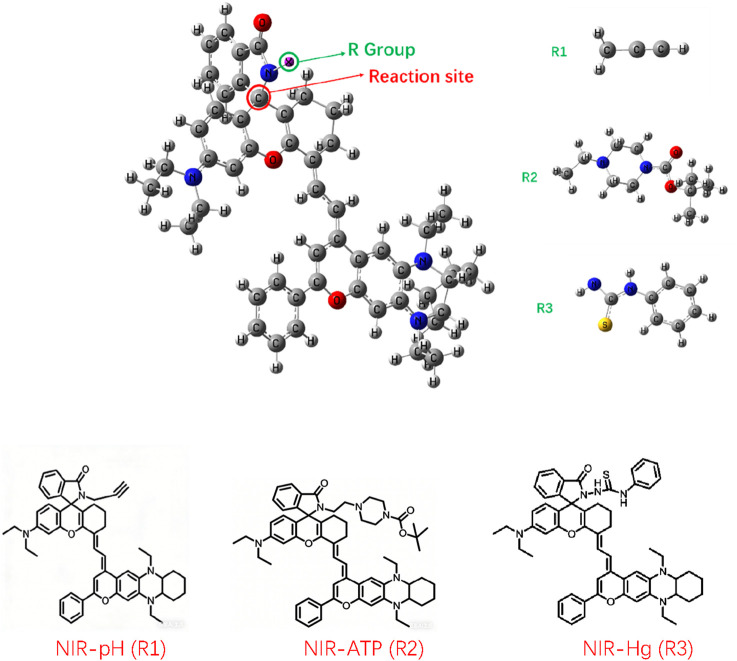 Figure 1
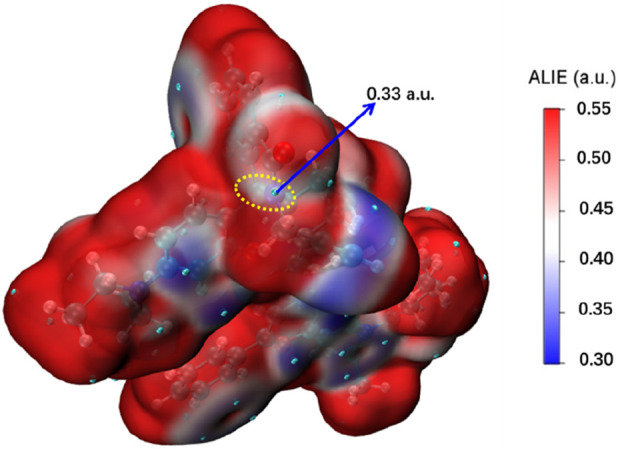 Figure 2
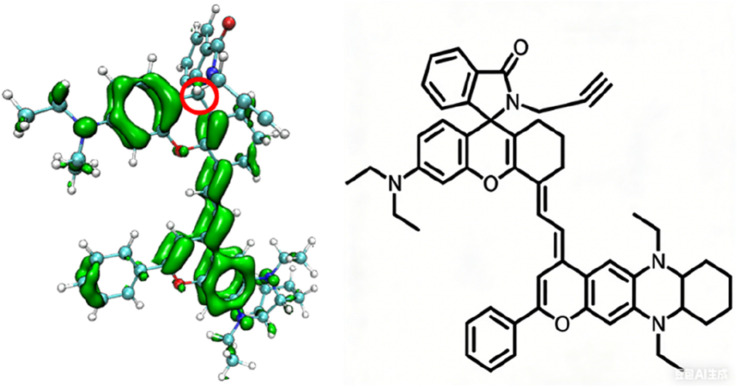 Figure 3
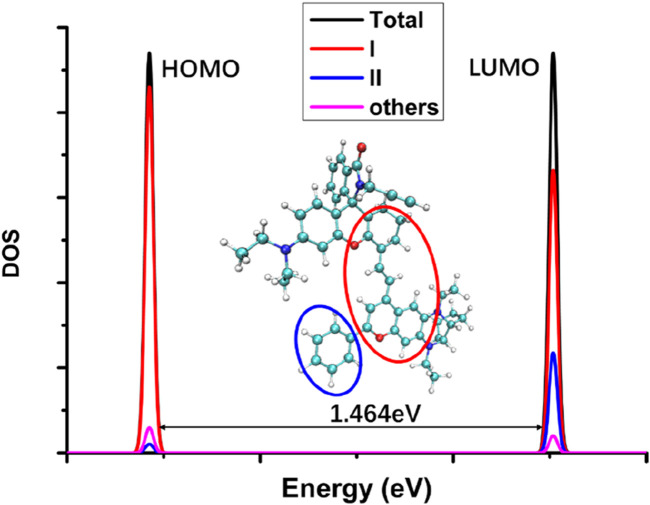 Figure 4
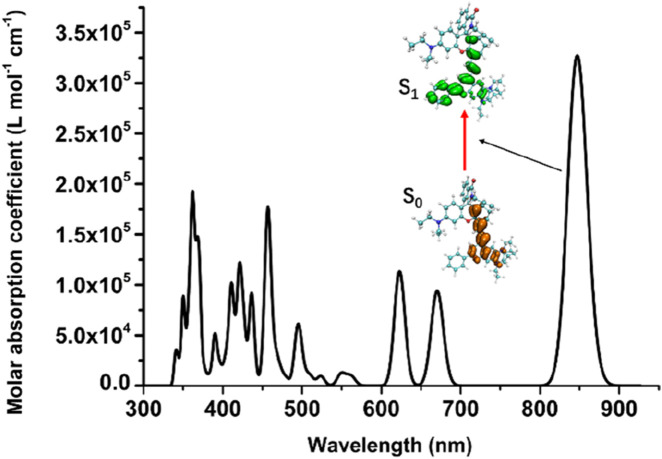 Figure 5
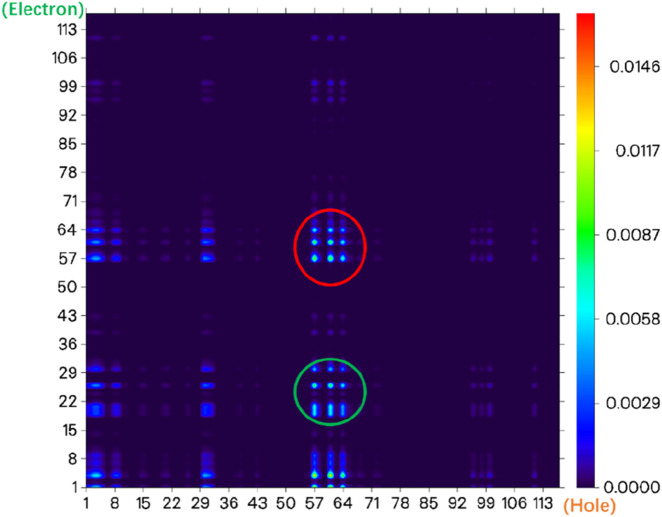 Figure 6
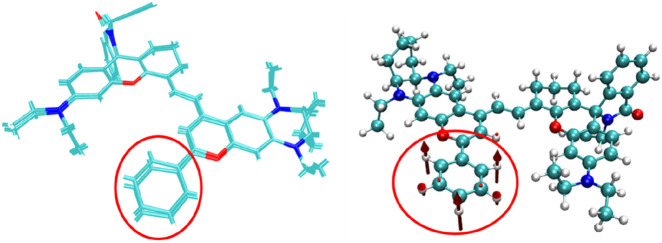 Figure 7
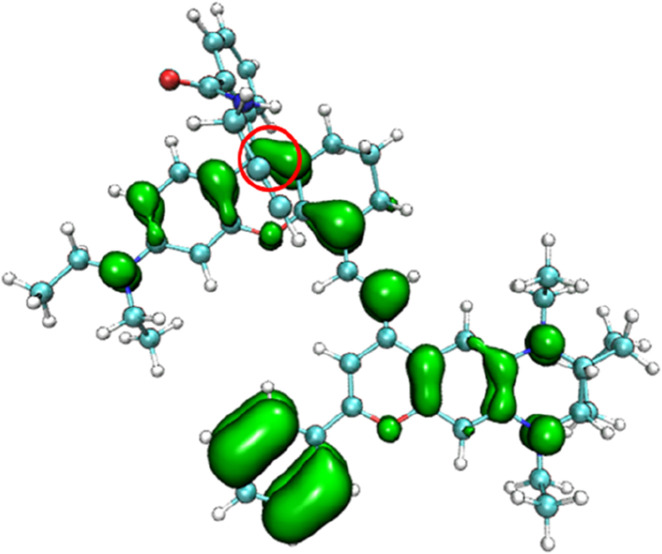 Figure 8
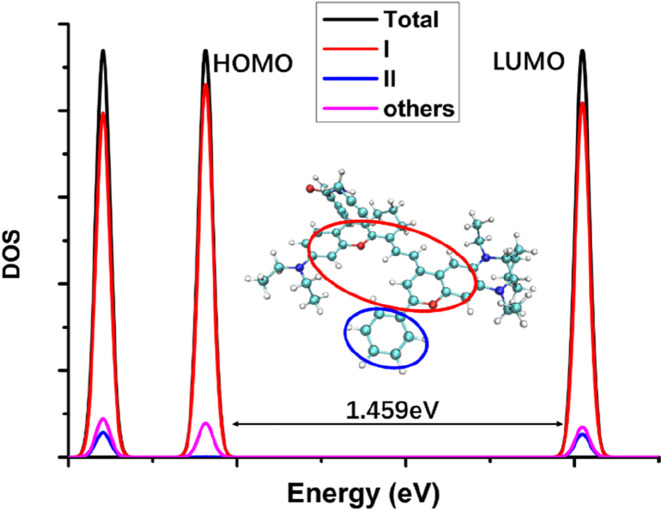 Figure 9
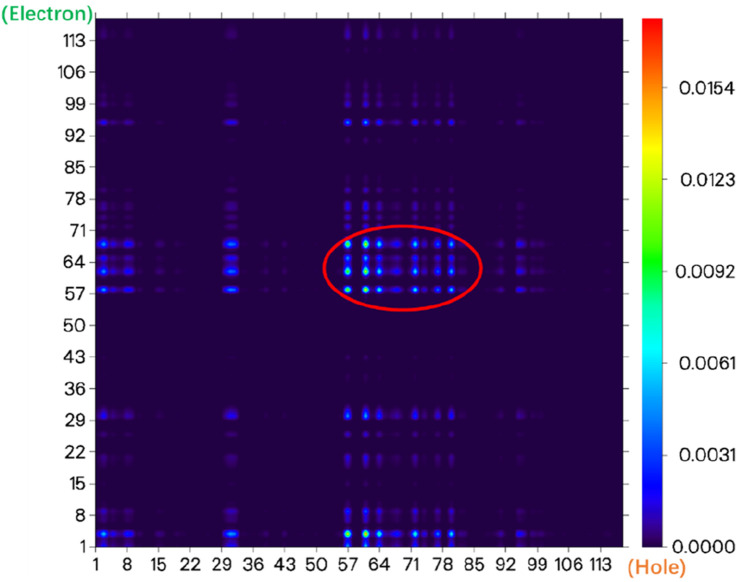 Figure 10
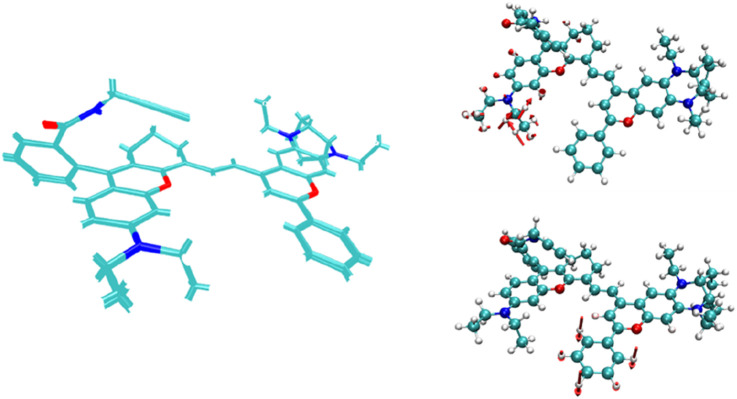 Figure 11
Peer Reviews
No public reviews on file for this paper yet. If you reviewed it on a platform where reviews are public (OpenReview, ICLR, NeurIPS, ICML), you can paste yours below so the community can read it here.
Videos
No videos yet. Explain this paper in a talk, walkthrough, or lecture? Add one.
Taxonomy
TopicsMolecular Sensors and Ion Detection · Photochemistry and Electron Transfer Studies · Luminescence and Fluorescent Materials