In vitro design of intrathecal drug administration therapies
Ayankola O. Ayansiji, Caleb Gardner, Sebastien Dors, Daniel S. Gehrke, Francisco Moral-Pulido, Konstantin Slavin, Andreas A. Linninger

TL;DR
Researchers created a realistic 3D model of the human central nervous system to study how drugs spread when administered intrathecally, aiming to improve therapy design.
Contribution
A subject-specific, anatomically accurate in vitro model for studying intrathecal drug dispersion with controlled physiological parameters.
Findings
The CNS phantom enables reliable and repeatable biodispersion data for lumbar IT infusion protocols.
The model allows high-speed visualization of tracer dispersion with better temporal resolution than current neuroimaging.
A distributed pharmacokinetic model evaluated the influence of chemical kinetics and mass transfer on tracer behavior.
Abstract
Due to the scarcity of reliable in vivo data, the pharmacokinetics of intrathecally (IT) administered drugs remain inadequately quantified. Designing new therapies is further hindered by variability in experimental methods, inter-individual and inter-species differences, and poor reproducibility across animal and human studies. To address these limitations, we developed an anatomically accurate, subject-specific replica of the cerebrospinal fluid (CSF)-filled spaces of the human central nervous system (CNS) using a multistep mold/casting process. The 3D-printed, transparent, deformable CNS phantom enables precise control of the infusion and physiological parameters, allowing systematic generation of reliable and repeatable biodispersion data for lumbar IT infusion protocols. Pulsatile artificial CSF flow within the closed system was tuned to replicate subject-specific stroke volumes and…
Genes, proteins, chemicals, diseases, species, mutations and cell lines named across the full text — each resolved to its canonical identifier and authoritative record.
Click any figure to enlarge with its caption.
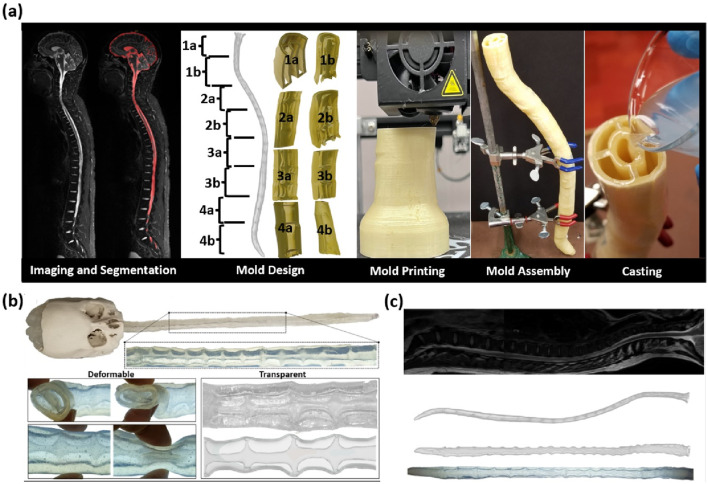 Figure 1
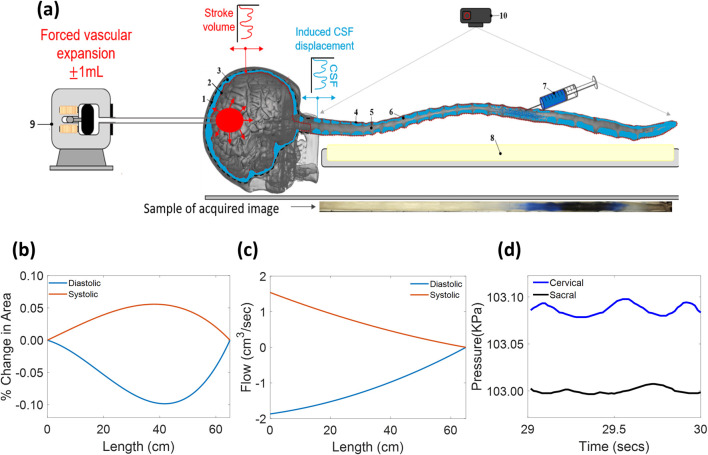 Figure 2
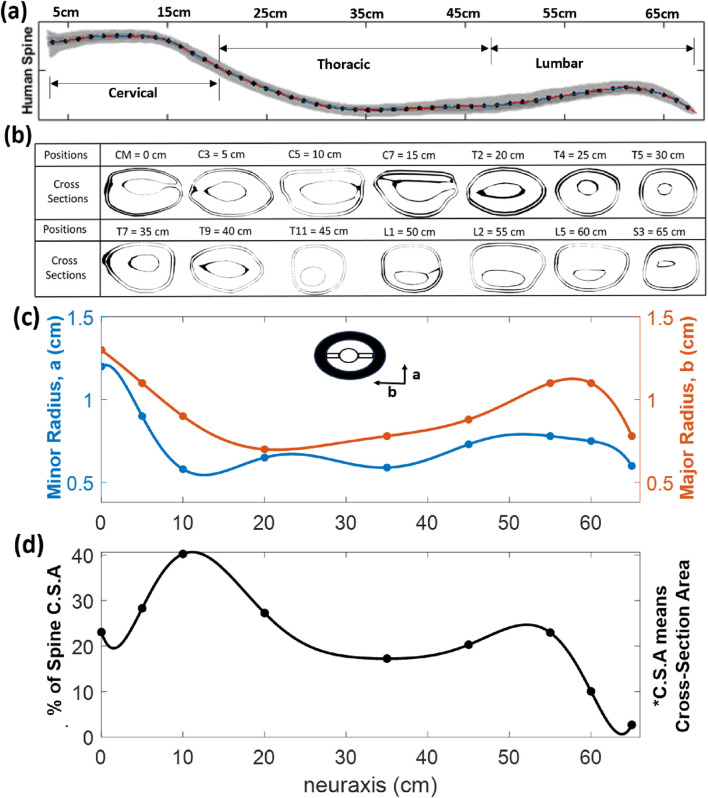 Figure 3
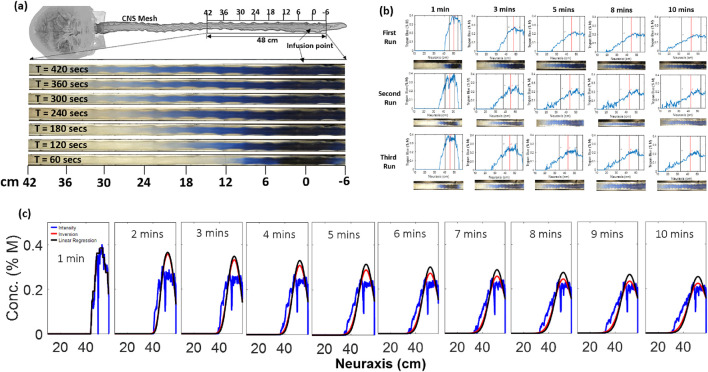 Figure 4
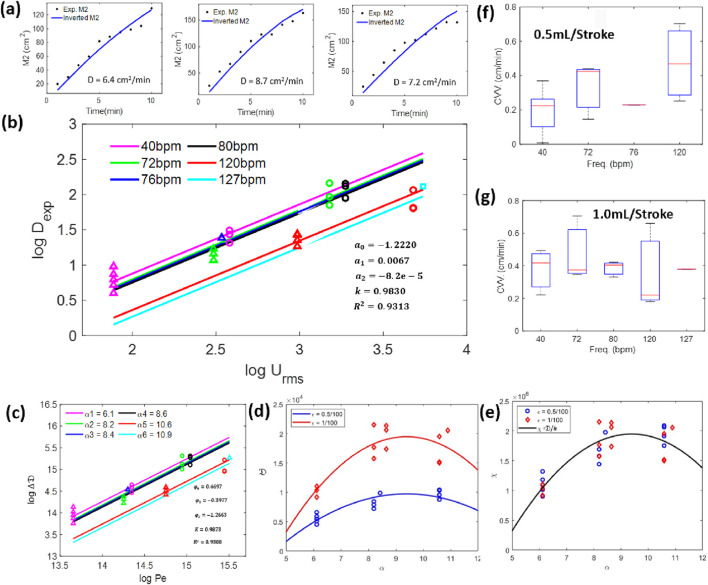 Figure 5
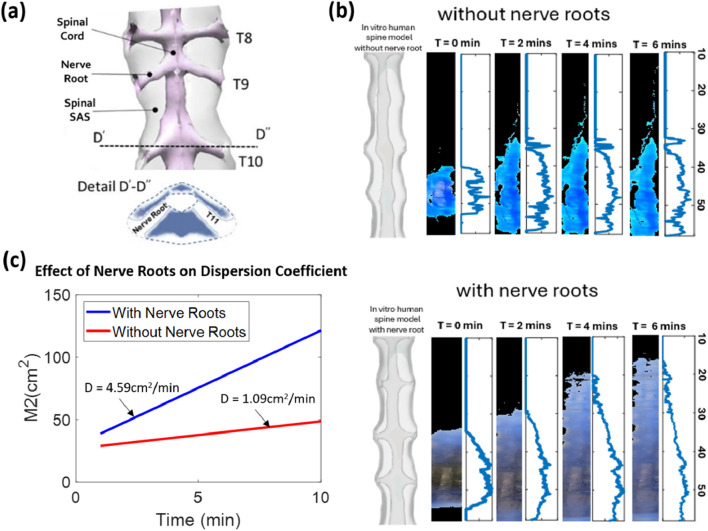 Figure 6
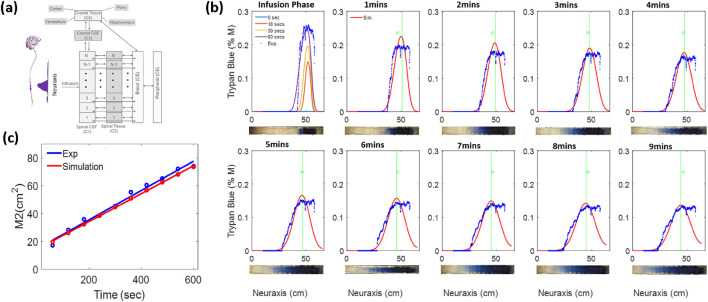 Figure 7
Peer Reviews
No public reviews on file for this paper yet. If you reviewed it on a platform where reviews are public (OpenReview, ICLR, NeurIPS, ICML), you can paste yours below so the community can read it here.
Videos
No videos yet. Explain this paper in a talk, walkthrough, or lecture? Add one.
Taxonomy
TopicsCerebrospinal fluid and hydrocephalus · Glioma Diagnosis and Treatment · Traumatic Brain Injury and Neurovascular Disturbances