Efficacy and safety of SMET12 in combination with toripalimab and chemotherapy in advanced non-small-cell lung cancer patients tested positive for EGFR protein who are treatment-naïve or harbor acquired resistance to standard therapy: a phase 2, multi-cohort clinical trial
Jinghui Lin, Shanshan Chen, Meifang Li, Lihong Weng, Haipeng Xu, Qiang Wang, Jing Zhang, Dong Lin, Haipo Wang, Qinying Liu, Zhiyong He

TL;DR
A new triple therapy combining SMET12, toripalimab, and chemotherapy shows promising results in treating advanced lung cancer patients with EGFR protein, especially those resistant to standard treatments.
Contribution
The study introduces a novel triple therapy and identifies T-cell characteristics that predict treatment response in EGFR-positive lung cancer patients.
Findings
The triple therapy achieved an 83.3% response rate in treatment-naïve patients and 41.7% in those resistant to EGFR-TKIs.
High T lymphocyte counts and central memory T cells correlated with better treatment outcomes.
Cytokine release syndrome and neutropenia were the most common adverse events, but no grade 5 events occurred.
Abstract
SMET12 is a bispecific T-cell engager targeting epidermal growth factor receptor (EGFR) and CD3. This phase 2 clinical trial aimed to investigate the efficacy and safety of SMET12 plus toripalimab and chemotherapy among advanced non-small-cell lung cancer (NSCLC) patients tested positive for EGFR protein, including treatment-naïve patients, patients with resistance to first-line immune checkpoint inhibitors-containing therapy and EGFR-mutated patients with resistance to first-line EGFR tyrosine kinase inhibitors (TKIs), and to examine the associations of lymphocyte numbers and differentiation patterns with therapeutic efficacy among advanced NSCLC patients. All advanced NSCLC patients were histologically diagnosed and tested positive for EGFR protein. This trial included three cohorts: Cohort A consisted of treatment-naïve patients, and Cohort B consisted of patients acquiring…
Genes, proteins, chemicals, diseases, species, mutations and cell lines named across the full text — each resolved to its canonical identifier and authoritative record.
Click any figure to enlarge with its caption.
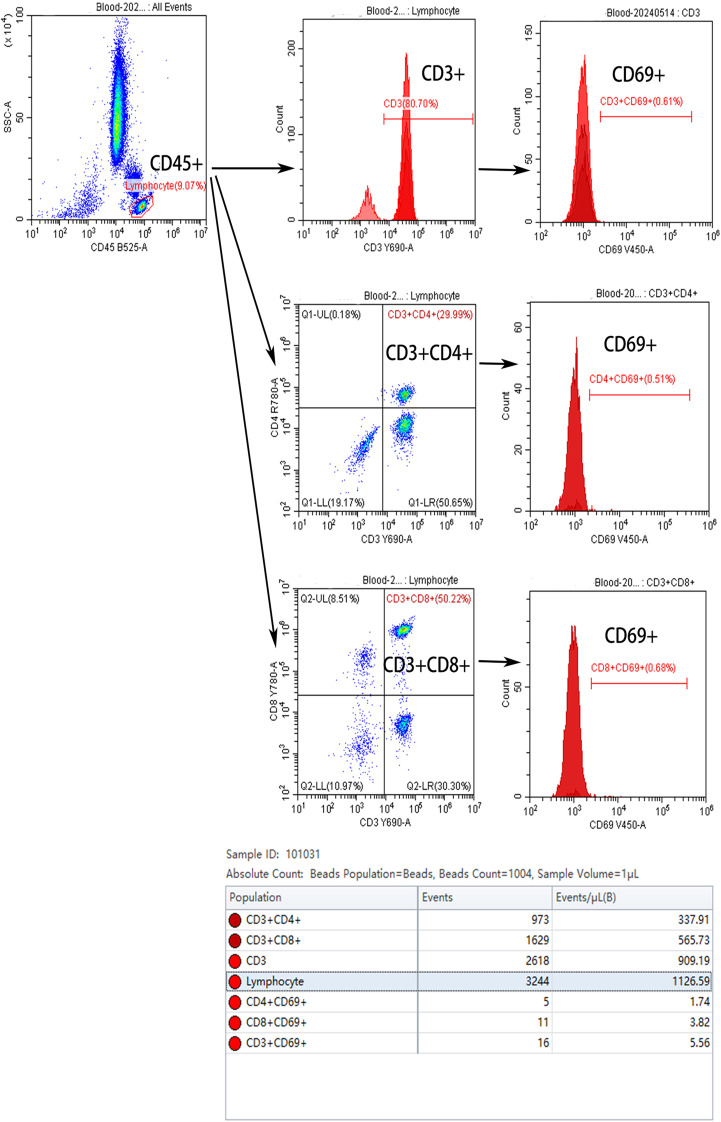 Figure 1
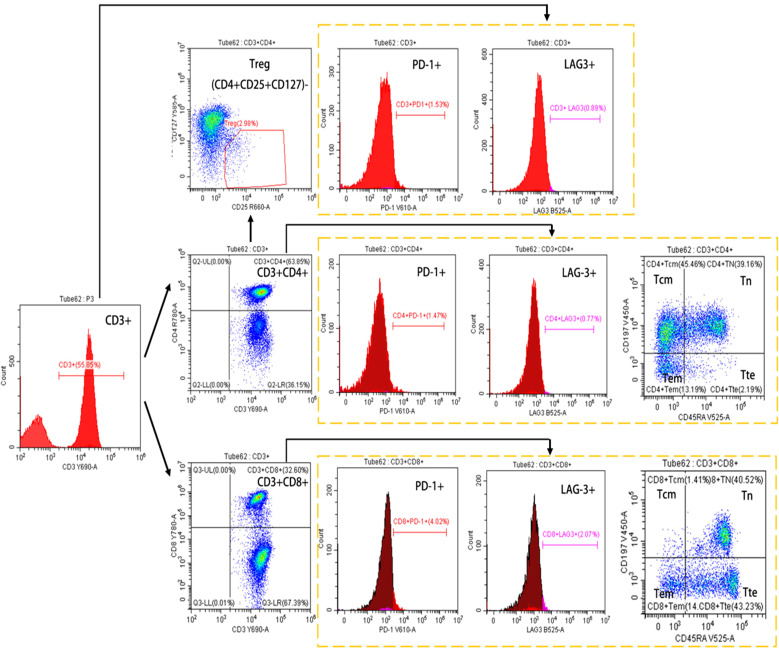 Figure 2
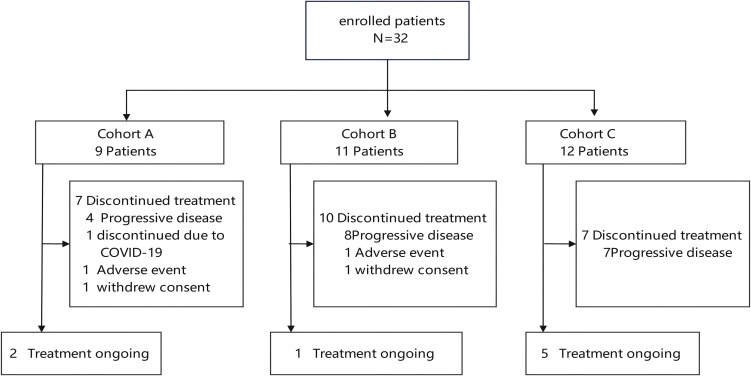 Figure 3
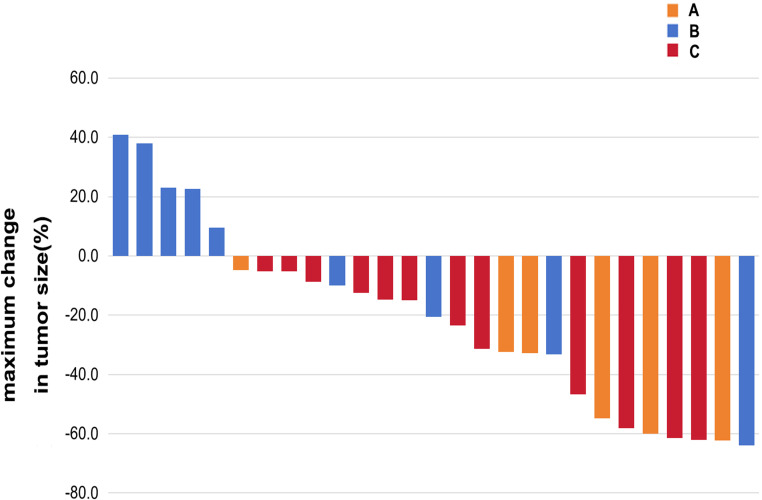 Figure 4
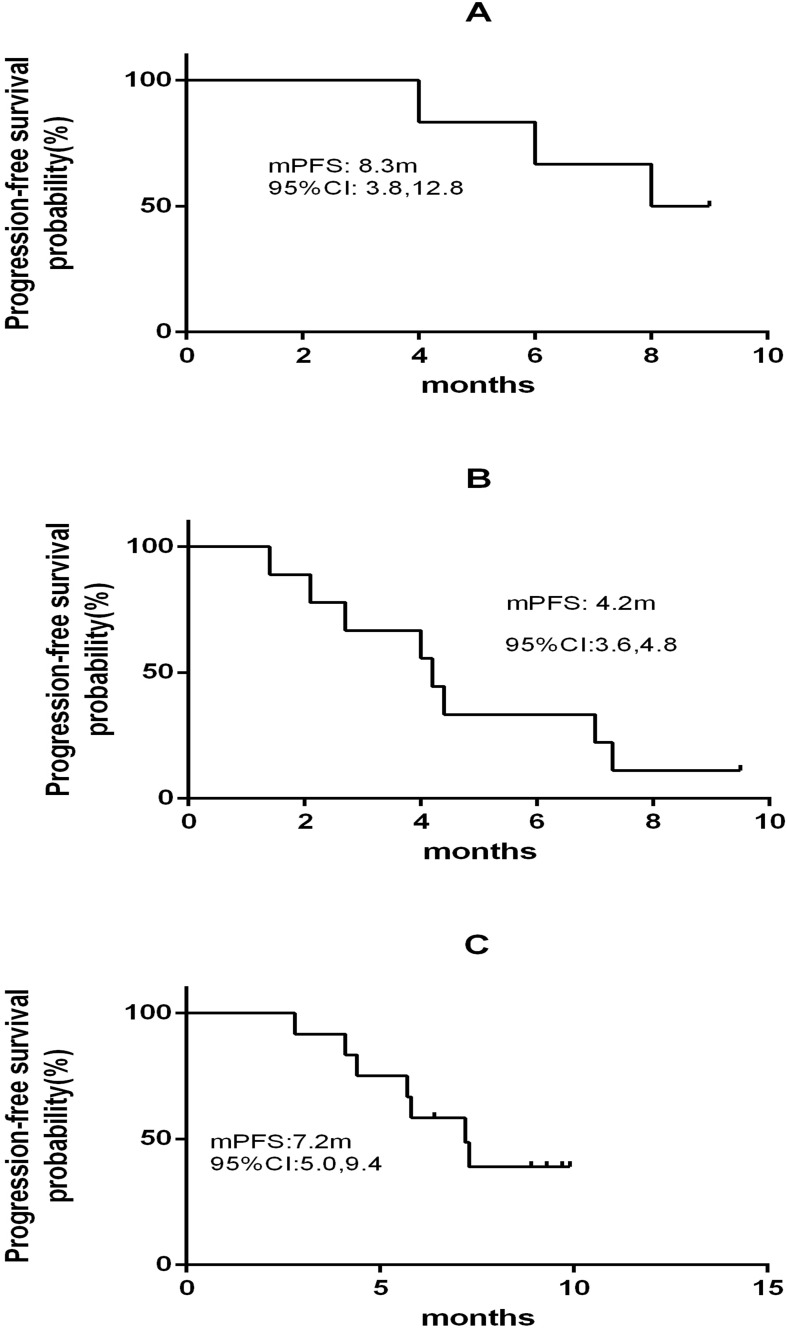 Figure 5
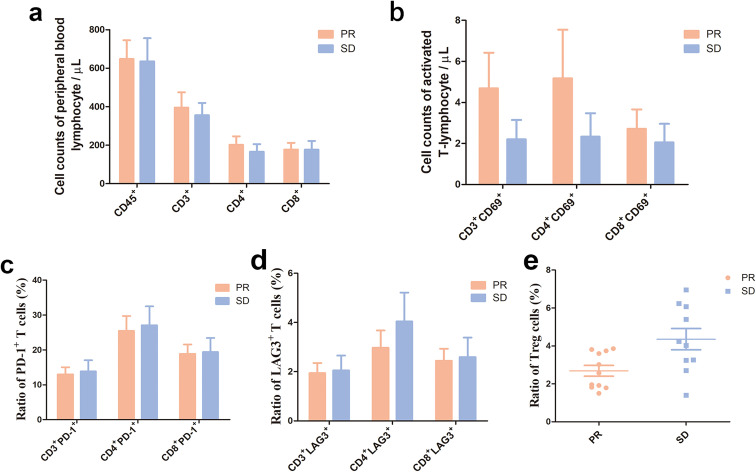 Figure 6
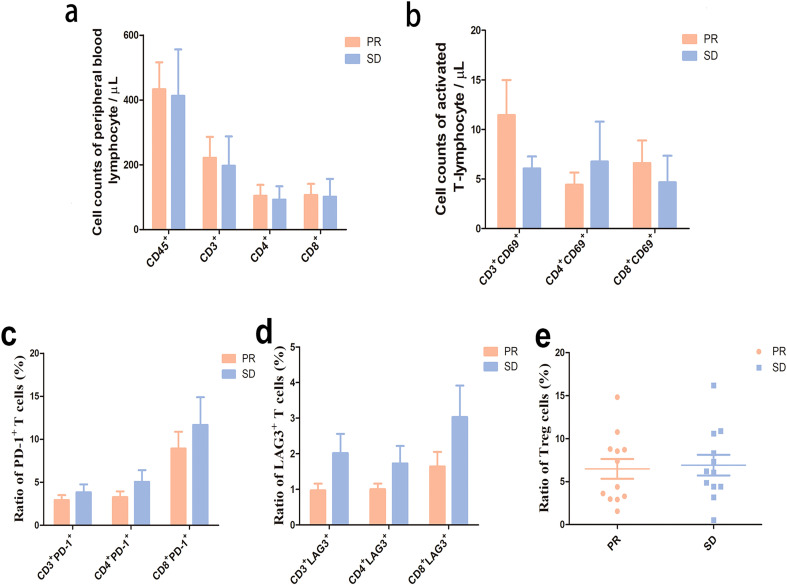 Figure 7
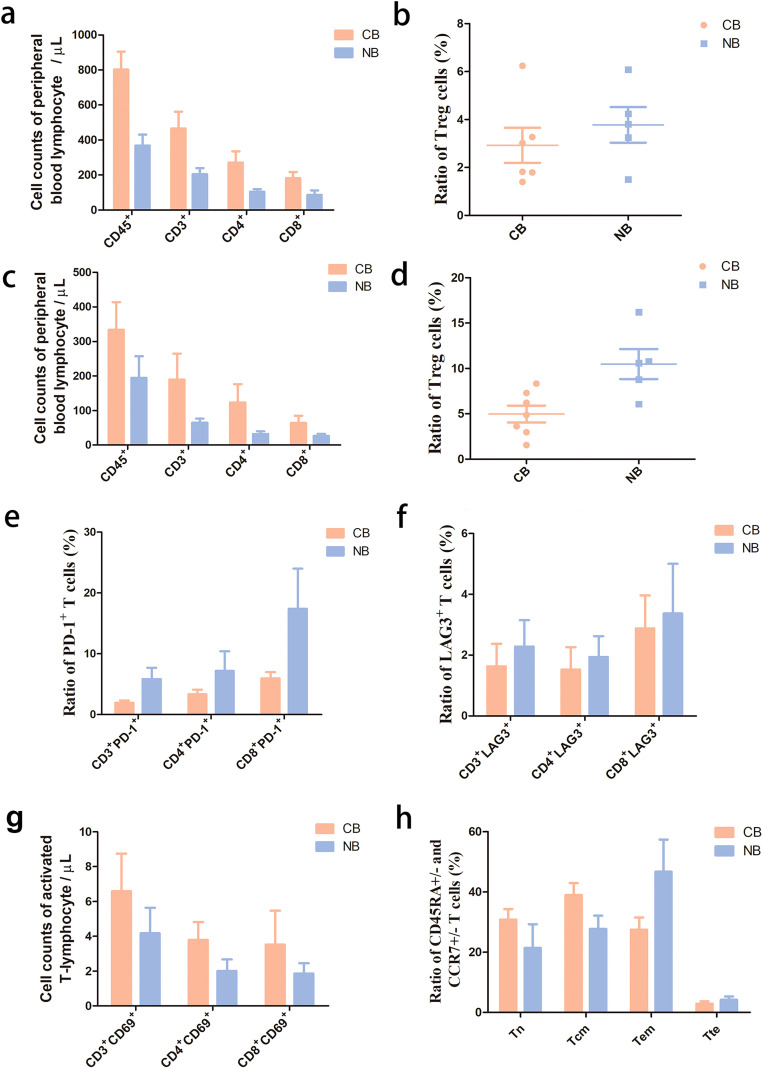 Figure 8
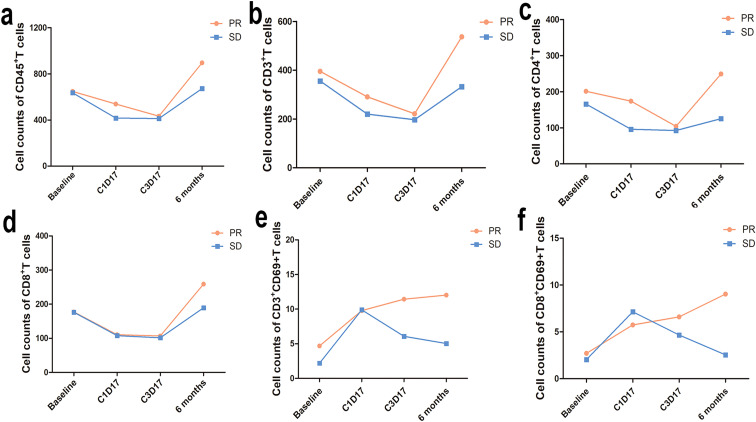 Figure 9
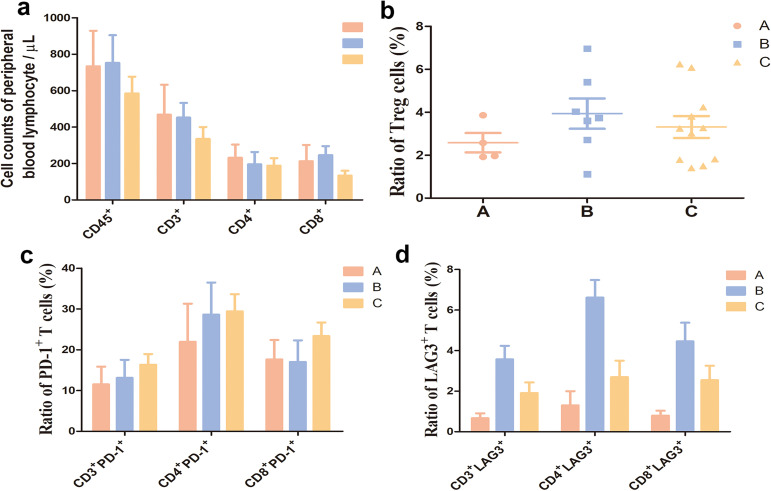 Figure 10
Peer Reviews
No public reviews on file for this paper yet. If you reviewed it on a platform where reviews are public (OpenReview, ICLR, NeurIPS, ICML), you can paste yours below so the community can read it here.
Videos
No videos yet. Explain this paper in a talk, walkthrough, or lecture? Add one.
Taxonomy
TopicsCancer Immunotherapy and Biomarkers · CAR-T cell therapy research · Lung Cancer Treatments and Mutations