A wearable functional electrical stimulation device with a movable electrode for motor point tracking
Yue Liu, Shin Ebihara, Masao Sugi, Hiroshi Yokoi, Yinlai Jiang

TL;DR
A wearable device with a movable electrode improves muscle stimulation during rehabilitation by tracking the motor point, reducing fatigue and increasing comfort.
Contribution
A novel wearable device with a movable electrode for real-time motor point tracking during functional electrical stimulation.
Findings
Motor point tracking significantly reduced muscle fatigue compared to conventional methods.
The approach improved subjective comfort during stimulation.
The device followed the biceps brachii motor point trajectory based on elbow joint angle.
Abstract
Functional electrical stimulation is widely applied in the rehabilitation of individuals with cerebrovascular disease or spinal cord injury but is limited by rapid muscle fatigue. We present a novel stimulation strategy based on real-time motor point tracking using a wearable functional electrical stimulation device with a movable electrode. A crank–slider mechanism drives the electrode to follow the biceps brachii motor point trajectory according to elbow joint angle, aiming to optimize stimulation site and reduce fatigue. Seven healthy male participants compared this approach with time-shifted and joint angle–shifted stimulation. Muscle performance was evaluated by maximum voluntary contraction, change in elbow joint angle, and subjective comfort assessed on a visual analogue scale. Results showed that motor point tracking significantly reduced fatigue and improved comfort compared…
Genes, proteins, chemicals, diseases, species, mutations and cell lines named across the full text — each resolved to its canonical identifier and authoritative record.
Click any figure to enlarge with its caption.
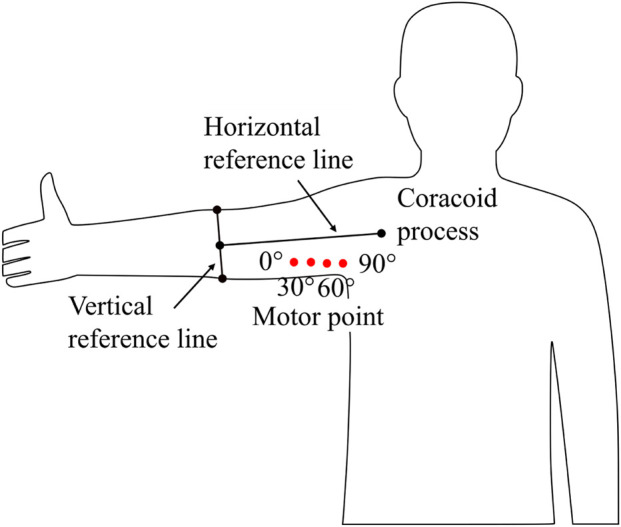 Figure 1
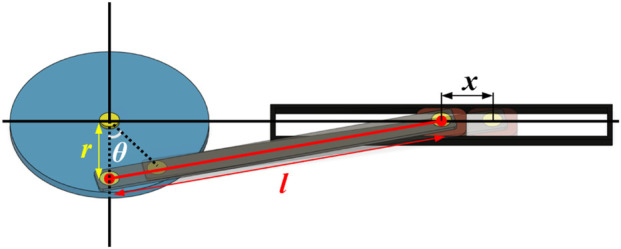 Figure 2
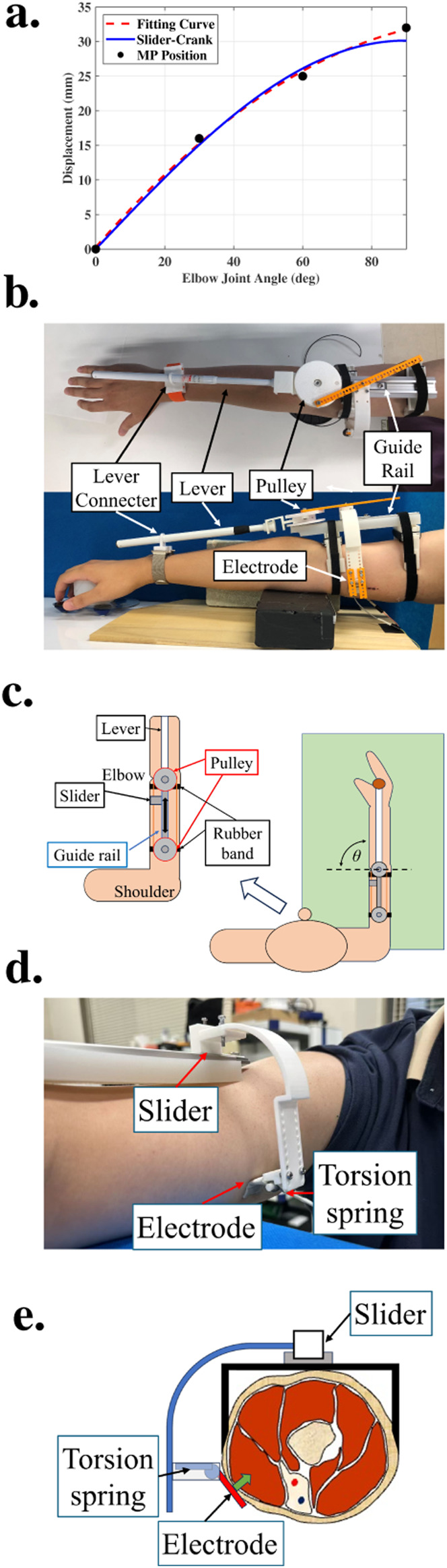 Figure 3
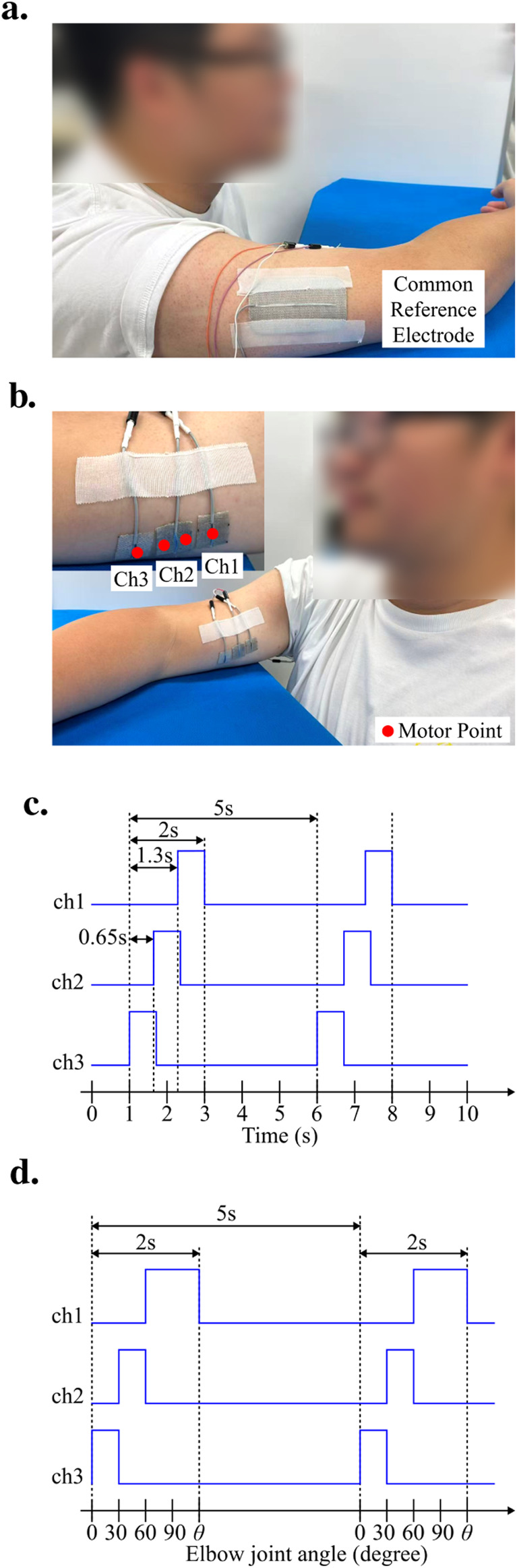 Figure 4
 Figure 5
 Figure 6
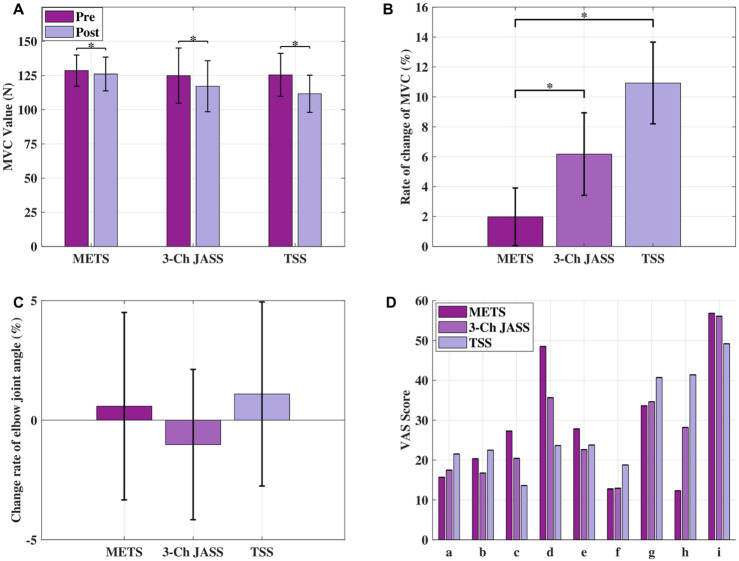 Figure 7
Peer Reviews
No public reviews on file for this paper yet. If you reviewed it on a platform where reviews are public (OpenReview, ICLR, NeurIPS, ICML), you can paste yours below so the community can read it here.
Videos
No videos yet. Explain this paper in a talk, walkthrough, or lecture? Add one.
Taxonomy
TopicsStroke Rehabilitation and Recovery · Muscle activation and electromyography studies · Spinal Cord Injury Research