Berberine suppresses hepatocellular carcinoma progression by blocking IL-4-JAK1-STAT6-mediated M2 polarization of macrophage
Peng Wang, Yuwen Zhong, Mengkai Li, Qing Liang, Weiyi Jiang, Mengqi Zhuang, Xuecheng Ge, Huixing Li, Yaoshuai Zhang, Yu Qiao, Jiayao Jiang, Heping Hu, Wendi Liu, Feng Qian, Zishu Wang, Lei Sun, Shulong Zhang, Huabang Zhou

TL;DR
Berberine inhibits liver cancer growth by blocking macrophage M2 polarization and works better when combined with an anti-PD-L1 antibody.
Contribution
Berberine's novel mechanism of suppressing HCC via IL-4-JAK1-STAT6 axis inhibition and TAM modulation is revealed.
Findings
Berberine reduces M2 macrophage infiltration and polarization in hepatocellular carcinoma tissues.
Combining berberine with anti-PD-L1 antibody synergistically inhibits tumor growth in mice.
Berberine binds to JAK1’s FERM domain, stabilizing it and reducing STAT6 phosphorylation.
Abstract
Berberine (BBR), an isoquinoline alkaloid extracted from Coptis chinensis, is clinically used to treat chronic colitis, diabetes, and other diseases. Although BBR has antitumor effects, it is unclear whether it can inhibit hepatocellular carcinoma (HCC) by modulating the tumor inflammatory microenvironment. In this study, we demonstrated that BBR inhibits HCC development in mice by suppressing the M2 polarization of macrophages. Using an H22 tumor-bearing xenograft mouse model, we found that BBR significantly inhibited H22 tumor growth. Analysis of scRNA-seq results revealed reduced M2 macrophage infiltration and polarization in BBR-treated HCC tissues. Pharmacodynamic studies showed that BBR treatment markedly increased CD8+ T cell infiltration and attenuated M2 polarization. In vitro, BBR suppressed IL-4 or tumor cell supernatant-induced M2 polarization, as evidenced by decreased…
Genes, proteins, chemicals, diseases, species, mutations and cell lines named across the full text — each resolved to its canonical identifier and authoritative record.
Click any figure to enlarge with its caption.
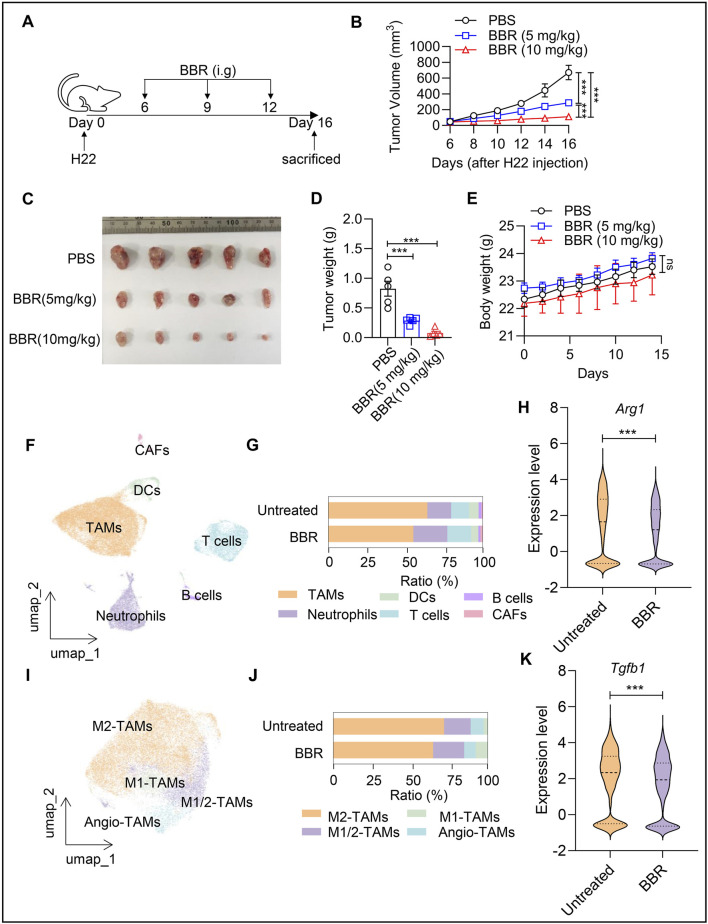 Figure 1
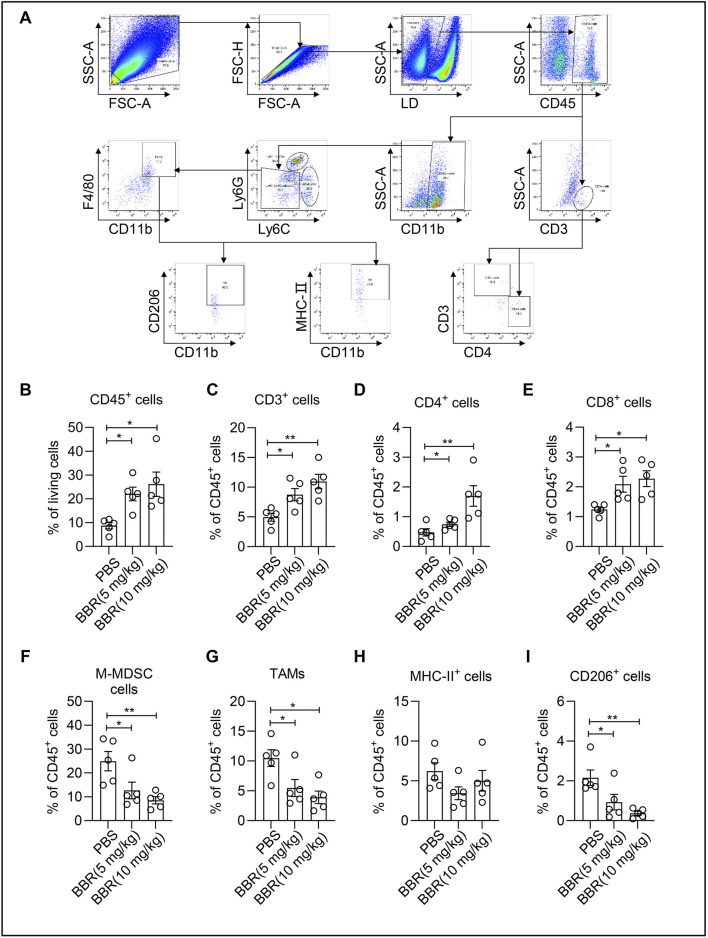 Figure 2
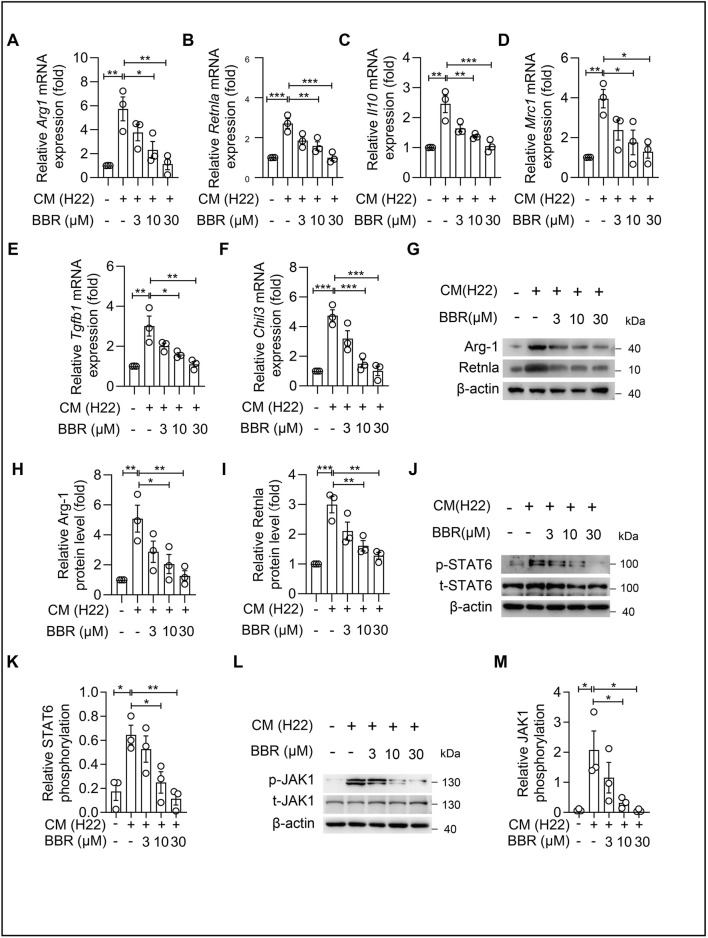 Figure 3
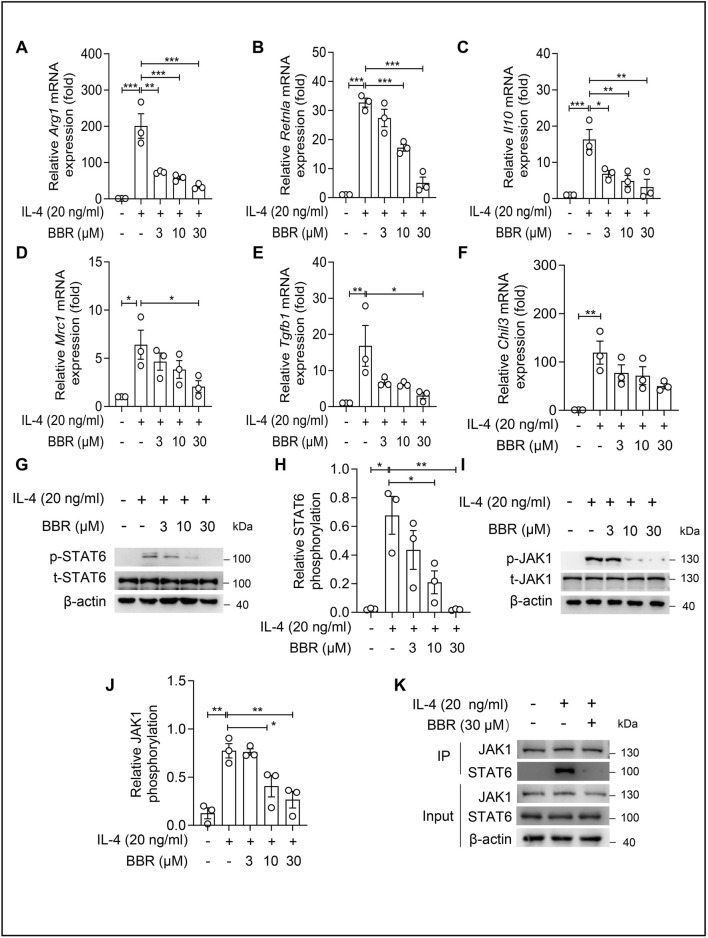 Figure 4
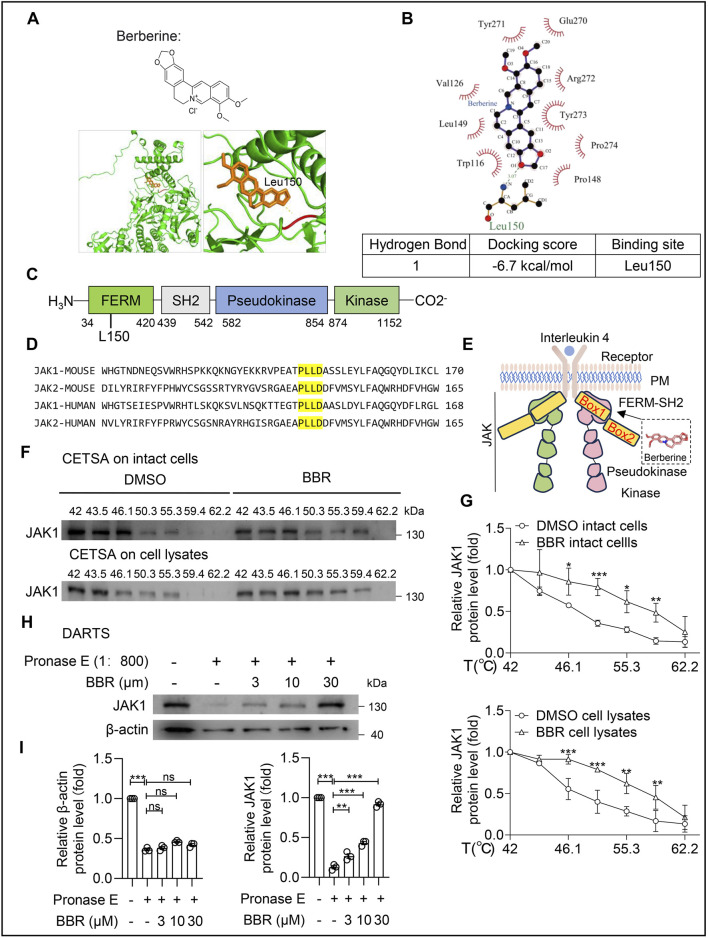 Figure 5
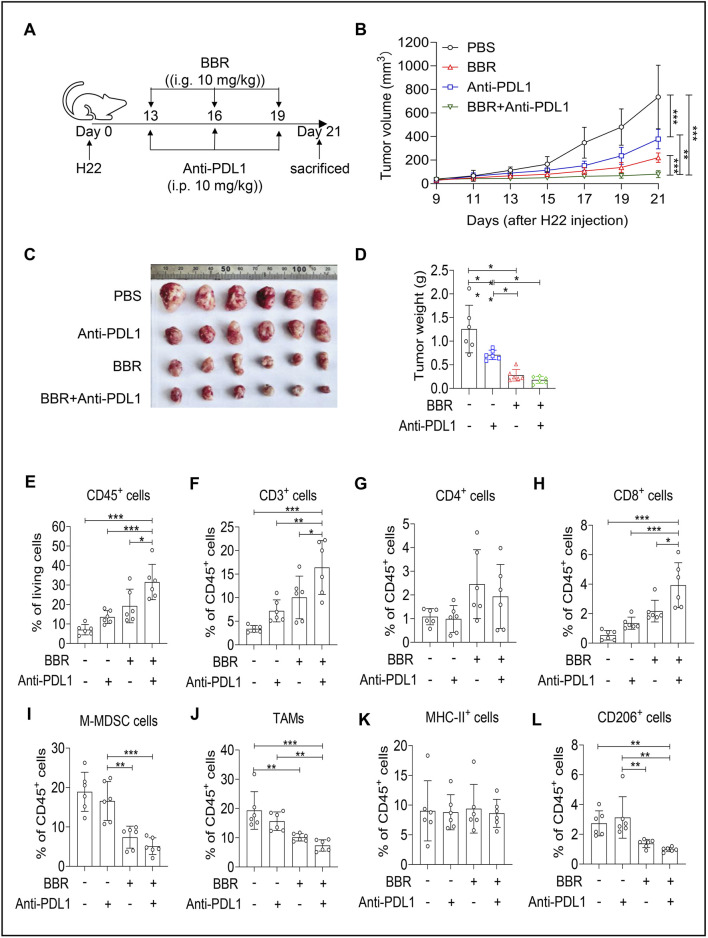 Figure 6
Peer Reviews
No public reviews on file for this paper yet. If you reviewed it on a platform where reviews are public (OpenReview, ICLR, NeurIPS, ICML), you can paste yours below so the community can read it here.
Videos
No videos yet. Explain this paper in a talk, walkthrough, or lecture? Add one.
Taxonomy
TopicsBerberine and alkaloids research · Immune cells in cancer · Traditional and Medicinal Uses of Annonaceae