Ethnopharmacological insights into uterine fibroids: a review of etiology, and therapeutic potential of natural products
Gcobisa Valencia Manzane, Joe Sekomeng Modise, Bamide Joseph Okoli, Fanyana Mtunzi, Mzimkhulu Ephraim Monapathi

TL;DR
This paper reviews the causes and natural treatments for uterine fibroids, focusing on traditional African botanical drugs and their potential therapeutic benefits.
Contribution
The paper introduces and evaluates two South African plant species, Gunnera perpensa L. and Albizia tanganyicensis Baker, as potential natural treatments for uterine fibroids.
Findings
Uterine fibroids are influenced by hormonal dysregulation, genetic mutations, and lifestyle factors like vitamin D deficiency.
Natural products such as vitamins D and E, EGCG, and specific African plant species show anti-inflammatory and anti-proliferative properties relevant to fibroid treatment.
Ethnopharmacological frameworks validate the potential of traditional botanical drugs for integrative fibroid management.
Abstract
Uterine fibroids (leiomyomas) are the most common benign gynecologic tumors, affecting up to 80% of women by age 50, with higher prevalence and symptom severity reported in women of African descent. These monoclonal tumors originate from smooth muscle cells of the myometrium and are classified based on anatomical location (intramural, submucosal, subserosal, or transmural). Clinical manifestations include abnormal uterine bleeding, pelvic pain or pressure, and infertility. The pathogenesis of fibroids is multifactorial, involving hormonal dysregulation (particularly estrogen and progesterone), MED12 gene mutations, extracellular matrix accumulation, and modifiable risk factors such as vitamin D deficiency and obesity. This review synthesizes current knowledge on fibroid etiology, and treatment strategies, with specific focus on the ethnopharmacological relevance of botanical drugs and…
Genes, proteins, chemicals, diseases, species, mutations and cell lines named across the full text — each resolved to its canonical identifier and authoritative record.
Click any figure to enlarge with its caption.
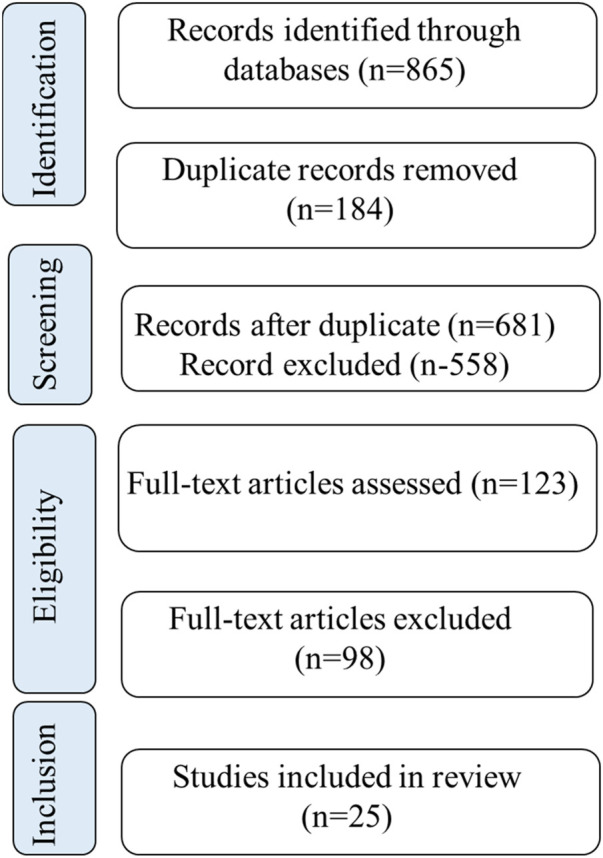 Figure 1
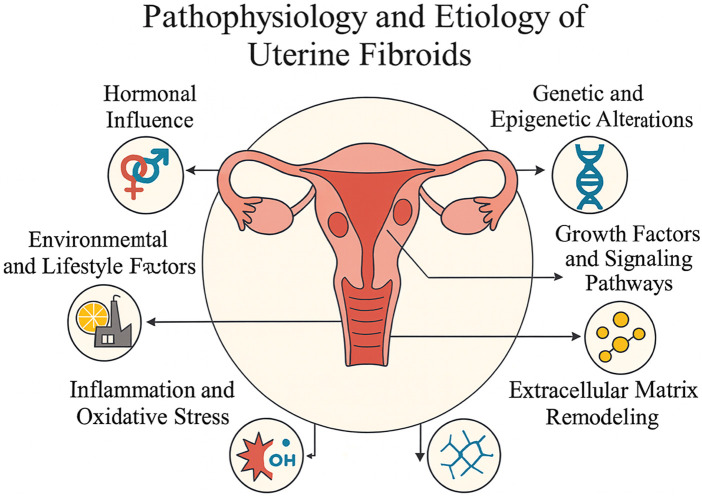 Figure 2
Peer Reviews
No public reviews on file for this paper yet. If you reviewed it on a platform where reviews are public (OpenReview, ICLR, NeurIPS, ICML), you can paste yours below so the community can read it here.
Videos
No videos yet. Explain this paper in a talk, walkthrough, or lecture? Add one.
Taxonomy
TopicsEthnobotanical and Medicinal Plants Studies · Phytochemical compounds biological activities · Phytochemistry and Bioactive Compounds