Short-chain PFAS exposure during gestation and breastfeeding alters learning and memory in adulthood: possible mechanisms related to brain development
Luca Lorenzini, Marzia Moretti, Claudia Zanardello, Federica Gallocchio, Vito A. Baldassarro, Alessandra Moressa, Lorenzo Zanella, Michele Sannia, Greta Foiani, Corinne Quadalti, Maura Cescatti, Valentina Burato, Margherita Soncin, Marzia Mancin, Luciana Giardino

TL;DR
Exposure to short-chain PFAS during pregnancy and breastfeeding harms brain development in rats, leading to long-term cognitive issues.
Contribution
First experimental evidence showing neurodevelopmental toxicity of short-chain PFAS GenX and PFBA in offspring.
Findings
Exposure to GenX and PFBA impaired spatial learning and cognitive flexibility in rat offspring.
PFBA exposure reduced neuronal maturation markers like MAP2, PSD95, and VGLUT.
Neuroinflammation and impaired hippocampal neurogenesis persisted into adulthood.
Abstract
Exposure to long-chain perfluoroalkyl substances (PFASs) during development has been consistently associated with cognitive impairment and behavioural changes in humans. These concerns have led to regulatory restrictions and a shift towards short-chain PFASs as alternatives. However, experimental evidence on the neurodevelopmental impact of short-chain PFASs remains scarce, despite their increasing detection in drinking water and human biomonitoring studies. This study provides the first experimental evidence of the neurodevelopmental toxicity of maternal exposure to the short-chain PFASs GenX and PFBA, administered before mating, throughout gestation, and during lactation. In a rat model, offspring from exposed dams displayed significant impairments in spatial learning and cognitive flexibility in the Morris water maze. Mechanistic investigations on PFBA exposure ex vivo revealed…
Genes, proteins, chemicals, diseases, species, mutations and cell lines named across the full text — each resolved to its canonical identifier and authoritative record.
Click any figure to enlarge with its caption.
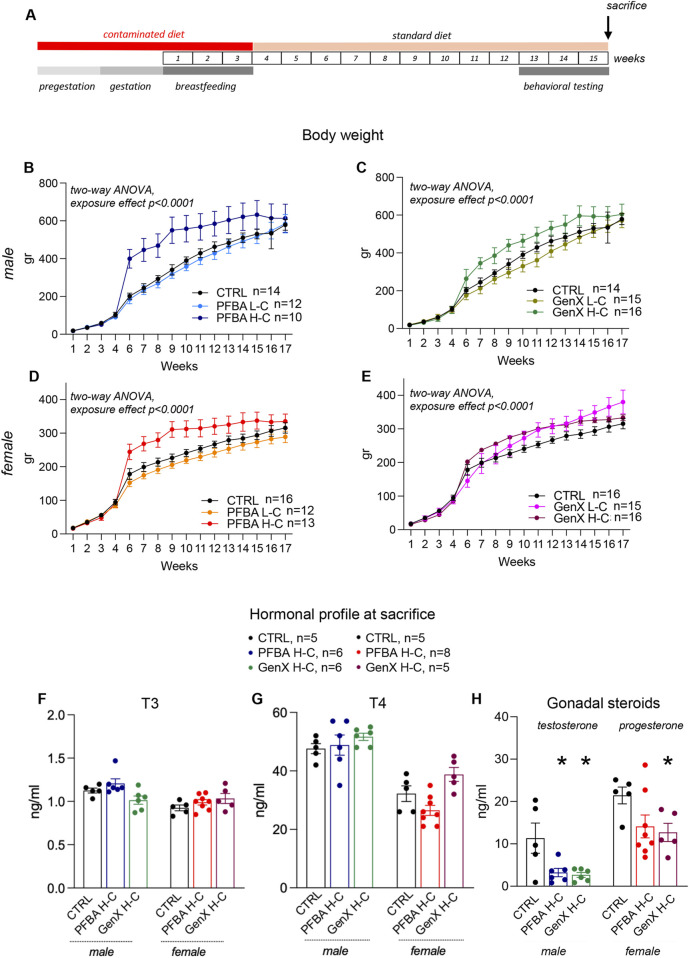 Figure 1
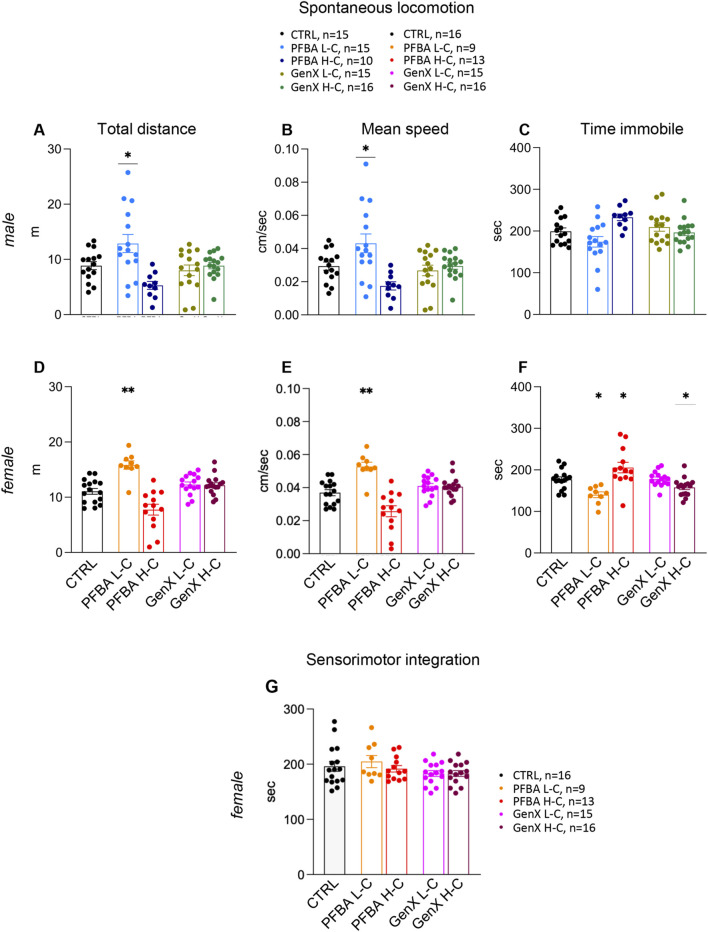 Figure 2
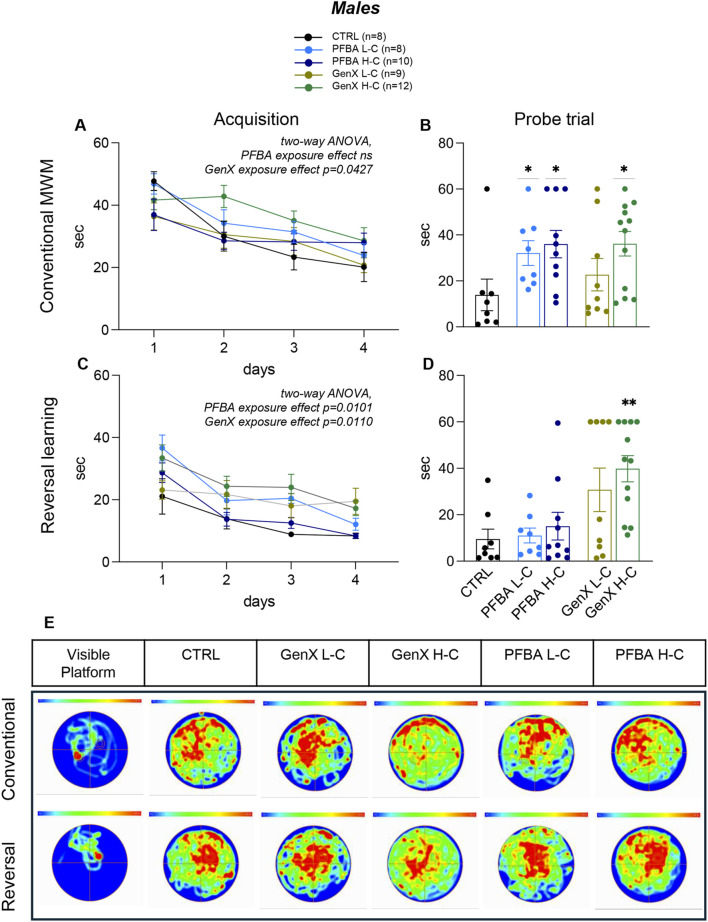 Figure 3
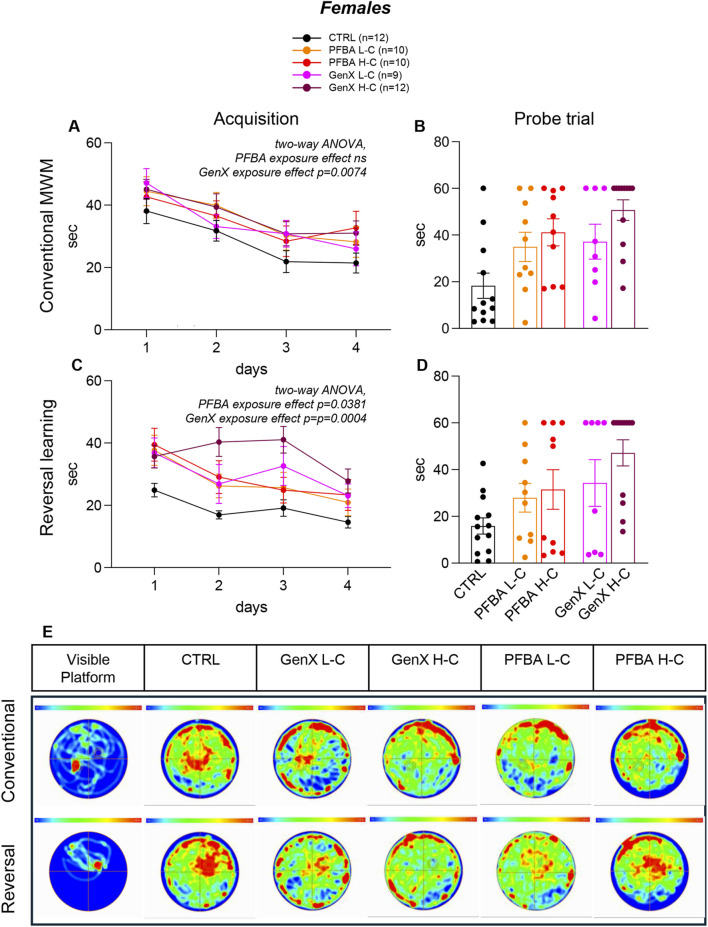 Figure 4
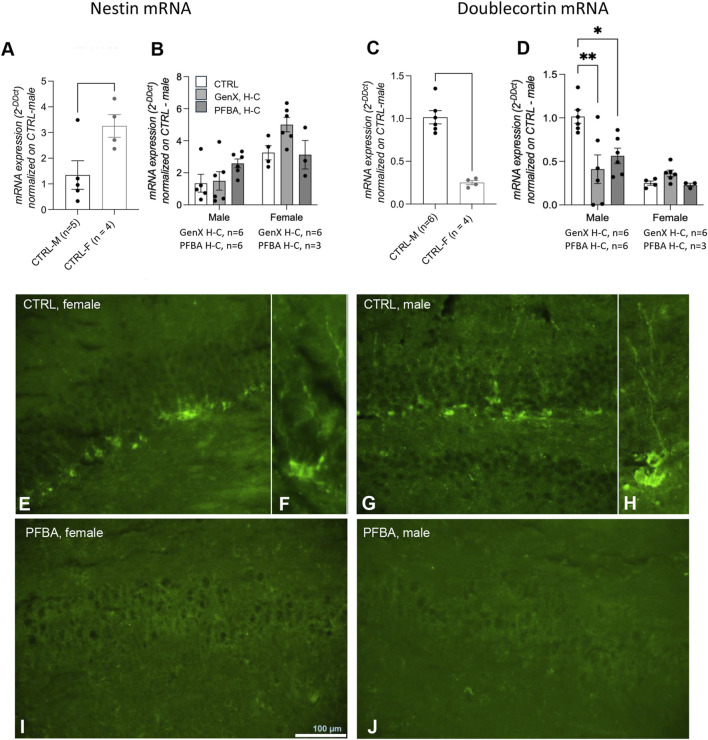 Figure 5
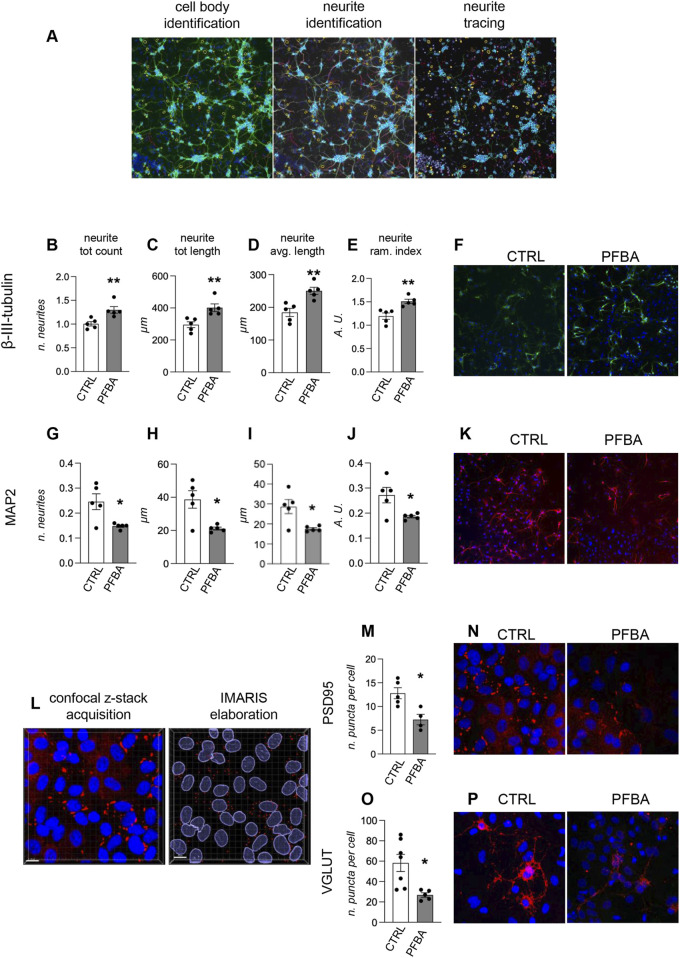 Figure 6
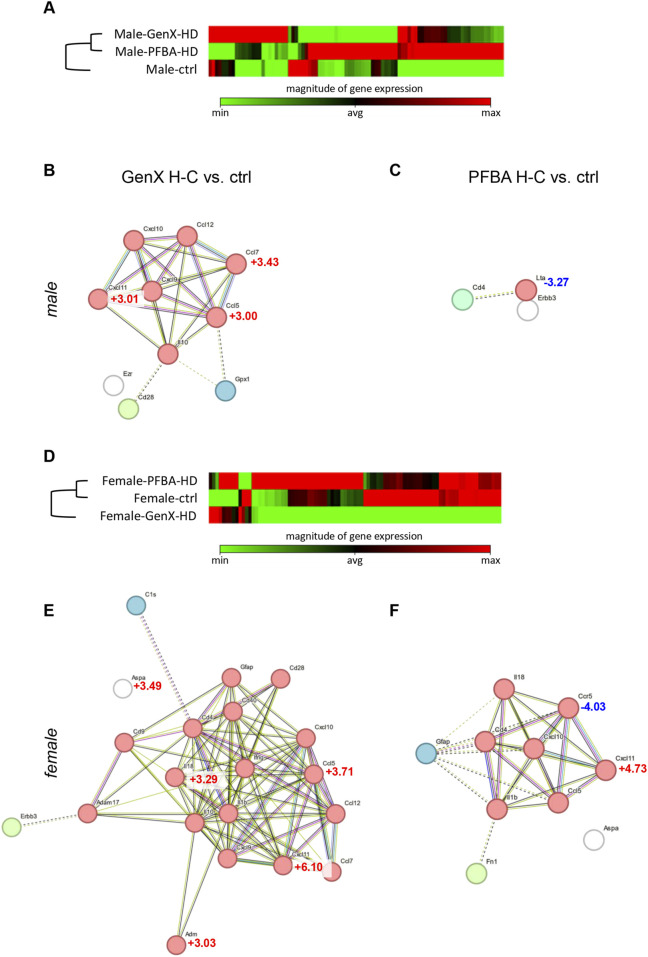 Figure 7
Peer Reviews
No public reviews on file for this paper yet. If you reviewed it on a platform where reviews are public (OpenReview, ICLR, NeurIPS, ICML), you can paste yours below so the community can read it here.
Videos
No videos yet. Explain this paper in a talk, walkthrough, or lecture? Add one.
Taxonomy
TopicsPer- and polyfluoroalkyl substances research · Toxic Organic Pollutants Impact · Effects and risks of endocrine disrupting chemicals