Sequential anlotinib and camrelizumab combination therapy achieves exceptional survival in multi-driver mutated, TMB-low/PD-L1-low/MSS pulmonary sarcomatoid carcinoma: case report and literature review
Jun Zhu, Ai Zhu, Gang Li, Lidong Liu, Ziran Gao, Jiayun Liu, Yunfei Ye, Xunzhi Zhu, Yi Li, Hong Chen, Meijin Huang

TL;DR
A rare lung cancer patient survived 72 months with a unique treatment combining anlotinib and camrelizumab, despite having multiple mutations and low immune markers.
Contribution
A novel sequential combination therapy overcomes multiple biological barriers in a multi-driver mutated, immunoresistant lung cancer case.
Findings
The patient achieved 72-month overall survival, far exceeding the typical 12-month median for advanced PSC.
The treatment provided 37-month progression-free survival, surpassing historical benchmarks.
The therapy successfully bypassed PD-L1 resistance, TMB limitations, and microsatellite stability.
Abstract
Pulmonary sarcomatoid carcinoma (PSC) is a rare and aggressive subtype of non-small cell lung cancer (NSCLC) whose molecular characteristics and therapeutic strategies remain poorly defined. This case report documents an exceptional 72-month overall survival in a 40-year-old male patient with stage IVa pulmonary sarcomatoid carcinoma (PSC). The patient harbored seven coexisting driver mutations [ROS1, RET(exon16,exon19), TSC2, ALK, STK11, PTEN] and exhibited triple-negative immunosuppressive biomarkers: low PD-L1 expression (TPS 3%), low tumor mutational burden (TMB, 11mut/Mb), and microsatellite stable (MSS) status. Sequential anlotinib (anti-angiogenic drug) and camrelizumab (PD-1 inhibitor) combination therapy overcame three biological barriers: (1) angiogenesis inhibition reversed PD-L1 primary resistance by remodeling the tumor microenvironment; (2) treatment induced neoantigens…
Genes, proteins, chemicals, diseases, species, mutations and cell lines named across the full text — each resolved to its canonical identifier and authoritative record.
Click any figure to enlarge with its caption.
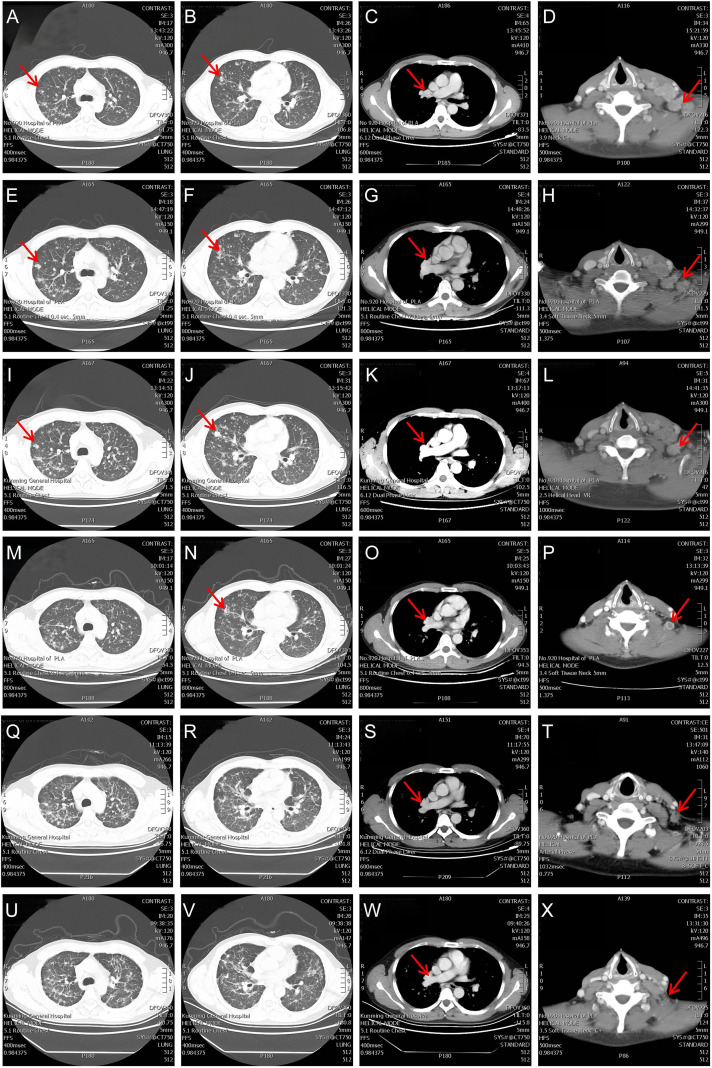 Figure 1
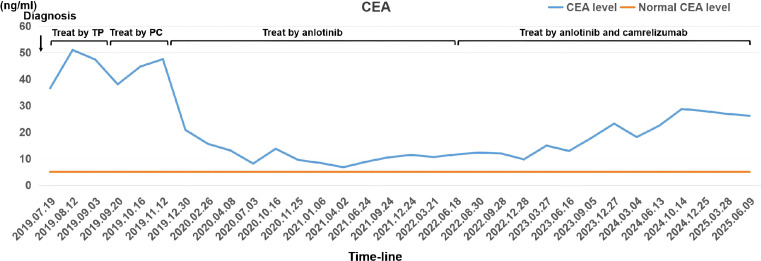 Figure 2
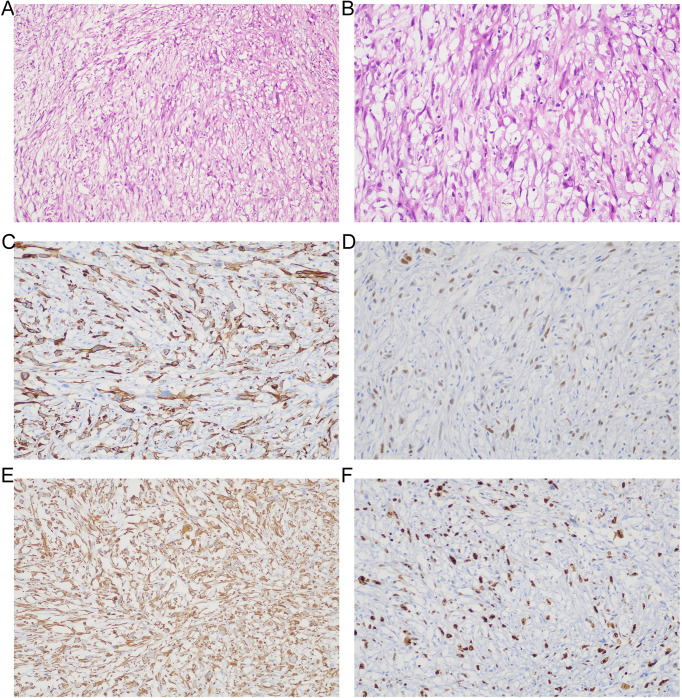 Figure 3
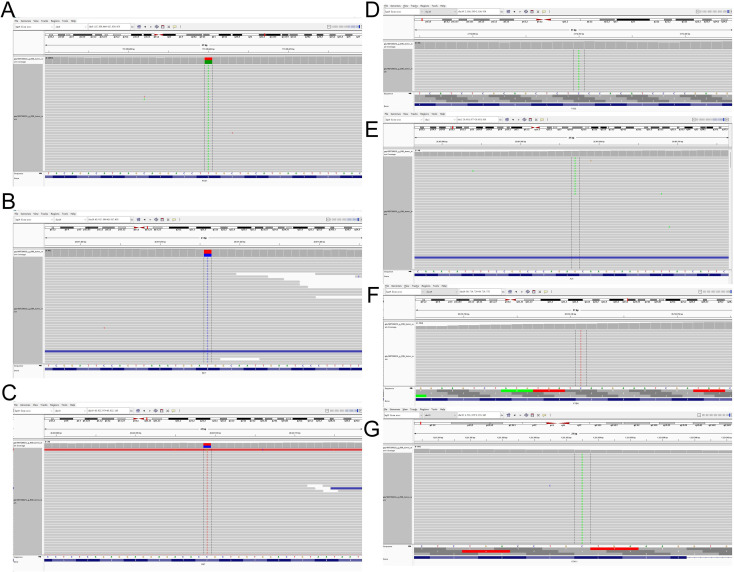 Figure 4
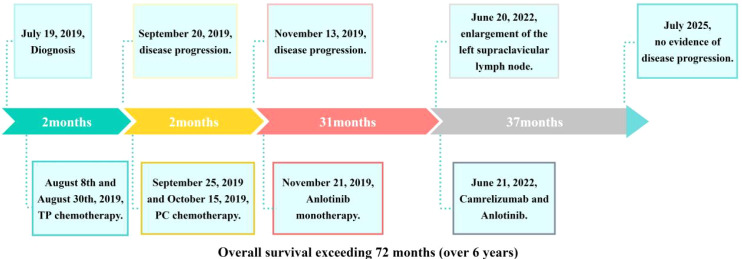 Figure 5
Peer Reviews
No public reviews on file for this paper yet. If you reviewed it on a platform where reviews are public (OpenReview, ICLR, NeurIPS, ICML), you can paste yours below so the community can read it here.
Videos
No videos yet. Explain this paper in a talk, walkthrough, or lecture? Add one.
Taxonomy
TopicsMetastasis and carcinoma case studies · Congenital Diaphragmatic Hernia Studies · Lung Cancer Diagnosis and Treatment