Pharmacological characterization and preclinical evaluation of 11h: a novel, brain-penetrant PDE4 inhibitor for neurological disorders
Jacob Lackovic, Sougata Dey, Sara Jane Ward, Nigel H. Greig, David Tweedie, Nassim Beiranvand, Uksha Saini, Dev Chatterjee, Atul Varadhachary

TL;DR
Compound 11h is a new brain-penetrant PDE4 inhibitor that shows strong anti-inflammatory effects and good tolerability, making it a promising candidate for treating neurological disorders.
Contribution
11h is a novel PDE4 inhibitor with improved brain penetration and reduced emesis liability compared to existing PDE4 inhibitors.
Findings
11h potently inhibits all four PDE4 isoforms with low nanomolar IC50 values and reduces pro-inflammatory cytokines in vitro.
In vivo, 11h reduces neuroinflammation in mice and shows sustained brain concentrations with no vomiting in ferrets at high doses.
11h is well tolerated, with no significant genotoxicity or cardiac ion channel inhibition observed.
Abstract
Phosphodiesterase 4 (PDE4) inhibitors hold promise for treating neuroinflammatory and neurodegenerative disorders, but their clinical application in central nervous system (CNS) diseases has been limited by insufficient brain penetration and adverse effects, especially nausea and vomiting. In this study, we characterize compound 11h, a novel, orally available, brain-penetrant PDE4 inhibitor designed to address these limitations. 11h was evaluated using integrated computational, in vitro, and in vivo approaches, including Schrödinger-based molecular docking against human PDE4A10, luminescence-based cAMP assays for PDE4 isoform inhibition, and inflammatory assays in murine macrophages, microglia-like cells, and human PBMCs. In vivo efficacy, pharmacokinetics, brain and tissue distribution, tolerability, emesis liability, and behavioral effects were assessed across mouse, rat, and ferret…
Genes, proteins, chemicals, diseases, species, mutations and cell lines named across the full text — each resolved to its canonical identifier and authoritative record.
Click any figure to enlarge with its caption.
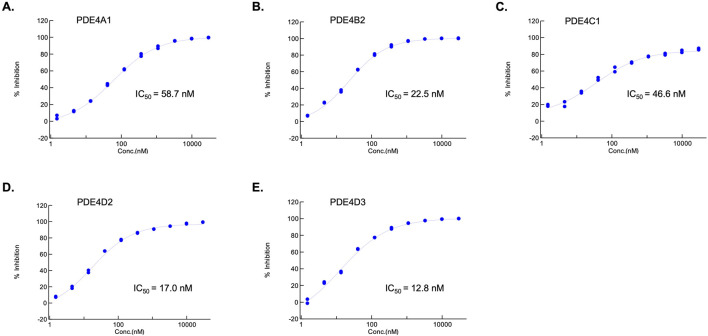 Figure 1
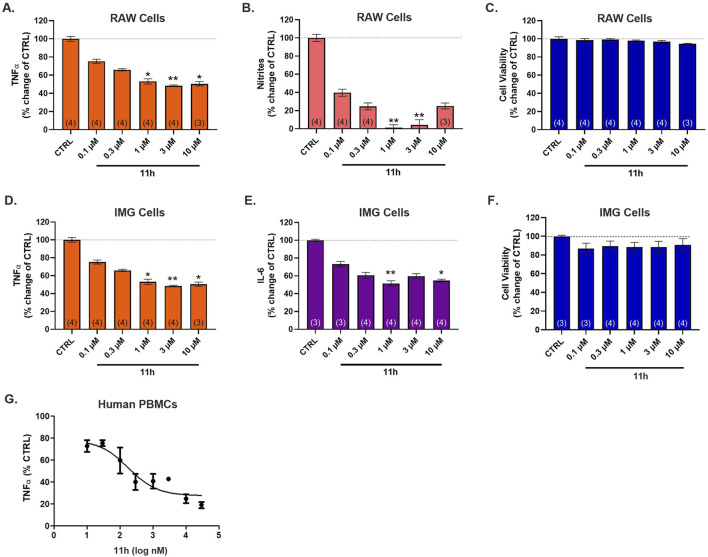 Figure 2
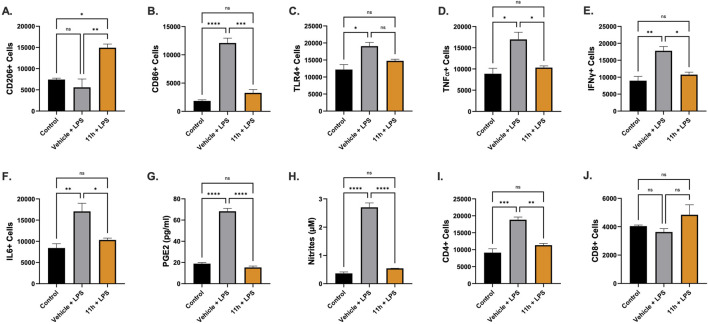 Figure 3
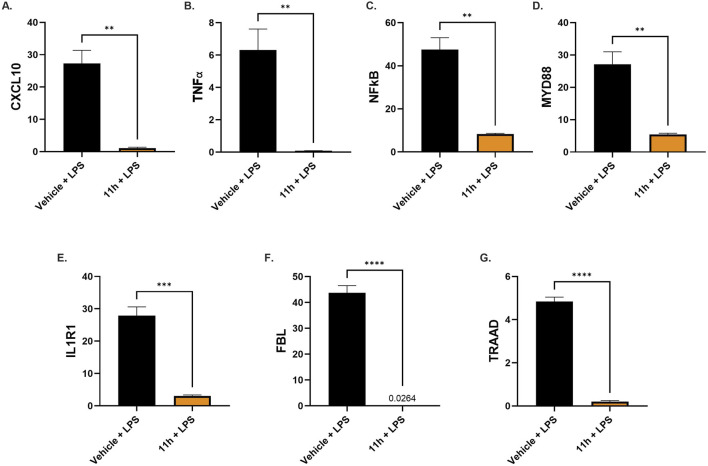 Figure 4
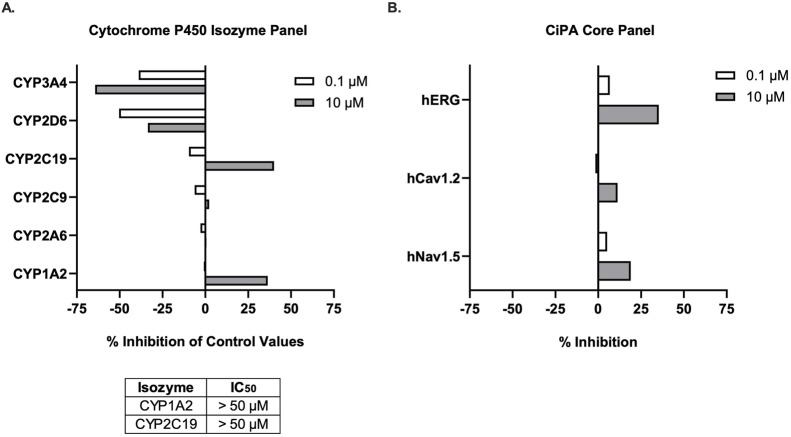 Figure 5
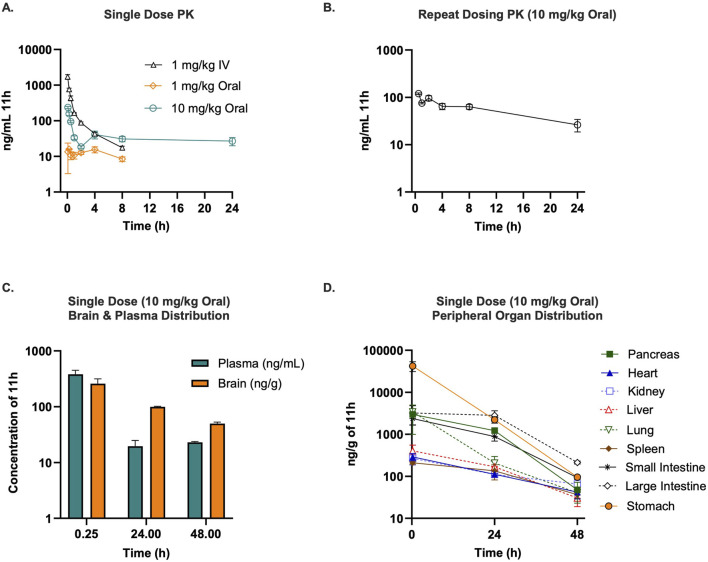 Figure 6
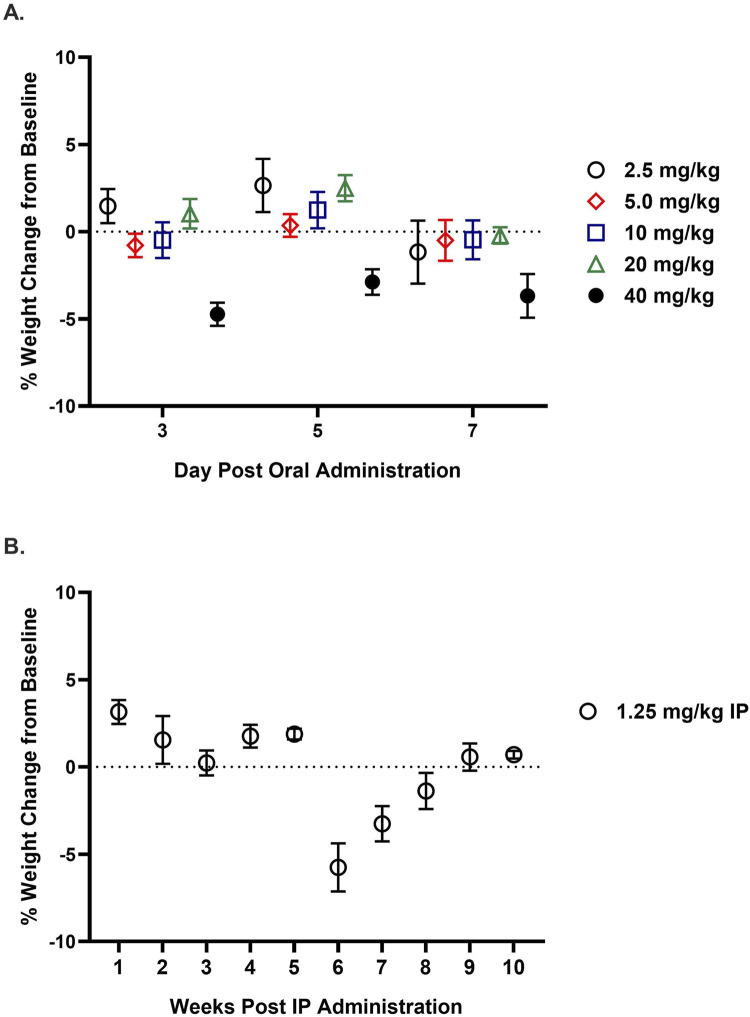 Figure 7
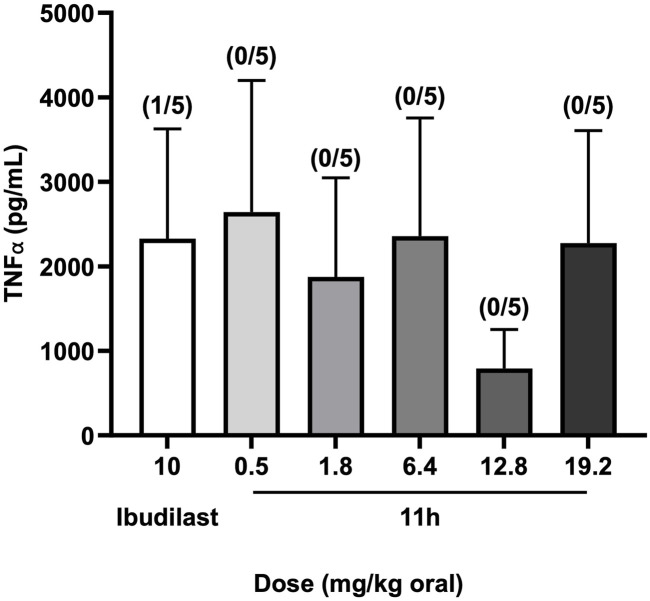 Figure 8
 Figure 9
 Figure 10
Peer Reviews
No public reviews on file for this paper yet. If you reviewed it on a platform where reviews are public (OpenReview, ICLR, NeurIPS, ICML), you can paste yours below so the community can read it here.
Videos
No videos yet. Explain this paper in a talk, walkthrough, or lecture? Add one.
Taxonomy
TopicsPhosphodiesterase function and regulation · Neuroscience and Neuropharmacology Research · Protein Kinase Regulation and GTPase Signaling