Granulomatous cellular signatures in nontuberculous and tuberculous mycobacterial infections
Brianna M. Doratt, Ethan G. Napier, Mahdi Eskandarian Boroujeni, Sarah Douglas, Michael H. Davies, Luiz Bermudez, Eliot R. Spindel, Erin F. McCaffrey, Ilhem Messaoudi

TL;DR
This study compares immune responses in granulomas caused by tuberculosis and nontuberculous mycobacteria, revealing key differences that could guide better treatments.
Contribution
The study identifies distinct cellular and transcriptional signatures in granulomas from Mtb and MAH infections, offering new insights into their differing disease mechanisms.
Findings
MAH granulomas show pro-inflammatory macrophages and strong immune signatures in granulomatous regions.
Mtb granulomas are more inflammatory but show reduced adaptive immune activation and structural integrity signals.
Endothelial cells, fibroblasts, and macrophages drive signaling differences between Mtb and MAH granulomas.
Abstract
Mycobacterium tuberculosis (Mtb) and nontuberculous mycobacteria (NTM) are acid-fast bacilli that trigger granuloma formation, a hallmark immune response aimed at containing infection. While the biology of Mtb granulomas has been widely investigated, far less is known about granulomas caused by NTM infection, despite the increasing prevalence and clinical challenge of NTM cases worldwide. Because granulomas influence infection control, pathology, and treatment response, understanding their cellular organization and signaling is critical to improving therapeutic strategies. Therefore, we characterized granulomas formed following infection of rhesus macaques with Mycobacterium avium subsp. hominissuis (MAH) and compared them to granulomas from cynomolgus macaques infected with Mtb. MAH-associated granulomas were enriched in pro-inflammatory macrophages and, within granulomatous regions,…
Genes, proteins, chemicals, diseases, species, mutations and cell lines named across the full text — each resolved to its canonical identifier and authoritative record.
Click any figure to enlarge with its caption.
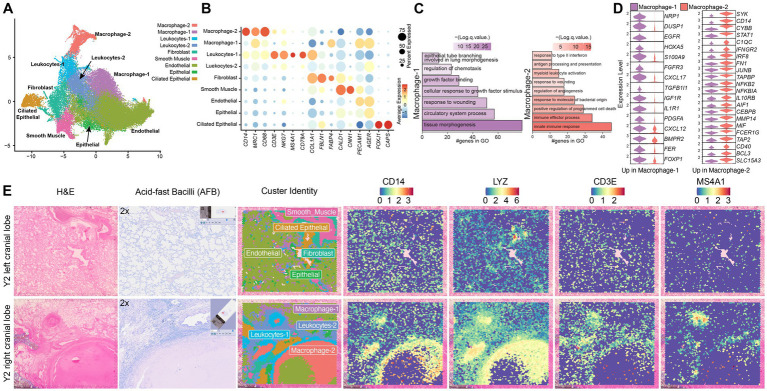 Figure 1
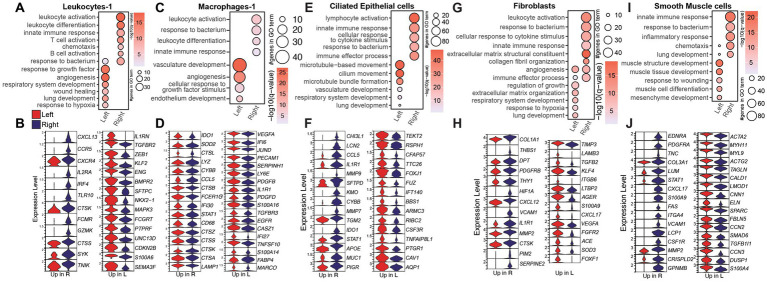 Figure 2
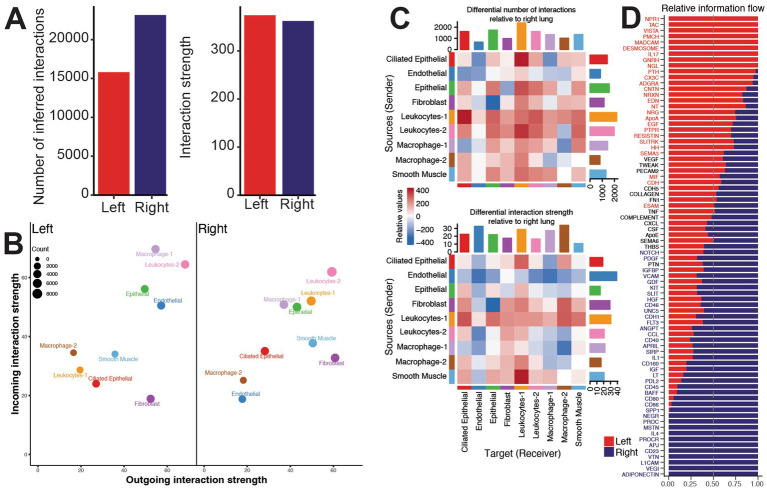 Figure 3
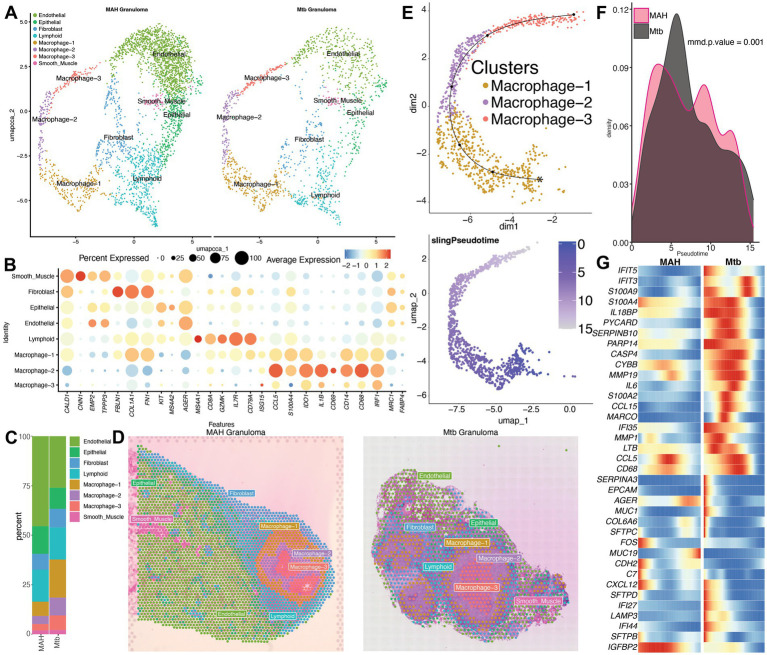 Figure 4
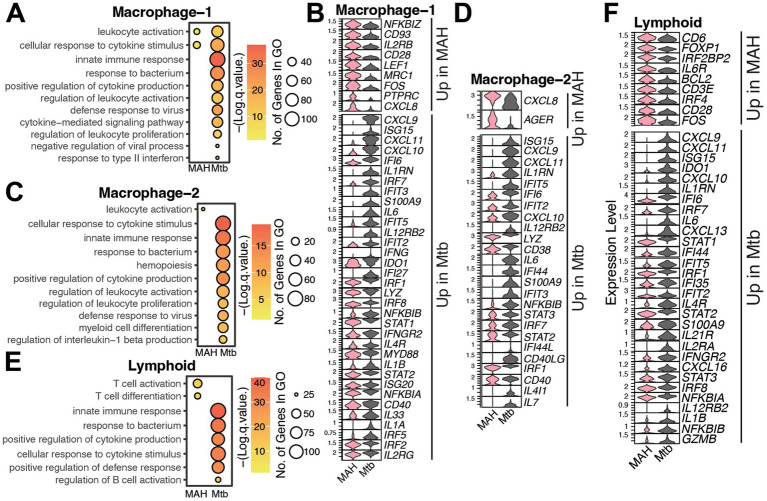 Figure 5
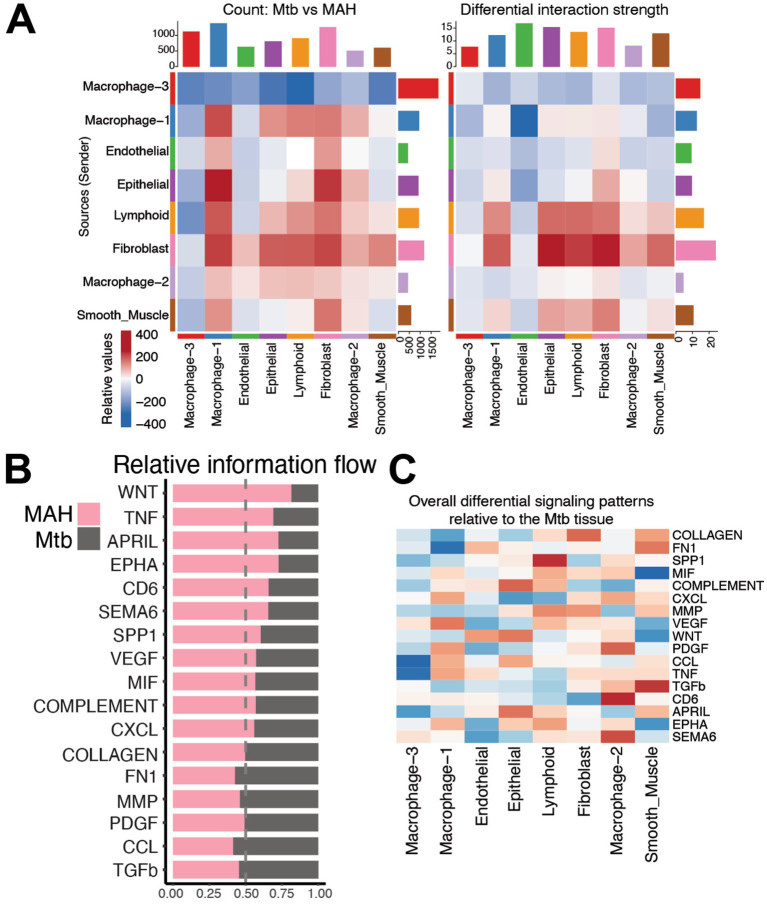 Figure 6
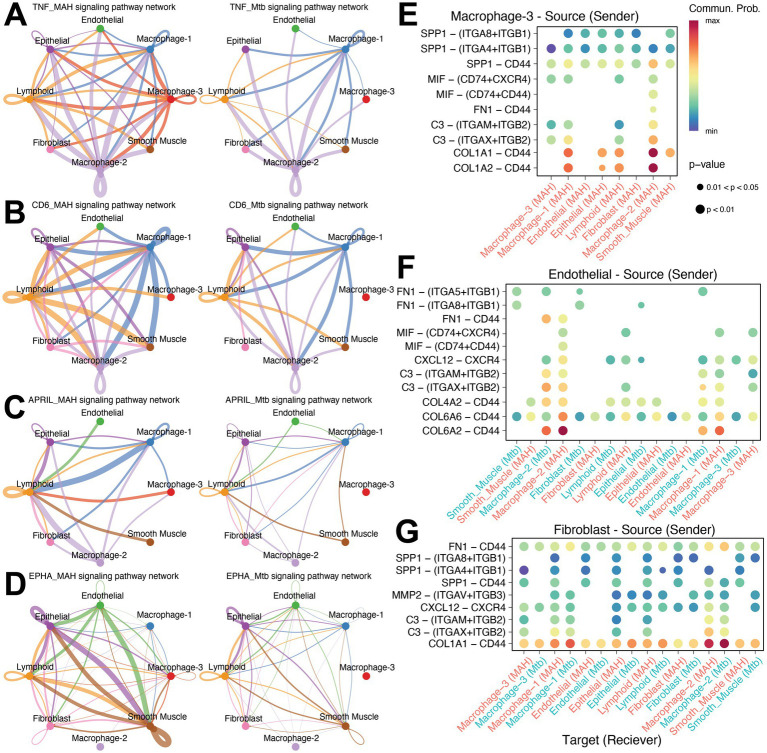 Figure 7
Peer Reviews
No public reviews on file for this paper yet. If you reviewed it on a platform where reviews are public (OpenReview, ICLR, NeurIPS, ICML), you can paste yours below so the community can read it here.
Videos
No videos yet. Explain this paper in a talk, walkthrough, or lecture? Add one.
Taxonomy
TopicsTuberculosis Research and Epidemiology · Mycobacterium research and diagnosis · Infectious Diseases and Tuberculosis